Hernando De Soto Landmark, Tupelo Travel Guide
Explore the legacy of Hernando De Soto in Tupelo, Mississippi, at this landmark commemorating early European exploration of America.
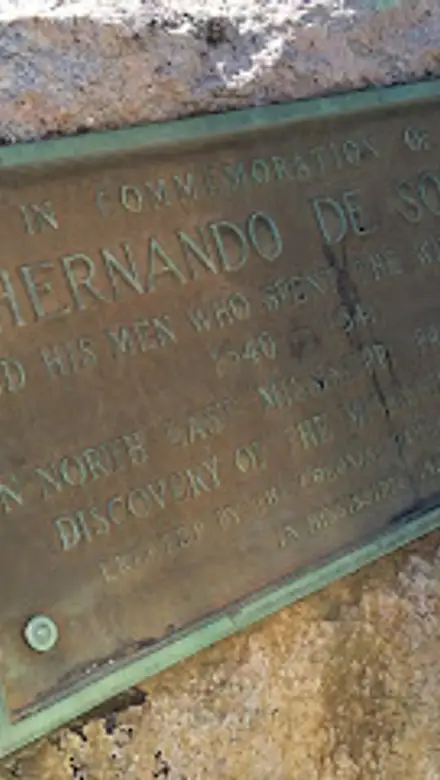
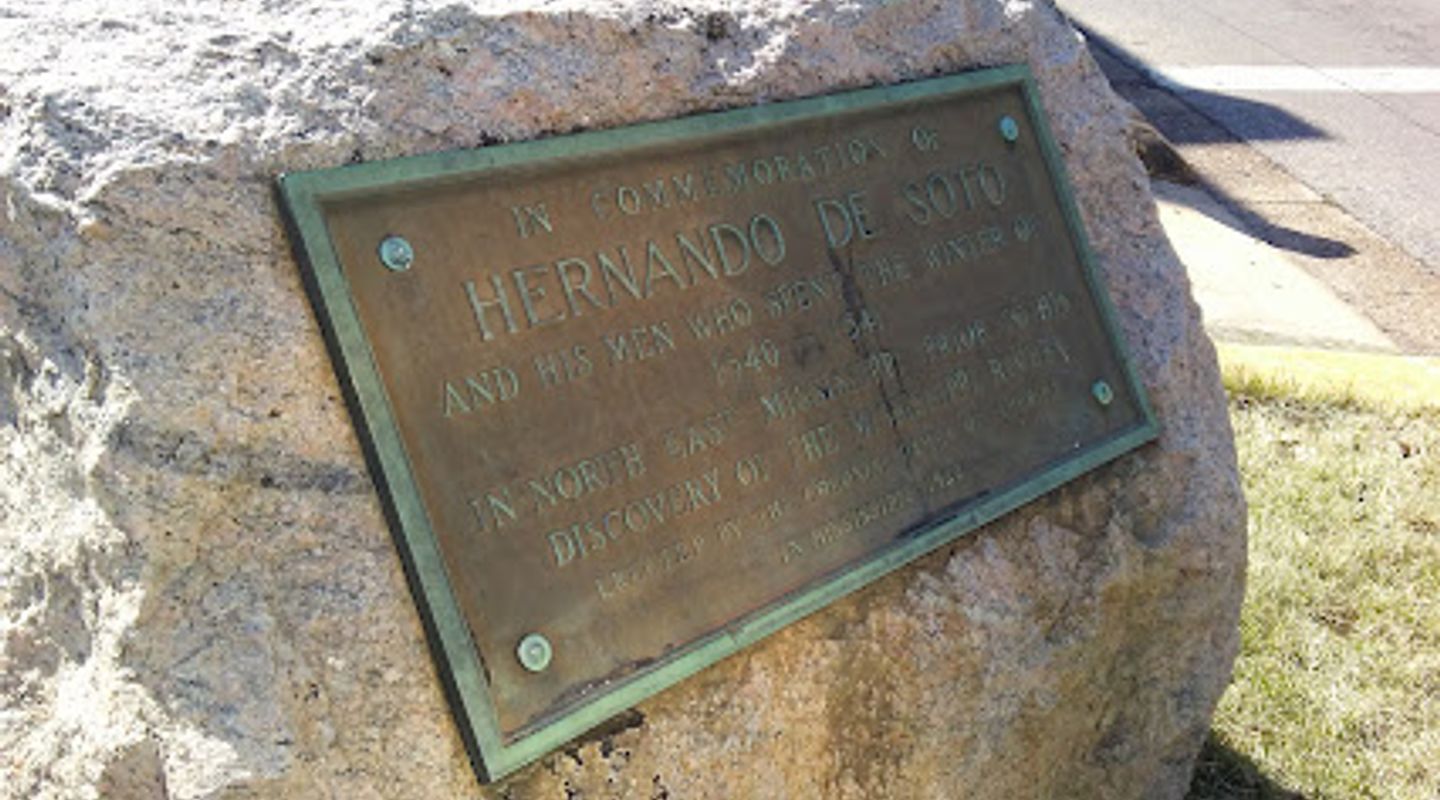
The Hernando De Soto Landmark in Tupelo, Mississippi, commemorates the Spanish explorer's expedition through the Southeast in the early 1540s. The monument marks the area where De Soto and his men spent the winter of 1540-1541 and provides insight into the interactions between Europeans and Native American tribes during this period.
A brief summary to Hernando De Soto Landmark
- 499-429 MS-6, Tupelo, Mississippi, 38804, US

Know before you go
Hi, I'm Eve. Here are a few practical things to know before exploring Hernando De Soto Landmark.
- Take time to read the informative plaques around the landmark to fully understand the historical context of Hernando De Soto's expedition.
- Combine your visit with a trip to the Natchez Trace Parkway Visitor Center to learn more about the interactions between De Soto and the Chickasaw.
- Reflect on the broader historical context of European exploration and its impact on Native American cultures.
Do you manage this location?
Take control to get all the benefits, like improved information, better appearance, and stronger visibility across AI-powered discovery. Learn more about listing your business on Evendo
Activate your presenceOther nearby places you may find interesting
The closest places of the same kind, if this one is not quite what you had in mind.



Explore Hernando De Soto Landmark on the Map
A handpicked selection of must-see spots near Hernando De Soto Landmark, mapped for you.
Getting There
-
Driving
The Hernando De Soto Landmark is located at 499-429 MS-6, Tupelo, MS 38804. From downtown Tupelo, head east on Main Street, then turn left onto MS-6 East. Continue for approximately 1.3 miles; the landmark will be on your left. There is no fee for parking.
-
Walking
If starting from Tupelo City Hall, walk east on E Main St for about 0.5 miles. Continue straight to stay on E Main St. After 0.6 miles, turn left onto MS-6 E. Walk along MS-6 for approximately 1.3 miles to find the Hernando De Soto Landmark on your left at 499-429 MS-6. There are no costs associated with walking.
Discover more about Hernando De Soto Landmark
More to explore near Hernando De Soto Landmark













Your all‑in‑one travel companion app
Explore expert travel guides, compare and book tours, experiences, hotels, and more—all from the palm of your hand. Download now for seamless trip planning wherever your wanderlust takes you.


Explore More of Tupelo
Looking beyond Hernando De Soto Landmark? Discover Tupelo for broader travel guides, local hot-spots, and regional highlights.
Explore Tupelo
Discover the vibrant world of live theater at Tupelo Community Theater, a hub for local performing arts in Mississippi.

Experience locally roasted coffee and house-made syrups in a cozy, community-focused atmosphere at Tupelo River Coffee in downtown Tupelo.