

White River Trace Historical Marker, White River Basin Travel Guide
Commemorating a historic route through Missouri, the White River Trace marks a poignant segment of the Trail of Tears and westward expansion.
The White River Trace Historical Marker commemorates a significant route in Missouri history, initially surveyed in 1835 and established as a post road in 1854. More notably, it served as a segment of the Trail of Tears, the forced migration of Cherokee Indians in the late 1830s.
A brief summary to White River Trace Historical Marker
- Salem, Missouri, 65560, US

Know before you go
Hi, I'm Eve. Here are a few practical things to know before exploring White River Trace Historical Marker.
- Take a moment to reflect on the history and significance of the Trail of Tears and its impact on the Cherokee Nation.
- Consider visiting the nearby White River Trace Conservation Area to experience the natural landscape that the Cherokee and early settlers would have encountered.
Do you manage this location?
Take control to get all the benefits, like improved information, better appearance, and stronger visibility across AI-powered discovery. Learn more about listing your business on Evendo
Activate your presenceOther nearby places you may find interesting
The closest places of the same kind, if this one is not quite what you had in mind.
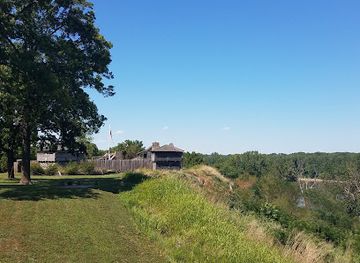
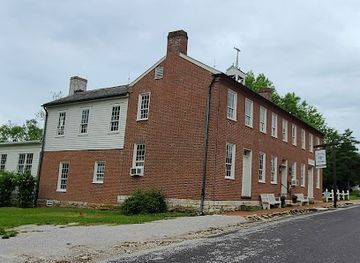
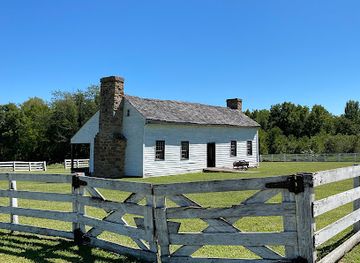
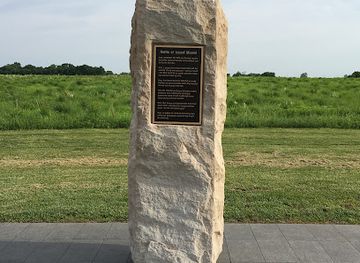
Explore White River Trace Historical Marker on the Map
A handpicked selection of must-see spots near White River Trace Historical Marker, mapped for you.
Getting There
-
Driving
The White River Trace Historical Marker is located near Salem, MO. From Salem, travel along State Highway 19. The marker is located approximately 0.7 miles south of County Road 415 on the right side of the highway when traveling south. There are no tolls on this route, and parking is available at the marker.
Discover more about White River Trace Historical Marker
More to explore near White River Trace Historical Marker
-

Best experiences near White River Trace Historical Marker
-

Best hotels near White River Trace Historical Marker
-

Best attractions near White River Trace Historical Marker
-

Best shops near White River Trace Historical Marker
-

Best restaurants near White River Trace Historical Marker
-

Best bars near White River Trace Historical Marker







Your all‑in‑one travel companion app
Explore expert travel guides, compare and book tours, experiences, hotels, and more—all from the palm of your hand. Download now for seamless trip planning wherever your wanderlust takes you.


Explore More of White River Basin
Looking beyond White River Trace Historical Marker? Discover White River Basin for broader travel guides, local hot-spots, and regional highlights.
Explore White River Basin
Experience the heart of Rolla at the Downtown Farmers Market. Fresh produce, local crafts, and community spirit await every Saturday morning!

Discover fun and relaxation at The Fugitive Beach, a unique water park and beach pavilion in Rolla, Missouri, perfect for families and friends.
