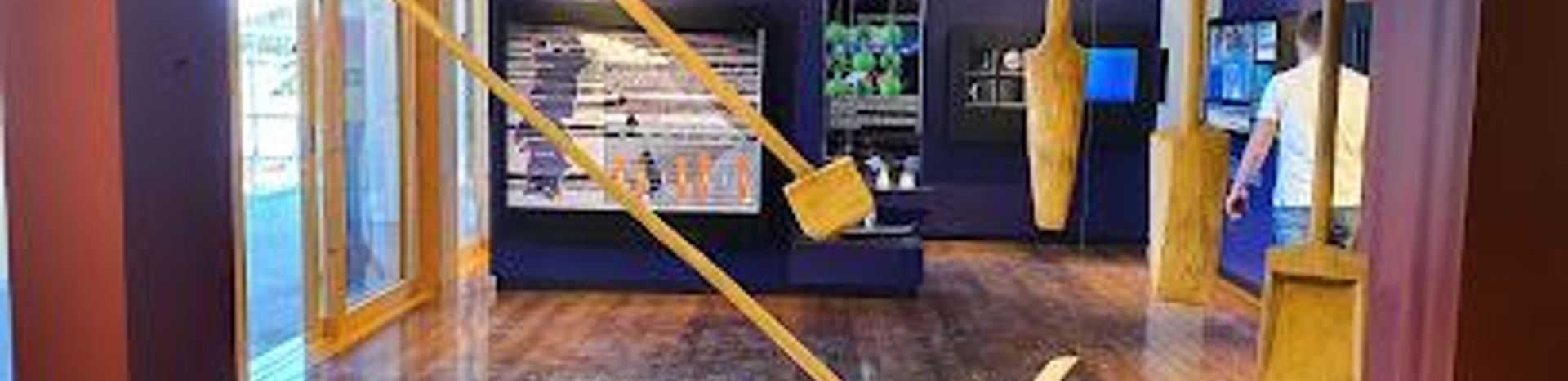
Discover the Heritage of Salt at Núcleo Museológico do Sal
Explore the rich heritage of salt production at the Núcleo Museológico do Sal in Armazéns de Lavos, a captivating museum experience for every traveler.
Núcleo Museológico do Sal, located in the charming village of Armazéns de Lavos, is a fascinating museum dedicated to the history and culture of salt production. As a tourist, you can explore interactive exhibits and learn about the vital role salt played in the region's economy and daily life. The museum showcases artifacts, historical documents, and even the traditional methods of salt harvesting, making it an essential stop for history enthusiasts and casual visitors alike.
A brief summary to Núcleo Museologico do Sal (Eco-museu do Sal)
- Armazéns de Lavos, Largo Armazéns, 3090-451, PT
- +351966344488
- Visit website
Local tips
- Check the museum's website for current opening hours, as it is temporarily closed.
- Take your time to explore each exhibit, as they offer detailed insights into the salt industry.
- Consider visiting during weekdays for a quieter experience.
- Don't miss the opportunity to take photographs of the stunning coastal views near the museum.

Getting There
-
Bus
From Coimbra city center, head to the main bus station, Terminal Rodoviário de Coimbra, located at Avenida Emídio Navarro. Take the bus heading towards Figueira da Foz (approximately 30 minutes journey). Get off at the 'Lavos' stop. From the bus stop, walk for about 5 minutes towards Largo Armazéns, and you will find the Núcleo Museológico do Sal (Eco-museu do Sal) at Armazéns de Lavos.
-
Train and Walk
Make your way to Coimbra-B train station. Take a train towards Figueira da Foz and get off at the 'Lavos' train station. Once you arrive, exit the station and walk approximately 15 minutes towards Largo Armazéns, following the signs to the Eco-museu do Sal.
-
Walking
If you are staying in the central area of Coimbra, you can enjoy a scenic walk to Lavos. Head towards the river Mondego and follow the riverside path towards the south. Continue walking along the riverbank for about 6 kilometers until you reach Lavos. Upon entering the village, follow the signs to Largo Armazéns, where the Núcleo Museológico do Sal is located.
Discover more about Núcleo Museologico do Sal (Eco-museu do Sal)
Iconic landmarks you can’t miss

Câmara Municipal da Figueira da Foz
4.4 km
Explore the Câmara Municipal da Figueira da Foz, an architectural gem that embodies the spirit and history of this charming Portuguese coastal city.
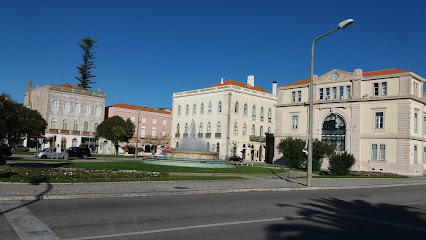
Praça Oito de Maio
4.6 km
Explore the enchanting Praça Oito de Maio, a serene park in Figueira da Foz perfect for relaxation, nature walks, and cultural experiences.
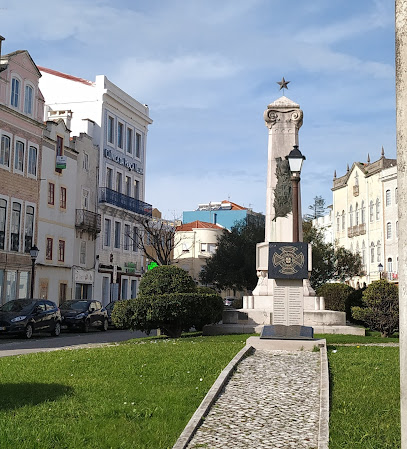
Monumento aos Mortos da Grande Guerra
4.6 km
Explore the Monumento aos Mortos da Grande Guerra in Figueira da Foz, a poignant tribute to World War I soldiers amidst beautiful gardens.
Casa do Paço
4.7 km
Discover the architectural beauty and rich cultural history at Casa do Paço in Figueira da Foz, a true gem for travelers exploring Portugal.
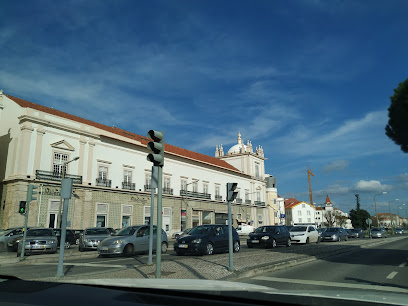
Forte
4.9 km
Experience the best of Figueira da Foz at Forte, where gourmet hamburgers meet exquisite cocktails in a vibrant atmosphere.
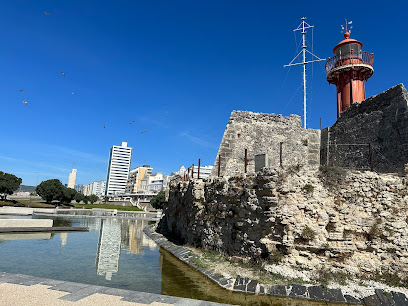
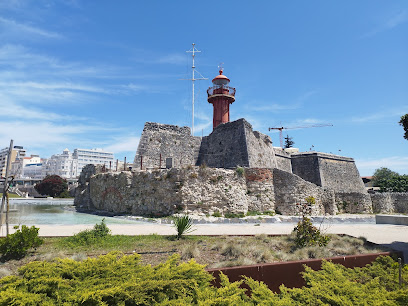
Forte de Santa Catarina
4.9 km
Explore the majestic Forte de Santa Catarina in Figueira da Foz, a historic fortress offering breathtaking ocean views and a glimpse into Portugal's military heritage.
FONTE DA FOZ
5.1 km
Explore the historical beauty of Fonte da Foz, a captivating landmark in Figueira da Foz, blending rich heritage with modern hospitality.
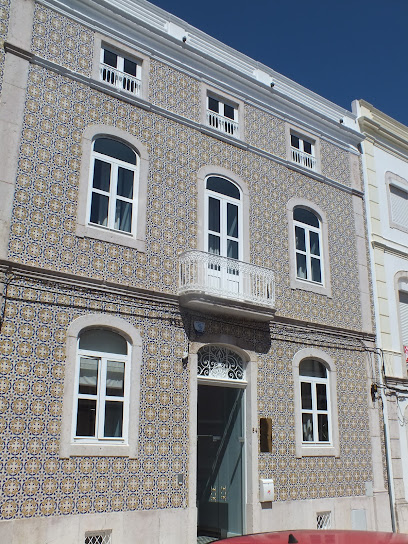
King's Tower By Férias em Figueira
5.1 km
Discover the comfort of King's Tower in Figueira da Foz, your ideal base for exploring Portugal's stunning coast and vibrant culture.
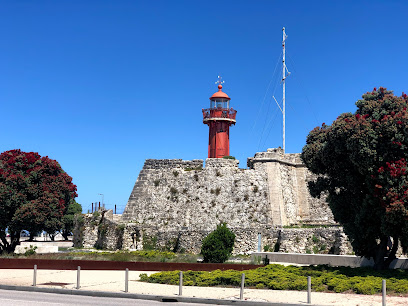
Fortress of Buarcos
7.2 km
Discover the Fortress of Buarcos, a historical gem in Figueira da Foz that offers stunning views and a rich maritime heritage.
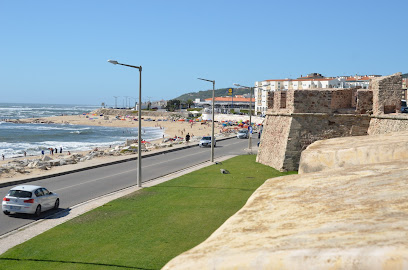
Farol do Cabo Mondego
10.7 km
Explore the Cabo Mondego Lighthouse, a historical landmark in Figueira da Foz, offering stunning ocean views and rich maritime heritage.
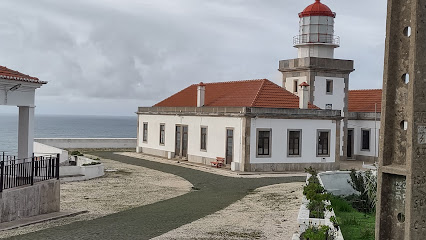
Miradouro da Bandeira
10.8 km
Experience the breathtaking views at Miradouro da Bandeira, a scenic gem in Quiaios that promises unforgettable moments and stunning landscapes.
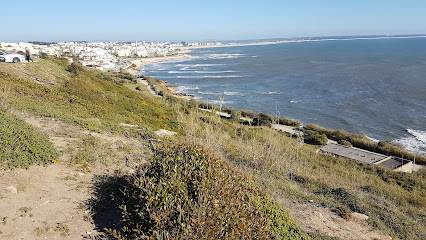
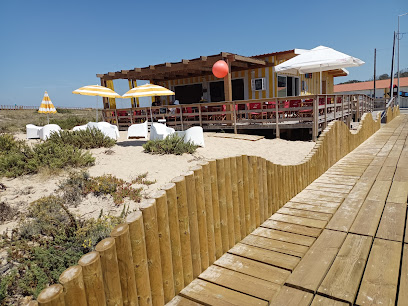
Murtinheira's Beach
12.1 km
Discover the beauty of Murtinheira's Beach in Quiaios, a perfect blend of relaxation and adventure along the stunning Portuguese coastline.
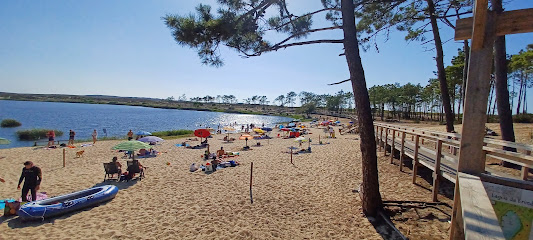
Lagoa da Ervedeira
20.6 km
Discover the serene beauty of Lagoa da Ervedeira, an idyllic lake shore swimming area in Portugal, perfect for relaxation and outdoor adventures.
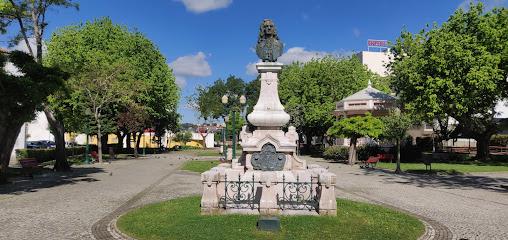
Estátua de Marquês de Pombal
27.9 km
Explore the iconic Estátua de Marquês de Pombal in Pombal, a tribute to Portugal's rich history and a picturesque destination for travelers.
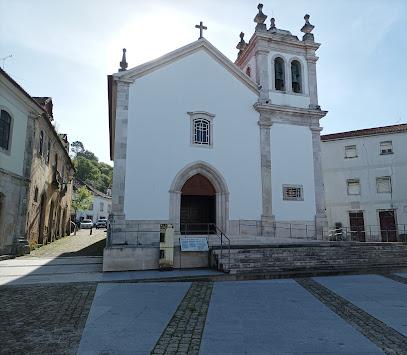
Igreja Matriz de São Martinho
28.1 km
Discover the historic Igreja Matriz de São Martinho in Pombal, a stunning Catholic church showcasing exquisite architecture and a peaceful atmosphere.
Unmissable attractions to see

Parque de Merendas da Cova da Gala
2.6 km
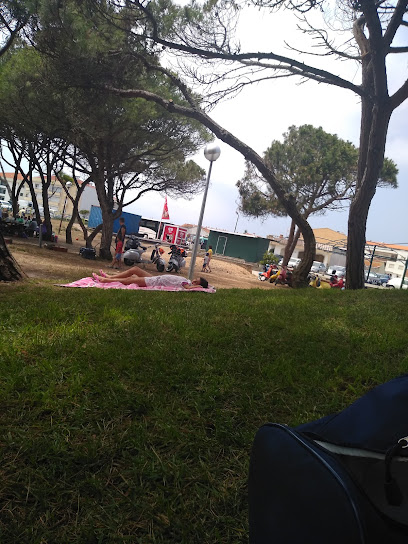
Explore the beauty of nature at Parque de Merendas da Cova da Gala, an oasis of tranquility in Figueira da Foz, perfect for picnics and leisurely strolls.
Salinas dos Doutores
2.7 km
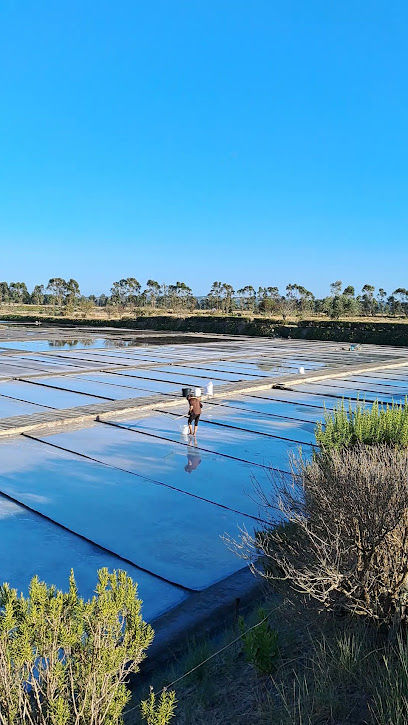
Explore the serene landscapes of Salinas dos Doutores, a national reserve teeming with wildlife and stunning natural beauty on Ilha da Morraceira.
Quinta da Salina do Morro
2.8 km
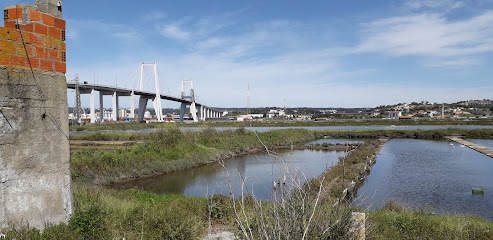
Explore Quinta da Salina do Morro, a serene national reserve in Figueira da Foz, where diverse wildlife and stunning landscapes await your discovery.
Núcleo piscatório da Cova-Gala
2.9 km
Explore the rich maritime heritage at Núcleo Piscatório da Cova-Gala, a picturesque tourist attraction in Figueira da Foz, Portugal.
Murraceira - Salinas Filipas
2.9 km
Immerse yourself in the serene beauty of Murraceira - Salinas Filipas, a nature preserve teeming with wildlife and stunning landscapes.
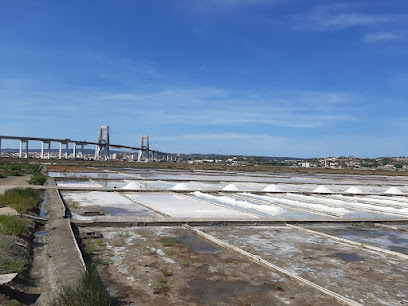
Praia da Cova Gala
3.0 km
Experience the tranquil beauty of Praia da Cova Gala, a serene beach in Figueira da Foz, perfect for relaxation and outdoor activities.
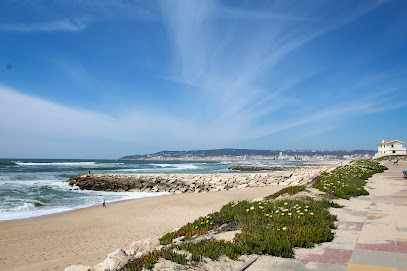
Ponte dos Arcos
3.1 km
Explore the stunning Ponte dos Arcos in Figueira da Foz, Portugal, where scenic beauty meets architectural elegance.
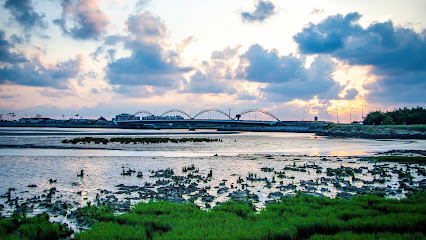
Passadiços do Cabedelo
3.6 km
Discover the serene beauty of Passadiços do Cabedelo in Figueira da Foz, a picturesque coastal pathway perfect for nature lovers and leisurely strolls.
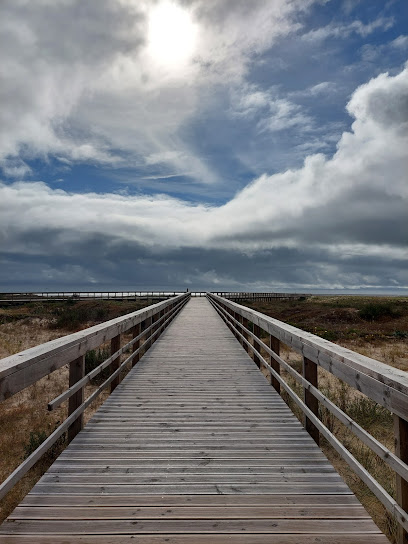
Fiqueira da Foz São Pedro
4.4 km
Explore the stunning beaches and rich culture of Figueira da Foz São Pedro, a coastal paradise in Portugal for relaxation and adventure.
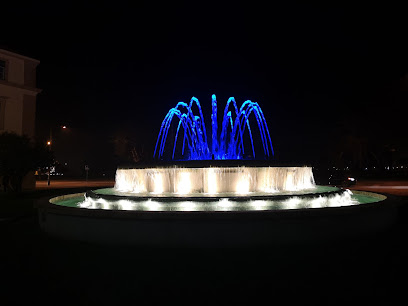
Fonte Luminosa
4.5 km
Discover the serene beauty of Fonte Luminosa in Figueira da Foz, a tranquil escape perfect for relaxation and exploration amidst nature's splendor.
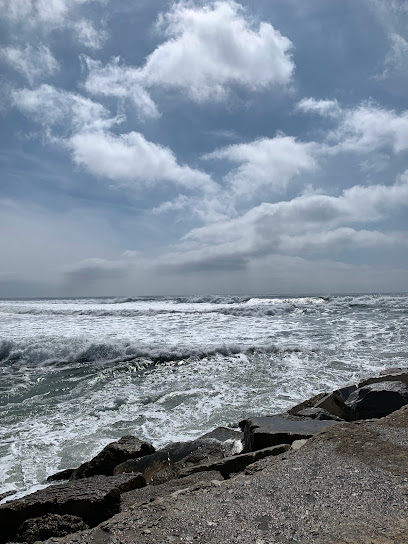
Praia do Cabedelinho
4.5 km
Discover the serene beauty of Praia do Cabedelinho, a stunning beach in Figueira da Foz, perfect for relaxation, surfing, and breathtaking sunsets.
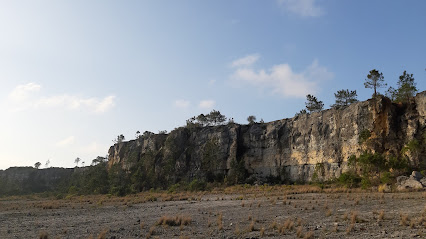
Pedreira
4.6 km
Discover the hiking paradise of Pedreira in Figueira da Foz, where nature's beauty meets adventure on scenic trails.
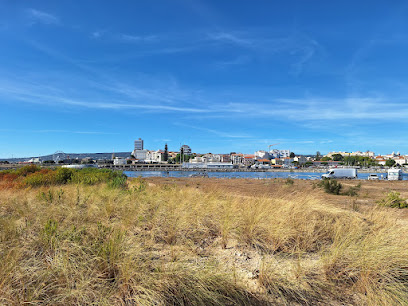
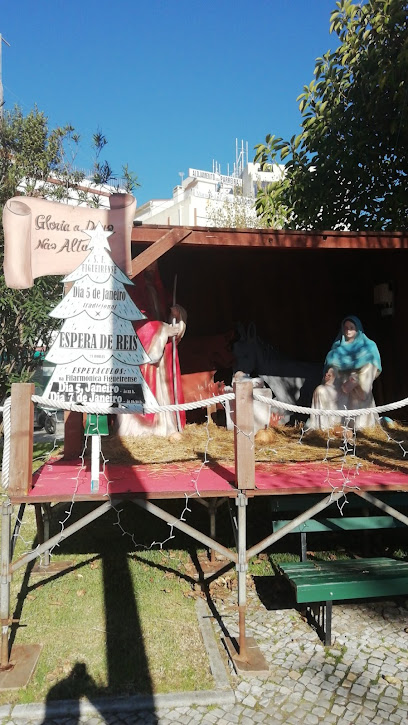
Chegada Réis Magos ao Presépio
4.6 km
Discover the festive spirit at Chegada Réis Magos ao Presépio in Figueira da Foz, where intricate nativity scenes celebrate Christmas traditions.
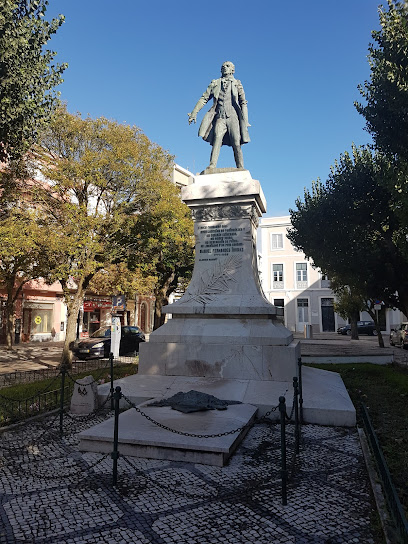
Estátua e Túmulo de Manuel Fernandes Thomaz
4.6 km
Explore the Estátua e Túmulo de Manuel Fernandes Thomaz, a historic monument in Figueira da Foz, commemorating national pride and valor.
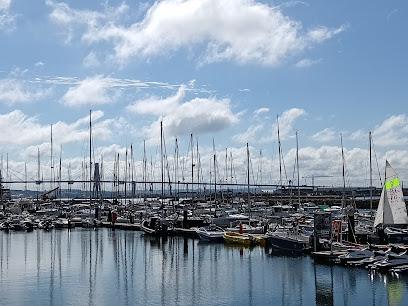
Marina da Figueira da Foz
4.7 km
Experience the vibrant atmosphere and stunning views at Marina da Figueira da Foz, the perfect coastal getaway in Portugal.
Essential places to dine

Gato Preto
4.6 km
Discover Gato Preto in Figueira da Foz - home of Portugal's best Bifanas and authentic Portuguese cuisine at affordable prices.
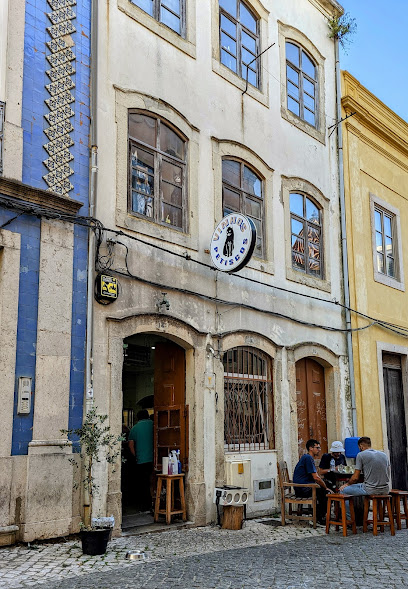
CATAVENTOS - Petiscos & Companhia
4.6 km
Experience authentic Portuguese petiscos at CATAVENTOS - Petiscos & Companhia in Figueira da Foz, where every dish tells a story.
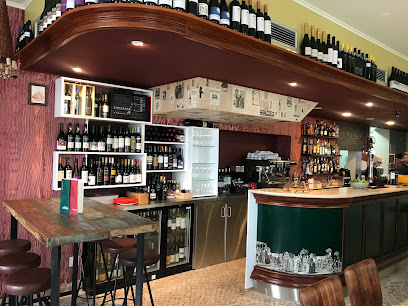
CaRRoSSeL
4.7 km
Experience authentic Portuguese flavors at CaRRoSSeL in Figueira da Foz – where tradition meets culinary excellence.
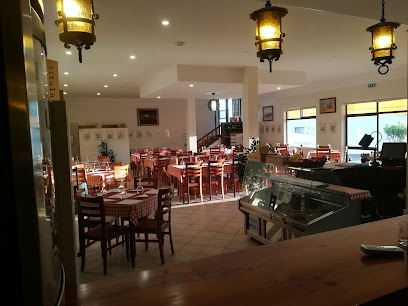
A Grega
4.8 km
Discover authentic Portuguese cuisine at A Grega in Figueira da Foz—where tradition meets taste in an inviting atmosphere.
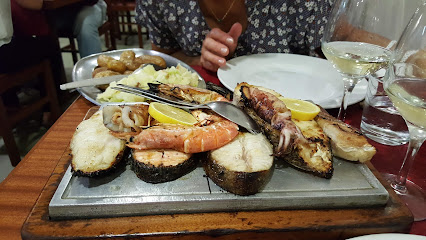
Puro
4.9 km
Discover Puro in Figueira da Foz - where modern culinary artistry meets traditional Portuguese flavors.
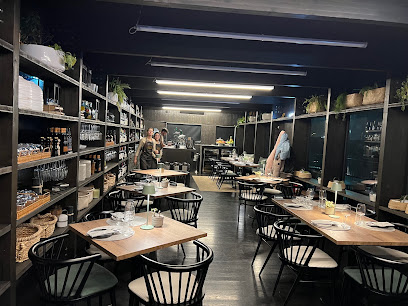
Tasca Maria - Comida Caseira
4.9 km
Experience authentic Portuguese flavors at Tasca Maria in Figueira da Foz - where every meal is a celebration of local cuisine.
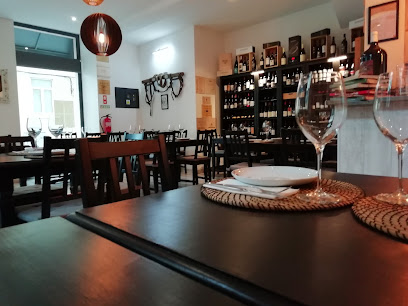
Restaurante Volta e Meia
4.9 km
Experience the authentic flavors of Portugal at Restaurante Volta e Meia in Figueira da Foz - where tradition meets innovation in every dish.
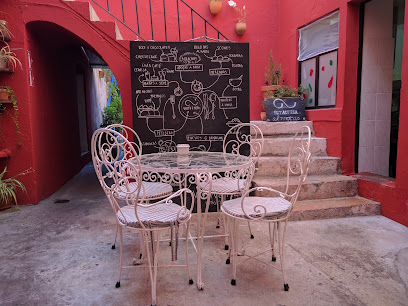
Restaurante Caçarola I
4.9 km
Experience the taste of Portugal at Restaurante Caçarola I - where tradition meets flavor in every dish.
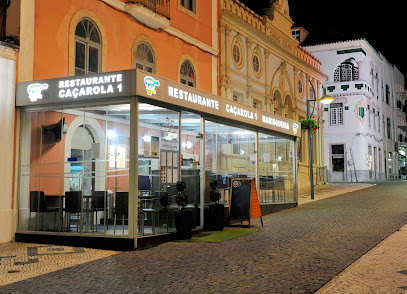
Zagallo Kitchen
5.0 km
Experience the best of Portuguese cuisine at Zagallo Kitchen in Figueira da Foz - where tradition meets innovation.
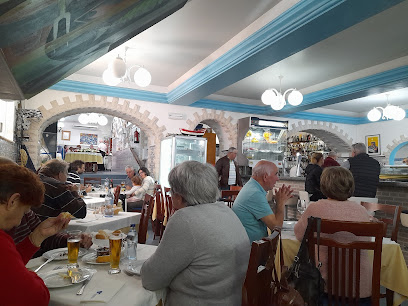
Pregaria do Bairro
5.0 km
Discover authentic Portuguese cuisine at Pregaria do Bairro in Figueira da Foz - where tradition meets flavor.
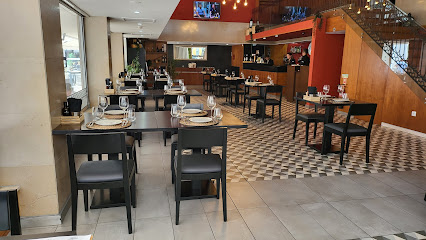
Restaurant Bar Casa Havanesa
5.0 km
Discover authentic Portuguese cuisine at Restaurant Bar Casa Havanesa - where every meal is a celebration of flavor and culture.
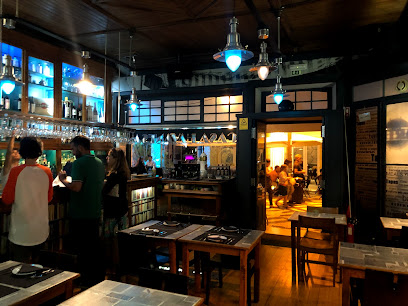
Restaurante e AL Caçarola Dois
5.0 km
Discover the authentic flavors of Portugal at Restaurante e AL Caçarola Dois in Figueira da Foz - where every dish tells a story.
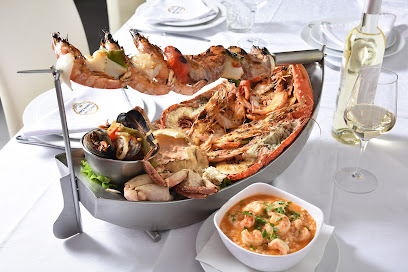
Restaurante Bijou
5.0 km
Discover the exquisite blend of Mediterranean and Portuguese flavors at Restaurante Bijou in Figueira da Foz – a must-visit culinary gem.
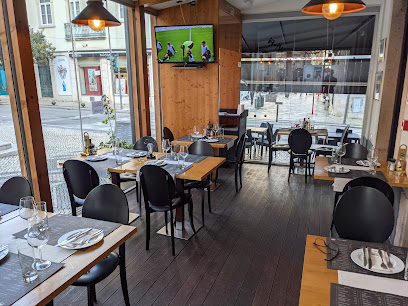
Gastrobar Acrópole
5.0 km
Discover Gastronomic Delights at Gastrobar Acrópole in Figueira da Foz - A Perfect Blend of Tradition and Modern Cuisine.
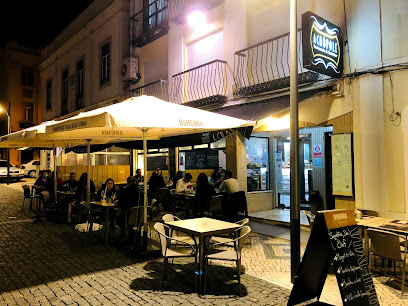
Sabores a Lenha
5.1 km
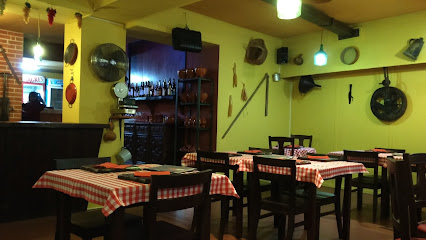
Discover the heart of Portuguese cuisine at Sabores a Lenha in Figueira da Foz, where wood-fired dishes create unforgettable dining experiences.
Markets, malls and hidden boutiques

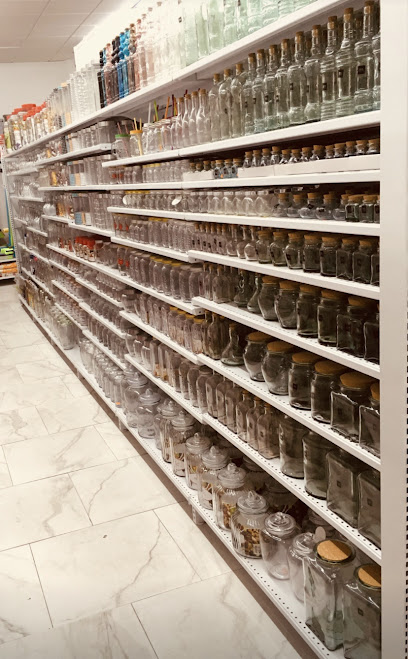
My Shopping
4.3 km
Discover the vibrant variety store in Figueira da Foz, offering unique local products and a delightful shopping experience for every traveler.
Bellíssima Perfumarias
4.5 km
Explore a world of captivating fragrances at Bellíssima Perfumarias, where every scent tells a story and every visit is a sensory adventure.
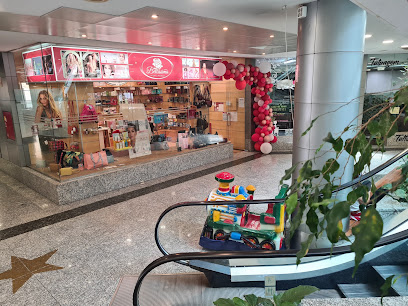
Foz Center Figueira Shopping
4.5 km
Discover a shopping paradise at Foz Center Figueira Shopping, where retail therapy meets culinary delights in beautiful Figueira da Foz.
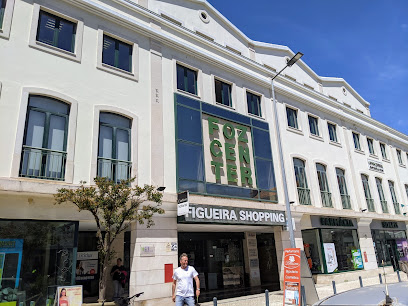
Figueira Shopping
4.5 km
Explore Figueira Shopping in Figueira da Foz for a diverse shopping experience with local and international brands, dining, and entertainment options.
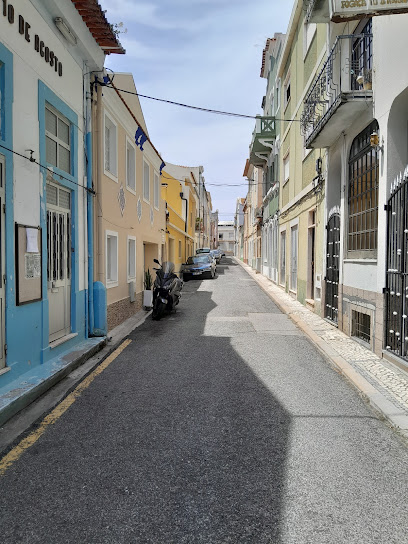
Casa Garcia - Wide Range Of Clothing
4.5 km
Explore Casa Garcia in Figueira da Foz for an exceptional shopping experience with a diverse range of stylish clothing to elevate your fashion game.
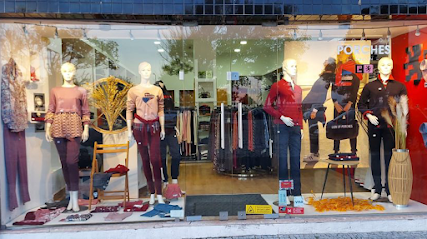
Rêverie
4.6 km
Discover elegance and quality at Rêverie, Figueira da Foz's premier lingerie store, offering exquisite designs and personalized service.

Marina Store By Primóptica
4.7 km
Explore exquisite jewelry at Marina Store By Primóptica in Figueira da Foz, where elegance meets craftsmanship in every piece.
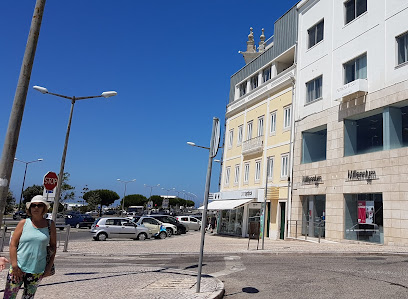
Casa Ternuras - Biscaia & Cia, Lda.
4.7 km
Explore Casa Ternuras in Figueira da Foz for unique clothing pieces that reflect local culture and style, perfect for souvenirs or gifts.
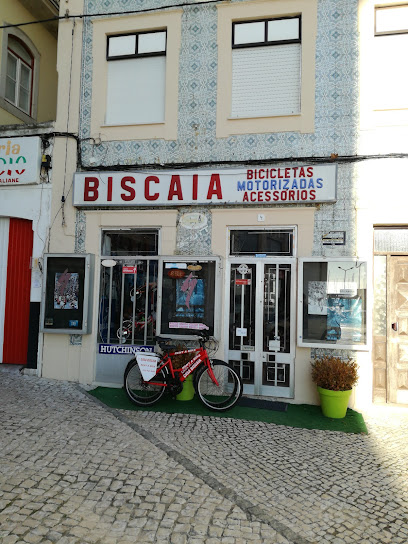
Sapataria Quaresma
4.7 km
Discover exquisite footwear at Sapataria Quaresma in Figueira da Foz, where quality meets style amid a charming shopping experience.
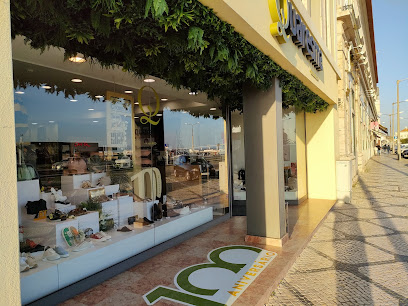
bellagio
4.8 km
Discover Bellagio, your go-to fashion accessories and cosmetics store in Figueira da Foz, where style meets elegance.
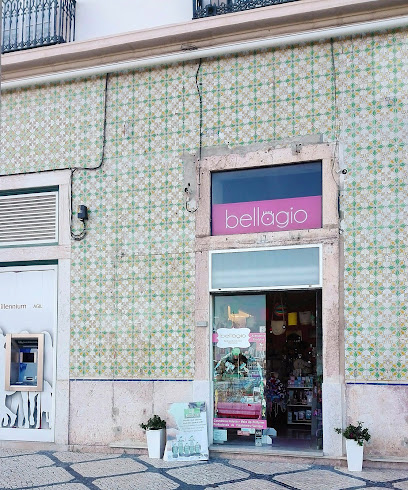
Salem's 31
4.9 km
Explore Salem's 31 in Figueira da Foz for trendy clothing and exceptional service, perfect for every fashion lover's journey.
Quebramar Figueira da Foz
4.9 km
Discover local treasures at Quebramar Figueira da Foz, where shopping meets culture and community. A must-visit for unique finds!
Ideias Mirita
4.9 km
Explore the vibrant fashion scene of Figueira da Foz at Ideias Mirita, where local style meets unique flair in every garment.
Astoria Figueira
4.9 km
Discover trendy women's fashion at Astoria Figueira, a stylish clothing store in the heart of Figueira da Foz, perfect for fashion enthusiasts.
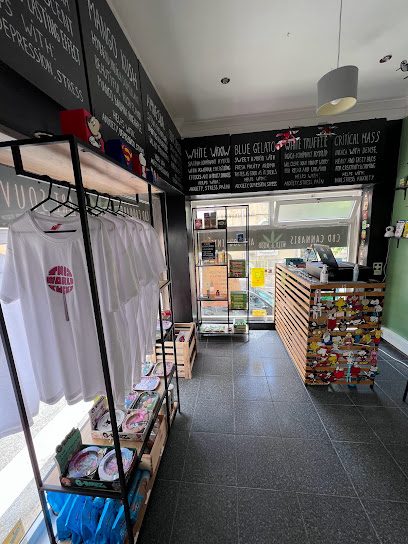
Weed & Wood Store na Rua Liberdade, Figueira Da Foz.
5.0 km
Explore the eclectic Weed & Wood Store in Figueira da Foz, your destination for unique gifts, cannabis products, and local crafts.
Essential bars & hidden hideouts

Sunset
3.0 km
Experience the charm of Sunset in Figueira da Foz, where delightful flavors meet breathtaking views, perfect for a relaxing getaway.
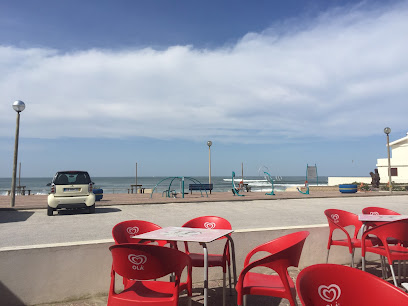
Kamone Bar e Petisqueira
3.6 km
Discover the vibrant culinary scene at Kamone Bar e Petisqueira in Figueira da Foz, where tapas and local flavors come alive in a lively atmosphere.
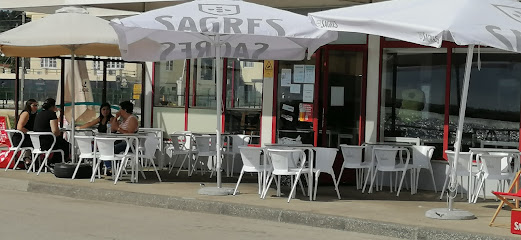
River Bar
4.4 km
Discover River Bar in Figueira da Foz, where great drinks meet stunning river views in a vibrant setting.
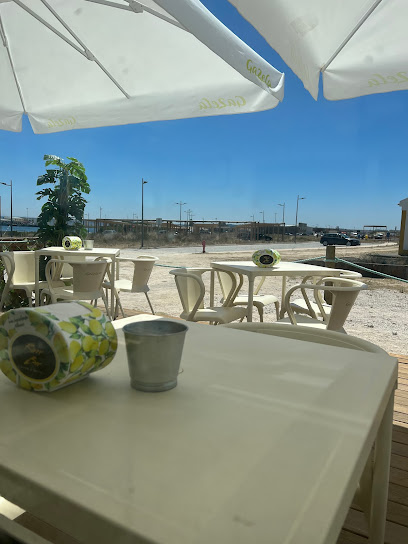
Skiqper Bar
4.7 km
Experience the vibrant atmosphere and stunning views at Skiqper Bar in Figueira da Foz, where relaxation meets local flavor.
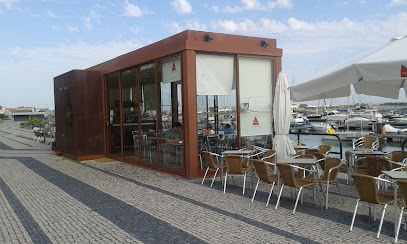
Tapas Bar
4.7 km
Discover the essence of Portuguese cuisine at Figueira da Foz Tapas Bar, where every bite tells a story and every meal is a celebration.
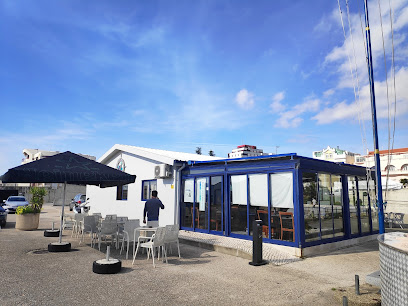
JET7.5 FOOD&DRINKS
4.8 km
Discover the delightful fusion of food and live music at JET7.5 Food & Drinks in Figueira da Foz, where every meal is a celebration.
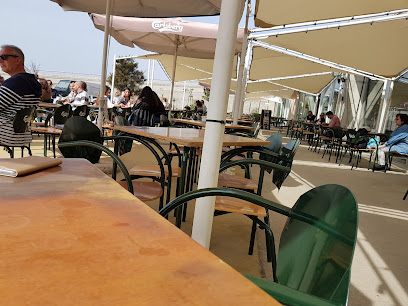
Irish Pub
4.8 km
Discover the vibrant Irish Pub in Figueira da Foz, offering delightful drinks, live music, and a warm atmosphere that captures the essence of Irish hospitality.
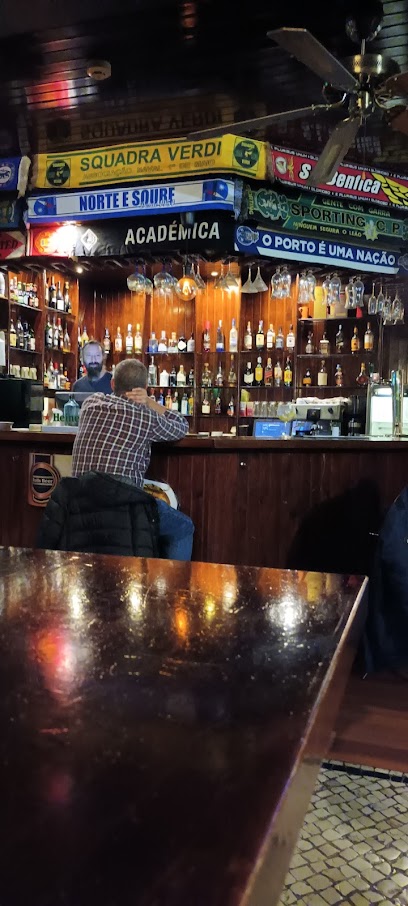
Bar 59
4.9 km
Discover vibrant nightlife at Bar 59 in Figueira da Foz, where cocktails and local wines create unforgettable evenings in a lively atmosphere.
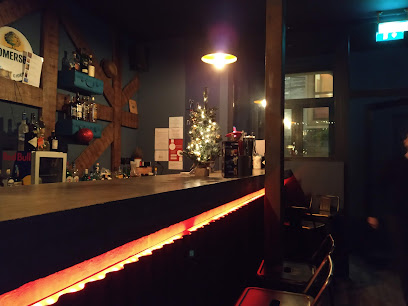
Zeitgeist Caffe
4.9 km
Immerse yourself in the lively spirit of Zeitgeist Caffe, Figueira da Foz's premier bar for unforgettable nights and delightful drinks.
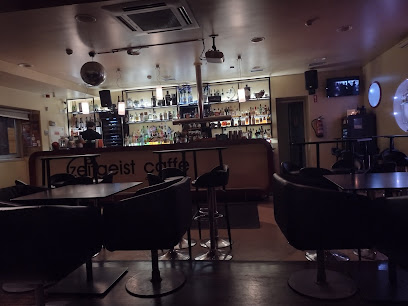
Império Caffé-bar
5.0 km
Experience the lively atmosphere of Império Caffé-bar in Figueira da Foz, where great drinks and socializing come together for an unforgettable night.
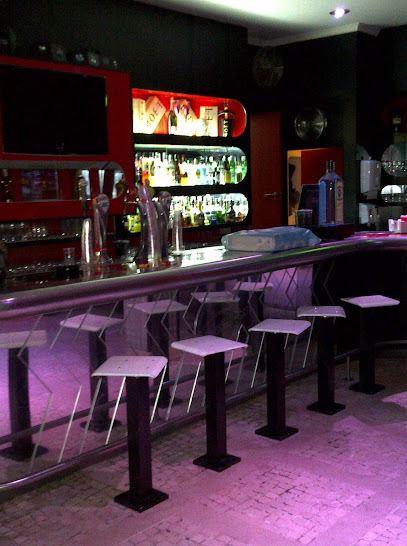
Cristal Caffé
5.0 km
Experience the vibrant nightlife of Figueira da Foz at Cristal Caffé, where great drinks and good company await.
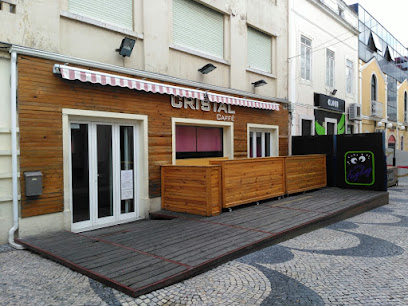
Terrazza Cocktails & Lounge
5.0 km
Experience the vibrant nightlife of Figueira da Foz at Terrazza Cocktails & Lounge, where exquisite cocktails meet stunning scenery and a lively atmosphere.
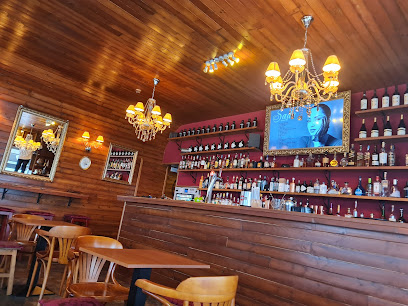
Alkimia
5.0 km
Experience the vibrant nightlife at Alkimia, a must-visit bar in Figueira da Foz offering a delightful selection of drinks in a welcoming atmosphere.
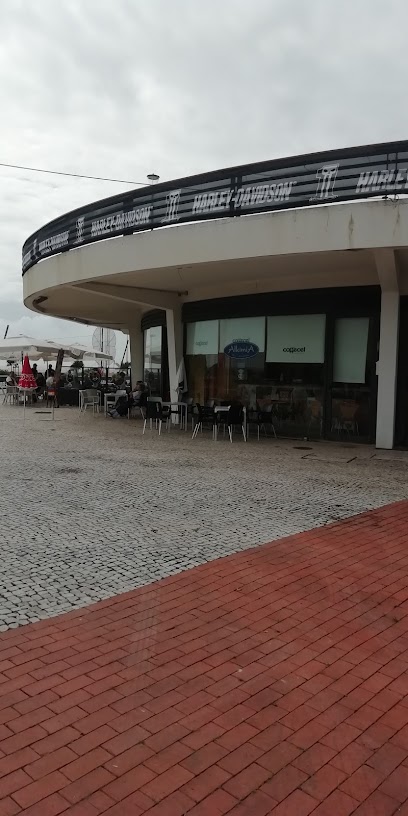
The Fogg pub
5.0 km
Experience the lively atmosphere and local flavor at The Fogg Pub in Figueira da Foz – a perfect spot for tourists seeking relaxation and camaraderie.
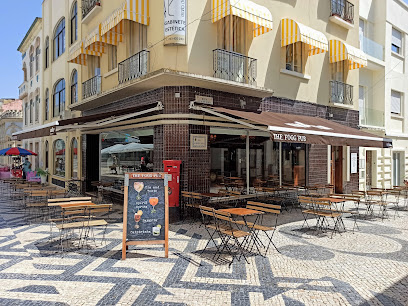
Bairro Novo
5.0 km
Discover the lively nightlife of Bairro Novo in Figueira da Foz, a vibrant bar offering an extensive drink menu and a welcoming atmosphere.
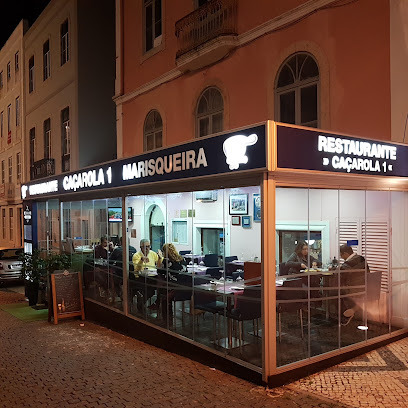
Nightclubs & after hour spots

Unidos do Matogrosso
3.3 km
Experience the vibrant nightlife at Unidos do Matogrosso, Figueira da Foz's premier night club, where music and excitement come alive.
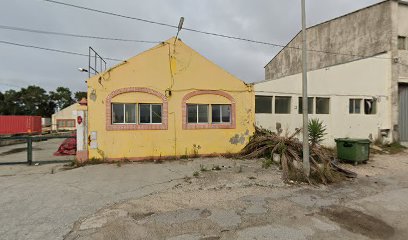
Discoteca - A Pequenita
4.6 km
Explore the vibrant music scene at Discoteca - A Pequenita, Figueira da Foz's premier music store with an eclectic collection of vinyl and more.
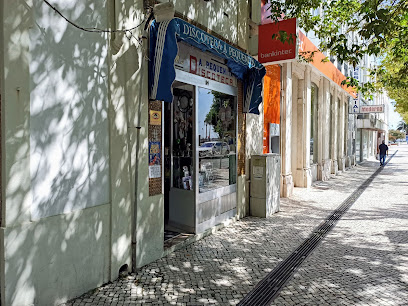
NB Club Figueira da Foz
5.0 km
Unleash your inner dancer at NB Club Figueira da Foz, where vibrant nightlife meets unforgettable experiences in Portugal.
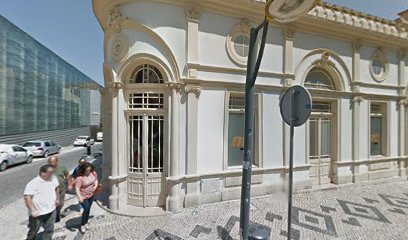
Malibu Club
22.8 km
Discover the electrifying nightlife at Malibu Club, a top disco spot in Bunhosa known for its vibrant atmosphere and affordable fun.

Cobra Dourada
33.0 km
Experience the electrifying nightlife of Antanhol at Cobra Dourada, where music and dance come alive in an unforgettable atmosphere.

Broadway Coimbra
36.3 km
Discover the vibrant nightlife of Coimbra at Broadway Coimbra, a premier night club featuring diverse music, themed events, and an unforgettable atmosphere.
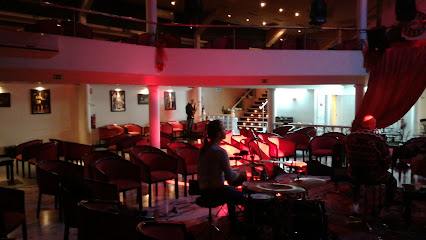
LIT Coimbra
36.5 km
Experience the electrifying nightlife at LIT Coimbra, the ultimate disco club in the heart of Portugal's historic city.

Grande Churrasqueira Junqueiro
36.5 km
Discover the vibrant nightlife of Coimbra at Grande Churrasqueira Junqueiro, where delicious grilled food meets an energetic atmosphere.
Sala B
36.6 km
Immerse yourself in Coimbra's nightlife at Sala B, a vibrant lounge known for its eclectic music, crafted cocktails, and lively atmosphere.
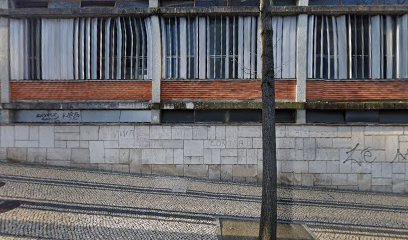
NB Club Coimbra
36.6 km
Discover the vibrant nightlife of Coimbra at NB Club, where electrifying music and unforgettable moments await you in a stylish atmosphere.

Vegas Club
36.6 km
Discover the electrifying nightlife of Coimbra at Vegas Club, where unforgettable dance parties and vibrant energy await every night.
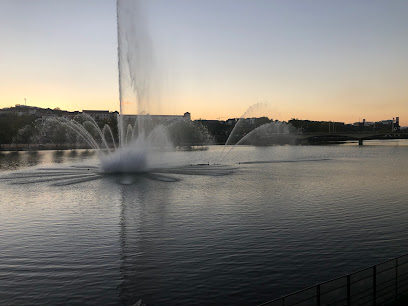
Bairro do Vento
36.7 km
Discover the electrifying nightlife at Bairro do Vento, Coimbra's top nightclub, where music, dancing, and vibrant energy await.
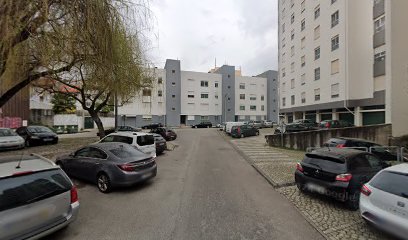
In Club
36.7 km
Dance the night away at In Club, Coimbra's premier nightlife venue, where music, energy, and unforgettable memories come together.

Pharmácia Club
36.8 km
Experience Coimbra's vibrant nightlife at Pharmácia Club, where music, dance, and unforgettable moments come together.
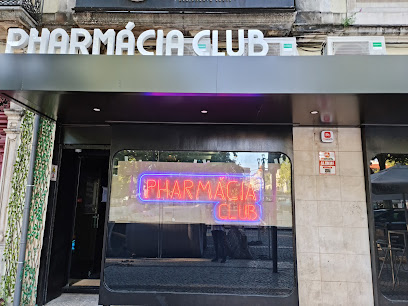
Nyx Discoteca
42.7 km
Dive into the vibrant nightlife of Miranda do Corvo at Nyx Discoteca, where music, dancing, and unforgettable memories await.