
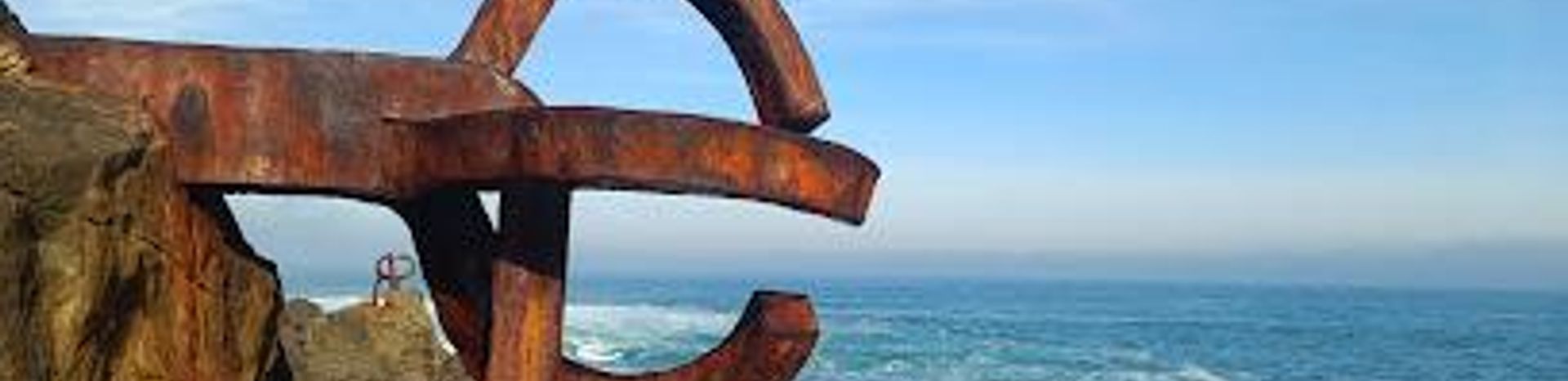
The Enigmatic Comb of the Wind: A Masterpiece by Eduardo Chillida
Experience breathtaking coastal views and modern art at Eduardo Chillida's iconic Comb of the Wind in Donostia-San Sebastian.
Immerse yourself in the stunning coastal views and remarkable modern art at the Comb of the Wind, a captivating sculpture by Eduardo Chillida located in Donostia-San Sebastian. This iconic landmark harmonizes nature and art, making it a must-visit for any traveler exploring the Basque Country.
A brief summary to Comb of the Wind (Eduardo Chillida, 1976)
- Eduardo Chillida Pasealekua, s/n, Donostia-San Sebastian, Gipuzkoa, 20008, ES
- +34943481000
- Visit website
- Monday 12 am-12 am
- Tuesday 12 am-12 am
- Wednesday 12 am-12 am
- Thursday 12 am-12 am
- Friday 12 am-12 am
- Saturday 12 am-12 am
- Sunday 12 am-12 am
Local tips
- Visit during sunset for a magical view as the sun sets over the ocean.
- Bring a camera to capture the stunning interaction of waves with the sculptures.
- Wear comfortable shoes, as the rocky paths can be uneven.
- Check the tide schedule to see the sculptures interact with the sea.
- Combine your visit with a stroll along the La Concha beach promenade for more scenic views.

Getting There
-
Walking
If you are in the city center, head towards the beach at La Concha. Walk along the beach promenade towards the west. Continue walking until you reach the end of the beach. The Comb of the Wind is located at the western end of the beach, near the entrance to the Ondarreta beach. You will see the impressive sculpture along the rocky shoreline.
-
Public Transport
From the city center, take Bus Line 5 from the 'Plaza de Gipuzkoa' bus stop. The bus will take you directly to the 'Peine del Viento' stop, which is very close to the location. After getting off, walk a short distance towards the coastline, and you will easily spot the sculpture.
-
Taxi
If you prefer a quicker option, you can take a taxi from anywhere in San Sebastián. Just tell the driver you want to go to 'Peine del Viento' or provide the address: Eduardo Chillida Pasealekua, s/n, 20008 Donostia. The taxi will drop you off close to the entrance of the sculpture.


