Katarina Elevator Travel Guide
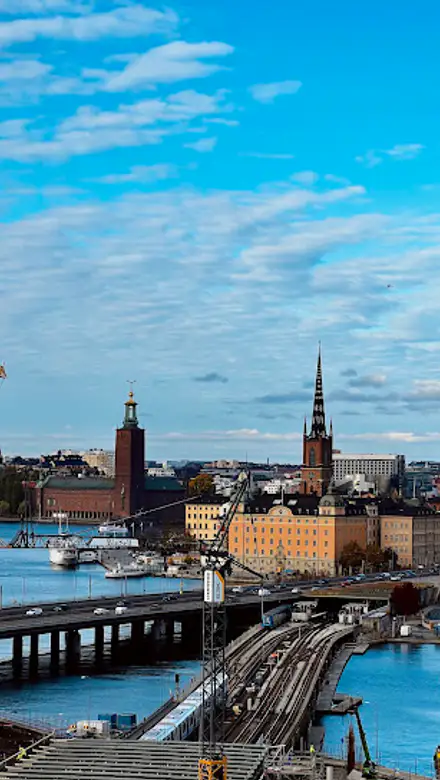
Free Guide: Historic elevator tower soaring over Slussen, delivering epic views of Gamla Stan and Stockholm's waterways from Södermalm heights.


A brief summary of Katarina Elevator
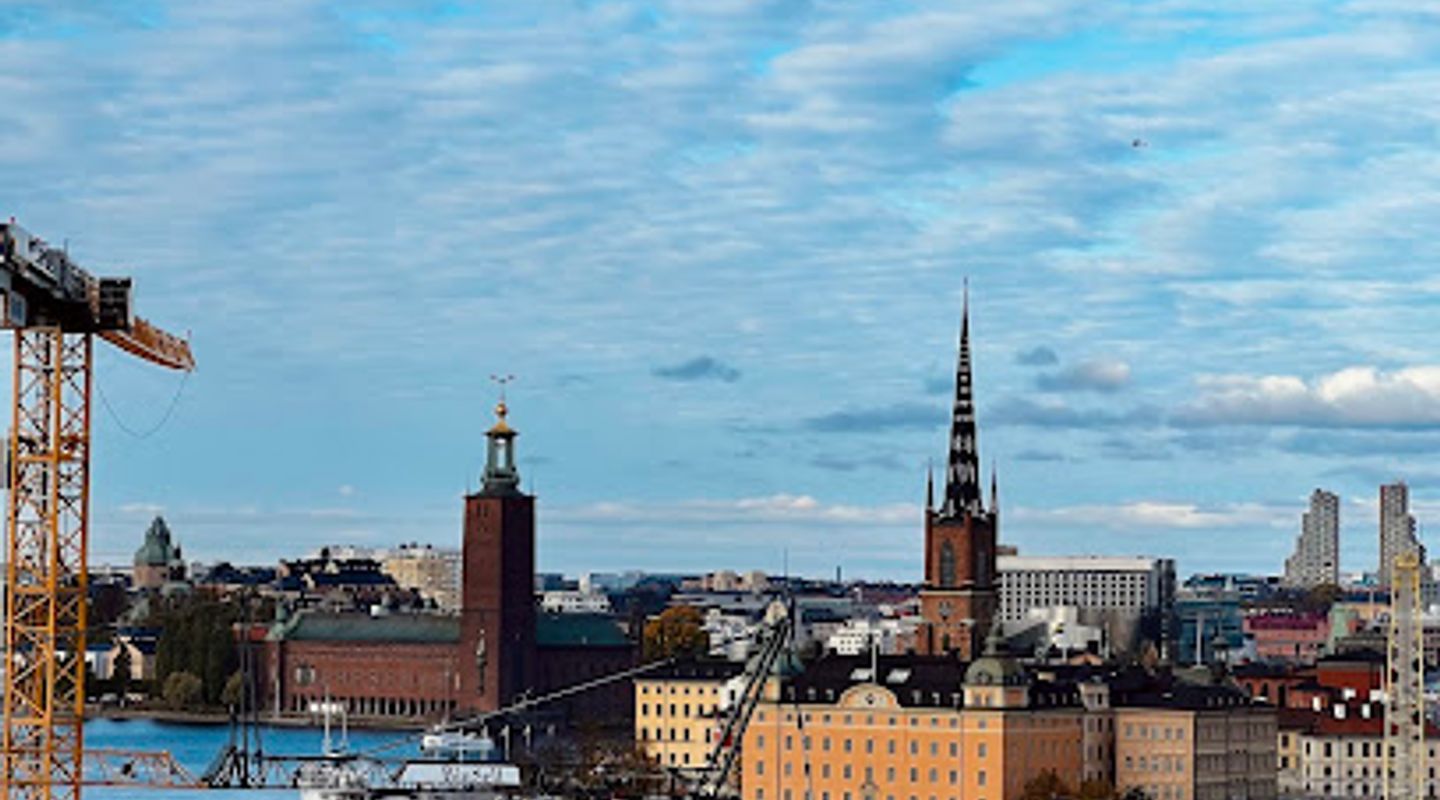
Historic elevator tower soaring over Slussen, delivering epic views of Gamla Stan and Stockholm's waterways from Södermalm heights.
The Katarina Elevator, a striking metal tower in Stockholm's Södermalm district, links the bustling Slussen area below to Mosebacke Torg above. Built as a shortcut across the city's dramatic height differences, this historic structure offers sweeping panoramas of Gamla Stan, the waterways, and beyond. Originally opened in 1883 with steam power, it was electrified in 1915 and rebuilt in 1936. After renovations, it reopened in 2023, providing free access daily from 8am to 10pm. Ascend for postcard views and a taste of industrial-era engineering amid urban vibrancy.
On-site amenities
 Drink options
 Food options
 Seating areas
 Trash bins
 Information boards
Opening hours
- Every day8 am–10 pm
Opening hours as listed on the venue’s Google Business Profile. Hours can change for services and special events, so check with the venue before you go.
- Address
- Katarinavägen 3, 116 45 Stockholm
- Phone
Getting there
Subway
Walking
Bus
Taxi
Discover more about Katarina Elevator
Engineering Marvel of 19th-Century Stockholm
The Katarina Elevator emerged in 1881 as an innovative solution to Södermalm's steep terrain, engineered by Knut Lindmark to bridge Katarinavägen at Slussen with Mosebacke Torg. Constructed by Belgian firm Lecoq & Comp with American mechanisms from Weeks & Halsey, it debuted on March 19, 1883, powered by a massive steam engine that drew 1,500 daily riders in its first month. Fares were 5 öre up and 3 öre down, turning the lift into a profitable novelty amid Stockholm's hilly landscape.By 1915, the steam system yielded to an electric motor, enhancing reliability as the city grew. The elevator's bridge became prime advertising space, once hosting the famous animated Stomatol Toothpaste sign before its relocation.
Rebirth Amid Slussen's Transformation
The current tower dates to 1936, rebuilt during Slussen's transport overhaul to handle heavier loads and urban expansion. This modernist structure, nicknamed 'Elevatorn,' symbolized progress in a city blending archipelago waters with rising neighborhoods. Closed since 2010 for safety upgrades, it underwent extensive renovations, reopening in October 2023 with restored functionality.The redesign preserves its industrial silhouette while integrating modern safety, standing tall against Södermalm's eclectic backdrop of cafés, theaters, and street art.
Panoramic Vistas from Elevated Heights
Riding the elevator delivers more than vertical transit; it unveils Stockholm's layered beauty. From the upper platform, Gamla Stan's colorful rooftops spill toward Riddarfjärden's shimmering waters, with Södermalm's vibrant streets unfolding below. On clear days, glimpses extend to distant islands and the Baltic horizon, especially vivid at dusk when golden light bathes the spires.The connecting footbridge offers intermediate views, framing the lock system's intricate waterways—a nod to Stockholm's maritime heritage.
Cultural Echoes in Film and Folklore
This landmark appeared in the 1963 film 'The Prize,' starring Paul Newman, capturing its cinematic drama against Sweden's noirish winters. Early photos and paintings, like Paul Burman's 1919 depiction, immortalize its role in daily life, from workers commuting to sightseers marveling at mechanical prowess.Today, it anchors Södermalm's bohemian pulse, near Mosebacke Etablissement's historic stage, blending utility with quiet spectacle.
Urban Integration and Timeless Utility
Nestled in Slussen's evolving junction, the elevator facilitates seamless movement in a neighborhood defined by contrasts: gritty alleys meet polished promenades. Its free operation encourages spontaneous ascents, rewarding climbers with breezes carrying faint harbor scents and the hum of ferries below.As part of Stockholm's public infrastructure, it exemplifies adaptive heritage, ensuring the city's vertical narrative remains accessible.
Evendo Review Centre
 Google
Guest reviews
Best time to go
Quietest: Jan, Feb & Mar · before 8am or from 11pm
Busy times are Evendo estimates for a typical year, to help you plan. Actual crowds vary with events, school holidays and the weather.
Explore Katarina Elevator on the map
A handpicked selection of must-see spots near Katarina Elevator, mapped for you.
Get your free copy of our complete guide to Katarina Elevator, delivered straight to you.
Everything on this page, from opening hours and how to get there to Eve’s tips and the best time to go, in one PDF you can read offline, print or share.
Already have an account? Sign in
Your Katarina Elevator guide is ready.
We'll send it to · Not you? Sign out

Getting your guide ready…
We are putting together a fresh copy of the Katarina Elevator guide. This can take up to a minute.
This can take a few moments. If your browser asks, choose Allow so the download can start. You'll find the guide in your Downloads folder.
Nothing happened? Download it again
Sorry, the guide is taking longer than usual. Please try again in a minute, or get it by email instead.
Unlock the best of Katarina Elevator
Skip-the-line tickets, guided tours with entry, and walking tours of the area, booked in a few clicks.
 Tour with entry
Self-Guided Tours In Stockholm With 100 Captivating Audio Stories
from $3.19 Tour with entry
ABBA Classic Stockholm Small-Group Walking Tour | 2 Hours
from $67.15 Tour with entry
Join-in Shore Excursion: Highlights of Stockholm with visit Vasa Museum
from $247.00 Tour with entry
Join-in Shore Excursion to Stockholm with visit Vasa Museum from Nynashamn port
from $317.30


Other nearby places you may find interesting
The closest places of the same kind, if this one is not quite what you had in mind.
-

-
-
-
-


Swipe for more places
More to explore near Katarina Elevator

 Best experiences near Katarina Elevator
 Best hotels near Katarina Elevator
 Best landmarks near Katarina Elevator
 Best attractions near Katarina Elevator
 Best shops near Katarina Elevator
 Best restaurants near Katarina Elevator
 Best bars near Katarina Elevator
Do you manage this location?
Take control to get all the benefits, like improved information, better appearance, and stronger visibility across AI-powered discovery.
Explore more
Explore more of Stockholm Archipelago
Discover the serene beauty of Stockholm Archipelago, a captivating blend of over 30,000 islands offering adventure, tranquility, and rich cultural heritage in the Baltic Sea.
Explore Stockholm Archipelago
Explore more of Sweden
Discover Sweden's breathtaking landscapes, vibrant cities, and rich cultural heritage. From the Northern Lights to historic castles, experience the essence of Scandinavia.
Explore Sweden