Stadsholmen Travel Guide
Free Guide: Stockholm’s medieval heart: a compact island of cobbled alleys, royal façades and concentrated cultural landmarks.


A brief summary of Stadsholmen
Stockholm’s medieval heart: a compact island of cobbled alleys, royal façades and concentrated cultural landmarks.
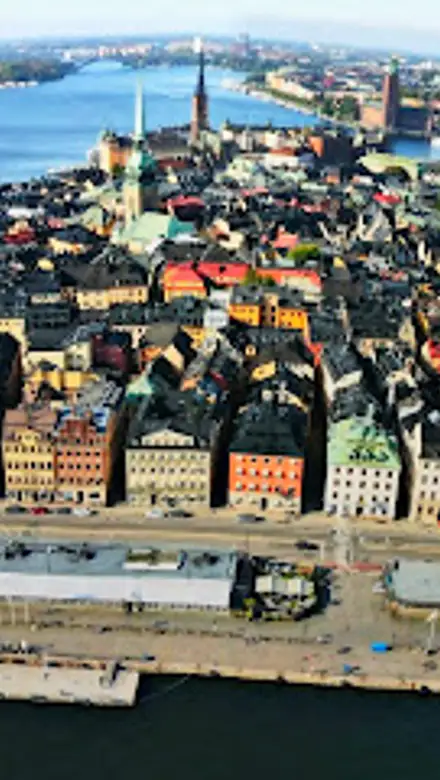
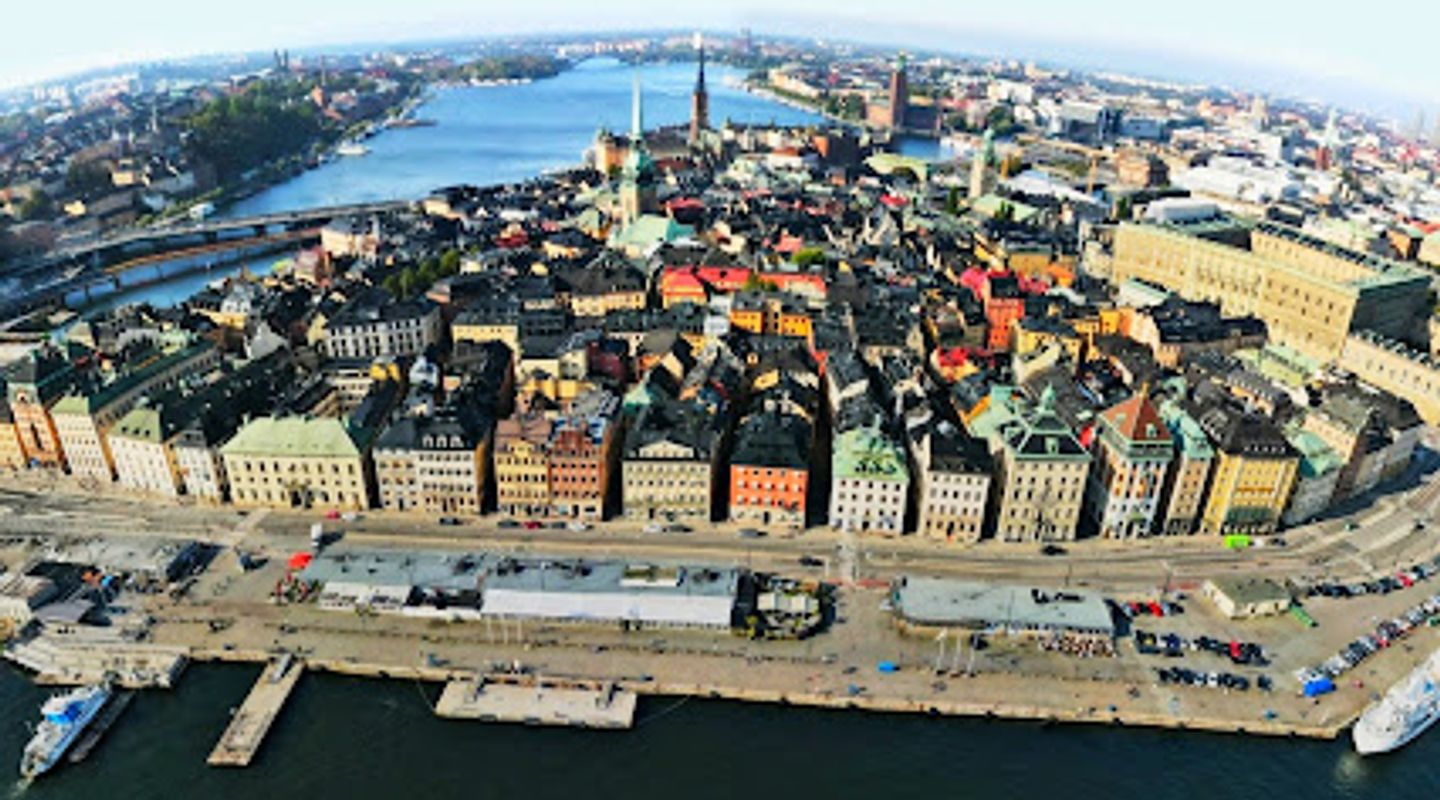
Stadsholmen—commonly known as Gamla Stan—is the compact historic island at the heart of Stockholm where narrow cobbled lanes, ochre‑coloured merchant houses and major civic landmarks cluster around medieval squares and waterways. Home to the Royal Palace, Storkyrkan and the Nobel Prize Museum, Stadsholmen condenses centuries of Swedish civic, cultural and architectural history into a walkable island framed by bridges and harbor views.
On-site amenities
 Seating areas
 Information boards
 Restrooms
 Food options
 Drink options
- Address
- Södermalm, Stockholm
Getting there
Public tram + walking
Metro (Tunnelbana) + walk
Ferry / water taxi
Discover more about Stadsholmen
The island at the city's origin
Stadsholmen marks the geographic and historical core of Stockholm: a compact island where the earliest medieval settlement grew up around sheltered quays and narrow streets. Its built fabric is a patchwork of periods — medieval cellars, merchant houses from the 17th and 18th centuries and ceremonial façades that face the water — giving a sense of how the city expanded outward from this original islet.
Streets, squares and human scale
The island’s streets are intimate and irregular: tight alleys that open suddenly onto small squares, stepped lanes climbing between terraced houses, and cobbles that remind you how Stadsholmen developed before motor traffic. Public spaces are scaled for conversation and linger: squares framed by warm plastered façades, narrow quays that catch the evening light, and vantage points where you can watch ferries and workboats move through the channels.
Monuments and institutions concentrated
Despite its small size, Stadsholmen carries major national institutions. The Royal Palace dominates one side with its grand ceremonial presence, while Storkyrkan (the cathedral) and several historic civic buildings, museums and museums‑in‑historic‑buildings give the island official and cultural weight. Many façades conceal richly detailed interiors and courtyards that reflect the island’s administrative and mercantile past.
Textures, colours and details to notice
Walk slowly and look up: ochres, brick reds and pale greys animate the façades; carved stone portals, wrought‑iron signs and narrow dormer windows speak of merchant households and guilds. Door knockers, old lamp fittings and the occasional preserved timber frame are small, rewarding details. At water’s edge, wooden piers and stone embankments pick out the meeting of city and sea.
A living historic quarter
Stadsholmen remains a lived‑in and working part of Stockholm: alongside museums and ceremonial spaces there are cafés, small shops and residences. The island’s compactness encourages exploration on foot; every side street can reveal a tucked‑away museum entrance, a quiet courtyard or a view across to neighbouring islets such as Riddarholmen and Helgeandsholmen.
Seasonal moods and sensory character
Season alters the island’s personality: crisp, pale winter light sharpens rooflines and chimneys; spring and summer fill courtyards and terraces with chatter and flower boxes; autumn brings mellow tones to the plastered facades. Throughout the year the maritime soundscape — gulls, the distant hum of engines, the creak of moored boats — underpins the island’s human scale and historic resonance.
Evendo Review Centre
 Google
Guest reviews
Best time to go
Quietest: Jan, Feb & Mar · before 6am or from 11pm
Busy times are Evendo estimates for a typical year, to help you plan. Actual crowds vary with events, school holidays and the weather.
Explore Stadsholmen on the map
A handpicked selection of must-see spots near Stadsholmen, mapped for you.
Get your free copy of our complete guide to Stadsholmen, delivered straight to you.
Everything on this page, from opening hours and how to get there to Eve’s tips and the best time to go, in one PDF you can read offline, print or share.
Already have an account? Sign in
Your Stadsholmen guide is ready.
We'll send it to · Not you? Sign out

Getting your guide ready…
We are putting together a fresh copy of the Stadsholmen guide. This can take up to a minute.
This can take a few moments. If your browser asks, choose Allow so the download can start. You'll find the guide in your Downloads folder.
Nothing happened? Download it again
Sorry, the guide is taking longer than usual. Please try again in a minute, or get it by email instead.
Unlock the best of Stadsholmen
Skip-the-line tickets, guided tours with entry, and walking tours of the area, booked in a few clicks.

Other nearby places you may find interesting
The closest places of the same kind, if this one is not quite what you had in mind.
-

-
-
-
-


Swipe for more places
More to explore near Stadsholmen

 Best experiences near Stadsholmen
 Best hotels near Stadsholmen
 Best landmarks near Stadsholmen
 Best attractions near Stadsholmen
 Best shops near Stadsholmen
 Best restaurants near Stadsholmen
 Best bars near Stadsholmen
Do you manage this location?
Take control to get all the benefits, like improved information, better appearance, and stronger visibility across AI-powered discovery.
Explore more
Explore more of Stockholm Archipelago
Discover the serene beauty of Stockholm Archipelago, a captivating blend of over 30,000 islands offering adventure, tranquility, and rich cultural heritage in the Baltic Sea.
Explore Stockholm Archipelago
Explore more of Sweden
Discover Sweden's breathtaking landscapes, vibrant cities, and rich cultural heritage. From the Northern Lights to historic castles, experience the essence of Scandinavia.
Explore Sweden