Background

S:ta Karin (Sankta Karins kyrkoruin)

A vast 13th‑century Franciscan ruin with rare brick vaulting and a dramatic open‑air nave beside Visby’s Great Square.

★★★★★4.7 (112)

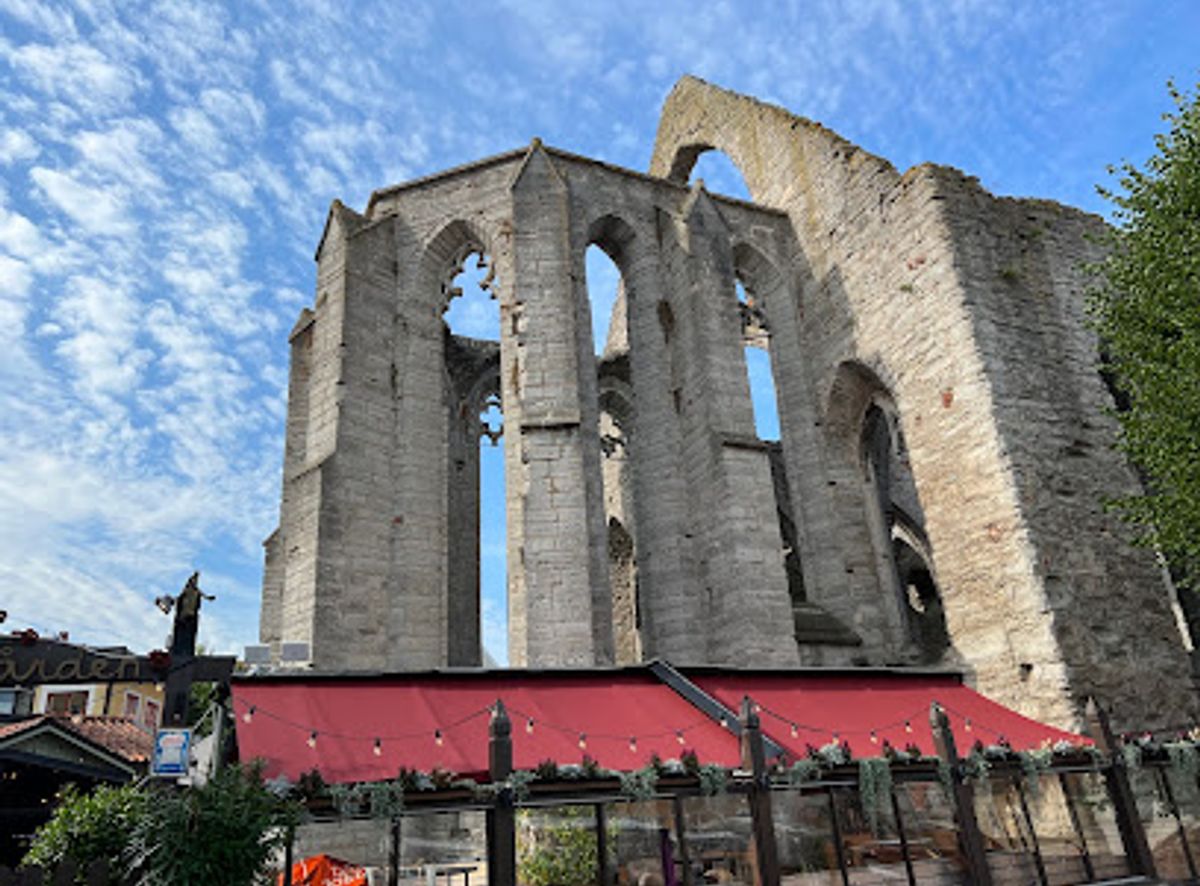
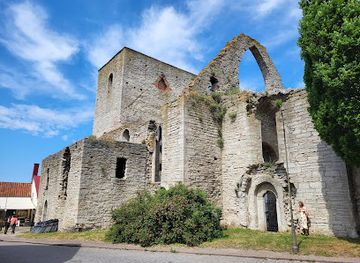
S:ta Karin is Visby’s grand medieval church ruin, a roofless nave of red-brick arches and high window frames that stands directly beside Stora Torget. Founded by Franciscan friars in the 13th century and later enlarged in the 1300s, the ruin’s distinctive terracotta vaulting and open-air silhouette make it one of the largest and most atmospheric ecclesiastical remains inside Visby’s World Heritage walls.

Plan your visit

A brief summary to S:ta Karin ruin

Opening times, essentials, and a few local tips gathered into one calmer, easier-to-scan planning section.

Plan your visit

📍
Stora TORGET 2, Visby, 621 56, SE
💷
Free
🏛
Outdoor
📶
Mobile reception: 4 out of 5
Monday
10 am-6 pm
Tuesday
10 am-6 pm
Wednesday
10 am-6 pm
Thursday
10 am-6 pm
Friday
10 am-6 pm
Saturday
10 am-6 pm
Sunday
10 am-6 pm

Explore places near S:ta Karin ruin

    See all →

    Unlock the Best of S:ta Karin ruin

    Find tickets, tours with entry, and experiences available for this location.

    Buy tickets

    No tickets available

    Book tours with entry

    No tours with entry available

    Book tours without entry

    No tours without entry available

    Getting There

    Public bus

    Regional or local bus from Visby transport hub to a stop near Stora Torget: typical journey 8–15 minutes depending on route frequency; services run frequently in summer and less often in low season; single-ride fares usually cost SEK 25–45 per person depending on operator and ticket type, cashless payments and travel cards are commonly accepted.

    Walking from central Visby

    On foot from the heart of the walled town: allow 5–15 minutes depending on starting point; terrain is paved and generally flat but some cobbles and uneven flagstones make firm shoes advisable; wheelchair users should note some threshold and surface irregularities near entrances.

    Organised tour or guided walk

    Join a timed walking tour of Visby’s medieval centre which includes the major ruins: tours typically last 1–2 hours and cost around SEK 120–300 per person depending on provider; availability is highest in summer and advance booking is recommended for peak season events.

    For the on-the-go comforts that matter to you

    Seating Areas
    Information Boards
    Trash Bins

    Local tips

    Respect the site: the ground contains burials and fragile masonry—avoid climbing on walls and follow any ropes or signage.
    Visit at golden hour for warm brick tones and dramatic silhouettes; mornings and late afternoons give softer light for photography.
    Check seasonal opening or event listings before visiting; the ruin is sometimes closed for organised events.
    Bring a light layer and sturdy shoes—the open ruin can be windy and the ground uneven underfoot.

    Discover more about S:ta Karin ruin

    A medieval shell with visible layers of time

    S:ta Karin began as a Franciscan convent church in the 1200s and was rebuilt and extended through the 1300s; what you see today is the result of centuries of building, collapse and careful conservation. The long nave and high chancel windows are reminders of an ambitious ecclesiastical complex that once served both friars and townspeople. Original masonry and later repairs sit side by side: pale limestone footings, broad brick arches and the weathered texture of mortared joints, giving the ruin a tactile sense of historical process.

    Distinctive architecture and unusual materials

    Unlike many Visby churches built mainly of limestone, S:ta Karin’s vaulting was constructed in brick, producing warm red tones that catch the low light and silhouette sharply against the north sky. Tall pointed and round-arched window openings frame fragments of the old tracery, while the remaining arcades outline the nave’s original rhythm. Where vaults have fallen away the vault-rings and support piers remain, allowing you to read the structure’s engineering: buttressing, pier thickness and the way openings were cut to admit daylight into the monastic choir.

    Layers of use: from convent to ruin to public stage

    After the Reformation the friary was abandoned and the building gradually fell into ruin; later centuries altered the ground level and left traces of graves and buried deposits beneath the soil. In modern times the site has been conserved and reimagined as a civic space: its open-air aspect makes it adaptable—summer concerts, markets and community events have long been part of its contemporary life—yet the underlying imprint is still funerary and sacred, with human remains and gravestones occasionally revealed during maintenance and events.

    Atmosphere and sensory details

    Step into S:ta Karin and you feel an immediate change of scale: the air cools under the arches, wind moves through empty windows and stone edges hold decades of lichen and pigeon marks. In sunlight the brick warms to ochre; after rain the floor becomes a darker tapestry of damp earth and stone. The soundscape is courtyard-like—footsteps off flagstones, murmur from Stora Torget nearby, the occasional creak of event equipment—and at dusk the open sky above the nave turns the ruins into a silhouette against stars.

    Archaeological traces and human stories

    Beneath the surface are graves and archaeological deposits that speak of generations who worshipped, worked and were buried here. Documentary and archaeological evidence link the site to Franciscan friars (often called grey or barefoot brothers) who established a convent in Visby in the 13th century. Repairs after structural collapses in the early 1400s left parts of the church unfinished; these episodes are visible in mismatched masonry and in sections where later work stops abruptly.

    Why the ruin matters within Visby’s historic fabric

    S:ta Karin is one of the largest surviving church ruins within Visby’s medieval wall and sits immediately adjacent to the city’s principal square. Its scale and brickwork provide an important counterpoint to the limestone façades around it, and it offers a concentrated way to experience medieval ecclesiastical architecture in the open air. The ruin acts as both a monument to the island’s Hanseatic-era prosperity and a living venue where past and present converge.

    Plan around the quieter times

    A quick look at seasonal patterns and peak visiting hours.

    Busiest months of the year

    Seasonality

    Busiest hours of the day

    Footfall
    Mobile App
    Get the app

    Your all‑in‑one travel companion app

    Explore expert travel guides, compare and book tours, experiences, hotels, and more—all from the palm of your hand. Download now for seamless trip planning wherever your wanderlust takes you.
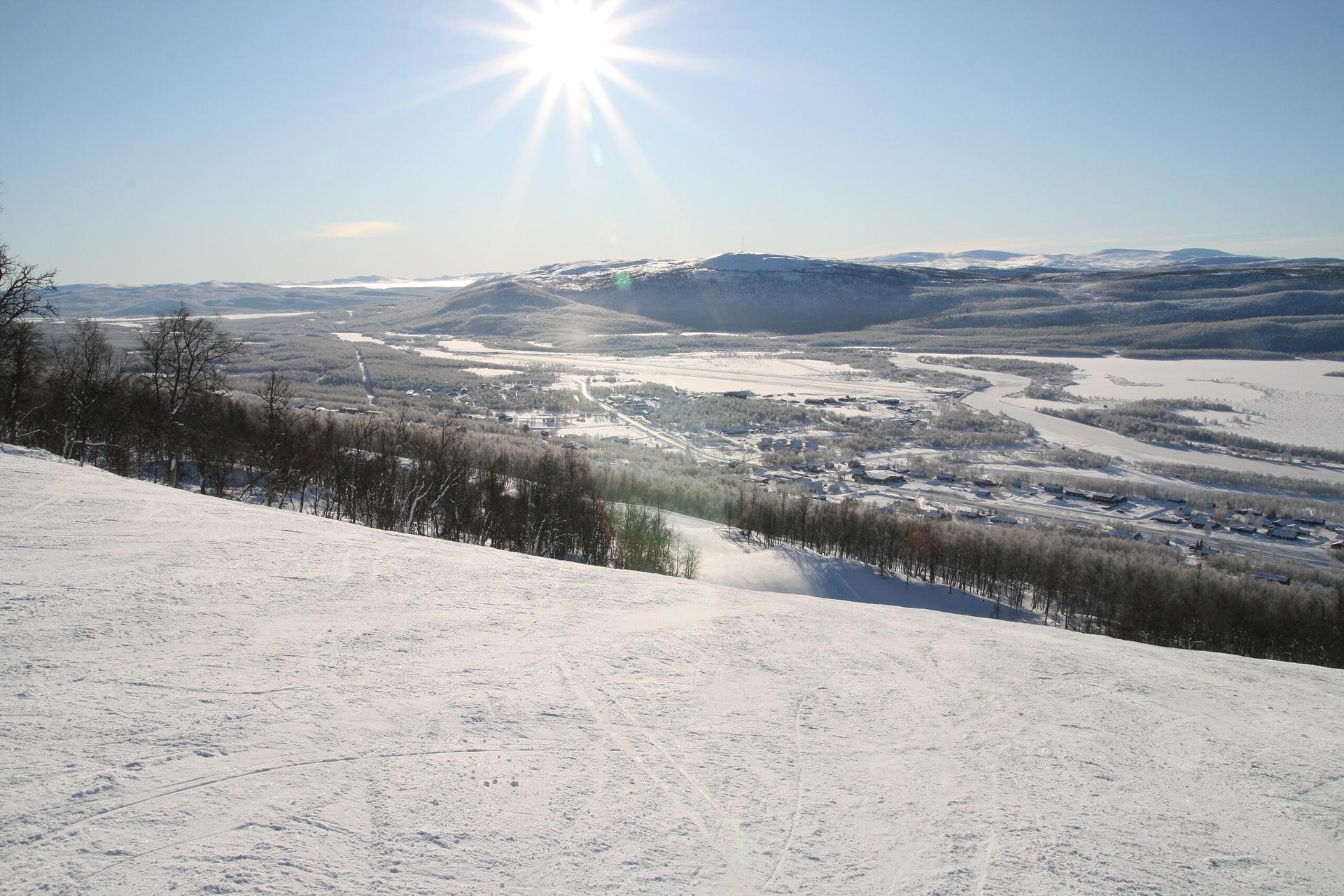
    File:Hemavan, valley from Mellanbacken.jpg - Wikimedia Commons

    More about Tarnaby

    Discover Tärnaby: Sweden's premier destination for skiing, hiking, and experiencing the unique beauty and culture of Swedish Lapland.

    Tell me more about Tarnaby
    Select Currency

    Choose the currency you want prices to display in.