

Fujairah Beach, United Arab Emirates Travel Guide
Discover the tranquility of Fujairah Beach, where pristine sands, clear waters, and the majestic Hajar Mountains offer a peaceful retreat and adventure for all.
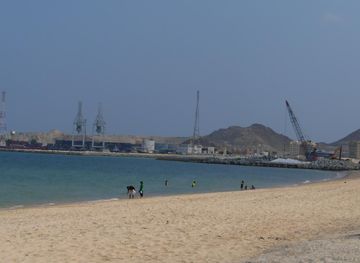
Fujairah Beach, located in the tranquil emirate of Fujairah in the United Arab Emirates, is a hidden gem for beach lovers and adventure seekers alike. Unlike the bustling beaches of Dubai, Fujairah Beach offers a peaceful retreat with its pristine sands and clear waters. The beach is framed by the majestic Hajar Mountains, providing a stunning backdrop that is perfect for photography enthusiasts. Snorkeling and diving are popular activities here, thanks to the rich marine life and coral reefs. The waters are home to a variety of colorful fish, making it a paradise for underwater explorers. For those who prefer to stay above water, kayaking and paddleboarding are great ways to enjoy the calm sea. The beach is also a great spot for a family picnic, with many shaded areas and picnic spots available. Visitors can enjoy the local cuisine at nearby restaurants, where fresh seafood is a highlight. The combination of natural beauty and a relaxed atmosphere makes Fujairah Beach a must-visit destination for anyone traveling to the UAE.

Know before you go
Hi, I'm Eve. Here are a few practical things to know before exploring Fujairah Beach.
- Visit during weekdays to avoid the crowds and enjoy a more peaceful experience.
- Bring your snorkeling gear to explore the vibrant marine life and coral reefs.
- Check local weather conditions before planning water activities for safety.
- Pack a picnic and enjoy a meal with a view in one of the shaded areas.
- Try the local seafood at nearby restaurants for an authentic culinary experience.
Explore Fujairah Beach: Things to Do, Places to Eat, Hotels & More
Handpicked recommendations for top attractions, local dining, accommodations, and more

Best attractions in Fujairah Beach
Top-rated picks
Best Attractions

Umbrella Beach
Discover the tranquil beauty of Umbrella Beach in Fujairah, where golden sands and azure waters create the perfect paradise for relaxation and adventure.

GrandSlam Charters
Experience the stunning beauty of the Arabian Gulf with GrandSlam Charters, offering unforgettable aquatic adventures and scenic tours in Fujairah.

Fishermen Beach
Experience the tranquil beauty of Fishermen Beach in Fujairah, where stunning scenery meets rich local culture and marine adventures.

شاطئ المظلات
Discover the serene beauty of Al Faseel Beach in Fujairah, where soft sands meet crystal-clear waters for a perfect getaway.

Best landmarks in Fujairah Beach
Top-rated picks
Best Landmarks

Fujairah Fort
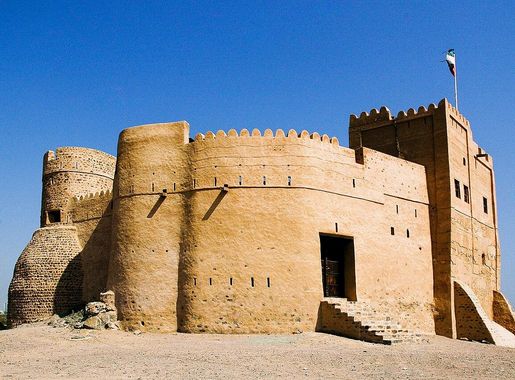
Explore Fujairah Fort, a historical gem in the UAE, showcasing centuries of architectural brilliance and cultural heritage in a stunning landscape.

Umbrella Beach
Discover the tranquility of Umbrella Beach in Fujairah, where golden sands and turquoise waters create the perfect getaway for relaxation and adventure.

Palace Beach Resort Fujairah
Discover luxury and relaxation at Palace Beach Resort Fujairah, a stunning beachfront retreat offering unparalleled amenities and breathtaking views.

Fujairah Museum
Explore the rich history and culture of the UAE at Fujairah Museum, a must-visit destination for every traveler.

Best restaurants in Fujairah Beach
Top-rated picks
Best Restaurants

Emirates Sea Restaurant - Fujairah
Discover fresh seafood delights at Emirates Sea Restaurant in Fujairah - where ocean flavors meet stunning coastal views.

Sadaf Restaurant
Experience authentic Persian cuisine in Fujairah at Sadaf Restaurant, where every dish tells a story of tradition and flavor.

Mara Lounge Restaurant - Fujairah
Experience exquisite dining at Mara Lounge Restaurant in Fujairah with stunning beach views and diverse culinary offerings.

Eat hot & drink restaurant
Experience authentic Arabic cuisine at Eat Hot & Drink Restaurant in Fujairah - where flavor meets tradition in a cozy setting.

Best bars in Fujairah Beach
Top-rated picks
Best Bars

Mara Lounge Restaurant - Fujairah
Discover the perfect blend of exquisite flavors and stunning beach views at Mara Lounge Restaurant in Fujairah.

Al Bayt at Palace Beach Resort Fujairah
Discover luxury and tranquility at Al Bayt at Palace Beach Resort Fujairah, a perfect beachside lounge for relaxation and exquisite dining.

Buhayra Lounge at Palace Beach Resort Fujairah
Discover tranquility at Buhayra Lounge, where exquisite cocktails meet breathtaking beach views in the heart of Fujairah's luxury resort.

Best nightclubs in Fujairah Beach
Top-rated picks
Best Nightclubs

Fujairah International Marine Club
Explore the Fujairah International Marine Club: Your ultimate destination for diving, fishing, and relaxing by the coast in the UAE.

Al Bayt at Palace Beach Resort Fujairah
Experience the luxury and tranquility at Al Bayt, overlooking the beautiful Fujairah coastline, where relaxation meets adventure.

Egyptian Club
Immerse yourself in the unique nightlife of Fujairah at the Egyptian Club, where vibrant music and dance await every visitor.

Buhayra Lounge at Palace Beach Resort Fujairah
Experience unrivaled luxury and breathtaking views at Buhayra Lounge in Palace Beach Resort Fujairah, your ultimate retreat for relaxation and exquisite dining.

Best shops in Fujairah Beach
Top-rated picks
Best Shops

Century Mall
Discover Century Mall, Fujairah's premier shopping destination, offering diverse retail, dining, and entertainment experiences for every visitor.

VPERFUMES - CENTURY MALL, FUJAIRAH
Discover an exquisite selection of perfumes at VPERFUMES in Fujairah's Century Mall, perfect for every fragrance lover.

Matalan Century Mall ﻣﺎﺗﻼﻥ
Explore Matalan Century Mall in Fujairah for trendy clothing and home essentials at unbeatable prices in a welcoming atmosphere.

Xpressions Style
Discover Xpressions Style in Fujairah for an exquisite range of gifts, cosmetics, and accessories in a vibrant shopping environment.

Explore Fujairah Beach on the Map
A handpicked selection of must-see spots in Fujairah Beach, mapped for you.
Fujairah Beach Essentials
-
Fujairah Beach is located in the emirate of Fujairah, United Arab Emirates. The nearest major airport is Dubai International Airport (DXB), approximately 130 kilometers away. From Dubai, you can rent a car or take a taxi to Fujairah, which typically takes around 1.5 to 2 hours by road. Alternatively, you can use the inter-city bus services operated by the Roads and Transport Authority (RTA) of Dubai, which connect Dubai to Fujairah.
-
Fujairah's public transportation options include taxis and buses. Taxis are the most convenient way to get around and are readily available throughout the city. The inter-city bus service connects Fujairah to other emirates, including Dubai and Abu Dhabi. Renting a car is also a practical option for those who wish to explore the region at their own pace. The road infrastructure is excellent, and driving is generally safe and straightforward.
-
The official currency of the United Arab Emirates is the UAE Dirham (AED). Credit and debit cards are widely accepted in hotels, restaurants, and shops. ATMs are plentiful and can be found in most areas, including near Fujairah Beach. It's advisable to carry some cash for smaller establishments and local markets, although electronic payments are increasingly common.
-
Fujairah is generally considered a very safe destination for tourists. Crime rates are low, and violent crime is rare. However, it's always wise to take standard precautions: avoid walking alone at night in unfamiliar areas, keep an eye on your belongings in crowded places, and be cautious when withdrawing cash from ATMs. There are no specific high-crime areas targeting tourists in Fujairah.
-
In case of emergency, dial 999 for police assistance and 998 for medical emergencies. Fujairah has well-equipped hospitals and clinics for medical care. It is advisable to have travel insurance that covers medical emergencies. For minor health issues, pharmacies are available throughout the city and often have English-speaking staff.
-
Fashion: Do dress modestly, particularly in public places and religious sites. Avoid wearing revealing clothing. Religion: Do respect local customs and traditions. Refrain from public displays of affection and avoid discussing sensitive topics like religion and politics. Public Transport: Do be respectful and courteous. Don’t eat or drink on public transport. Greetings: Do greet people with a handshake. A smile and a 'Salam Alaikum' (peace be upon you) are appreciated. Eating & Drinking: Do try local delicacies and accept food and drink offerings graciously. Don’t drink alcohol in public places, as it is restricted to licensed venues.
-
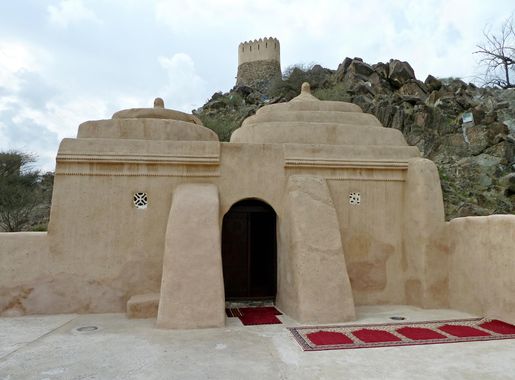
To experience Fujairah Beach like a local, visit the local fish market early in the morning for the freshest catch. Engage with the fishermen and learn about their daily routines. Explore the nearby Fujairah Fort and Al-Bidyah Mosque to delve into the region's history. Take a dhow cruise to enjoy the coastline from a traditional wooden boat. Locals are warm and welcoming, so don’t hesitate to strike up a conversation and learn more about their culture and way of life.
When is the best time to visit Fujairah Beach?
Useful Local Phrases for Fujairah Beach
You don't need to speak the language perfectly. Even learning a few simple words can make conversations warmer—and locals usually appreciate the effort.
— Eve

Here are the phrases I use most often in Fujairah Beach. Try a few—you'll be surprised how far they go! 😊
❤️
-
- HelloMarhaba
[mar-ha-ba] - GoodbyeMa'a salama
[ma-a sa-la-ma] - YesNa'am
[na-am] - NoLa
[la] - Please/You're welcomeMin fadlik
[min fad-lik] - Thank youShukran
[shuk-ran] - Excuse me/SorryAasef
[aa-sef] - How are you?Kif halak?
[keef ha-lak] - Fine. And you?Tamaam. Wa ant?
[ta-maam. wa ant] - Do you speak English?Tatakallam al ingliziya?
[ta-ta-ka-llam al in-gli-zi-ya] - I don't understandAna la afham
[a-na la af-ham]
- HelloMarhaba
-
- I'd like to see the menu, pleaseUriddu an ara al qayima, min fadlik
[u-rid-du an a-ra al qay-i-ma, min fad-lik] - I don't eat meatAna la akul lahma
[a-na la a-kul lah-ma] - Cheers!Sahtain!
[sah-tain] - I would like to pay, pleaseUriddu an adfa, min fadlik
[u-rid-du an ad-fa, min fad-lik]
- I'd like to see the menu, pleaseUriddu an ara al qayima, min fadlik
-
- Help!Musaidah!
[mu-sai-dah] - Go away!Irhal!
[ir-hal] - Call the Police!Idha annaka al shurta!
[id-ha an-na-ka al shur-ta] - Call a doctor!Idha annaka al tabib!
[id-ha an-na-ka al ta-bib] - I'm lostAnaa daa'i
[a-na daa-i] - I'm illAnaa mareed
[a-na ma-reed]
- Help!Musaidah!
-
- I'd like to buy...Uriddu an ashtar...
[u-rid-du an ash-tar] - I'm just lookingAna faqat atadabbar
[a-na fa-qat a-ta-dab-bar] - How much is it?Kam thamanuh?
[kam tha-ma-nuh] - That's too expensiveHadha ghalin jiddan
[ha-dha gha-lin jid-dan] - Can you lower the price?Hal tastatiu tahqiq althaman?
[hal tas-ta-ti-u tah-kiq al-tha-man]
- I'd like to buy...Uriddu an ashtar...
-
- What time is it?Kam as-saa?
[kam as-saa] - It's one o'clockHuwa al-wahida
[hu-wa al-wa-hi-da] - Half past (10)Nisf ba'd al 'ashara
[nisf bad al 'a-sha-ra] - MorningSabah
[sa-bah] - AfternoonDhuhr
[dhu-hr] - EveningMasaa
[ma-saa] - YesterdayAms
[ams] - TodayLyawm
[lya-wm] - TomorrowGhadan
[gha-dan] - 1Wahid
[wa-hid] - 2Ithnayn
[ith-na-yn] - 3Thalatha
[tha-la-tha] - 4Arba'a
[ar-ba-a] - 5Khamsa
[kham-sa] - 6Sitta
[sit-ta] - 7Sab'a
[sa-ba-a] - 8Thamania
[tha-ma-ni-a] - 9Tis'a
[ti-sa-a] - 10Ashara
[a-sha-ra]
- What time is it?Kam as-saa?
-
- Where's a/the...?Ayna al...
[ay-na al] - What's the address?Ma huwa al 'adresse?
[ma hu-wa al 'ad-res-se] - Can you show me (on the map)?Hal tastatiu an turini (ala al khari-ta)?
[hal tas-ta-ti-u an tu-ri-ni (ala al kha-ri-ta)] - When's the next (bus)?Mata al qadim al tali?
[ma-ta al qa-dim al ta-li] - A ticket (to ....)Taqat (ila ....)
[ta-qat (i-la)]
- Where's a/the...?Ayna al...
History of Fujairah Beach
-
Fujairah's history dates back to the Bronze Age, with evidence of early human settlements found in various archaeological sites near the beach. These early inhabitants were primarily fishermen and traders, leveraging the rich marine resources of the Gulf of Oman.
-
Constructed in the 16th century, Fujairah Fort is one of the oldest and largest castles in the UAE. Located near the beach, it served as a defensive stronghold against invading forces and played a crucial role in the region's military history.
-
In the early 16th century, Portuguese explorers arrived on the shores of Fujairah Beach, seeking to control maritime trade routes. Their brief occupation left behind remnants of fortifications and cannons, hinting at the strategic importance of the area.
-
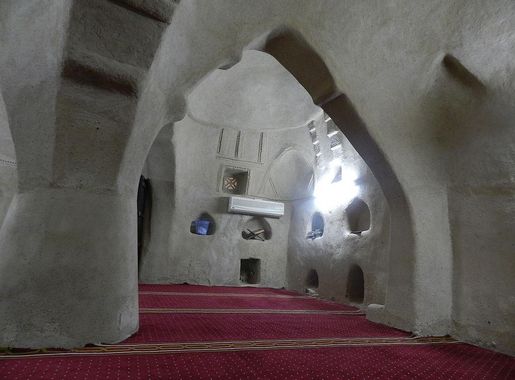
Situated close to Fujairah Beach, the Al Bidyah Mosque is the UAE's oldest mosque, dating back to 1446 AD. This historic site offers a glimpse into the religious and cultural practices of the region's early Islamic settlers.
-
During the 19th century, Fujairah, along with other Trucial States, fell under British protection. The British influence brought about significant changes in trade and governance, impacting the lives of those residing near Fujairah Beach.
-
The discovery of oil in the mid-20th century transformed Fujairah, including the areas surrounding the beach. Rapid development ensued, leading to modern infrastructure and an influx of wealth, which ultimately shaped the contemporary landscape of Fujairah Beach.
-
Today, Fujairah Beach is a bustling destination for tourists and locals alike. The area has developed into a hotspot for water sports, leisure activities, and cultural events, reflecting the region's blend of traditional heritage and modern advancements.
Neighbouring destination travel guides
Browse our curated selection of top destinations, scenic points, and must-visit spots in the area.



Your all‑in‑one travel companion app
Explore expert travel guides, compare and book tours, experiences, hotels, and more—all from the palm of your hand. Download now for seamless trip planning wherever your wanderlust takes you.


Explore More of Al Batinah Coast

Looking beyond Fujairah Beach? Discover Al Batinah Coast for broader travel guides, local hot-spots, and regional highlights.
Explore Al Batinah CoastExplore More of United Arab Emirates

Looking beyond Fujairah Beach? Discover United Arab Emirates for broader travel guides, local hot-spots, and regional highlights.
Explore United Arab EmiratesFujairah Beach in Photos
Browse through our photo collection highlighting the charm and character of the destination.





The Serene Shores of Fujairah Beach
Fujairah Beach, located in the tranquil emirate of Fujairah in the United Arab Emirates, is a hidden gem for beach lovers and adventure seekers alike. Unlike the bustling beaches of Dubai, Fujairah Beach offers a peaceful retreat with its pristine sands and clear waters. The beach is framed by the majestic Hajar Mountains, providing a stunning backdrop that is perfect for photography enthusiasts. Snorkeling and diving are popular activities here, thanks to the rich marine life and coral reefs. The waters are home to a variety of colorful fish, making it a paradise for underwater explorers. For those who prefer to stay above water, kayaking and paddleboarding are great ways to enjoy the calm sea. The beach is also a great spot for a family picnic, with many shaded areas and picnic spots available. Visitors can enjoy the local cuisine at nearby restaurants, where fresh seafood is a highlight. The combination of natural beauty and a relaxed atmosphere makes Fujairah Beach a must-visit destination for anyone traveling to the UAE.