
Sir Bani Yas Island, United Arab Emirates Travel Guide
Discover Sir Bani Yas Island in the UAE: A haven with wildlife safaris, pristine beaches, and ancient history, offering luxury and adventure for every traveler.
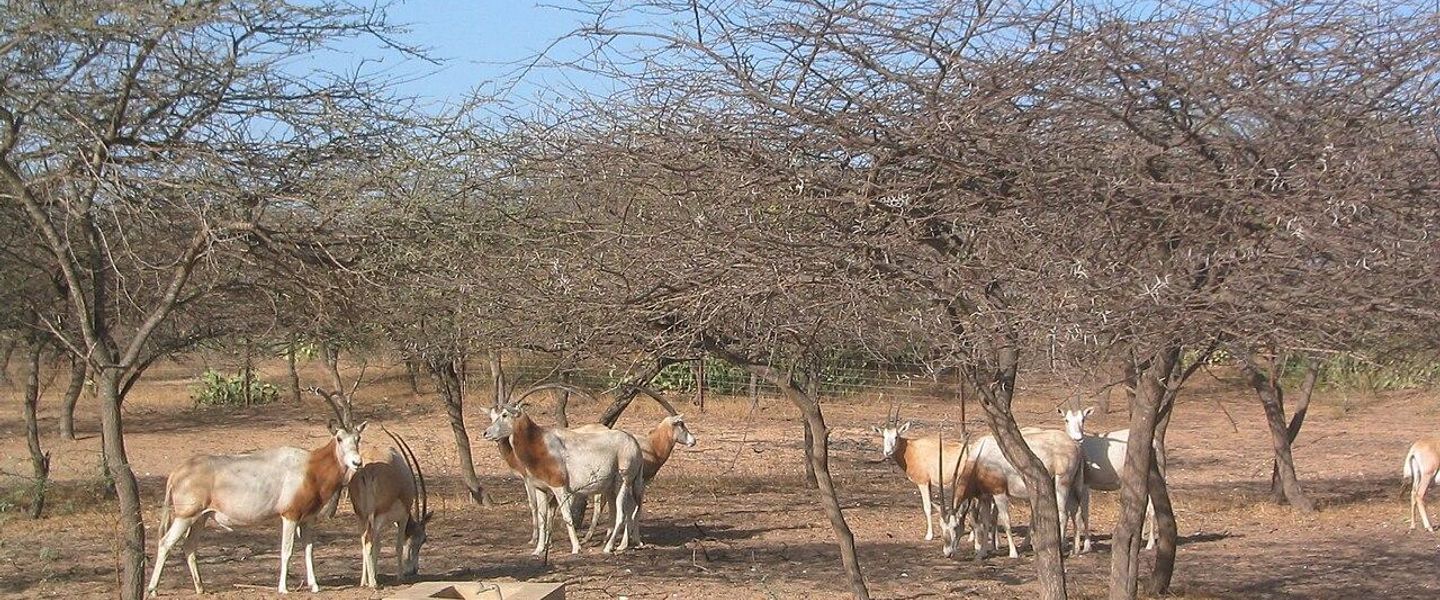
Sir Bani Yas Island is a unique blend of natural beauty and luxurious comfort in the United Arab Emirates. This island, located 170 kilometers southwest of Abu Dhabi, offers an unforgettable experience for nature lovers and adventure seekers alike. Here, you can witness over 17,000 free-roaming animals in the Arabian Wildlife Park, one of the largest wildlife reserves in the region. The park, which covers more than half of the island, is home to Arabian oryx, giraffes, cheetahs, and more. Guided tours and safaris provide an up-close view of these incredible creatures in their natural habitat. For those who prefer water activities, the island boasts pristine beaches and crystal-clear waters perfect for snorkeling, kayaking, and paddleboarding. The waters around Sir Bani Yas Island are teeming with marine life, making it an ideal spot for diving enthusiasts. Explore the vibrant coral reefs and encounter an array of colorful fish and underwater wonders. The island also offers various water sports for thrill-seekers, including jet-skiing and windsurfing. History buffs will appreciate the island's rich past, with archaeological sites dating back to the Bronze Age. Visit the ancient Christian monastery on the island, believed to be over 1,400 years old, and gain insight into the early history of the region. Luxury accommodations are available at the island's resorts, where you can relax and rejuvenate with world-class amenities, spa treatments, and fine dining options. Whether you're looking for adventure, relaxation, or a bit of both, Sir Bani Yas Island is a destination that promises a memorable and diverse experience.

Know before you go
Hi, I'm Eve. Here are a few practical things to know before exploring Sir Bani Yas Island.
- Book wildlife tours and safari experiences in advance to secure your spot.
- Visit during the cooler months (October to April) for a more comfortable experience.
- Pack sunscreen, hats, and sunglasses to protect against the strong sun.
- Consider staying at one of the island's resorts for convenient access to all activities.
- Bring a waterproof camera to capture underwater adventures.
Explore Sir Bani Yas Island: Things to Do, Places to Eat, Hotels & More
Handpicked recommendations for top attractions, local dining, accommodations, and more

Best attractions in Sir Bani Yas Island
Top-rated picks
Best Attractions

Sir Bani Yas Cruise Port
Explore Sir Bani Yas Cruise Port, a unique island destination in Abu Dhabi, where nature, wildlife, and adventure await every traveler.

Sir Bani Yas Wildlife Park
Explore Sir Bani Yas Wildlife Park, a unique wildlife refuge in the heart of Abu Dhabi, where adventure meets conservation in stunning natural landscapes.

Sir Bani Yas Cruise Ship Beach
Experience the serene beauty of Sir Bani Yas Cruise Ship Beach, a stunning destination for relaxation and adventure in Abu Dhabi's Al Dhafra region.

Sir Bani Yas Beach
Experience the tranquility and beauty of Sir Bani Yas Beach, a hidden gem in Abu Dhabi's Arabian Gulf with stunning views and abundant wildlife.

Best landmarks in Sir Bani Yas Island
Top-rated picks
Best Landmarks

Sir Baniyas Island
Experience the breathtaking beauty and rich wildlife of Sir Baniyas Island in Abu Dhabi, a perfect getaway for nature lovers and adventure seekers.

Sir Bani Yas Cruise Port
Explore the wildlife and breathtaking landscapes at Sir Bani Yas Cruise Port, an idyllic destination in Abu Dhabi, perfect for adventure and relaxation.

Sir Bani Yas Island Welcome Center
Discover the wonders of Sir Bani Yas Island at the Welcome Center, your gateway to adventure, wildlife, and stunning landscapes in Abu Dhabi.

Sir Bani Yas Wildlife Park
Experience the incredible wildlife and breathtaking landscapes at Sir Bani Yas Wildlife Park, a premier destination for nature lovers in Abu Dhabi.

Best restaurants in Sir Bani Yas Island
Top-rated picks
Best Restaurants

Amwaj Restaurant at Anantara Desert Island Resort
Experience exquisite dining at Amwaj Restaurant on Sir Bani Yas Island, where luxury meets breathtaking natural beauty.

Al Shams Restaurant & Bar
Experience authentic Arabic flavors at Al Shams Restaurant & Bar on Sir Bani Yas Island in Abu Dhabi – A culinary journey amidst stunning landscapes.

Best bars in Sir Bani Yas Island
Top-rated picks
Best Bars

Amwaj Restaurant at Anantara Desert Island Resort
Experience exquisite dining at Amwaj Restaurant, where luxury meets breathtaking desert views on Sir Bani Yas Island.

Olio Restaurant - Al Yamm Villa Resort
Discover the culinary delights of Olio Restaurant, where exquisite flavors meet breathtaking views on Sir Bani Yas Island.

Savannah Grill & Lounge - Al Sahel Villa
Experience the flavors of the world at Savannah Grill & Lounge, a culinary oasis on Sir Bani Yas Island, Abu Dhabi.

Al Shams Restaurant & Bar
Discover a culinary oasis at Al Shams Restaurant & Bar on Sir Bani Yas Island, offering exquisite dining with breathtaking views.

Best nightclubs in Sir Bani Yas Island
Top-rated picks
Best Nightclubs

Sir Bani Yas Cruise Port
Explore Sir Bani Yas Cruise Port - An Island Paradise of Wildlife, Adventure, and Scenic Beauty in Abu Dhabi.

Anantara Sir Bani Yas Island Al Yamm Villa Resort
Discover luxury and nature at Anantara Sir Bani Yas Island Al Yamm Villa Resort, where relaxation meets adventure in a stunning island setting.

Sir Bani Yas Cruise Ship Beach
Experience the perfect blend of relaxation and adventure at Sir Bani Yas Cruise Ship Beach, a stunning destination in Abu Dhabi's natural paradise.

Sir bani yas boat ride
Explore the stunning marine life and coastal beauty of Sir Bani Yas Island with a serene boat ride experience in Abu Dhabi.

Best shops in Sir Bani Yas Island
Top-rated picks
Best Shops

Sir Baniyas Island
Sir Baniyas Island: A serene escape in Abu Dhabi with wildlife adventures, stunning beaches, and rich history.

Sir Bani Yas Cruise Port
Explore the natural beauty and wildlife adventures at Sir Bani Yas Cruise Port, a premier destination in Abu Dhabi for nature lovers and eco-tourists.

Sir Bani Yas Island Ferry
Experience the scenic ferry journey to Sir Bani Yas Island, a wildlife haven in Abu Dhabi, where adventure and nature await every traveler.

Sir Bani Yas Wildlife Park
Discover the breathtaking Sir Bani Yas Wildlife Park, a national reserve teeming with wildlife and stunning landscapes in Abu Dhabi.

Explore Sir Bani Yas Island on the Map
A handpicked selection of must-see spots in Sir Bani Yas Island, mapped for you.
Sir Bani Yas Island Essentials
-
Sir Bani Yas Island is located in the Al Gharbia region of the Emirate of Abu Dhabi. The most convenient way to reach the island is by taking a flight to Abu Dhabi International Airport, which is approximately 250 kilometers away. From Abu Dhabi, you can drive to Jebel Dhanna jetty, where ferries operate regularly to Sir Bani Yas Island. The ferry ride takes about 20 minutes. Alternatively, private boat charters and seaplane services are also available for a more exclusive travel experience.
-
Once on Sir Bani Yas Island, transportation options include complimentary shuttle buses that connect various points of interest, such as hotels, the wildlife park, and historical sites. Additionally, guided tours often provide transportation within the island. For a more personalized experience, you can rent bicycles or opt for a private vehicle hire through your accommodation.
-
The official currency of the United Arab Emirates is the UAE Dirham (AED). Most hotels, restaurants, and shops on Sir Bani Yas Island accept major credit cards. However, it is advisable to carry some cash for small purchases or tips. ATMs are available at some of the larger hotels and resorts on the island.
-
Sir Bani Yas Island is generally very safe for tourists, with a low crime rate. There are no specific areas or neighborhoods with high crime rates targeting tourists. However, it is always wise to take standard precautions such as keeping an eye on personal belongings and avoiding isolated areas at night.
-
In case of emergency, dial the UAE emergency number 999 for police, medical, and fire services. Most hotels and resorts on the island have their own security and medical staff who can assist in emergencies. It is also advisable to have travel insurance that covers medical emergencies. For minor health issues, there are first aid facilities available at major hotels and resorts.
-
Fashion: Do dress modestly. While beachwear is acceptable at resort areas, modest clothing is recommended in other public spaces. Religion: Do respect local customs and traditions. Avoid public displays of affection. Public Transport: Do use the provided shuttle services and respect other passengers. Greetings: Do greet people with a polite 'hello' or 'salaam alaikum'. A handshake is appropriate in more formal settings. Eating & Drinking: Do try local and international cuisine available at the island's restaurants. Don't eat, drink, or smoke in public during the holy month of Ramadan.
-
To experience Sir Bani Yas Island like a local, participate in a wildlife safari to see the Arabian Oryx and other native species. Visit the historic Christian monastery dating back to the 7th century. Engage with the local guides and staff, who are often very knowledgeable about the island's history and natural environment. Don't miss the opportunity to try water sports such as kayaking and snorkeling, which are popular activities on the island.
When is the best time to visit Sir Bani Yas Island?
Useful Local Phrases for Sir Bani Yas Island
You don't need to speak the language perfectly. Even learning a few simple words can make conversations warmer—and locals usually appreciate the effort.
— Eve

Here are the phrases I use most often in Sir Bani Yas Island. Try a few—you'll be surprised how far they go! 😊
❤️
-
- Helloمرحبا
[Marhaba] - Goodbyeوداعا
[Wadaa'an] - Yesنعم
[Naam] - Noلا
[La] - Please/You're welcomeمن فضلك
[Min fadlik] - Thank youشكرا
[Shukran] - Excuse me/Sorryعذرا
[Aathiraa] - How are you?كيف حالك؟
[Kayf halak?] - Fine. And you?بخير. وأنت؟
[Bukhayr. Wa ant?] - Do you speak English?هل تتحدث الإنجليزية؟
[Hal tatahadath al'inglizia?] - I don't understandأنا لا أفهم
[Ana la afham]
- Helloمرحبا
-
- I'd like to see the menu, pleaseأريد أن أرى القائمة، من فضلك
[Araad an ara alqaimah, min fadlik] - I don't eat meatأنا لا آكل اللحم
[Ana la aakul allahm] - Cheers!في صحتك
[Fi s'hatik] - I would like to pay, pleaseأود أن أدفع، من فضلك
[Aawid an adfa', min fadlik]
- I'd like to see the menu, pleaseأريد أن أرى القائمة، من فضلك
-
- Help!النجدة!
[Alnajdah!] - Go away!اذهب بعيدا!
[Ithhab baeedan!] - Call the Police!اتصل بالشرطة!
[Itsal bialshurutah!] - Call a doctor!اتصل بطبيب!
[Itsal batabeeb!] - I'm lostضاعت طريقي
[Da'at tareeqi] - I'm illأنا مريض
[Ana mareed]
- Help!النجدة!
-
- I'd like to buy...أريد أن أشتري...
[Araad an ashtari...] - I'm just lookingأنا فقط أتطلع
[Ana faqat attala] - How much is it?كم سعره؟
[Kam sa'ruh?] - That's too expensiveهذا غالي جدا
[Hadha ghali jiddan] - Can you lower the price?هل يمكنك خفض السعر؟
[Hal yumkinuk khafd alsa'ar?]
- I'd like to buy...أريد أن أشتري...
-
- What time is it?كم الساعة؟
[Kam alsaa'ah?] - It's one o'clockالساعة الواحدة
[Alsaa'ah alwaahidah] - Half past (10)العاشرة والنصف
[Al'ashirah walnusf] - Morningصباح
[Sabah] - Afternoonبعد الظهر
[Ba'd alduhur] - Eveningمساء
[Masaa] - Yesterdayأمس
[Ams] - Todayاليوم
[Alyawm] - Tomorrowغدا
[Ghadan] - 1واحد
[Waahid] - 2اثنان
[Ithnaan] - 3ثلاثة
[Thalathah] - 4أربعة
[Arba'ah] - 5خمسة
[Khamsah] - 6ستة
[Sittah] - 7سبعة
[Sab'ah] - 8ثمانية
[Thamania] - 9تسعة
[Tas'ah] - 10عشرة
[Aasharah]
- What time is it?كم الساعة؟
-
- Where's a/the...?أين ...؟
[Ayna ...?] - What's the address?ما هو العنوان؟
[Ma huwa al'unnwan?] - Can you show me (on the map)?هل يمكنك أن تريني؟
[Hal yumkinuk 'an tareeni?] - When's the next (bus)?متى الحافلة القادمة؟
[Mata alhafilat alqadimah?] - A ticket (to ....)تذكرة (إلى...)
[Tazkirah (ila ...)]
- Where's a/the...?أين ...؟
History of Sir Bani Yas Island
-
Sir Bani Yas Island has a history that stretches back thousands of years. Archaeological evidence suggests that the island was inhabited as far back as the Late Stone Age. The island's strategic location in the Arabian Gulf made it a crucial stop for early maritime traders. Ancient artifacts, including tools and pottery shards, have been discovered, shedding light on the island's early inhabitants and their way of life.
-
One of the most significant historical discoveries on Sir Bani Yas Island is the remains of a 7th-century Christian monastery. This site is one of the oldest known Christian sites in the region, providing valuable insights into early Christianity in the Arabian Peninsula. The monastery includes a church, courtyard, and cells for monks, indicating a well-organized religious community. The discovery highlights the island's importance as a place of spiritual refuge during a time of religious transition in the region.
-
In the pre-oil era, Sir Bani Yas Island was part of the thriving pearling industry that dominated the Arabian Gulf. The island's waters were rich with oyster beds, and its inhabitants were skilled pearl divers. The pearling industry brought wealth and trade to the region, connecting Sir Bani Yas with other parts of the Gulf and beyond. Maritime trade routes from the island extended to India, Africa, and the Far East, making it a hub of economic activity.
-
The modern history of Sir Bani Yas Island is closely tied to the vision of Sheikh Zayed bin Sultan Al Nahyan, the founding father of the United Arab Emirates. In the 1970s, Sheikh Zayed embarked on an ambitious project to transform the island into a nature reserve. He initiated extensive greening efforts, planting millions of trees and introducing various wildlife species. His vision was to create a sustainable environment that would preserve the island's natural beauty and biodiversity for future generations.
-
Today, Sir Bani Yas Island is renowned for its wildlife sanctuary, the Arabian Wildlife Park. Covering more than half of the island, the park is home to thousands of free-roaming animals, including endangered species such as the Arabian oryx, sand gazelles, and cheetahs. The sanctuary is a testament to successful conservation efforts and offers a unique opportunity for visitors to experience the island's rich biodiversity. Guided tours and safari experiences provide an immersive way to explore the island's natural wonders.
-
Sir Bani Yas Island also celebrates the cultural heritage of the region through various initiatives and attractions. The island hosts traditional Emirati cultural experiences, including falconry displays, camel treks, and demonstrations of Bedouin crafts. These activities provide visitors with a deeper understanding of the island's cultural roots and the enduring traditions of the Emirati people. Additionally, the island's archaeological sites are preserved and presented to the public, offering a tangible connection to its storied past.
Neighbouring destination travel guides
Browse our curated selection of top destinations, scenic points, and must-visit spots in the area.


Your all‑in‑one travel companion app
Explore expert travel guides, compare and book tours, experiences, hotels, and more—all from the palm of your hand. Download now for seamless trip planning wherever your wanderlust takes you.


Explore More of Western Region (Al Dhafra)
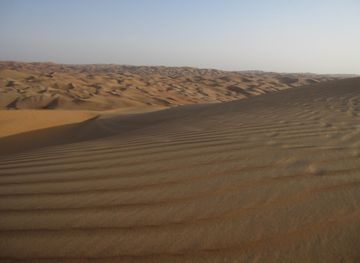
Looking beyond Sir Bani Yas Island? Discover Western Region (Al Dhafra) for broader travel guides, local hot-spots, and regional highlights.
Explore Western Region (Al Dhafra)Explore More of United Arab Emirates

Looking beyond Sir Bani Yas Island? Discover United Arab Emirates for broader travel guides, local hot-spots, and regional highlights.
Explore United Arab EmiratesSir Bani Yas Island in Photos
Browse through our photo collection highlighting the charm and character of the destination.

Sir Bani Yas Island: A Desert Oasis of Adventure and Luxury
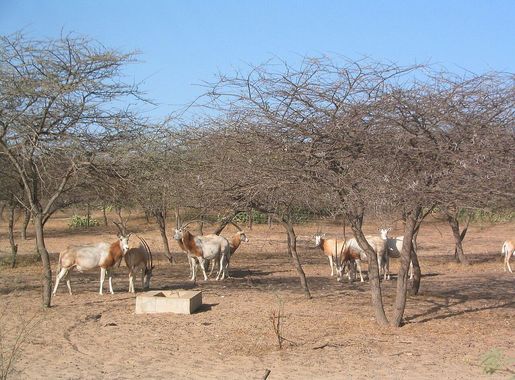
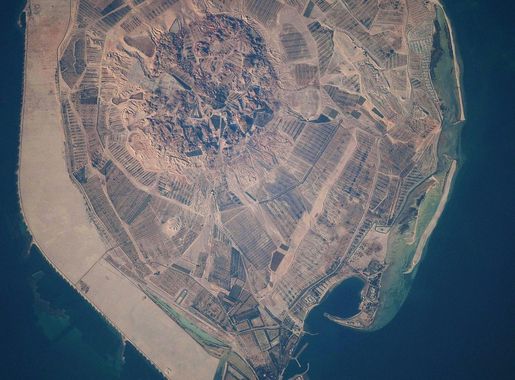
Sir Bani Yas Island is a unique blend of natural beauty and luxurious comfort in the United Arab Emirates. This island, located 170 kilometers southwest of Abu Dhabi, offers an unforgettable experience for nature lovers and adventure seekers alike. Here, you can witness over 17,000 free-roaming animals in the Arabian Wildlife Park, one of the largest wildlife reserves in the region. The park, which covers more than half of the island, is home to Arabian oryx, giraffes, cheetahs, and more. Guided tours and safaris provide an up-close view of these incredible creatures in their natural habitat. For those who prefer water activities, the island boasts pristine beaches and crystal-clear waters perfect for snorkeling, kayaking, and paddleboarding. The waters around Sir Bani Yas Island are teeming with marine life, making it an ideal spot for diving enthusiasts. Explore the vibrant coral reefs and encounter an array of colorful fish and underwater wonders. The island also offers various water sports for thrill-seekers, including jet-skiing and windsurfing. History buffs will appreciate the island's rich past, with archaeological sites dating back to the Bronze Age. Visit the ancient Christian monastery on the island, believed to be over 1,400 years old, and gain insight into the early history of the region. Luxury accommodations are available at the island's resorts, where you can relax and rejuvenate with world-class amenities, spa treatments, and fine dining options. Whether you're looking for adventure, relaxation, or a bit of both, Sir Bani Yas Island is a destination that promises a memorable and diverse experience.