Discover the Enchantment of Dunnydeer Castle
Explore Dunnydeer Castle, a historic site in Insch, offering stunning views and a glimpse into Scotland's medieval past amidst beautiful natural landscapes.
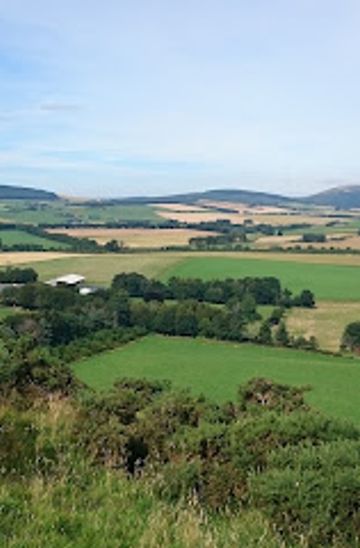
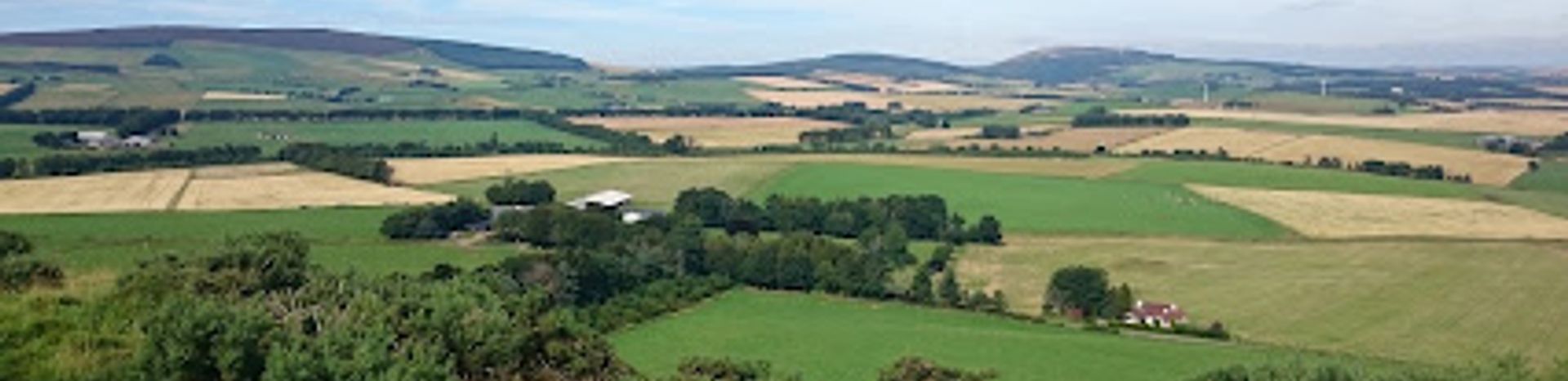
Nestled in the picturesque landscapes of Insch, Dunnydeer Castle offers a glimpse into Scotland's rich history. This charming castle, though in ruins, captivates visitors with its stunning views and tranquil surroundings, making it a must-visit for history enthusiasts and nature lovers alike.
A brief summary to Dunnydeer Castle
- Insch, AB52 6LN, GB

Know before you go
Hi, I'm Eve. Here are a few practical things to know before exploring Dunnydeer Castle.
- Wear sturdy shoes for the walk up to the castle as the path can be steep and uneven.
- Visit during sunrise or sunset for breathtaking views and excellent photo opportunities.
- Bring a picnic to enjoy on the grounds while soaking in the peaceful atmosphere.
- Check local weather conditions before your visit, as the area can be quite windy.
Do you manage this location?
Take control to get all the benefits, like improved information, better appearance, and stronger visibility across AI-powered discovery. Learn more
Activate your presence
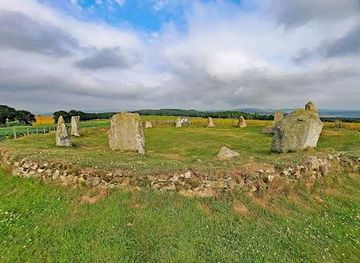
Getting There
-
Car
From Insch, drive south on the A96 towards Aberdeen. After 3 miles, take the exit for the A920 towards Insch. Continue on the A920 for about 1 mile until you reach a junction. Turn left onto Western Road and follow it until you see the sign for Dunnydeer Castle. There will be a small parking area near the castle entrance.
-
Public Transport
From Insch train station, take the bus service 37 towards Inverurie. Get off at the stop near Western Road (approximately 10 minutes). From there, it is a short walk uphill to Dunnydeer Castle. Follow the path that leads to the castle ruins, and you will enjoy the scenic views along the way.
-
Walking
If you are in Insch town center, you can walk to Dunnydeer Castle. Head south on Main Street until you reach the A96. Cross the road and then take the path leading up towards Western Road. Follow the path for about 20 minutes, and you will arrive at Dunnydeer Castle. Enjoy the beautiful countryside views during your walk.
Discover more about Dunnydeer Castle
Explore the best of what Dunnydeer Castle has to offer













More about Aberdeenshire
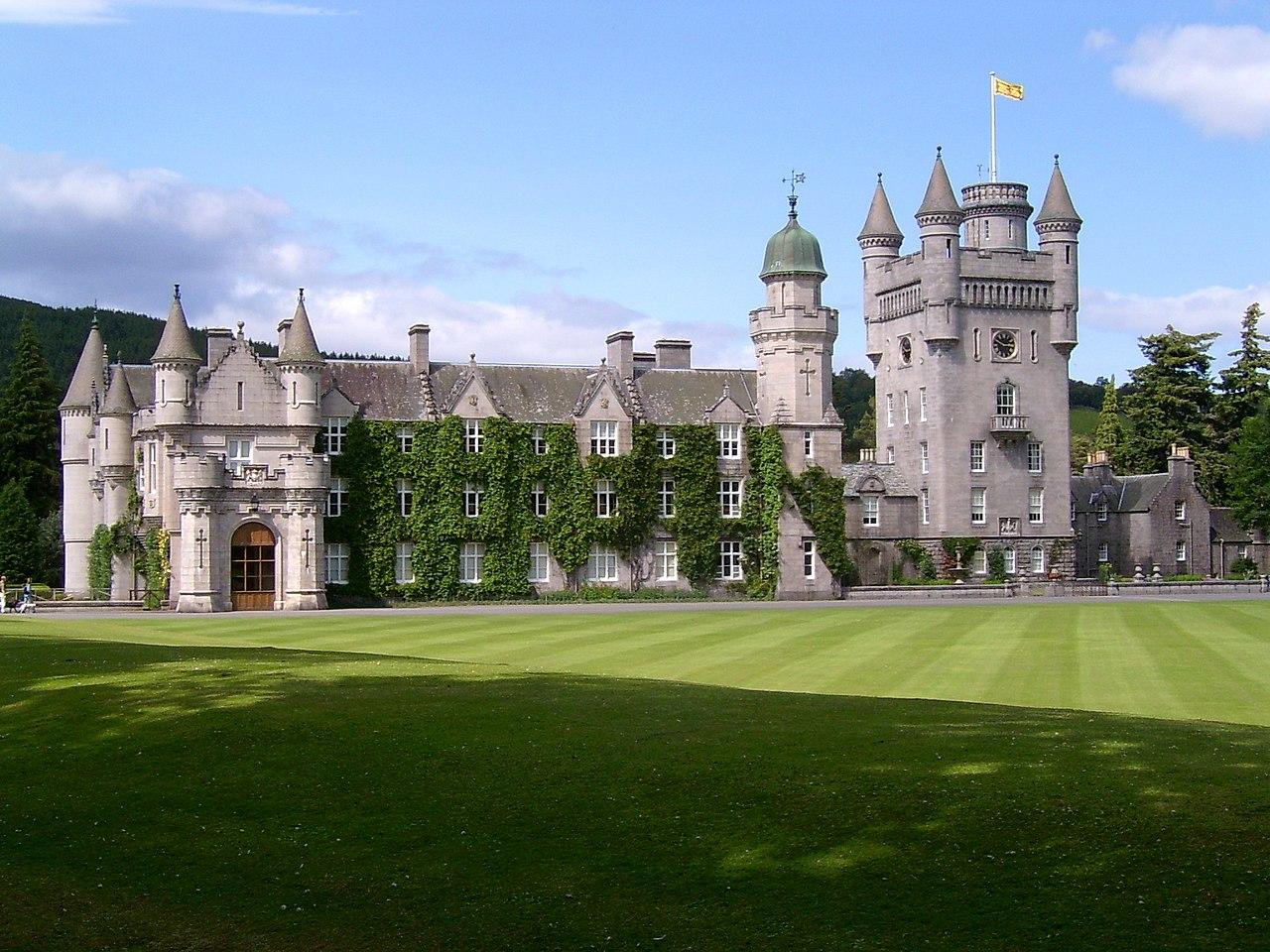
Discover Aberdeenshire: A land of castles, coastlines, and culinary delights in the heart of Scotland's stunning scenery.
Tell me more about Aberdeenshire
Experience authentic Scottish Highland cattle farming, premium beef, and immersive farm tours in the heart of Aberdeenshire countryside.

Explore Scotland’s rich motoring past at Grampian Transport Museum, a family-friendly seasonal attraction in scenic Aberdeenshire.