Corgarff Castle, Aberdeenshire Travel Guide
A remote 16th-century fortress in the Cairngorms, Corgarff Castle reveals Scotland’s fierce clan battles, Jacobite struggles, and whisky smuggling tales.
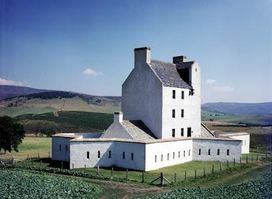
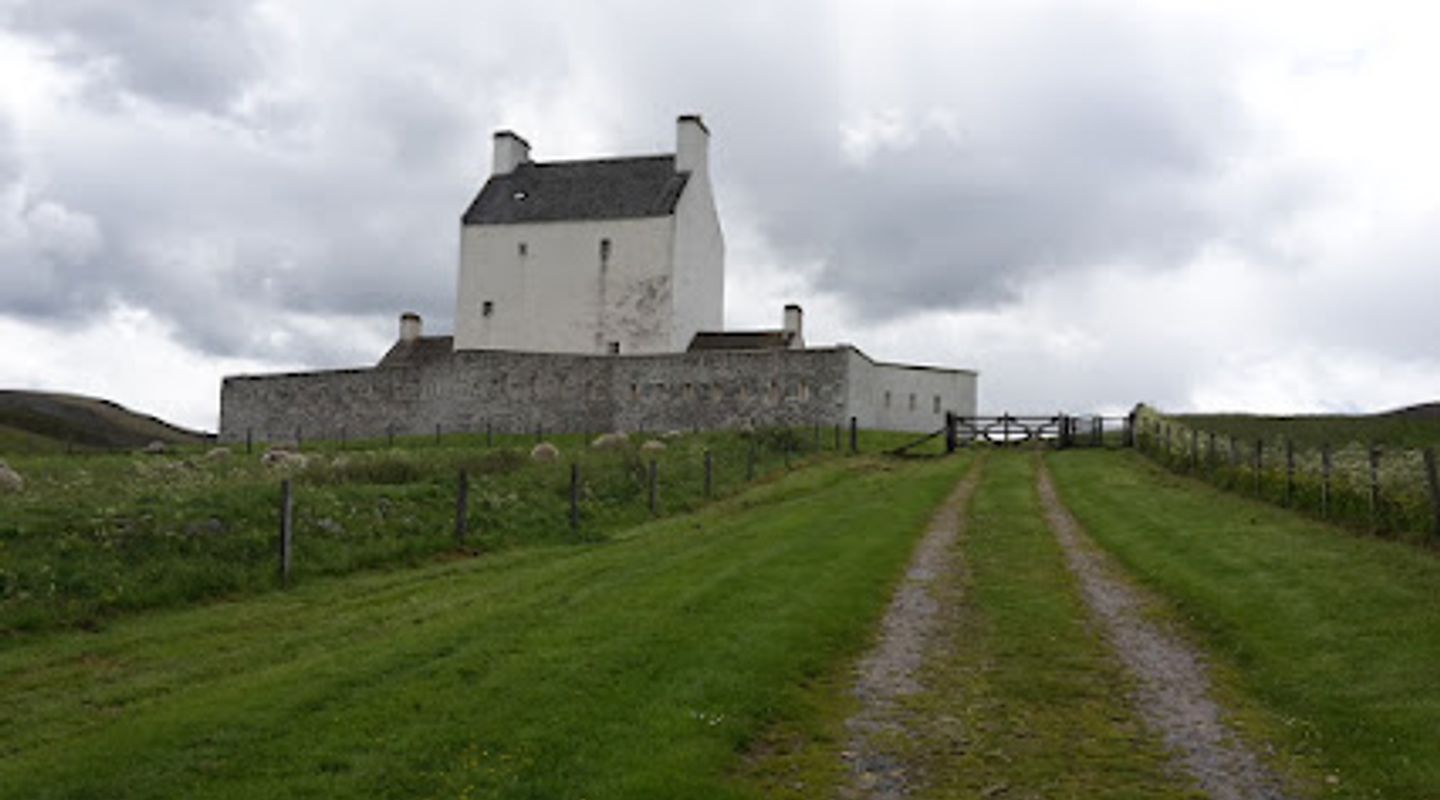
Corgarff Castle is a striking 16th-century tower house nestled in the wild Cairngorms near Strathdon, Aberdeenshire. Originally built by the Forbes family, it witnessed brutal clan feuds, Jacobite risings, and later served as a government barracks to suppress rebellion and whisky smuggling. Its distinctive star-shaped fortifications and remote setting offer a glimpse into Scotland’s turbulent past amid stunning Highland scenery.
A brief summary to Corgarff Castle
- 8m, on the A939, W of, Strathdon, AB36 8YP, GB
- Click to display
- Click to display
- Duration: 0.5 to 1.5 hours
- Mid ranged
-
 Outdoor
- Mobile reception: 3 out of 5
- Wednesday 10 am-4:30 pm
- Thursday 10 am-4:30 pm
- Friday 10 am-4:30 pm
- Saturday 10 am-4:30 pm
- Sunday 10 am-4:30 pm

Know before you go
Hi, I'm Eve. Here are a few practical things to know before exploring Corgarff Castle.
- Visit between April and September when the castle is open, as it closes in winter months.
- Wear sturdy footwear for the 350m walk from the car park to the castle entrance.
- Bring a camera with a zoom lens to capture the castle’s dramatic setting and nesting swifts.
- Note there are no toilet facilities on site, so plan accordingly.
Do you manage this location?
Take control to get all the benefits, like improved information, better appearance, and stronger visibility across AI-powered discovery. Learn more about listing your business on Evendo
Activate your presenceOther nearby places you may find interesting
The closest places of the same kind, if this one is not quite what you had in mind.
Explore Corgarff Castle on the Map
A handpicked selection of must-see spots near Corgarff Castle, mapped for you.
Getting There
-
Car
Driving from Aberdeen to Corgarff Castle takes approximately 1 hour 45 minutes via the A944 and A939. Parking is available near the castle, but expect a 350-meter walk on uneven terrain to reach the entrance. No parking fees apply.
-
Bus
Local bus services run from Aberdeen to Strathdon, with travel times around 2 to 2.5 hours. From Strathdon, taxi services are recommended for the 15 km journey to Corgarff Castle due to limited public transport options. Bus frequency is limited, so plan ahead.
-
Walking
For adventurous hikers, the castle is accessible via trails through the Cairngorms National Park, but expect physically demanding terrain and variable weather. The final approach includes a 350-meter walk from the car park over uneven ground.
For the on-the-go comforts that matter to you
-
 Information Boards
-
 Seating Areas
-
 Trash Bins
Discover more about Corgarff Castle
Origins and Early Clan Conflicts
Corgarff Castle was constructed around 1550 by the Forbes family of Towie as a fortified tower house, typical of Scottish noble residences of the era. The castle initially comprised a vaulted hall, private chambers, and was surrounded by a courtyard with ancillary buildings like stables and a bakehouse. Its remote location at the head of Strathdon made it strategically important, guarding the route between Deeside and Speyside.The castle’s early history is marked by violent clan feuds, most notably between the Forbeses and the Gordons. In 1571, Adam Gordon of Auchindoun attacked the castle when the Forbes men were away. Margaret Forbes, the laird’s wife, famously refused to surrender and shot one of Gordon’s men. In retaliation, Gordon’s men set the castle ablaze, killing Margaret and 27 others inside. This tragic event inspired the Scottish ballad “Edom o Gordon,” embedding Corgarff in local lore.Military Significance Through the Centuries
After periods of abandonment and repair, Corgarff Castle played a role in several key historical conflicts. In 1645, it served as a mustering point for the Marquis of Montrose during the Civil War. The castle was burned again in 1689 and 1716 by Jacobite supporters to prevent its use by government forces. Following the failed Jacobite rising of 1715, it was burned by government troops and later returned to the Forbes family.In 1746, during the last Jacobite uprising, the castle was used as an arms store by Jacobite forces. Government troops surprised the garrison, and after the Battle of Culloden, the castle was converted into a barracks by the British army. The interior was gutted and modified to house officers and soldiers, while the courtyard buildings were replaced by two pavilions and a distinctive star-shaped defensive wall with musket loops, giving the castle its unique silhouette.From Barracks to Whisky Watchtower
The castle remained a military post until 1831, its soldiers tasked with suppressing Jacobite sympathizers and later combating illegal whisky distilling and smuggling in the Highlands. The west pavilion still houses a small whisky still from this period, reflecting its role in enforcing excise laws.After military abandonment, Corgarff became part of the Delnadamph estate until 1961, when it was passed into state care and is now managed by Historic Environment Scotland. The castle’s preservation allows visitors to explore a rare example of a Scottish tower house transformed into a military fortification.Setting and Visitor Experience
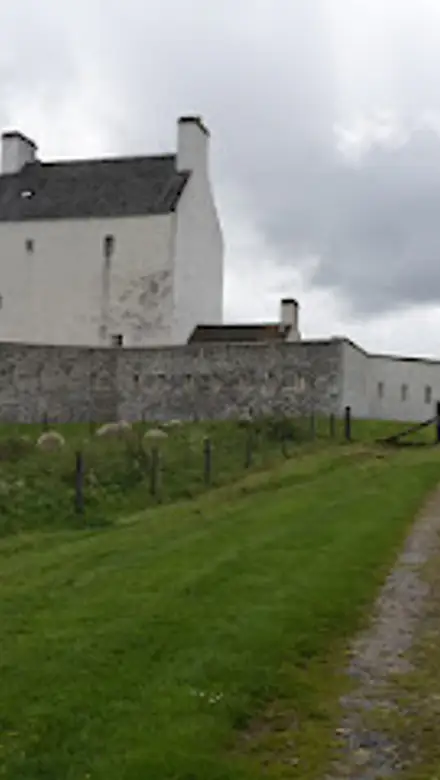
Set in the tranquil and rugged Cairngorms National Park, Corgarff Castle is surrounded by expansive Highland landscapes. Its remote location on the A939 offers panoramic views of the surrounding hills and moorland. The castle’s whitewashed walls and star-shaped fortifications create a striking contrast against the natural backdrop, especially evocative in winter snows.Visitors can explore the castle’s interior, including the barracks modifications and pavilions, with informative storyboards detailing its complex history. The west pavilion is wheelchair accessible, providing inclusive access to part of the site. While there are no toilet facilities on-site, the castle visit typically lasts about an hour, rewarding history enthusiasts and photographers alike.Legacy and Cultural Significance
Corgarff Castle stands as a poignant symbol of Scotland’s turbulent history — from clan rivalries and civil wars to Jacobite rebellions and government control. Its layered past, marked by tragedy and resilience, offers a window into the social and political upheavals that shaped the Highlands. The castle’s haunting story, dramatic architecture, and stunning setting continue to captivate visitors, preserving the memory of those who lived, fought, and died within its walls.












Your all‑in‑one travel companion app
Explore expert travel guides, compare and book tours, experiences, hotels, and more—all from the palm of your hand. Download now for seamless trip planning wherever your wanderlust takes you.


Explore More of Aberdeenshire
Looking beyond Corgarff Castle? Discover Aberdeenshire for broader travel guides, local hot-spots, and regional highlights.
Explore Aberdeenshire