Ribblehead Viaduct Travel Guide
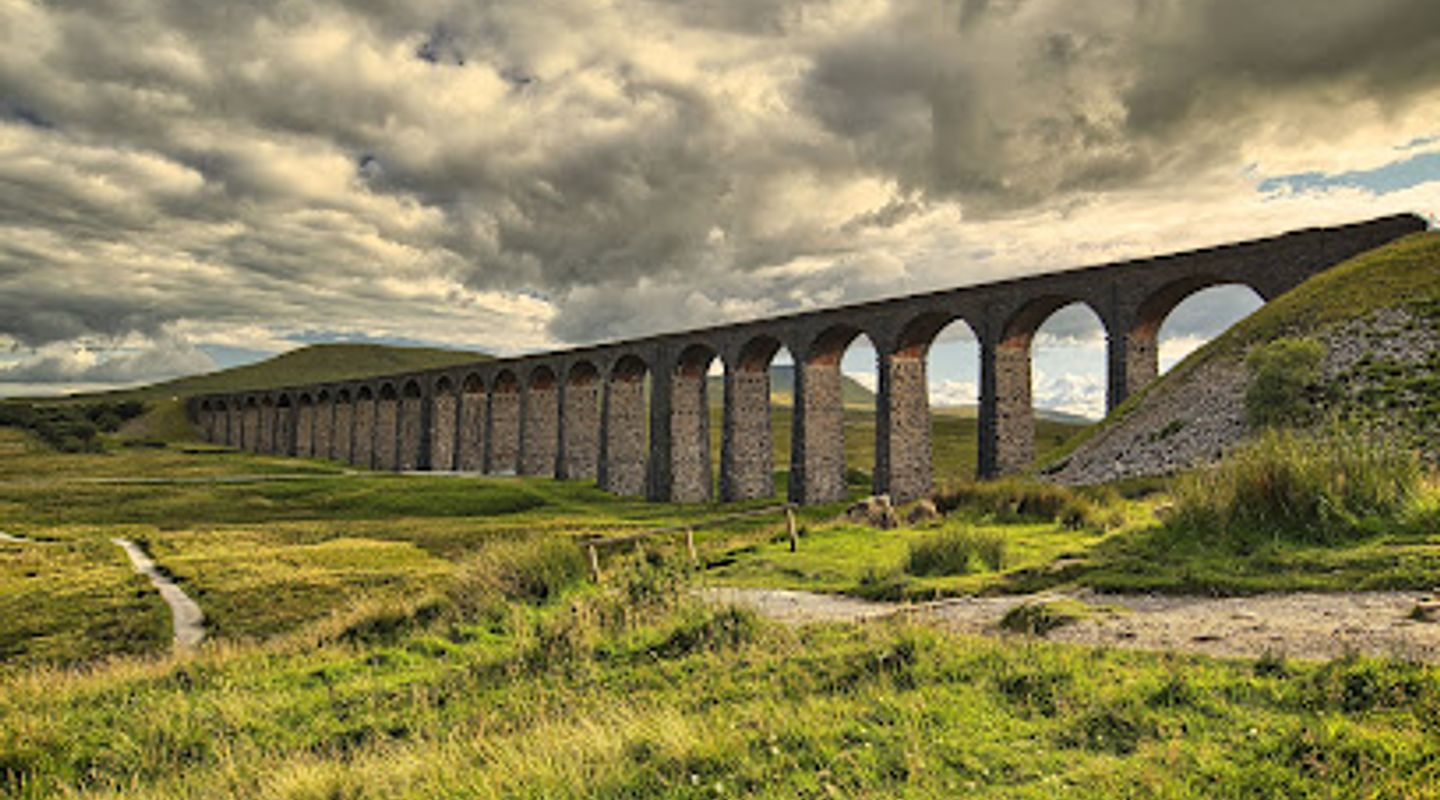
Free Guide: Experience the awe-inspiring Ribblehead Viaduct, a Victorian masterpiece set against the wild beauty of the Yorkshire Dales moorland.


A brief summary of Ribblehead Viaduct
Experience the awe-inspiring Ribblehead Viaduct, a Victorian masterpiece set against the wild beauty of the Yorkshire Dales moorland.
On-site amenities
 Restrooms
 Drink options
 Food options
 Seating areas
 Information boards
 Visitor centre
Opening hours
- Every dayOpen 24 hours
Opening hours as listed on the venue’s Google Business Profile. Hours can change for services and special events, so check with the venue before you go.
- Address
- Low Sleights Rd, Carnforth LA6 3AU
- Website
Getting there
Train
Car
Bus
Discover more about Ribblehead Viaduct
Engineering Marvel of the Victorian Era
The Ribblehead Viaduct is an iconic railway structure completed in 1874, designed by John Sydney Crossley for the Midland Railway. Stretching 440 yards with 24 stone arches towering up to 104 feet above the Ribble Valley, it is a testament to Victorian engineering prowess. Constructed by over 2,000 workers known as 'navvies,' the project was perilous, with many lives lost due to accidents, harsh conditions, and disease. A shantytown once housed these workers, and remnants of their camps and graves remain near the site, underscoring the human cost behind this monumental achievement.
Setting Amidst Yorkshire’s Rugged Landscape
Nestled in the remote, windswept moorland of the Yorkshire Dales, the viaduct commands breathtaking views of the surrounding countryside, including the famed Three Peaks: Pen-y-ghent, Ingleborough, and Whernside. The landscape is a mix of bleak, boggy terrain and rolling hills, inhabited by sheep and dotted with historic ruins. The open plain exposes visitors to the elements, with chilly winds and expansive skies that evoke a sense of solitude and grandeur.
Visitor Experience and Trails
Accessing the viaduct involves a gentle 5 to 10-minute walk along well-maintained gravel paths from nearby parking or Ribblehead Station. Visitors can walk underneath the arches, appreciating the scale and craftsmanship up close. A popular hike includes ascending a nearby hillside along the Whernside Trail for panoramic views of the viaduct and moorland, especially spectacular at sunrise or sunset. Informational plaques at the site provide historical context, and the nearby Ribblehead Visitor Centre offers exhibits and a café for refreshments.
Living Heritage and Active Railway
The viaduct remains a vital part of the Settle-Carlisle railway line, with several daily trains crossing its arches, including the famous steam services that add a touch of nostalgia. The nearby Blea Moor signal box and the 1.5-mile Blea Moor tunnel are additional railway landmarks of interest. The viaduct is a scheduled ancient monument, preserving both its architectural significance and the memory of those who built it.
Local Culture and Commemoration
The region honors the navvies through memorials at local churches and the preservation of workers’ campsites. The names of these camps, such as Belgravia and Sebastopol, reflect historical events like the Crimean War. Nearby villages and pubs provide a warm welcome to visitors, offering a chance to relax and reflect on the site’s rich history after exploring the moors.
Seasonal and Practical Considerations
The open moorland setting means weather can be unpredictable; layering clothing and wearing sturdy footwear are advisable. The paths are accessible year-round, thanks to recent improvements, but the exposed location can be chilly and windy. The site offers free parking near the viaduct and is reachable by train, making it accessible to a wide range of visitors.
Evendo Review Centre
 Google
Guest reviews
Best time to go
Quietest: Jan, Feb & Dec · at 1am or at 2am or at 3am
Busy times are Evendo estimates for a typical year, to help you plan. Actual crowds vary with events, school holidays and the weather.
Explore Ribblehead Viaduct on the map
A handpicked selection of must-see spots near Ribblehead Viaduct, mapped for you.
Get your free copy of our complete guide to Ribblehead Viaduct, delivered straight to you.
Everything on this page, from opening hours and how to get there to Eve’s tips and the best time to go, in one PDF you can read offline, print or share.
Already have an account? Sign in
Your Ribblehead Viaduct guide is ready.
We'll send it to · Not you? Sign out

Getting your guide ready…
We are putting together a fresh copy of the Ribblehead Viaduct guide. This can take up to a minute.
This can take a few moments. If your browser asks, choose Allow so the download can start. You'll find the guide in your Downloads folder.
Nothing happened? Download it again
Sorry, the guide is taking longer than usual. Please try again in a minute, or get it by email instead.
Unlock the best of Ribblehead Viaduct
Skip-the-line tickets, guided tours with entry, and walking tours of the area, booked in a few clicks.
 Tour with entry
LIVERPOOL: Yorkshire Adventure - Sightseeing Day Trip Tour
from $74.20 Tour with entry
FROM CHESTER: Yorkshire Adventure - Sightseeing Day Trip Tour
from $74.20 Tour with entry
The Dales and Bronte Country Small-Group Tour from Manchester
from $74.73 Tour with entry
MANCHESTER: Yorkshire Adventure - Sightseeing Day Trip Tour
from $86.77

Other nearby places you may find interesting
The closest places of the same kind, if this one is not quite what you had in mind.
-
-
-
-
-


Swipe for more places
More to explore near Ribblehead Viaduct

 Best experiences near Ribblehead Viaduct
 Best hotels near Ribblehead Viaduct
 Best landmarks near Ribblehead Viaduct
 Best attractions near Ribblehead Viaduct
 Best shops near Ribblehead Viaduct
 Best restaurants near Ribblehead Viaduct
 Best bars near Ribblehead Viaduct
Do you manage this location?
Take control to get all the benefits, like improved information, better appearance, and stronger visibility across AI-powered discovery.