Slains Castle, Banffshire Travel Guide
Perched on windswept cliffs, Slains Castle’s haunting ruins inspired Dracula and echo centuries of Scottish history and legend.
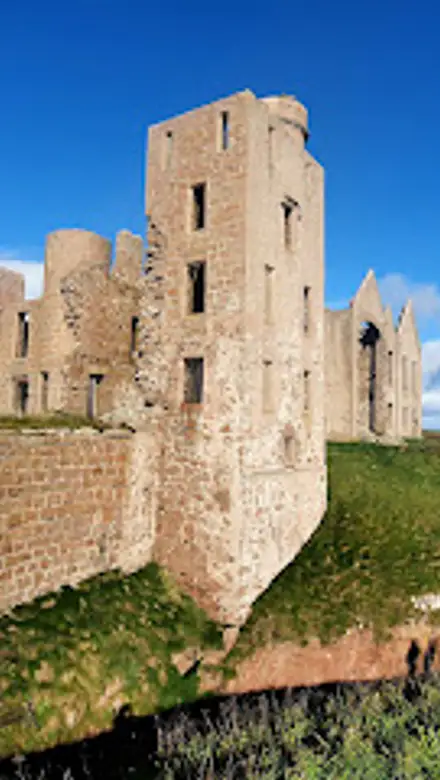
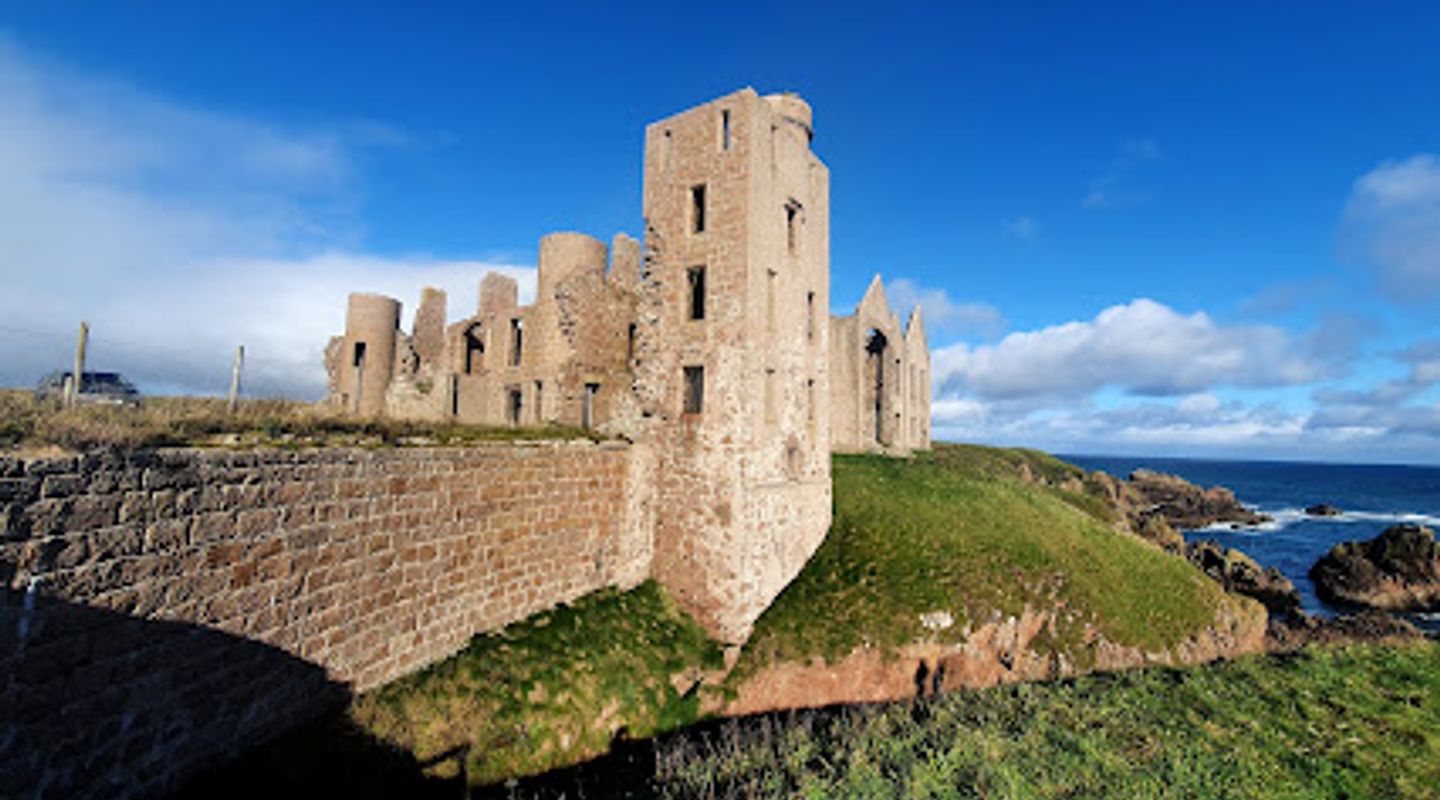
Slains Castle, perched on the cliffs of Cruden Bay near Peterhead, is a striking ruin with origins dating back to the 16th century. Built by the Earl of Erroll after the destruction of Old Slains Castle, it evolved through centuries of expansions and architectural transformations. The castle’s dramatic cliff-top setting inspired Bram Stoker’s Dracula and hosted notable historical figures. Though roofless since 1925, its evocative remains and storied past make it a captivating Scottish landmark.
A brief summary to Slains Castle
- A975, Peterhead, Cruden Bay, AB42 0NE, GB
- Click to display
- Click to display
- Duration: 1 to 3 hours
- Free
-
 Outdoor
- Mobile reception: 4 out of 5

Know before you go
Hi, I'm Eve. Here are a few practical things to know before exploring Slains Castle.
- Stay on marked paths and keep away from cliff edges; the site is exposed and can be dangerous.
- Visit during daylight hours to fully appreciate the dramatic coastal views and castle details.
- Bring sturdy footwear for uneven terrain around the ruins and nearby coastal walks.
- Explore the surrounding Cruden Bay area to learn more about the castle’s historical context.
Do you manage this location?
Take control to get all the benefits, like improved information, better appearance, and stronger visibility across AI-powered discovery. Learn more about listing your business on Evendo
Activate your presenceOther nearby places you may find interesting
The closest places of the same kind, if this one is not quite what you had in mind.
Explore Slains Castle on the Map
A handpicked selection of must-see spots near Slains Castle, mapped for you.
Unlock the Best of Slains Castle
Buy tickets
-
No tickets available
Book tours with entry

Book tours without entry
-
No tours available
Getting There
-
Bus
Take the Stagecoach bus service from Peterhead to Cruden Bay, which runs several times daily and takes approximately 30-40 minutes. From Cruden Bay, the castle is a 15-minute walk along minor roads and footpaths. Bus fares typically range from £3 to £6 one way.
-
Car
Driving from Aberdeen or Peterhead, allow 40-60 minutes via the A90 and A975 roads. Parking is available near Cruden Bay village, but there is no designated parking at the castle itself. The final approach involves walking on uneven terrain, so suitable footwear is recommended.
-
Walking
For experienced walkers, a scenic 2-3 hour coastal walk from Cruden Bay village to Slains Castle offers stunning sea views. The path includes some uneven and potentially slippery sections, so it is best suited for those with good fitness and proper footwear.
For the on-the-go comforts that matter to you
-
 Restrooms
-
 Drink Options
-
 Food Options
-
 Seating Areas
-
 Information Boards
Discover more about Slains Castle
Origins and Early History of Slains Castle
Slains Castle’s story begins with Old Slains Castle, a 13th-century fortress near Collieston, destroyed in 1594 by King James VI after the Earl of Erroll supported a rebellion. Following exile and reconciliation with the king, the Earl abandoned the original site and established a new tower house around 1597 at Bowness, near Cruden Bay. This structure formed the core of what became New Slains Castle, marking a fresh chapter in the Hay family’s legacy.Architectural Evolution and Expansions
The castle underwent significant changes over the centuries. In 1664, wings were extended and a corridor enclosed the courtyard, transforming the layout into a four-sided palace. The 1707 renovations introduced a grand entrance with a large bow window overlooking the North Sea. The most extensive remodeling occurred in 1836 under architect John Smith, who gave the castle a Scots Baronial style with granite facings, lending it a romantic, almost fairy-tale appearance. The castle also featured extensive gardens designed in the late 19th century by landscape architect T. H. Mawson.Historical Significance and Notable Residents
Slains Castle was a seat of the powerful Clan Hay, Earls of Erroll, for over 300 years. It witnessed political intrigue, including Jacobite connections and military intelligence activities. The castle hosted distinguished visitors such as Dr Samuel Johnson and James Boswell in 1773, and in the 19th century, it became a fashionable retreat for celebrities and nobility. The 18th Earl’s marriage to Lady Elizabeth FitzClarence, daughter of King William IV, further elevated its social standing.Literary Inspiration and Cultural Legacy
The castle’s dramatic cliff-top setting and gothic ruins inspired Bram Stoker during his stays in the Cruden Bay area. The octagonal hall and maze-like layout are believed to have influenced the depiction of Count Dracula’s castle. Its rugged coastal views, stormy seas, and eerie atmosphere have cemented Slains Castle’s place in literary and popular culture, even appearing as a filming location for the TV series The Crown.Decline and Preservation Efforts
Financial difficulties and death duties forced the sale of Slains Castle in 1916. The new owner removed the roof in 1925 to avoid taxes, leading to rapid decay. Despite its ruinous state, the castle remains an imposing landmark. It has been granted listed status by Historic Environment Scotland, ensuring recognition of its architectural and historic importance. Although no active restoration is underway, proposals for redevelopment have been discussed but not realized.Visitor Experience and Atmosphere Today
Today, visitors encounter a hauntingly beautiful ruin perched on cliffs with sweeping views over the North Sea. The site exudes a gothic charm, enhanced by local legends of ghosts and the presence of crows. The castle’s mixture of medieval masonry and 19th-century granite facings tells a layered story of Scotland’s turbulent history and architectural evolution. Caution is advised near cliff edges, but the evocative atmosphere rewards those who explore this iconic Scottish ruin.












Your all‑in‑one travel companion app
Explore expert travel guides, compare and book tours, experiences, hotels, and more—all from the palm of your hand. Download now for seamless trip planning wherever your wanderlust takes you.


Explore More of Banffshire
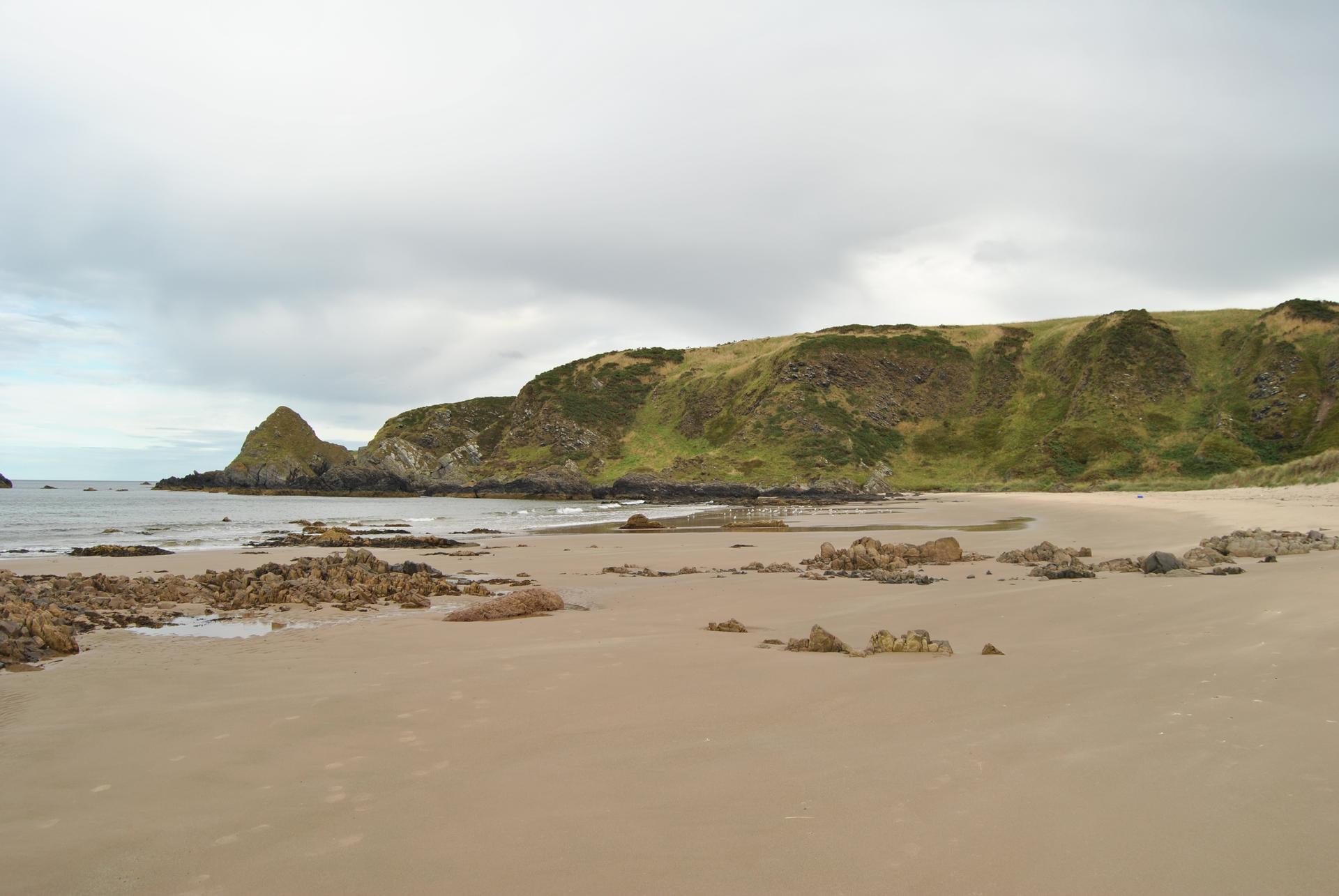
Looking beyond Slains Castle? Discover Banffshire for broader travel guides, local hot-spots, and regional highlights.
Explore Banffshire
Explore centuries of North East Scotland’s heritage through the UNESCO-recognized archives housed in historic Old Aberdeen.

Explore a breathtaking 30-meter deep collapsed sea cave and vibrant seabird sanctuary along Aberdeenshire’s rugged northeast coast.