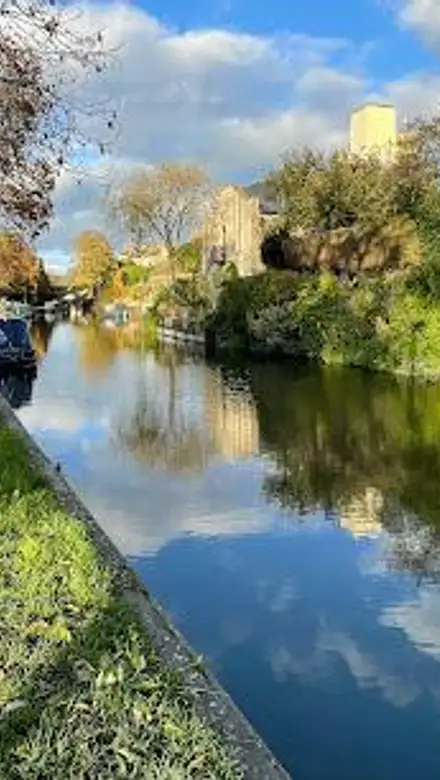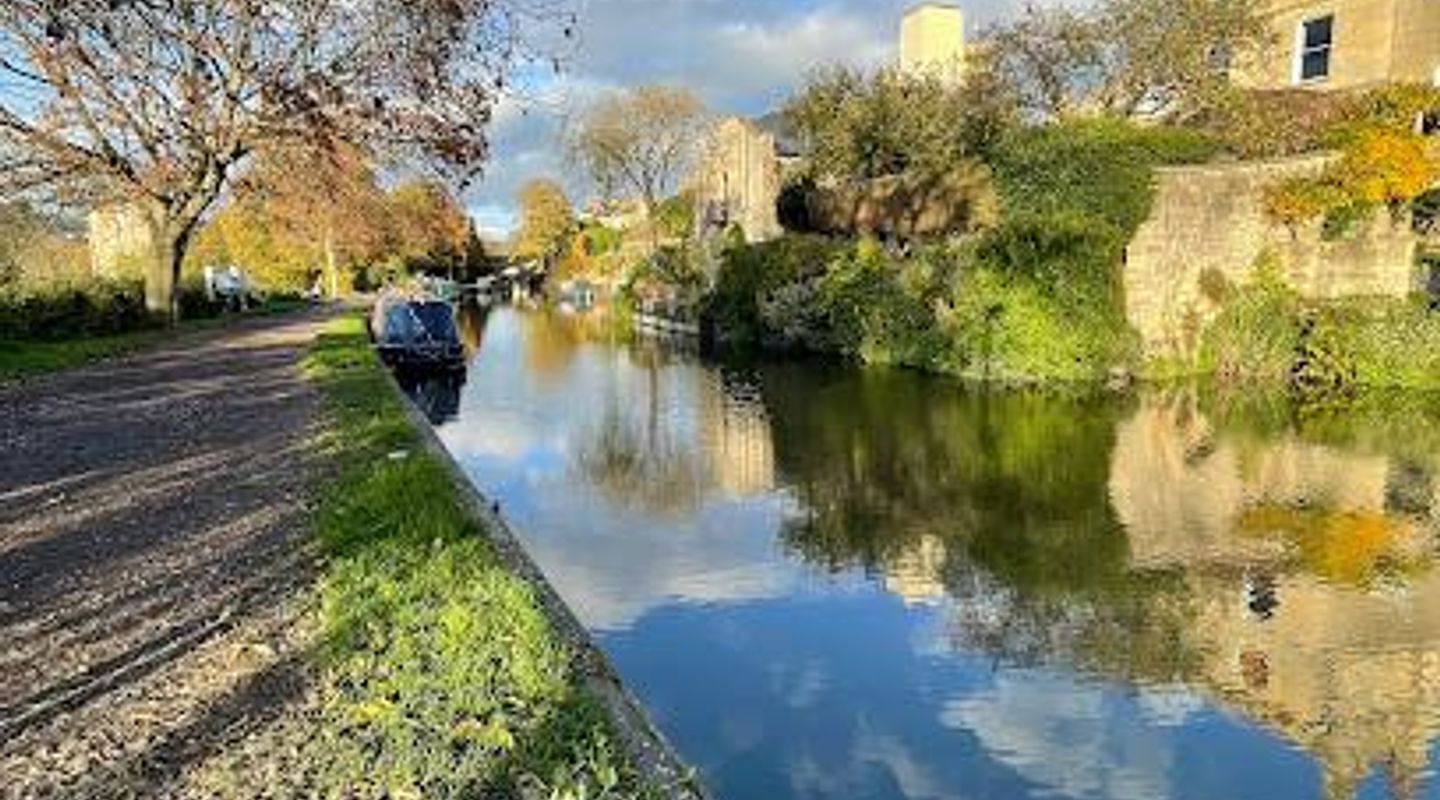
Kennet and Avon Canal, Wiltshire Travel Guide
Historic 57-mile canal linking London and Bristol, famed for engineering feats and scenic towpaths through southern England.
The Kennet and Avon Canal is a 57-mile historic waterway in southern England, linking the River Thames at Reading with the River Avon at Bristol. Constructed between 1794 and 1810, it was a vital industrial artery transporting coal, agricultural goods, and other cargo during the 19th century. Today, the canal offers scenic towpaths for walking and boating, featuring iconic engineering feats like the Caen Hill Locks and the Crofton Pumping Station.
A brief summary to Kennet and Avon Canal
- GB
- Duration: 1 to 6 hours
- Free
-
 Outdoor
- Mobile reception: 4 out of 5

Know before you go
Hi, I'm Eve. Here are a few practical things to know before exploring Kennet and Avon Canal.
- Explore the Caen Hill Locks near Devizes, a remarkable flight of 16 locks that is a highlight of the canal.
- Visit the Crofton Pumping Station to see the original steam-powered beam engines still operating.
- Walk or cycle along the towpath for peaceful views and easy access to historic towns like Newbury and Bradford-on-Avon.
- Look out for traditional narrowboats and horse-drawn barges that offer a glimpse into the canal’s working past.
Do you manage this location?
Take control to get all the benefits, like improved information, better appearance, and stronger visibility across AI-powered discovery. Learn more about listing your business on Evendo
Activate your presenceOther nearby places you may find interesting
The closest places of the same kind, if this one is not quite what you had in mind.
Explore Kennet and Avon Canal on the Map
A handpicked selection of must-see spots near Kennet and Avon Canal, mapped for you.
Unlock the Best of Kennet and Avon Canal
Buy tickets
-
No tickets available
Book tours with entry


Book tours without entry

Getting There
-
Train and Walk
Arrive by train at Newbury station, which is well connected to London and other regional hubs. From the station, a 20-30 minute walk along the towpath leads you to scenic sections of the canal. Trains run frequently with ticket prices ranging from £15 to £40 depending on the origin.
-
Car Access and Parking
Drive to towns along the canal such as Devizes or Bradford-on-Avon, where public car parks are available within 5-10 minutes’ walk of the towpath. Parking fees typically range from £3 to £7 for a day. Note that some sections have limited parking and narrow roads.
-
Bus Service
Local bus services connect towns along the canal route, including Newbury, Hungerford, and Bath. Buses run every 30-60 minutes with fares around £3-£6 per trip. Check local timetables as frequency may reduce on weekends and holidays.
For the on-the-go comforts that matter to you
-
 Restrooms
-
 Drink Options
-
 Food Options
-
 Seating Areas
-
 Information Boards
Discover more about Kennet and Avon Canal
Engineering Marvel of the Industrial Age
The Kennet and Avon Canal was constructed over 16 years from 1794 to 1810, designed to connect the navigable River Thames at Reading to the River Avon at Bristol. This 57-mile canal was engineered by John Rennie, a prominent Scottish civil engineer, who introduced innovative solutions such as the wide canal dimensions to accommodate 60-ton barges, and the use of steam-powered beam engines at Crofton Pumping Station to supply water to the summit pound. The canal's construction involved overcoming challenging terrain, including the building of the spectacular Caen Hill flight of 16 locks near Devizes, and two large aqueducts that carried the canal over river valleys, showcasing advanced engineering for its time.Vital Commercial Route and Economic Impact
During the 19th century, the canal flourished as a crucial trade route, transporting coal from Wales and Somerset, agricultural produce, timber, and other goods between London, Reading, Bath, and Bristol. It played a significant role in the industrial economy, linking inland towns and enabling the movement of heavy cargoes more efficiently than road transport. The canal also connected with other waterways, such as the Somerset Coal Canal and the Wilts and Berks Canal, expanding its commercial reach. However, the advent of the Great Western Railway in the mid-19th century led to a decline in commercial traffic, and by the early 20th century, the canal had fallen into disrepair.Revival and Recreational Use
After decades of neglect, the Kennet and Avon Canal has been restored and is now a popular destination for leisure boating, walking, and cycling. The towpath runs alongside the canal through picturesque countryside and historic towns including Newbury, Hungerford, Devizes, Bradford-on-Avon, and Bath. Visitors can enjoy tranquil waters, traditional narrowboats, and horse-drawn barges, as well as engineering landmarks like swing bridges and brick locks. The canal environment supports diverse wildlife and offers a peaceful escape into nature, with well-maintained paths suitable for all abilities.Cultural and Historical Significance
The canal is a testament to the canal mania era of late 18th-century Britain, reflecting the ambition and ingenuity of its engineers and builders. It was authorized by the Kennet and Avon Canal Act of 1794 and managed by district committees that awarded contracts primarily to local firms, contributing to the regional economy. The canal's history is intertwined with industrial heritage, including the brass and copper industries near Swineford Lock and the coal trade that fueled urban growth. Today, it is celebrated for its heritage value and is part of the cultural landscape of southern England.Natural Beauty and Walking Opportunities
The canal's towpath offers nearly 95 miles of gentle walking routes along flat, well-maintained paths, passing through rolling countryside, woodlands, and historic villages. Popular walking stages include routes from Newbury westwards to Kintbury and beyond, with opportunities to explore nearby landmarks such as the Crofton Pumping Station and the Caen Hill Locks. The canal walk is accessible year-round and provides a serene setting for nature lovers, photographers, and history enthusiasts alike.Continuing Legacy and Community Engagement
The Kennet and Avon Canal remains a cherished waterway maintained by dedicated trusts and volunteers who preserve its heritage and promote sustainable use. It supports wildlife habitats and encourages eco-friendly recreation. The canal also hosts events and educational programs that celebrate its history and environment, ensuring its legacy endures for future generations to enjoy.












Your all‑in‑one travel companion app
Explore expert travel guides, compare and book tours, experiences, hotels, and more—all from the palm of your hand. Download now for seamless trip planning wherever your wanderlust takes you.


Explore More of Wiltshire
Looking beyond Kennet and Avon Canal? Discover Wiltshire for broader travel guides, local hot-spots, and regional highlights.
Explore Wiltshire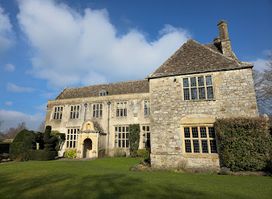
Explore a historic 16th-century manor and stunning gardens nestled within the world’s largest Neolithic stone circle in Wiltshire.

Discover 500,000 years of Wiltshire’s history through stunning archaeological treasures and immersive galleries in the heart of Devizes.