Shaftesbury Square, Belfast Travel Guide
A historic and bustling junction in Belfast where Victorian heritage meets vibrant modern city life.
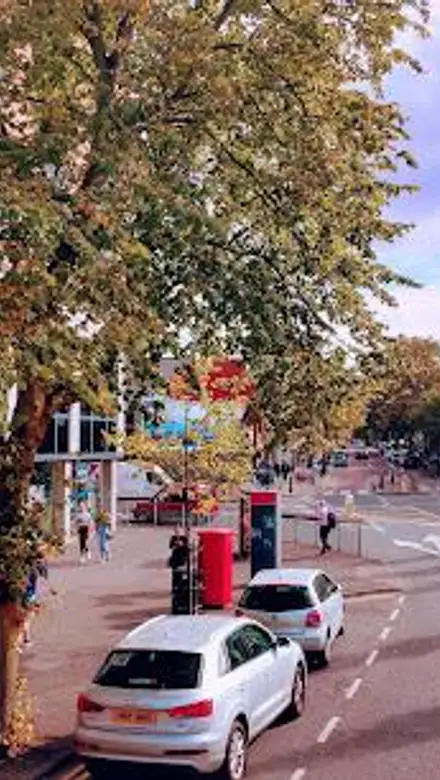
Shaftesbury Square is a major and historic road junction in Belfast, Northern Ireland, first recorded in 1887. Named after the Earl of Shaftesbury, it connects key city arteries including Great Victoria Street and Dublin Road. The square is a vibrant meeting place surrounded by a blend of Victorian and modern architecture, reflecting Belfast’s rich cultural and urban evolution. It is a focal point for transport, commerce, and social life in the city.
A brief summary to Shaftesbury Square
- Belfast, GB
- Duration: 0.5 to 2 hours
- Free
-
 Outdoor
- Mobile reception: 4 out of 5

Know before you go
Hi, I'm Eve. Here are a few practical things to know before exploring Shaftesbury Square.
- Visit nearby Queen’s University to appreciate the iconic Lanyon Building’s architecture.
- Explore the local eateries and hospitality venues along the nearby 'Golden Mile'.
- Look out for public art installations, including works by Dame Elisabeth Frink formerly at Ulster Bank.
Do you manage this location?
Take control to get all the benefits, like improved information, better appearance, and stronger visibility across AI-powered discovery. Learn more about listing your business on Evendo
Activate your presenceOther nearby places you may find interesting
The closest places of the same kind, if this one is not quite what you had in mind.
Explore Shaftesbury Square on the Map
A handpicked selection of must-see spots near Shaftesbury Square, mapped for you.
Unlock the Best of Shaftesbury Square
Buy tickets
-
No tickets available
Book tours with entry
-
No tours available


Getting There
-
Public Bus
Several Metro buses serve routes passing through Shaftesbury Square, connecting it to Belfast city center and suburbs. Typical travel times from Belfast City Hall range from 10 to 15 minutes. Tickets cost approximately £2.50–£3.50 per journey. Services run frequently throughout the day but reduce in frequency late evenings and Sundays.
-
Taxi
Taxis from Belfast city center to Shaftesbury Square take around 5 to 10 minutes depending on traffic. Fares typically range from £6 to £10. Taxis are readily available but can be subject to surge pricing during peak hours or events.
-
Walking
From Belfast City Hall, walking to Shaftesbury Square takes about 20 to 25 minutes along mostly flat, paved urban streets. The route is accessible for wheelchairs and strollers, passing through vibrant city neighborhoods.
For the on-the-go comforts that matter to you
-
 Seating Areas
-
 Information Boards
-
 Restrooms
-
 Drink Options
-
 Food Options
Discover more about Shaftesbury Square
Origins and Naming of Shaftesbury Square
Shaftesbury Square was first documented in 1887, named in honor of the Earl of Shaftesbury, who served as Lord Lieutenant of Belfast from 1904 to 1911. The square’s name commemorates his influence and connection to the city. Historically, the area developed as a key urban intersection linking several important streets, including Great Victoria Street and Dublin Road, making it a vital part of Belfast’s cityscape.Urban Layout and Transport Significance
The square functions as a major road junction where multiple thoroughfares converge, such as Donegall Pass, Botanic Avenue, Bradbury Place, and Donegall Road. This makes it a critical hub for vehicular and pedestrian movement within Belfast. Its strategic location near the University Road and the so-called 'Golden Mile' highlights its importance as a gateway to hospitality venues, hotels, and eateries, blending convenience with vibrant city life.Cultural and Architectural Context
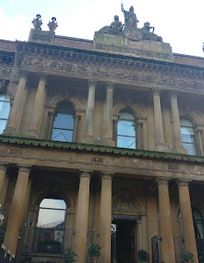
Surrounding Shaftesbury Square is a mix of historic Victorian buildings alongside contemporary structures, reflecting Belfast’s layered architectural heritage. Notably, the area has connections to significant cultural landmarks such as Queen’s University’s Lanyon Building and the nearby Ulster Museum. Public art has also featured prominently, including the famous 'Airborne Men' sculptures by Dame Elisabeth Frink, originally installed on the Ulster Bank building at Shaftesbury Square.Social and Commercial Atmosphere
Shaftesbury Square is known for its lively atmosphere, serving as a meeting place and social focal point. The blend of historic charm and modern amenities attracts locals and visitors alike. Its proximity to entertainment venues, restaurants, and shops enhances its role as a vibrant urban space where commerce and culture intersect.Historical Layers and Local Significance
The square’s history is intertwined with Belfast’s broader urban development during the Victorian era and beyond. Its evolution from a transport junction to a social and commercial hub mirrors the city’s growth. The naming after the Earl of Shaftesbury also reflects the historical ties between local aristocracy and urban governance, adding a layer of heritage to the site.Contemporary Relevance and Preservation
Today, Shaftesbury Square remains a vital part of Belfast’s urban fabric, balancing its historic significance with modern functionality. Conservation efforts around public art and architecture ensure the square retains its cultural resonance, while ongoing urban activity keeps it dynamic and relevant to city life.












Your all‑in‑one travel companion app
Explore expert travel guides, compare and book tours, experiences, hotels, and more—all from the palm of your hand. Download now for seamless trip planning wherever your wanderlust takes you.


Explore More of Belfast
Looking beyond Shaftesbury Square? Discover Belfast for broader travel guides, local hot-spots, and regional highlights.
Explore Belfast