

Queen Victoria - Equestrian Statue, Lancashire Travel Guide
A majestic equestrian statue of Queen Victoria graces Lime Street, blending artistic detail and historical legacy in Liverpool’s vibrant heart.
The Queen Victoria Equestrian Statue on Lime Street in Liverpool is a distinguished sculpture depicting a young Queen Victoria riding side-saddle. Positioned prominently near St George’s Hall and Liverpool Lime Street Station, this statue combines artistic detail with historical significance, celebrating the monarch’s legacy in a vibrant city setting.
A brief summary to Queen Victoria - Equestrian Statue
- Lime St, Liverpool, L1 1JE, GB
- Click to display
- Duration: 0.25 to 1 hours
- Free
-
 Outdoor
- Mobile reception: 4 out of 5

Know before you go
Hi, I'm Eve. Here are a few practical things to know before exploring Queen Victoria - Equestrian Statue.
- Visit early in the day to enjoy the statue with fewer crowds and softer natural light for photography.
- Explore nearby landmarks like St George’s Hall and Liverpool Lime Street Station to enrich your historical experience.
- Take time to observe the intricate details of the statue, including the embroidered crown and ceremonial saddle-blanket.
- Use the seating areas around Lime Street to relax and soak in the lively urban atmosphere.
Do you manage this location?
Take control to get all the benefits, like improved information, better appearance, and stronger visibility across AI-powered discovery. Learn more about listing your business on Evendo
Activate your presenceOther nearby places you may find interesting
The closest places of the same kind, if this one is not quite what you had in mind.
Explore Queen Victoria - Equestrian Statue on the Map
A handpicked selection of must-see spots near Queen Victoria - Equestrian Statue, mapped for you.
Unlock the Best of Queen Victoria - Equestrian Statue
Buy tickets
-
No tickets available
Book tours with entry

Book tours without entry
-
No tours available
Getting There
-
Train
Liverpool Lime Street Station is the nearest major railway hub, with frequent services from across the UK including London, Manchester, and Birmingham. The station is a 5-minute walk from the statue. Tickets range from £10 to £60 depending on route and booking time.
-
Bus
Multiple local bus routes serve Lime Street and Derby Square, with stops within a 3-minute walk of the statue. Buses run every 10-20 minutes during the day. Single fares typically cost £2 to £4.
-
Taxi
Taxis are readily available around Liverpool city centre. A ride from Liverpool One or the waterfront to Lime Street takes about 5-10 minutes, costing approximately £5 to £10 depending on traffic.
-
Walking
If staying nearby, walking to the statue is straightforward on mostly flat, paved streets. From Liverpool ONE shopping centre, it takes about 15 minutes on well-lit, accessible routes.
For the on-the-go comforts that matter to you
-
 Seating Areas
-
 Trash Bins
-
 Information Boards
Discover more about Queen Victoria - Equestrian Statue
An Iconic Tribute to Queen Victoria
The Queen Victoria Equestrian Statue stands as a striking tribute to one of Britain’s longest-reigning monarchs, capturing her youthful elegance and regal poise. Sculpted with meticulous attention to detail, the statue portrays Victoria riding side-saddle, wearing a richly plumed hat and the St. George’s riband sash, symbolic of her royal stature. The ceremonial saddle-blanket and the delicate embroidery on her crown highlight the craftsmanship that brings this historic figure to life. The statue’s dynamic portrayal of the horse, full of impatient action, adds a sense of movement and vitality to the monument.Historical Context and Artistic Significance
Commissioned to complement the equestrian statue of Prince Albert, this statue was created by Thomas Thornycroft and unveiled in the 19th century. It occupies a prominent place on Lime Street, directly opposite St George’s Hall, a neoclassical architectural masterpiece. The statue’s location is historically resonant, situated in an area rich with Liverpool’s heritage and cultural landmarks. This placement underscores the importance of Queen Victoria’s reign to the city’s identity and history.Lime Street: A Historic Urban Landscape
Lime Street itself is one of Liverpool’s oldest and most significant thoroughfares, laid out in 1790. It is renowned for its impressive architecture, including the grand Liverpool Lime Street Railway Station and the majestic St George’s Hall. The street bustles with life, lined with theatres, pubs, cafes, and shopping venues, making the statue a focal point amid a vibrant urban environment. The juxtaposition of historical monuments and modern amenities reflects Liverpool’s blend of tradition and contemporary culture.Artistic Details and Symbolism
The statue’s fine details invite close observation: the riding crop’s handle held by Queen Victoria, the voluminous drape of her skirt, and the horse’s expressive stance all contribute to the sculpture’s lifelike quality. The statue not only honors Victoria’s monarchy but also serves as a symbol of the city’s respect for its historical figures and artistic heritage. Its verdigris patina adds character, marking the passage of time while enhancing its visual appeal.Surrounding Cultural Significance
Nearby, other statues and monuments enrich the area’s cultural tapestry, including those of Prince Albert and prominent political figures. The statue’s proximity to Lime Street Station, a key transport hub, ensures it is one of the first historic sights visitors encounter, framing their introduction to Liverpool’s rich past. The statue and its surroundings form part of a broader narrative celebrating Liverpool’s role in British history and its architectural grandeur.Preservation and Public Engagement
While the statue has faced challenges such as weathering and occasional vandalism, it remains a cherished landmark. Efforts to maintain and protect this artwork reflect Liverpool’s commitment to preserving its cultural assets. The statue continues to inspire both locals and visitors, offering a tangible connection to the Victorian era and the city’s enduring heritage.More to explore near Queen Victoria - Equestrian Statue
-

Best experiences near Queen Victoria - Equestrian Statue
-

Best hotels near Queen Victoria - Equestrian Statue
-

Best landmarks near Queen Victoria - Equestrian Statue
-

Best shops near Queen Victoria - Equestrian Statue
-

Best restaurants near Queen Victoria - Equestrian Statue
-

Best bars near Queen Victoria - Equestrian Statue







Your all‑in‑one travel companion app
Explore expert travel guides, compare and book tours, experiences, hotels, and more—all from the palm of your hand. Download now for seamless trip planning wherever your wanderlust takes you.


Explore More of Lancashire
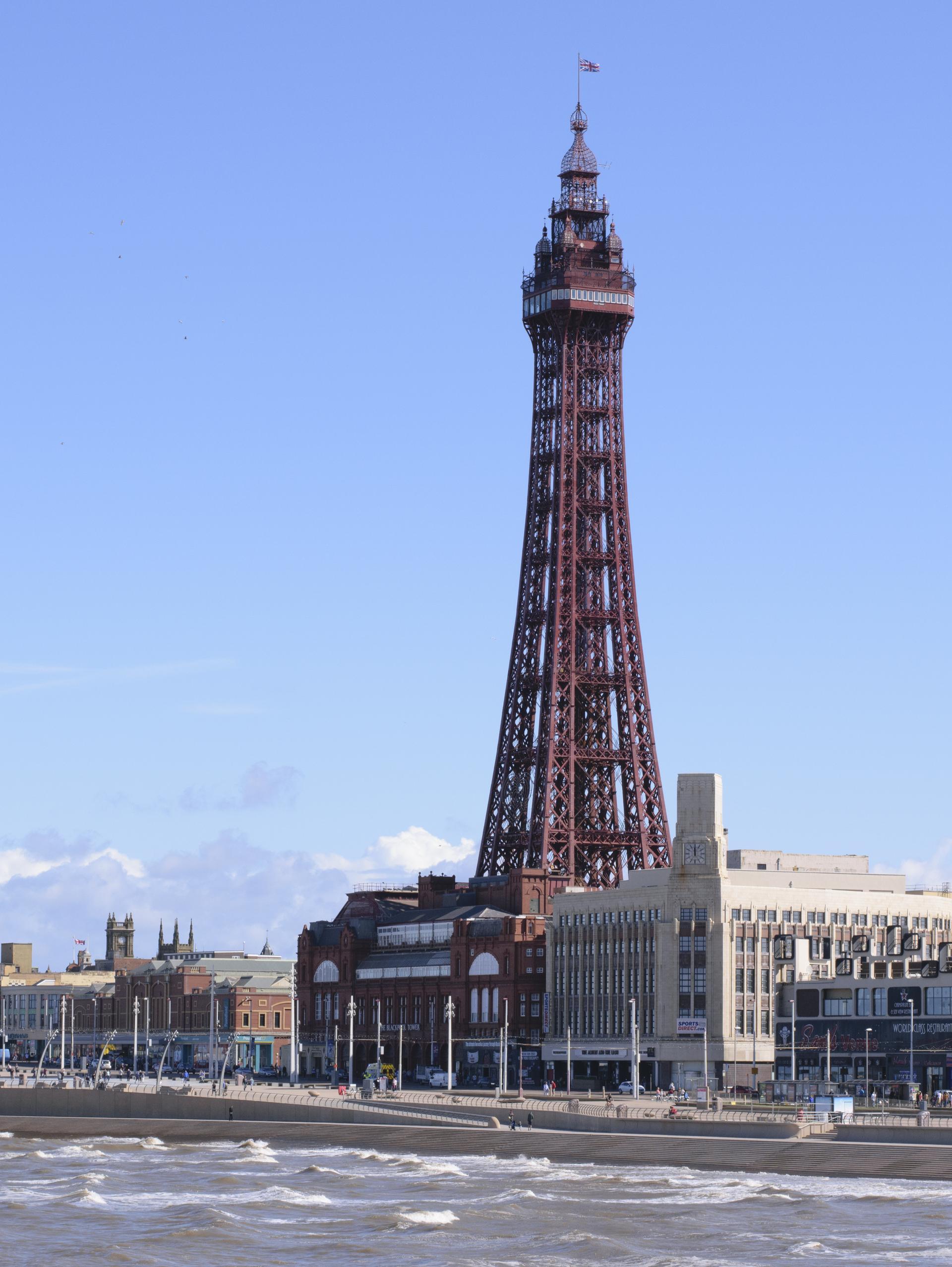
Looking beyond Queen Victoria - Equestrian Statue? Discover Lancashire for broader travel guides, local hot-spots, and regional highlights.
Explore Lancashire
Liverpool’s iconic 138m radio tower offering panoramic views and a unique glimpse into the city’s vibrant skyline and heritage.
Historic and grand Liverpool Empire Theatre, a cultural landmark hosting legendary performances in a stunning two-tier auditorium.
