Floating Harbour, Bristol Travel Guide
Free Guide: Explore Bristol’s historic Floating Harbour, a vibrant waterfront blending maritime heritage, cultural attractions, and scenic leisure in the city’s heart.


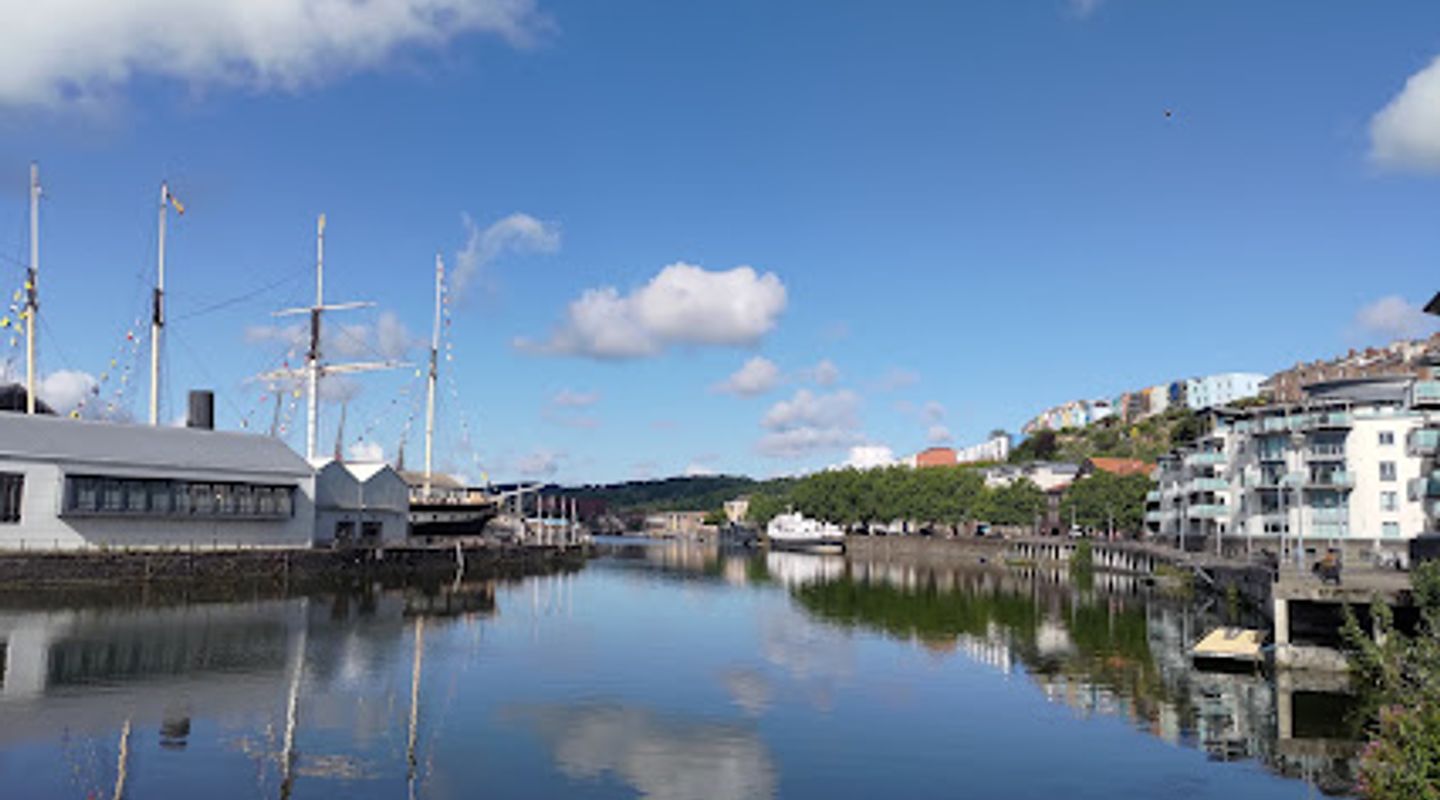
A brief summary of Floating Harbour
Explore Bristol’s historic Floating Harbour, a vibrant waterfront blending maritime heritage, cultural attractions, and scenic leisure in the city’s heart.
Bristol Floating Harbour, located in the heart of Bristol, England, is a unique 70-acre marina where water levels remain constant, thanks to a 19th-century engineering marvel that separated it from the tidal River Avon. Once a bustling commercial port, it has been transformed into a vibrant cultural and leisure destination featuring historic ships, museums, galleries, waterfront dining, and scenic walking routes along its docks and quays.
On-site amenities
 Restrooms
 Drink options
 Food options
 Seating areas
 Trash bins
 Information boards
Opening hours
- Every dayOpen 24 hours
Opening hours as listed on the venue’s Google Business Profile. Hours can change for services and special events, so check with the venue before you go.
- Address
- Welsh Back, Bristol BS1 4SP
- Phone
- Website
Getting there
Bus
Train and Walk
Car
Discover more about Floating Harbour
Engineering a Floating Harbour to Tame the Tides
Bristol Floating Harbour was created in 1809 to solve a critical problem faced by the city’s port: the River Avon’s extreme tidal range caused ships to become stranded at low tide. To maintain a constant water level, engineers diverted the river through an artificial channel known as the New Cut, effectively separating the harbour from tidal influences. This innovative feat allowed vessels to remain afloat at all times, facilitating safer and more reliable docking and cargo handling. The harbour covers approximately 70 acres, including locks, weirs, and canals that manage water flow and access.
From Industrial Powerhouse to Cultural Waterfront
For over 150 years, the Floating Harbour was a vital commercial port, bustling with ships and trade. However, by the 1970s, commercial shipping ceased, and the area underwent extensive regeneration. Today, the harbour is a lively hub for leisure and culture, blending historic maritime heritage with contemporary urban life. The waterfront is lined with renovated warehouses housing museums, galleries, restaurants, bars, and shops, creating a vibrant atmosphere that attracts locals and visitors alike.
Iconic Attractions and Maritime Heritage
The harbour is home to several renowned attractions, including Brunel’s SS Great Britain, a pioneering Victorian steamship restored to its former glory and open for exploration. Nearby, the M Shed museum offers interactive exhibits celebrating Bristol’s industrial and social history. Other cultural venues such as the Arnolfini Gallery and Watershed cinema provide art and entertainment, while historic vessels like the steam tug Mayflower and the replica ship Matthew reflect Bristol’s seafaring legacy.
Leisure, Dining, and Events Along the Waterfront
Visitors can enjoy a wide range of dining options from casual eateries to gastropubs, many with terraces overlooking the water. The harbour hosts regular events, including the annual Harbour Festival in mid-July, which celebrates the city’s maritime heritage with water-based activities and public access to historic sites. Scenic walking routes along the quays offer picturesque views of the city skyline, bridges, and the bustling harbour life.
Community and Environmental Initiatives
Recent projects include the introduction of floating ecosystems—artificial green islands planted with native species—to enhance biodiversity and provide habitat for aquatic wildlife. These initiatives reflect Bristol’s commitment to sustainability and maintaining the harbour as a vibrant, eco-friendly urban space.
A Living Waterfront in the Heart of Bristol
Bristol Floating Harbour remains a dynamic part of the city’s identity, blending history, culture, and nature. Whether exploring maritime museums, enjoying waterside dining, or simply strolling along the tranquil docks, visitors experience a unique waterfront that honors its past while embracing modern urban life.
Evendo Review Centre
 Google
Guest reviews
Best time to go
Quietest: Jan, Feb & Dec · before 6am or from 11pm
Busy times are Evendo estimates for a typical year, to help you plan. Actual crowds vary with events, school holidays and the weather.
Explore Floating Harbour on the map
A handpicked selection of must-see spots near Floating Harbour, mapped for you.
Get your free copy of our complete guide to Floating Harbour, delivered straight to you.
Everything on this page, from opening hours and how to get there to Eve’s tips and the best time to go, in one PDF you can read offline, print or share.
Already have an account? Sign in
Your Floating Harbour guide is ready.
We'll send it to · Not you? Sign out

Getting your guide ready…
We are putting together a fresh copy of the Floating Harbour guide. This can take up to a minute.
This can take a few moments. If your browser asks, choose Allow so the download can start. You'll find the guide in your Downloads folder.
Nothing happened? Download it again
Sorry, the guide is taking longer than usual. Please try again in a minute, or get it by email instead.
Unlock the best of Floating Harbour
Skip-the-line tickets, guided tours with entry, and walking tours of the area, booked in a few clicks.


Other nearby places you may find interesting
The closest places of the same kind, if this one is not quite what you had in mind.
-
-
-
-
-


Swipe for more places
More to explore near Floating Harbour

 Best experiences near Floating Harbour
 Best hotels near Floating Harbour
 Best landmarks near Floating Harbour
 Best attractions near Floating Harbour
 Best shops near Floating Harbour
 Best restaurants near Floating Harbour
 Best bars near Floating Harbour
Do you manage this location?
Take control to get all the benefits, like improved information, better appearance, and stronger visibility across AI-powered discovery.
Explore more
Explore more of Bristol
Discover Bristol: A dynamic city where historical grandeur meets modern innovation, offering a rich tapestry of culture, art, and maritime heritage.
Explore Bristol
Explore more of United Kingdom
Discover the United Kingdom: A blend of rich history, stunning landscapes, and vibrant cities, offering a unique travel experience for every visitor.
Explore United Kingdom