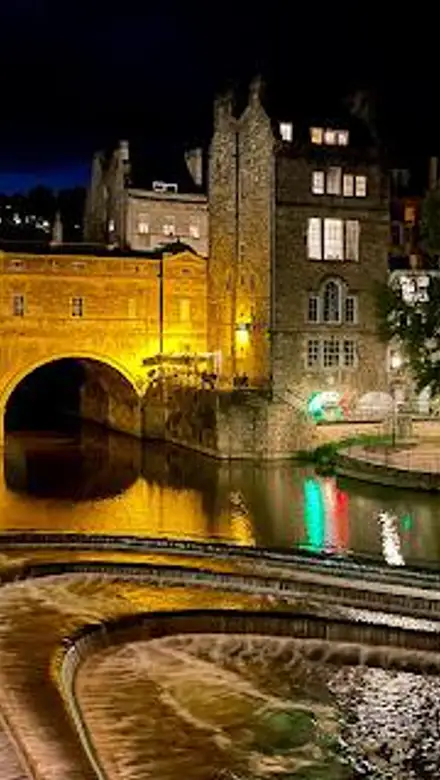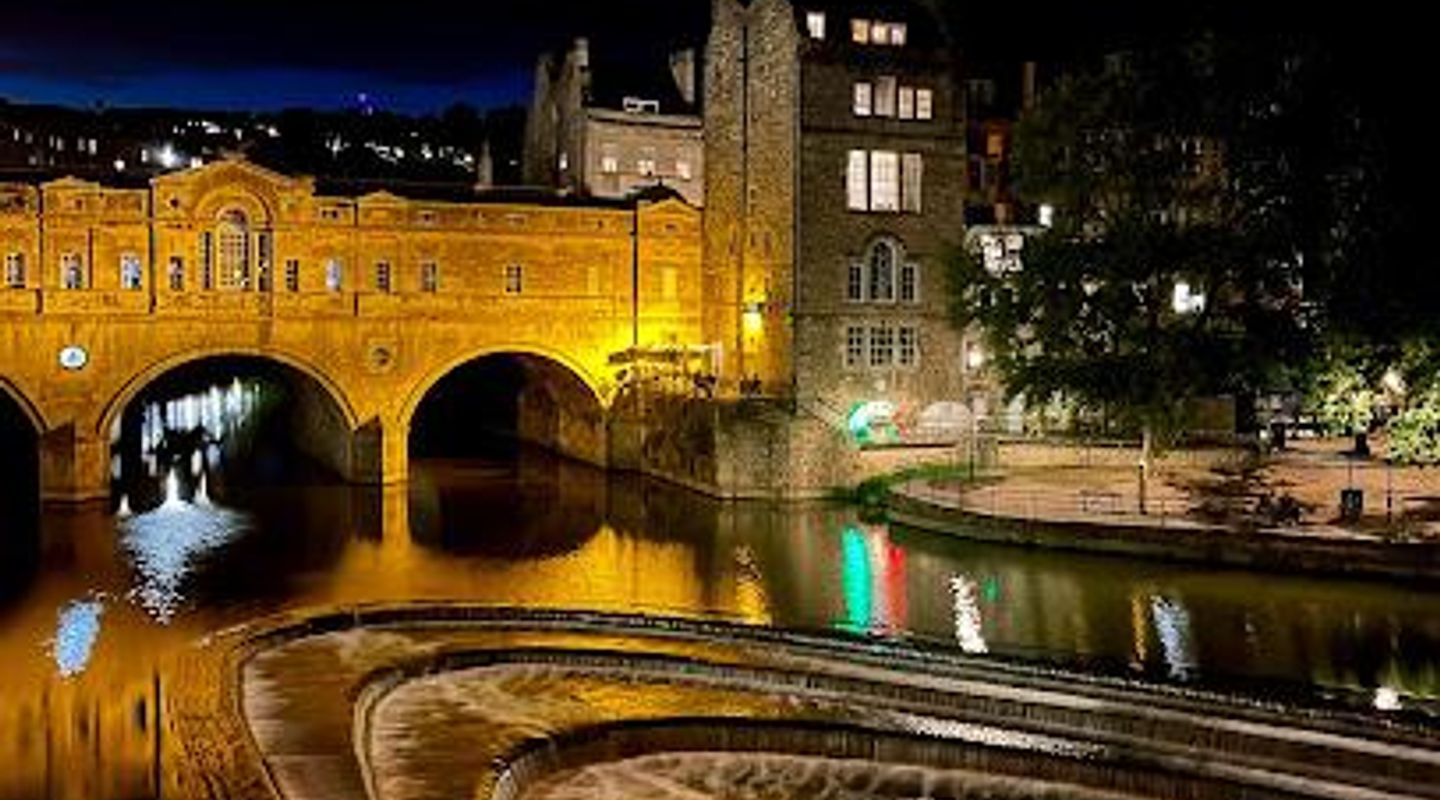
Pulteney weir, Wiltshire Travel Guide
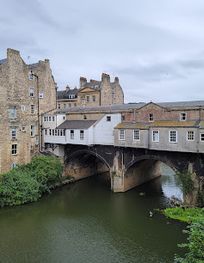
One of the world’s rare shop-lined bridges, Pulteney Bridge is a Georgian masterpiece spanning the River Avon in the heart of Bath.
Spanning the River Avon in the heart of Bath, Pulteney Bridge is one of the world’s rare shop-lined bridges and a masterpiece of Georgian Palladian design. Completed in 1774 and designed by Robert Adam, it connects the historic city centre with Bathwick, where the Pulteney family once planned a grand new town. Today, its elegant façade, riverside views, and charming shops make it one of Bath’s most photographed and romantic landmarks, best appreciated from the adjacent Parade Gardens and the nearby weir.
A brief summary to Pulteney weir
- Pulteney Bridge, Bath, BA2 4AY, GB
- Duration: 0.5 to 2 hours
- Free
-
 Outdoor
- Mobile reception: 5 out of 5

Know before you go
Hi, I'm Eve. Here are a few practical things to know before exploring Pulteney weir.
- Visit early in the morning or late afternoon to avoid crowds and capture the bridge in soft, golden light, especially from Parade Gardens.
- Walk down to the weir below the bridge for a dramatic view of the cascading water and the bridge’s underside.
- Take a river cruise from near the bridge to see Pulteney Bridge from the water and enjoy a peaceful journey along the Avon.
- Explore the surrounding area, including Parade Gardens and Great Pulteney Street, to appreciate the full context of this Georgian urban vision.
Do you manage this location?
Take control to get all the benefits, like improved information, better appearance, and stronger visibility across AI-powered discovery. Learn more about listing your business on Evendo
Activate your presenceOther nearby places you may find interesting
The closest places of the same kind, if this one is not quite what you had in mind.
Explore Pulteney weir on the Map
A handpicked selection of must-see spots near Pulteney weir, mapped for you.
Unlock the Best of Pulteney weir
Buy tickets
-
No tickets available
Book tours with entry


Getting There
-
Walking
From Bath city centre, follow signs to Pulteney Bridge; the walk takes about 10–15 minutes along well-maintained, mostly flat paths suitable for all visitors.
-
Public Transport
Take a local bus to the city centre and walk to the bridge; services run frequently from nearby stops, with a 5–10 minute walk along accessible routes.
-
River Cruise
Board a riverboat from near the bridge; cruises operate seasonally and provide a scenic approach, with boarding points a short walk from the city centre.
-
Cycling
Cycle along the Avon towpath from central Bath; the route is flat and well-signed, taking about 10 minutes to reach the bridge with bike racks nearby.
For the on-the-go comforts that matter to you
-
 Restrooms
-
 Drink Options
-
 Drinking Water
-
 Food Options
-
 Seating Areas
-
 Information Boards
Discover more about Pulteney weir
A Georgian Vision Over the Avon
Stretching gracefully across the River Avon, Pulteney Bridge is one of Bath’s most iconic structures and a rare example of a bridge fully lined with shops on both sides. Designed by the celebrated Scottish architect Robert Adam in the 1770s, it embodies the refined Palladian style that defines much of Bath’s Georgian architecture. Inspired by Venetian and Italian bridges like the Ponte Vecchio and Palladio’s unrealised Rialto design, Adam created a bridge that was both a practical crossing and a grand architectural statement. Its classical pediments, pilasters, and distinctive leaded domes at each end give it the appearance of a stately street rather than a mere river crossing, reflecting the ambition of William Johnstone Pulteney to link his Bathwick estate with the fashionable city.From Ambition to Enduring Landmark
The bridge was built to serve William Pulteney’s vision of a new town on the east bank of the Avon, transforming the rural Bathwick estate into a rival to Bath’s western developments. Before the bridge, the only access was by ferry, so a striking new crossing was essential to his grand scheme. Completed in 1774, Pulteney Bridge quickly became a marvel, one of only a handful of bridges worldwide with shops spanning its entire length. Over the centuries, it has weathered floods, commercial alterations, and changing tastes, yet it has been carefully restored to recapture much of its original elegance. Today, it stands as a Grade I listed building and a symbol of Bath’s architectural heritage, admired as much for its history as for its beauty.Life on the Bridge Today
Walking across Pulteney Bridge, you pass independent shops, cafés, and restaurants tucked into its historic arcades, creating a lively, street-like atmosphere. The narrow roadway accommodates pedestrians, cyclists, and occasional vehicles, while the river views from the parapets are among the most picturesque in the city. Just downstream, the weir and the cascading water add movement and sound, especially striking from the adjacent Parade Gardens. The bridge is also a popular spot for boat trips that head upriver towards Bathampton, offering a different perspective on this elegant structure. Its fame extends beyond Bath, having featured in film and literature, including a memorable scene in the 2012 adaptation of Les Misérables.Views and Vantage Points
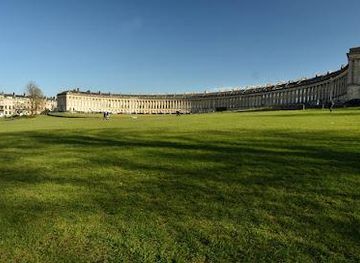
The full beauty of Pulteney Bridge is best appreciated from outside the bridge itself. From the manicured lawns of Parade Gardens on the south bank, you can step back and admire its symmetrical façade and the way it frames the river. The weir below creates a gentle cascade that enhances the scene, particularly in the soft light of early morning or late afternoon. On the north bank, the crescent-shaped Great Pulteney Street leads down to the bridge, echoing the grand urban planning of Bath’s other famous crescents. These surrounding spaces invite lingering, photography, and quiet contemplation, making the area around the bridge as much a destination as the structure itself.












Your all‑in‑one travel companion app
Explore expert travel guides, compare and book tours, experiences, hotels, and more—all from the palm of your hand. Download now for seamless trip planning wherever your wanderlust takes you.


Explore More of Wiltshire
Looking beyond Pulteney weir? Discover Wiltshire for broader travel guides, local hot-spots, and regional highlights.
Explore Wiltshire
Discover Bristol’s 18th-century Old Post Office, a preserved Georgian landmark blending rich history with vibrant city life at Corn Street.
Discover Bath’s unique 18th-century Palladian bridge with shops on both sides, blending history, architecture, and riverside charm.