
Southmead Round Barrow: Bronze Age Burial Monument in Bristol
Explore the ancient Southmead Round Barrow, a Bronze Age burial mound nestled within Bristol’s tranquil Badock’s Wood.
The Southmead Round Barrow is a Scheduled Ancient Monument dating from the early Bronze Age, located within Badock's Wood Local Nature Reserve in Bristol. Measuring 18 meters in diameter and 2 meters high, this tumulus was first excavated in 1873, revealing burial remains and construction details. Historically known as 'Milltut Field,' it likely served as a burial site for a Bronze Age warrior and later as a windmill base, blending prehistoric significance with local heritage.
A brief summary to Southmead Round Barrow
- 123 Doncaster Rd, Bristol, BS10 5PY, GB
- Visit website
- Duration: 0.5 to 1.5 hours
- Free
-
 Outdoor
- Mobile reception: 4 out of 5
Local tips
- Visit during daylight hours to fully appreciate the natural surroundings and the barrow’s details.
- Wear sturdy footwear as the site is within a woodland reserve with natural terrain.
- Bring binoculars for birdwatching; the reserve is home to species like tawny owls and woodpeckers.
- Respect the site’s archaeological significance by not climbing on the barrow or disturbing the area.

For the on-the-go comforts that matter to you
- Seating Areas
- Information Boards
Getting There
-
Bus
Take the bus from Bristol city center to Southmead, with services such as the number 1 or 2 buses running approximately every 15-20 minutes. The journey takes around 25-35 minutes. From the nearest stop, a 10-minute walk through local streets and into Badock's Wood leads to the barrow. No additional fare beyond standard bus ticket applies.
-
Car
Driving from central Bristol takes about 15-25 minutes depending on traffic. Parking is limited near Badock's Wood; visitors should use nearby street parking where permitted and walk approximately 5-10 minutes on footpaths to the barrow. No parking fees apply, but restrictions may be in place on residential streets.
-
Cycling
Cycling from central Bristol to Southmead Round Barrow takes approximately 20-30 minutes via mostly flat urban routes. Bike racks are available near the entrance to Badock's Wood. The woodland paths to the barrow are natural terrain and may be uneven.
Southmead Round Barrow location weather suitability
-
 Any Weather
-
 Rain / Wet Weather
-
 Clear Skies
-
 Mild Temperatures
Discover more about Southmead Round Barrow
Ancient Origins and Archaeological Significance
The Southmead Round Barrow is a prehistoric burial mound, or tumulus, dating back to the early Bronze Age, approximately 1300 BC. As a Scheduled Ancient Monument, it represents one of the few surviving examples of Bronze Age funerary architecture in the Bristol area. The barrow measures about 18 meters across and rises 2 meters high, constructed primarily from small unshaped stones. Its first recorded excavation in 1873 by R. A. Montgomery uncovered a passage 1.2 meters wide leading to the center, where burial remains were found, indicating its original use as a burial site for a warrior or prominent individual of that era.Landscape Context and Historical Layers
Situated within Badock's Wood Local Nature Reserve, the barrow occupies a field historically known as "Milltut Field" or "Mill Toot Field," names that suggest the mound's later use as a windmill base. This layering of functions exemplifies how Bronze Age monuments were adapted across centuries. The surrounding woodland and natural environment have preserved the site, which offers a tangible link to Bristol’s prehistoric past amid a modern urban setting. The area around Southmead itself has a rich history, transitioning from rural farmland to a developed suburb, yet this ancient monument remains a poignant reminder of the deep human history beneath the city.Construction and Cultural Importance
The barrow’s construction reflects typical Bronze Age burial practices, involving the deliberate shaping of earth and stone to form a circular mound. Such barrows often served multiple roles beyond burial, including territorial markers and ceremonial sites. The Southmead Round Barrow’s prominence in the landscape would have made it a significant landmark for ancient communities, possibly serving as a boundary or a focal point for ritual activity. The careful excavation and study of cremation and inhumation burials within similar barrows across Britain suggest complex social and spiritual beliefs surrounding death and ancestor veneration during this period.Preservation and Modern Engagement
Today, the Southmead Round Barrow is protected as a Scheduled Ancient Monument, ensuring its conservation for future generations. Located within a nature reserve gifted to the city in the 20th century, the site benefits from managed woodland surroundings that enhance its tranquil atmosphere. Interpretive efforts by local groups and the city council highlight the barrow’s archaeological importance, inviting visitors to connect with Bristol’s ancient heritage. The site’s integration into a public green space offers a unique experience where natural beauty and deep history converge.Visitor Experience and Surrounding Environment
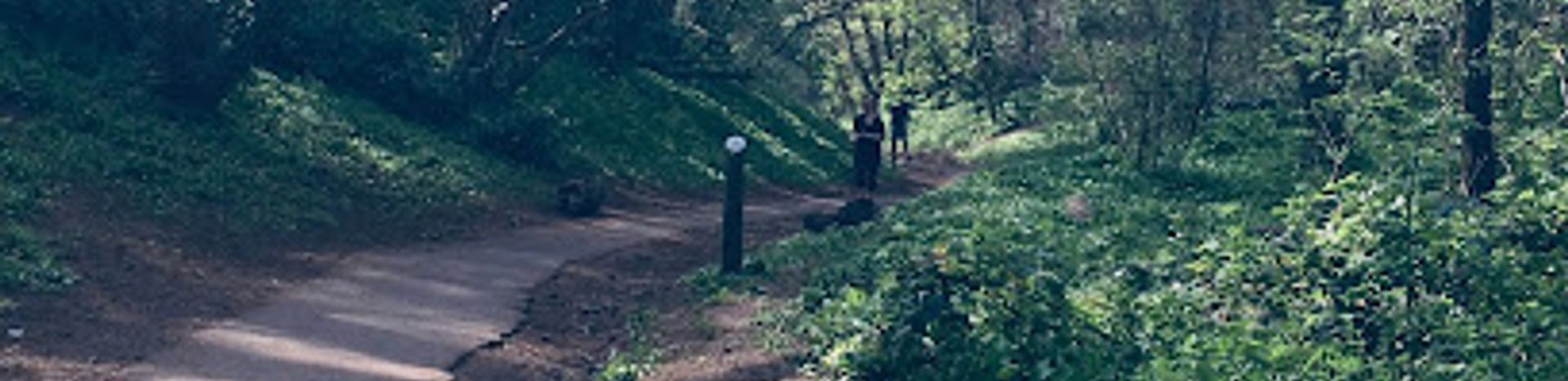
Visitors to the Southmead Round Barrow can enjoy a peaceful setting amid mature woodland, with opportunities to observe local wildlife such as tawny owls and woodpeckers. The barrow itself stands as a silent monument amid trees and undergrowth, evoking the Bronze Age landscape when wolves roamed and red deer grazed nearby. The site’s modest size and accessible location within the reserve make it suitable for a contemplative visit, offering a rare glimpse into prehistoric Britain within an urban context.Legacy and Cultural Resonance
The Southmead Round Barrow embodies the enduring legacy of Bronze Age communities in the Bristol region. Its survival through millennia of landscape change, including agricultural use, urban development, and wartime allotments, speaks to the resilience of ancient monuments. The barrow connects present-day visitors with early human history, inviting reflection on the rituals, beliefs, and lives of those who shaped the land thousands of years ago. As both a historical landmark and a natural refuge, it remains a valuable cultural and educational resource in Bristol.For the vibe & atmosphere seeker
- Tranquil
- Scenic
- Relaxing
- Unique
For the design and aesthetic lover
- Rustic Designs
For the architecture buff
- Historic
- Landmarks
- Parks & Gardens
For the view chaser and sunset hunter
- Iconic Views
- Panoramas
For the social media creator & influencer
- Instagrammable
- Photo Spots
- Selfie Spots
For the eco-conscious traveler
- Protected Area
- Nature Reserve
- Public-Transport Accessible
- Locally Managed
For the kind of experience you’re after
- Cultural Heritage
- Nature Escape
- Day Trip
- Photowalk
For how adventurous you want the journey to be
- Easy Access
Location Audience
- Family Friendly
- Senior Friendly
- Child Friendly
- Solo Friendly
- Couple Friendly
- Vegetarian Friendly


