Castell Caergwrle, Caernarfonshire Travel Guide
Explore the ruins of Castell Caergwrle, the last castle built by a Welsh prince, perched on a scenic hilltop with rich medieval history and stunning valley views.
Castell Caergwrle is a ruined 13th-century hilltop castle in northeast Wales, built by Dafydd ap Gruffudd between 1278 and 1282. Perched on a sandstone hill with commanding views over the Alyn Valley, it was the last castle constructed by a native Welsh prince. Though partially ruined and abandoned after a fire by the early 14th century, its remains reveal a compact stone fortress with towers, curtain walls, and a deep defensive ditch. The site is open year-round with free access, offering a peaceful glimpse into medieval Welsh history amid scenic surroundings.
A brief summary to Castell Caergwrle
- 1 Wrexham Rd, Wrexham, Caergwrle, LL12 9DG, GB
- Click to display
- Duration: 0.5 to 1.5 hours
- Free
-
 Outdoor
- Mobile reception: 4 out of 5

Know before you go
Hi, I'm Eve. Here are a few practical things to know before exploring Castell Caergwrle.
- Wear sturdy footwear as the path to the castle is moderately steep and can be slippery in wet weather.
- Bring water and snacks since there are no facilities on site; nearby village amenities are available.
- Dogs are welcome but must be kept on a short lead for safety around steep drops.
- Visit early or late in the day during summer for the best light and to avoid heat and glare.
- Supervise children carefully due to uneven ground, steep climbs, and unfenced edges.
Do you manage this location?
Take control to get all the benefits, like improved information, better appearance, and stronger visibility across AI-powered discovery. Learn more about listing your business on Evendo
Activate your presenceOther nearby places you may find interesting
The closest places of the same kind, if this one is not quite what you had in mind.
Explore Castell Caergwrle on the Map
A handpicked selection of must-see spots near Castell Caergwrle, mapped for you.
Getting There
-
Train and Walk
Take a train to Caergwrle Station, approximately 0.4 km from the castle. The walk takes about 10–15 minutes on a moderately steep, unpaved path. The route is not suitable for wheelchairs or pushchairs. Train services vary, with typical fares around £5–£10 from nearby towns.
-
Car Access
Drive to Caergwrle village via the A541. Public parking is available near High Street, about 0.8 km from the castle. The walk from the car park to the castle is uphill and moderately steep, requiring sturdy footwear. Parking is free but limited.
-
Bicycle
Cyclists can use National Cycle Network Routes 5 or 568, which pass near Caergwrle. From the village, access the castle by a short uphill walk. Terrain is moderately challenging, suitable for experienced cyclists.
For the on-the-go comforts that matter to you
-
 Restrooms
-
 Seating Areas
-
 Trash Bins
-
 Information Boards
Discover more about Castell Caergwrle
A Strategic Hilltop Fortress Shaped by History
Castell Caergwrle stands on a steep sandstone and grit hill overlooking the Alyn Valley in northeast Wales. Built between 1278 and 1282 by Dafydd ap Gruffudd, brother of Llywelyn ap Gruffudd, it was the last castle erected by a native Welsh prince. The castle’s location was highly strategic, close to prehistoric hillfort earthworks, Roman roads, and the historic Offa’s Dyke, reflecting centuries of military significance in this borderland region. Dafydd received the lands from Edward I after the first Welsh campaign, marking a complex alliance between Welsh princes and the English crown.Architectural Features and Defensive Design
The castle’s design adapts to the hill’s irregular shape rather than following a strict geometric plan. It features a single curtain wall on the east side, fronted by a substantial ditch and outer bank, with three main towers: a D-shaped North Tower, an East Tower perched on a steep slope, and a substantial round South Tower. The North Tower likely housed staircases, latrines, and a large fireplace supported by timber beams, while the East Tower included latrines and other chambers. A sandstone bread oven near the curtain wall reflects typical medieval castle life. The well, still visible today, was once protected by a lean-to building. The castle’s main gate was probably located at the northwest corner, guarded by steep slopes and a wooden access bridge.A Turbulent History and Abandonment
Castell Caergwrle played a key role in Dafydd ap Gruffudd’s attack on the English garrison at Hawarden in 1282, which triggered Edward I’s second Welsh campaign. Despite efforts to complete and refurbish the castle under English control, it was likely never fully finished. A fire damaged the site, and by 1335 it had fallen into ruin. Subsequent quarrying and natural decay have left only fragments of the original structure, but archaeological excavations in the late 20th century have clarified much about its layout and use.Visiting Today: Exploring Ruins and Scenic Views
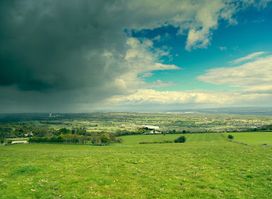
Today, Castell Caergwrle is freely accessible year-round during daylight hours, managed by Cadw under guardianship while remaining owned by the local community council. Visitors climb a moderately steep, unpaved path from the village, passing through grassy terrain to reach the ruins. The site offers panoramic views eastwards across Cheshire and the surrounding countryside. Though there are no facilities or detailed on-site interpretation, the castle remains a tranquil spot for history enthusiasts, dog walkers, and families who enjoy exploring medieval ruins in a peaceful setting.Conservation and Community Engagement
Recent years have seen a five-year programme of improvements to the castle grounds led by Flintshire Countryside Services in partnership with the community council. New bilingual heritage interpretation panels have been installed, describing the castle’s Welsh origins and English phases, although some panels have suffered vandalism. The site encourages respectful access, with dogs allowed on short leads and a no-smoking policy in place. The castle’s preservation reflects both its historical importance and its valued place in local heritage.Connecting with the Landscape and Legacy
Castell Caergwrle’s enduring presence on the hilltop connects visitors not only with medieval Welsh history but also with the deeper layers of human activity in the region, from Late Roman ramparts to prehistoric fortifications. The castle’s ruins evoke stories of loyalty, conflict, and cultural transition in Wales’ borderlands. Its setting invites reflection on the landscape’s strategic significance and offers a quiet, scenic retreat for those interested in exploring Wales’ rich past.












Your all‑in‑one travel companion app
Explore expert travel guides, compare and book tours, experiences, hotels, and more—all from the palm of your hand. Download now for seamless trip planning wherever your wanderlust takes you.


Explore More of Caernarfonshire
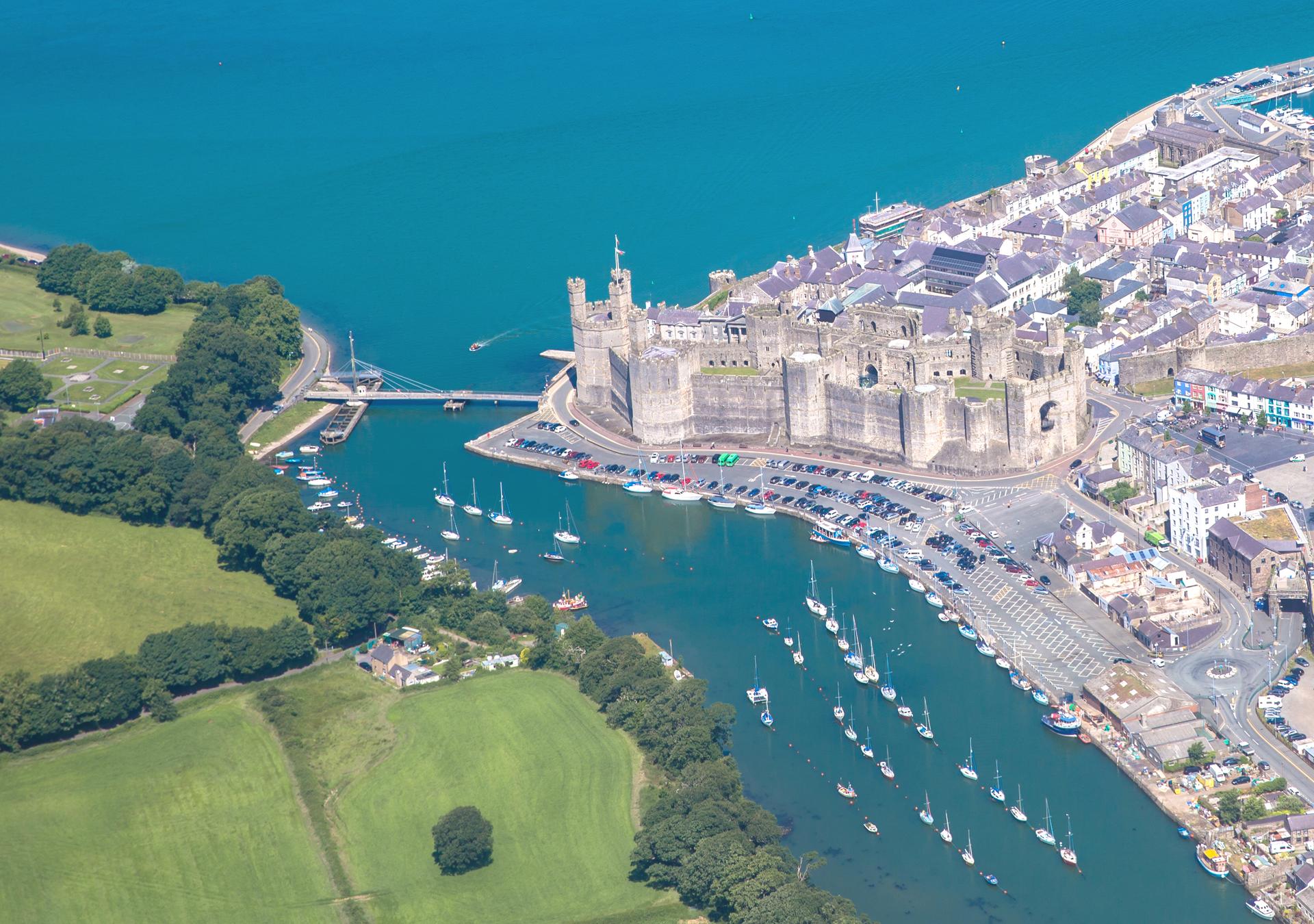
Looking beyond Castell Caergwrle? Discover Caernarfonshire for broader travel guides, local hot-spots, and regional highlights.
Explore Caernarfonshire