City Hall, Cardiff Travel Guide
Free Guide: Edwardian Baroque masterpiece crowned by a Welsh dragon, housing treasures of Welsh history and art.


A brief summary of City Hall
Edwardian Baroque masterpiece crowned by a Welsh dragon, housing treasures of Welsh history and art.
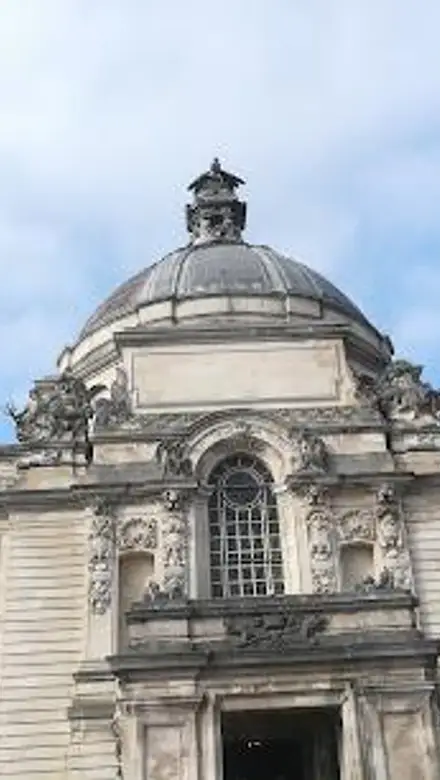
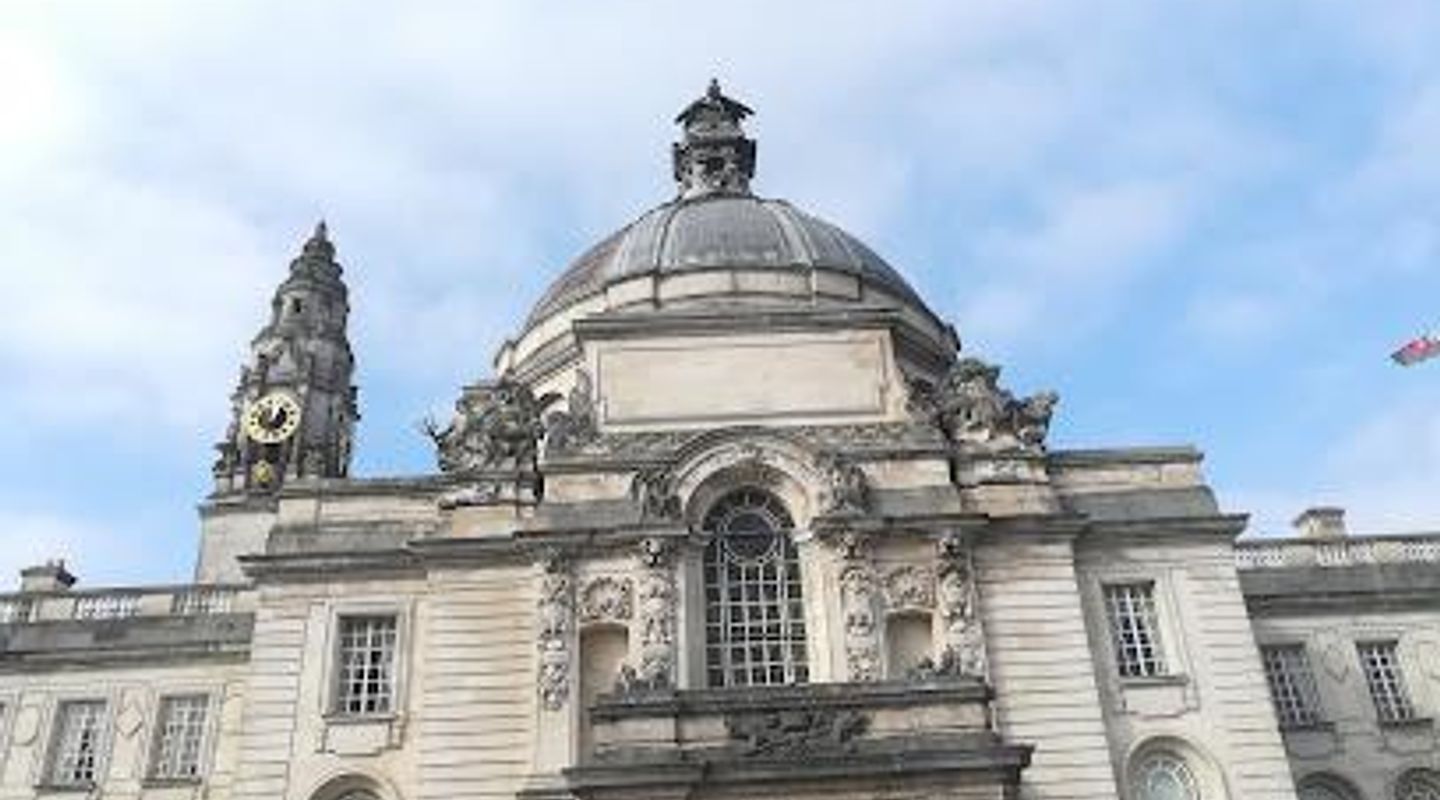
Cardiff City Hall stands as the magnificent centrepiece of one of Europe's finest civic centres, dominating Cathays Park with its iconic 59-metre clock tower crowned by a Welsh dragon. This Grade I listed Edwardian Baroque masterpiece, completed in 1906, serves as both the seat of local government and a stunning architectural landmark. Visitors can admire the ornate exterior with its intricate stonework and explore the elegant interior featuring Pentelicon marble statues of Welsh historical figures, extensive art collections, and grand ceremonial halls. The surrounding manicured gardens and formal landscaping create a serene urban oasis in Cardiff's heart.
On-site amenities
 Restrooms
 Drink options
 Food options
 Seating areas
 Information boards
 Visitor centre
- Address
- King Edward VII Ave, Cardiff CF10 3ND
- Website
Getting there
Bus
Train
Car
Walking
Discover more about City Hall
An Edwardian Architectural Triumph
Cardiff City Hall represents one of the finest examples of Edwardian Baroque civic architecture in Europe. Designed by the renowned architects Lanchester, Stewart and Rickards, the building was completed in 1906 and immediately became a symbol of Cardiff's prosperity and confidence during the Edwardian era. The most striking feature is the soaring 59-metre clock tower, which rises majestically above Cathays Park and is crowned with a Welsh dragon—a symbol visible across the city. The building's Grade I listed status reflects its architectural significance and the meticulous craftsmanship evident in every ornamental detail.
Treasures Within the Grand Halls
Beyond its impressive exterior, City Hall's cavernous interior spaces contain remarkable artistic and historical treasures. The building showcases elegant Pentelicon marble statues depicting celebrated figures from Welsh history, including Boudica by sculptor J. Havard Thomas and Hywel Dda, known as King Howell the Good. The walls are adorned with an extensive art collection featuring works by notable artists such as Joseph Farquharson's "Winter," alongside paintings by Penry Williams, Sir Luke Fildes, and E. Blair Leighton. These carefully curated collections transform the functional civic spaces into galleries of cultural significance, offering visitors insight into Welsh artistic heritage.
A Living Centre of Civic Life
While City Hall functions as a working municipal building housing council departments and the Council Chamber, it remains remarkably accessible to visitors. The building serves multiple roles: it is the official seat of local government, a popular registry office where weddings regularly take place, and a venue for conferences, exhibitions, and international events. Walking through the elegant halls, visitors often encounter wedding parties in formal dress or delegates attending important meetings, creating an atmosphere where history and contemporary civic life intertwine. This active use ensures the building remains vibrant and purposeful rather than merely preserved as a historical artifact.
Cathays Park: A Masterpiece of Urban Planning
City Hall stands at the heart of Cathays Park, widely recognised as one of the world's finest civic centres. The surrounding area features impressive complementary buildings including the Temple of Peace and the National Museum and Gallery of Wales, all connected by broad tree-lined avenues and landscaped gardens. Three formal gardens within Cathays Park each possess their own distinct character, providing peaceful retreats within the urban environment. The manicured lawns and thoughtful landscaping create one of the best places in Cardiff's city centre to relax and reflect, making the entire precinct a destination for both cultural exploration and quiet contemplation.
Accessibility and Visitor Experience
City Hall welcomes visitors to explore its exterior and accessible interior spaces. The building offers wheelchair access via a lift from street level to the ground floor, with a further lift providing access to the first floor. Both ground and first floors are level throughout, though the Council Chamber requires steps to access. Disabled toilet facilities are available, and visitors with specific access requirements are encouraged to contact the building in advance. The reception area operates during standard business hours, and while some areas may be restricted due to council business or private events, the building's public spaces offer genuine opportunities to experience its architectural grandeur and artistic collections firsthand.
Evendo Review Centre
 Google
Guest reviews
Best time to go
Quietest: Jan, Feb & Mar · before 6am or from 8pm
Busy times are Evendo estimates for a typical year, to help you plan. Actual crowds vary with events, school holidays and the weather.
Explore City Hall on the map
A handpicked selection of must-see spots near City Hall, mapped for you.
Get your free copy of our complete guide to City Hall, delivered straight to you.
Everything on this page, from opening hours and how to get there to Eve’s tips and the best time to go, in one PDF you can read offline, print or share.
Already have an account? Sign in
Your City Hall guide is ready.
We'll send it to · Not you? Sign out

Getting your guide ready…
We are putting together a fresh copy of the City Hall guide. This can take up to a minute.
This can take a few moments. If your browser asks, choose Allow so the download can start. You'll find the guide in your Downloads folder.
Nothing happened? Download it again
Sorry, the guide is taking longer than usual. Please try again in a minute, or get it by email instead.
Unlock the best of City Hall
Skip-the-line tickets, guided tours with entry, and walking tours of the area, booked in a few clicks.


Other nearby places you may find interesting
The closest places of the same kind, if this one is not quite what you had in mind.
-
-
-
-
-


Swipe for more places
More to explore near City Hall

 Best experiences near City Hall
 Best hotels near City Hall
 Best landmarks near City Hall
 Best attractions near City Hall
 Best shops near City Hall
 Best restaurants near City Hall
 Best bars near City Hall
Do you manage this location?
Take control to get all the benefits, like improved information, better appearance, and stronger visibility across AI-powered discovery.
Explore more

Explore more of Cardiff
Discover Cardiff, the vibrant capital of Wales, where history, culture, and modernity merge to create unforgettable experiences for every traveler.
Explore Cardiff
Explore more of United Kingdom
Discover the United Kingdom: A blend of rich history, stunning landscapes, and vibrant cities, offering a unique travel experience for every visitor.
Explore United Kingdom