
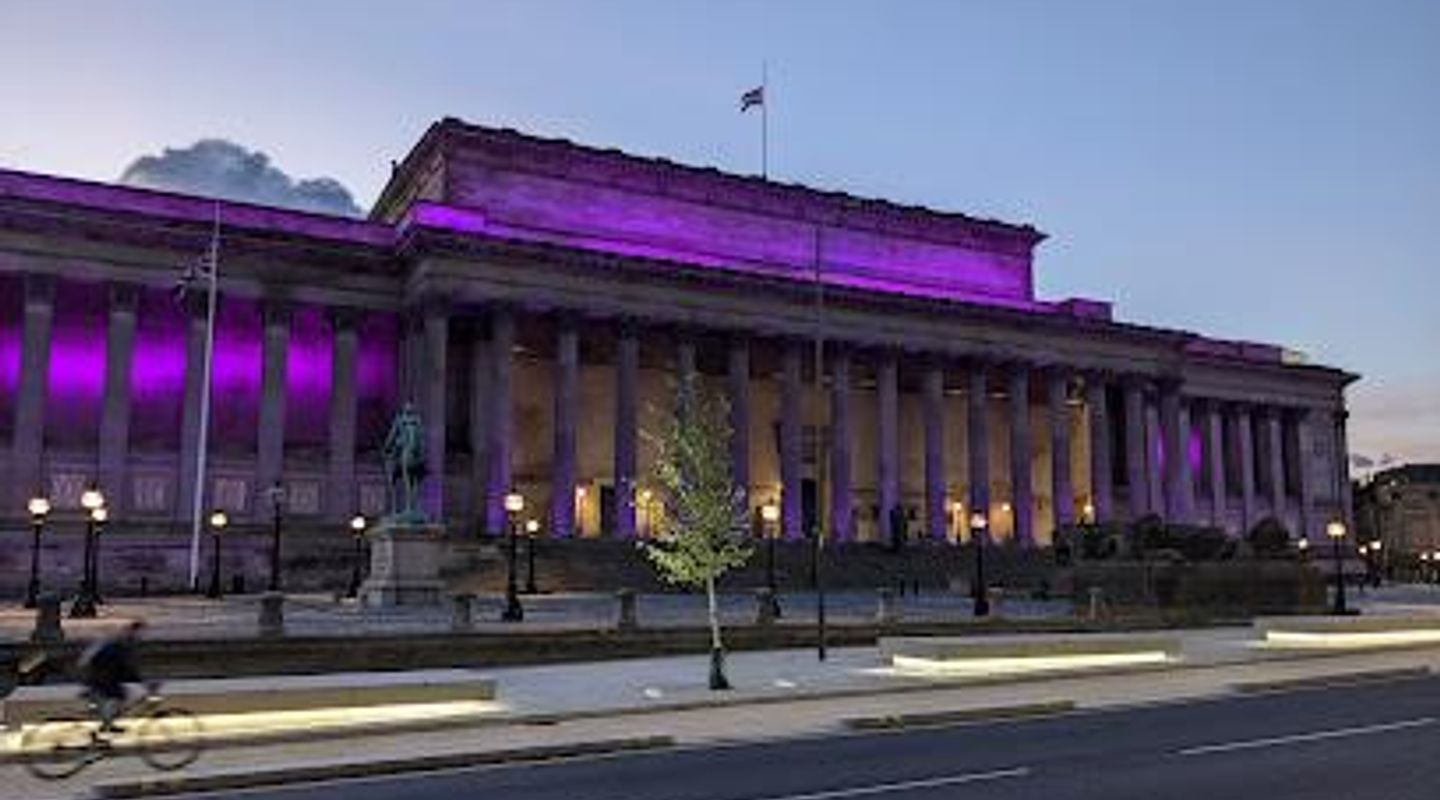
St George's Hall, Lancashire Travel Guide
Liverpool’s majestic neo-classical landmark blending grand concerts, historic courts, and vibrant cultural events under one iconic roof.
St George's Hall in Liverpool is a grand neo-classical landmark completed in 1854, renowned for its majestic Corinthian columns, vast Great Hall with one of Europe's largest pipe organs, and the exquisite Concert Room praised by Charles Dickens. This Grade I listed building uniquely combines cultural, judicial, and social history under one roof, hosting concerts, events, and offering tours of its historic courtrooms and prison cells.
A brief summary to St George's Hall
- St George's Pl, Liverpool, L1 1JJ, GB
- Click to display
- Duration: 1 to 2 hours
- Mid ranged
-
 Indoor
- Mobile reception: 5 out of 5
- Monday 9:30 am-4:45 pm
- Tuesday 9:30 am-4:45 pm
- Wednesday 9:30 am-4:45 pm
- Thursday 9:30 am-4:45 pm
- Friday 9:30 am-5 pm
- Saturday 9:30 am-5 pm

Know before you go
Hi, I'm Eve. Here are a few practical things to know before exploring St George's Hall.
- Book a guided tour to explore the Great Hall, Concert Room, and the atmospheric Victorian prison cells beneath the building.
- Visit during a concert or event to experience the hall’s renowned acoustics and vibrant atmosphere.
- Admire the intricate Minton tiled floor and the grand Willis organ in the Great Hall, highlights of Victorian craftsmanship.
- Check opening hours as they vary; the hall is generally open weekdays and Saturdays with occasional closures for events.
Do you manage this location?
Take control to get all the benefits, like improved information, better appearance, and stronger visibility across AI-powered discovery. Learn more about listing your business on Evendo
Activate your presenceOther nearby places you may find interesting
The closest places of the same kind, if this one is not quite what you had in mind.


Explore St George's Hall on the Map
A handpicked selection of must-see spots near St George's Hall, mapped for you.
Unlock the Best of St George's Hall
Buy tickets
-
No tickets available
Book tours with entry


Getting There
-
Train
Liverpool Lime Street station is the nearest major rail hub, approximately a 5-minute walk from St George's Hall. Frequent services connect Liverpool with major UK cities. Walking from the station is straightforward and accessible.
-
Bus
Multiple local bus routes serve stops within a 5-10 minute walk of St George's Hall, including city centre circular services. Tickets cost around £2-£4 depending on distance; check local timetables for frequency.
-
Taxi or Rideshare
Taxis and rideshare services like Uber provide direct access to St George's Hall from anywhere in Liverpool. Typical fares from the city centre range from £5 to £10, depending on traffic.
-
Walking
For visitors staying in Liverpool city centre, St George's Hall is easily reachable on foot within 10-20 minutes. The terrain is flat and fully accessible, suitable for wheelchair users.
For the on-the-go comforts that matter to you
-
 Restrooms
-
 Drink Options
-
 Food Options
-
 Seating Areas
-
 Information Boards
-
 Visitor Center
Discover more about St George's Hall
Architectural Grandeur and Historical Origins
St George's Hall stands as a monumental example of neo-classical architecture in the heart of Liverpool. Designed by Harvey Lonsdale Elmes, who won a competition for its design at the age of 25, the building was constructed between 1841 and 1854. Its imposing façade features towering Corinthian columns and a grand portico, symbolizing Liverpool’s civic pride and ambition during the Victorian era. The design cleverly merges a concert hall and law courts in one structure, a rare and ambitious combination at the time. The building’s Grade I listing reflects its exceptional architectural and historic significance.The Great Hall: Liverpool’s Civic Heart
The Great Hall is the building’s centerpiece, an awe-inspiring space measuring 169 by 74 feet with an 85-foot-high barrel-vaulted ceiling. It is adorned with intricate plasterwork, marble columns, and a stunning Minton tiled floor featuring interlocking circular patterns, considered one of the finest examples of Victorian ceramic art. The hall houses the Great Willis organ, with 7,737 pipes, which was the largest in the UK when completed in 1855. This space has historically hosted grand balls, public gatherings, and concerts, embodying Liverpool’s cultural vitality.The Concert Room: A Jewel of Classical Elegance
At the north end of the hall lies the Concert Room, designed by Charles Robert Cockerell and completed in 1856. This circular room, seating around 1,100 people, is famed for its superb acoustics and classical decoration in white, cream, honey, gilt, and blue tones. Its magnificent crystal chandelier, composed of 2,824 pieces by F.C. Osler of Birmingham, was originally gas-lit and later electrified. Charles Dickens famously called it "the most perfect Hall in the world." The Concert Room was originally built to host Liverpool’s classical music festivals, providing a dedicated venue for non-religious music performances.Judicial History Beneath the Splendour
Beneath the grandeur lies a stark contrast: the original Victorian courtrooms and prison cells. These spaces offer a glimpse into Liverpool’s legal past, where justice was administered and punishments carried out. The Crown Court and Civil Court were integral parts of the building until the courts ceased operation in 1984. Visitors can explore these preserved areas on guided tours, experiencing the atmosphere of Victorian law enforcement and the harsh realities of the prison cells.Modern Use and Cultural Significance
Today, St George's Hall remains a vibrant cultural hub, hosting a wide range of events including concerts, exhibitions, weddings, and conferences. Its versatile spaces accommodate from intimate gatherings to large-scale events for up to 1,200 standing guests. The hall underwent extensive restoration completed in 2007, ensuring its structural integrity and modern accessibility while preserving its historic features. The addition of a Heritage Centre allows visitors to engage deeply with the building’s layered history.Symbol of Liverpool’s Identity
More than just a building, St George's Hall embodies Liverpool’s spirit, blending architectural brilliance with social and cultural narratives. It has been described as Liverpool’s "village hall," a place where moments of joy, justice, and community intersect. Its proximity to Lime Street Station makes it a prominent gateway to the city’s rich heritage, inviting visitors to experience the grandeur and stories of a pivotal civic landmark.












Your all‑in‑one travel companion app
Explore expert travel guides, compare and book tours, experiences, hotels, and more—all from the palm of your hand. Download now for seamless trip planning wherever your wanderlust takes you.


Explore More of Lancashire
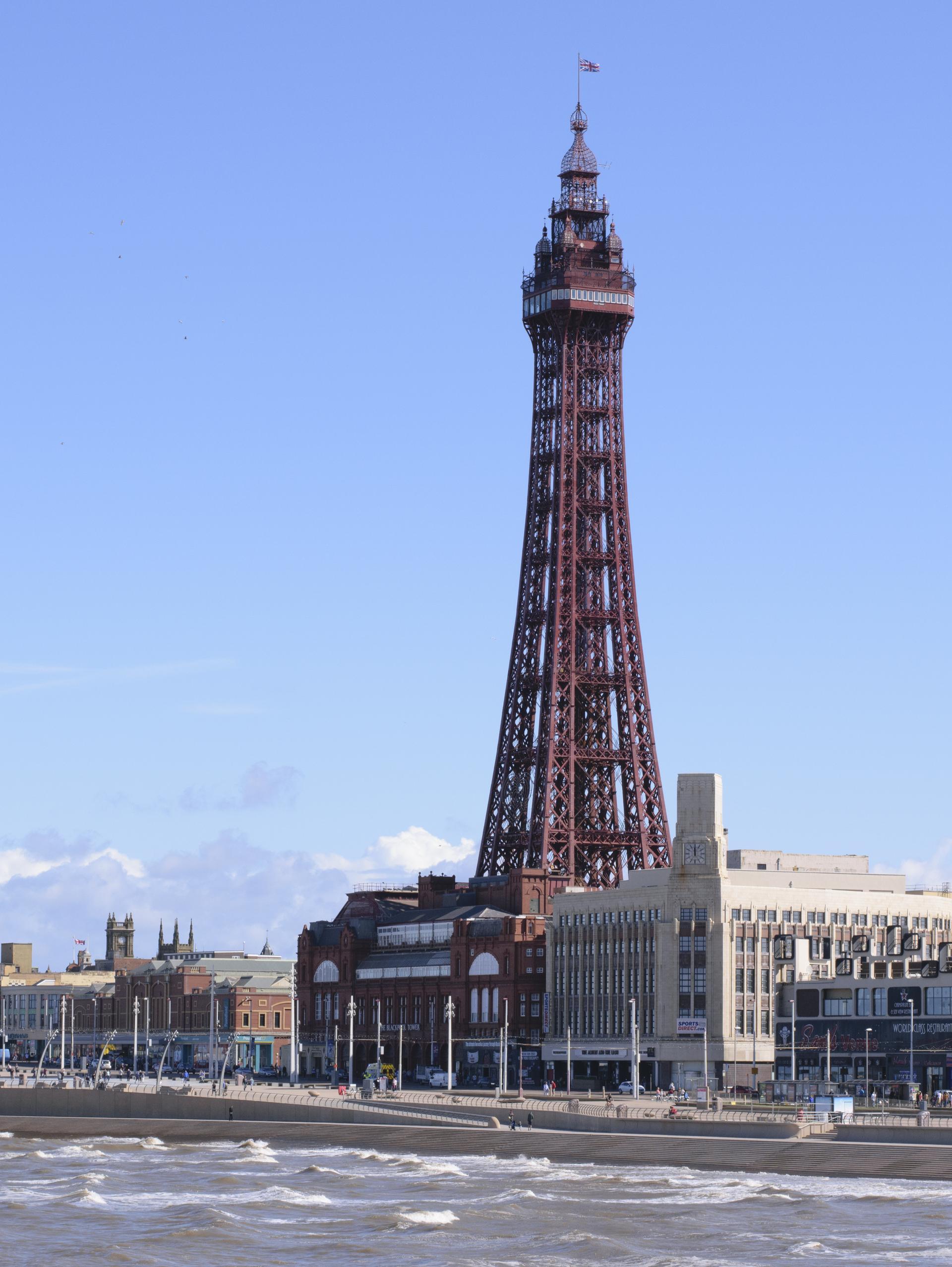
Looking beyond St George's Hall? Discover Lancashire for broader travel guides, local hot-spots, and regional highlights.
Explore Lancashire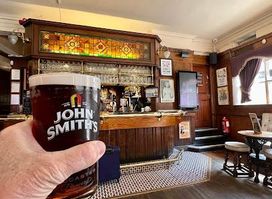
Step into Ma Egerton's Stage Door, Liverpool’s historic pub where theatrical legends gathered and timeless stories unfold in every corner.

Liverpool’s iconic neoclassical masterpiece blending grand architecture, rich history, and vibrant cultural events under one majestic roof.
