St Johns Beacon: Liverpool’s Iconic Radio and Observation Tower
Liverpool’s towering beacon of innovation, offering panoramic city views and a vibrant hub for radio broadcasting since 1969.
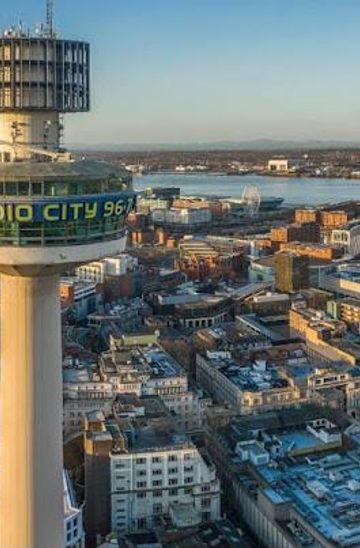
St Johns Beacon, also known as Radio City Tower, is a striking 138-meter tall communications and observation tower in Liverpool’s city centre. Opened by Queen Elizabeth II in 1969, it features panoramic views of Merseyside and beyond. Originally a revolving restaurant, it now houses radio studios and offices, symbolizing Liverpool’s innovative spirit and architectural heritage with its Grade II listed status.
A brief summary to St Johns Beacon
- St Johns Beacon, 1 Houghton St, Liverpool, L1 1RL, GB
- Click to display
- Duration: 0.5 to 2 hours
- Mid ranged
-
 Outdoor
- Mobile reception: 5 out of 5
- Monday 11 am-5:30 pm
- Tuesday 11 am-5:30 pm
- Wednesday 11 am-5:30 pm
- Thursday 11 am-5:30 pm
- Friday 11 am-5:30 pm
- Saturday 11 am-6 pm
- Sunday 11 am-6 pm

Know before you go
Hi, I'm Eve. Here are a few practical things to know before exploring St Johns Beacon.
- Visit during clear weather for the best panoramic views across Merseyside and beyond.
- Check opening hours as they vary slightly during the week, typically 11:00 to 17:30 or 18:00 on weekends.
- Bring a camera to capture the unique slanted windows and sweeping cityscape.
- Look out for dynamic lighting displays that mark special events and celebrations.
Do you manage this location?
Take control to get all the benefits, like improved information, better appearance, and stronger visibility across AI-powered discovery. Learn more
Activate your presence
Getting There
-
Public Transport
From Liverpool Lime Street Station, take bus routes 10, 17, or 26 to Houghton Street. The journey takes approximately 10-15 minutes. Buses run frequently during the day with tickets costing around £2-£3 GBP.
-
Taxi or Rideshare
A taxi or rideshare from central Liverpool locations typically takes 5-10 minutes depending on traffic, with fares ranging from £5 to £10 GBP. This option offers direct and convenient access to St Johns Beacon.
-
Walking
If you are staying in Liverpool city centre, walking to St Johns Beacon is a pleasant option, taking about 15-20 minutes on mostly flat, paved streets. The route is accessible and suitable for wheelchairs and strollers.
For the on-the-go comforts that matter to you
-
 Restrooms
-
 Drink Options
-
 Food Options
-
 Seating Areas
-
 Information Boards
Discover more about St Johns Beacon
A Landmark of Liverpool’s Skyline and Innovation
St Johns Beacon, rising to 138 meters with an additional 10-meter antenna, is Liverpool’s tallest structure including antennas and the city’s second-tallest free-standing building. Designed by James A. Roberts Associates and opened by Queen Elizabeth II in 1969, the tower was conceived as part of a new shopping precinct and stands as a testament to mid-20th-century architectural ambition. Historic England praises its design as embodying the “technological bravura and spirit of the space age,” a recognition that earned it Grade II listed status in 2020.The Evolution from Revolving Restaurant to Radio Hub
Originally, the tower housed a luxurious revolving restaurant at its summit, where the entire floor and facade rotated as one unit, offering diners 360-degree views of Liverpool. The rooftop served as an observation platform, accessible by two lifts reaching the top in 30 seconds or via 558 stairs. However, health and safety regulations led to the restaurant’s closure within 18 months, followed by a brief revival as a Buck Rogers-themed eatery in 1983. Eventually, the restaurant and observation deck fell into disuse.Rebirth as Radio City Tower and Modern Adaptations
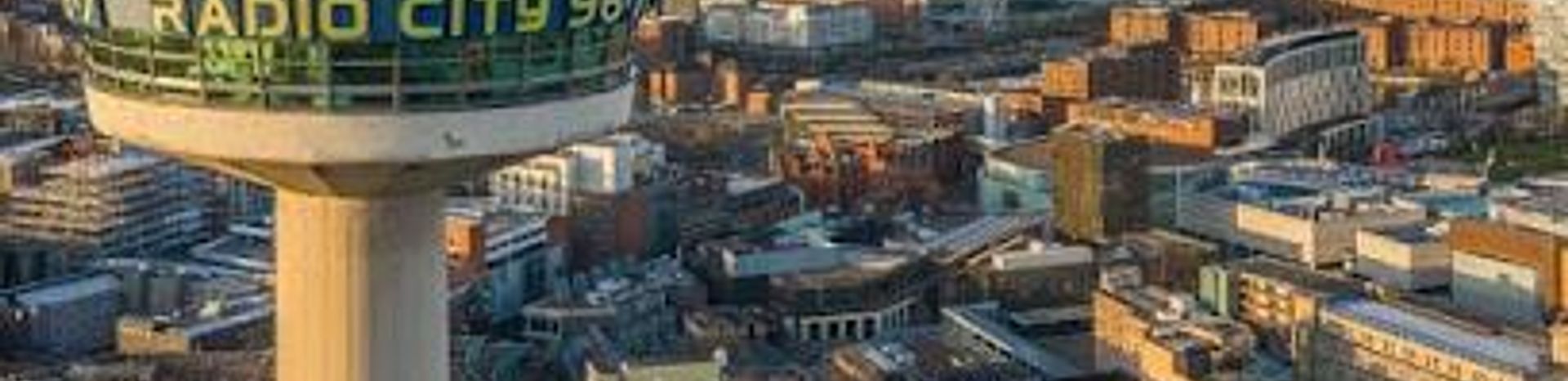
In 1999, a £5 million refurbishment transformed the beacon into the home for Radio City 96.7 and Magic 1548, now Hits Radio Liverpool and Greatest Hits Radio. The former observation deck was converted into office and conference space, while the studios occupy the lower floors. The original revolving mechanism was preserved but fixed in place. Dynamic lighting was added, illuminating the tower and its signage to mark events and celebrations, enhancing its role as a vibrant city symbol.Panoramic Vistas and Cultural Significance
Visitors to St Johns Beacon enjoy unrivalled panoramic views across Merseyside, the Wirral, North Wales, and Lancashire on clear days, with sights extending as far as Snowdonia and Blackpool Tower. The tower’s vantage point offers a unique perspective on Liverpool’s urban landscape, blending historical architecture with modern development. It also serves as a cultural beacon, hosting events and exhibitions that celebrate the city’s resilience and community spirit.Architectural Features and Structural Details
The tower’s foundation is an 18-meter diameter, 5.2-meter deep concrete base set into sandstone, supporting a tapering slip-formed concrete shaft. The crow’s nest structure at the top was added after the shaft was completed. Despite its industrial appearance, the tower’s design is a sophisticated integration of form and function, balancing structural integrity with aesthetic appeal. The addition of advertising frameworks and illuminated signage reflects its ongoing adaptation to contemporary urban life.Future Prospects and Community Engagement
Recent proposals, such as a permanent zip wire project starting from the beacon, illustrate the tower’s continuing evolution and role in Liverpool’s urban fabric. While such initiatives have sparked public debate, they underscore the beacon’s significance as a living landmark, engaging the community and visitors alike. St Johns Beacon remains a symbol of Liverpool’s past achievements and future aspirations, standing tall as an enduring icon of the city.Explore the best of what St Johns Beacon has to offer













More about Lancashire
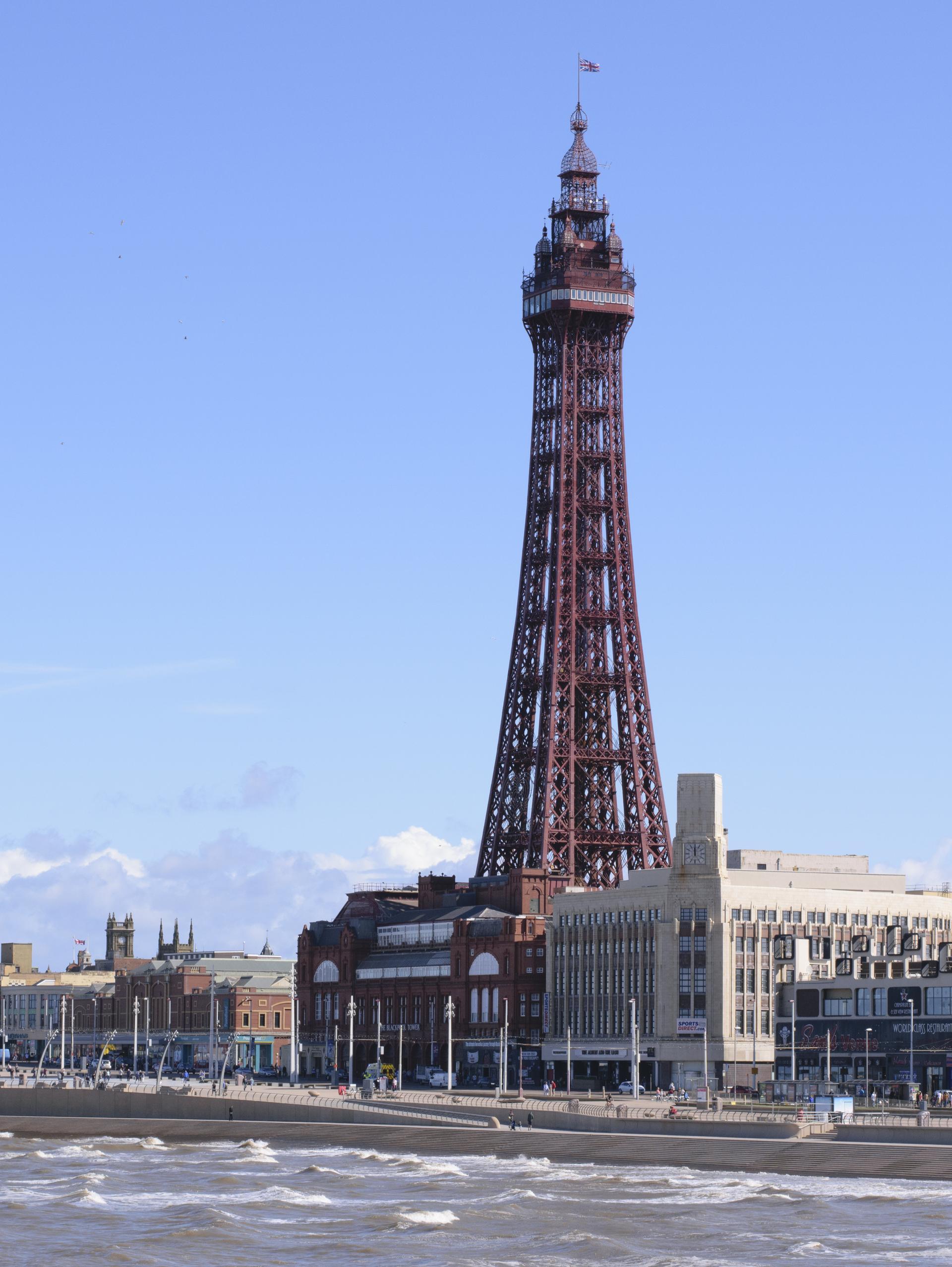
Discover Lancashire: A perfect blend of stunning landscapes, rich history, and vibrant culture in the heart of England's northwest.
Tell me more about Lancashire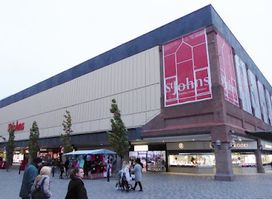
Liverpool’s largest covered shopping centre, offering over 100 stores, diverse dining, and a vibrant city-centre retail experience since 1969.
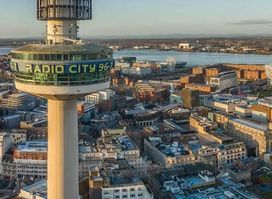
Liverpool’s tallest tower offering panoramic city views, rich history, and a vibrant broadcasting hub in the heart of the city.