12 Arnold Grove, Lancashire Travel Guide
The humble Victorian terraced house where The Beatles' George Harrison was born and spent his formative years during wartime Liverpool.
The modest Victorian terraced house in Wavertree where George Harrison, founding member of The Beatles, was born in 1943 and spent his first seven years. This small two-up/two-down home, now marked with a Historic England blue plaque unveiled in May 2024, represents the humble beginnings of one of music's greatest icons. Despite its tiny rooms and basic amenities, the house provided the close-knit family environment that shaped Harrison's character and creativity during wartime Liverpool.
A brief summary to 12 Arnold Grove
- 12 Arnold Grove, Liverpool, L15 8HP, GB
- Duration: 0.25 to 1 hours
- Free
-
 Outdoor
- Mobile reception: 4 out of 5

Know before you go
Hi, I'm Eve. Here are a few practical things to know before exploring 12 Arnold Grove.
- The house is a private residence and not open to the public for interior viewing. Visitors can only observe the exterior and the Historic England blue plaque from the street. Respect the privacy of current residents.
- Visit early morning or late afternoon to avoid crowds and capture photographs in better light. The cul-de-sac setting provides a peaceful atmosphere for reflection.
- Combine your visit with nearby Beatles-related sites in Wavertree, including Strawberry Field and other locations within walking distance to create a comprehensive Beatles heritage tour.
- The blue plaque was unveiled in May 2024 by Olivia Harrison. Bring a camera or smartphone to photograph this recent historic marker and the modest terraced house itself.
- Read Harrison's autobiography 'I Me Mine' before visiting to deepen your understanding of his early memories and the significance of this location in shaping his character.
Do you manage this location?
Take control to get all the benefits, like improved information, better appearance, and stronger visibility across AI-powered discovery. Learn more about listing your business on Evendo
Activate your presenceOther nearby places you may find interesting
The closest places of the same kind, if this one is not quite what you had in mind.

Explore 12 Arnold Grove on the Map
A handpicked selection of must-see spots near 12 Arnold Grove, mapped for you.
Unlock the Best of 12 Arnold Grove
Buy tickets
-
No tickets available
Book tours with entry


Getting There
-
Public Transport from Liverpool City Centre
Take the Merseyrail train from Liverpool Central Station towards West Street or use local bus services (routes 3, 3A, or 17) heading towards Wavertree. Journey time is approximately 15–20 minutes. Alight at Wavertree station or the nearest bus stop to Arnold Grove. The final walk to the cul-de-sac is approximately 5–10 minutes on foot through residential streets. Service runs throughout the day with reduced frequency in evenings and Sundays.
-
Taxi or Ride-Share
From Liverpool city centre, a taxi or ride-share service (Uber, local cab firms) will take approximately 10–15 minutes depending on traffic. Cost typically ranges from £8–15. The destination is easily identifiable by postcode L15 8HP. Drivers are familiar with the location due to its Beatles heritage significance.
-
Cycling
From central Liverpool, the journey is approximately 2–3 miles via residential routes. Allow 15–25 minutes depending on your pace and familiarity with local roads. The Wavertree area has moderate cycling infrastructure. Bike parking is available near local amenities, though secure facilities at the location itself are limited.
-
Walking from Nearby Attractions
If visiting other Beatles sites in Wavertree such as Strawberry Field (approximately 0.5 miles away), walking is feasible. The walk takes 10–15 minutes through residential Wavertree. The route is on public pavements through safe, well-lit residential streets. Not recommended for visitors with mobility difficulties due to uneven terrain in places.
For the on-the-go comforts that matter to you
-
 Seating Areas
-
 Information Boards
Discover more about 12 Arnold Grove
The Birthplace of a Musical Legend
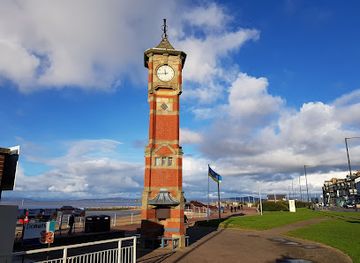
12 Arnold Grove stands as a modest yet profoundly significant address in Liverpool's Wavertree district. This small Victorian terraced house, located in a quiet cul-de-sac near Picton Clock Tower, is the birthplace and childhood home of George Harrison, the quiet Beatle whose spiritual depth and musical innovation left an indelible mark on global culture. Harrison's parents, Harold and Louise, moved into the property in 1931 following their marriage, paying ten shillings per week in rent. All four of their children were born here: Louise, Harry, Peter, and George, who arrived on 25 February 1943 during the darkest days of World War II.A House Shaped by Wartime and Resilience
George Harrison's infancy at Arnold Grove coincided with Liverpool's bombardment by German forces. The city, a vital port and industrial centre, endured relentless aerial attacks throughout the early 1940s. Harrison would later reflect on the profound strangeness of his earliest memories, describing the barrage balloons, air raid sirens, and the family huddling under the stairs as bombs fell nearby. Yet within these terrifying circumstances, the Harrison household maintained an extraordinary sense of security and warmth. His brother Harry recalled that despite the house being "just two rooms up and two rooms down," the family "always knew the comfort and security of a very close-knit home life." The proximity of his grandmother's home in nearby Albert Grove provided additional refuge and family connection during these turbulent years.The Intimate Reality of Working-Class Liverpool
The physical conditions of 12 Arnold Grove reveal the genuine hardships of working-class life in mid-twentieth-century Liverpool. The house contained only a single coal fire for heating, making winters brutally cold; Harrison and his brothers dreaded leaving their beds on freezing mornings. The rooms were tiny, each measuring approximately ten feet by ten feet, creating an environment of enforced intimacy that paradoxically strengthened family bonds. The kitchen consisted of a small iron cooking stove in the back room. Most strikingly, the household relied on an outdoor toilet, a common feature of terraced housing of that era. The back garden was equally modest: a one-foot-wide flowerbed, the outdoor toilet, a dustbin fitted to the back wall, and a small hen house where the family kept cockerels. Despite these constraints, Harrison later wrote that "it was ok that house. Very pleasant being little and it was always sunny in the summer."A Cul-de-sac That Nurtured Creativity
The Harrison family remained at Arnold Grove for nearly twenty years, until January 1950, when they relocated to a new council house in Speke. By that time, George had lived there for seven formative years. Within these modest walls, young George developed the musical curiosity and spiritual sensitivity that would define his life. He listened to music and stories on the wireless with his mother, absorbing diverse influences from the port city's cosmopolitan character. The house's very limitations—its closeness, its simplicity, its lack of pretension—seemed to foster an environment where imagination and inner life flourished. Paul McCartney later recalled that he and George would travel across Liverpool together to learn new guitar chords they had heard about, driven by an almost obsessive pursuit of musical excellence.Recognition and Legacy
In May 2024, Historic England unveiled a national blue plaque at 12 Arnold Grove, honouring George Harrison as a music icon, songwriter, and humanitarian. The ceremony, attended by Harrison's widow Olivia and members of his Liverpool family, marked only the third blue plaque installation outside London and signified the expansion of the historic scheme across England. Olivia Harrison spoke movingly of how George would sometimes drive her to sit outside the house, and how they had checked into hotels under the pseudonym "Mr and Mrs Arnold Grove" with their son Dhani as "Albert Grove"—a poignant testament to how deeply this humble address remained embedded in his identity throughout his life. The plaque captures the enduring truth that Harrison's extraordinary journey—from this cramped terraced house to global influence—began here, on the cobblestone pavement of a Wavertree cul-de-sac.A Living Monument to Humble Origins
Today, 12 Arnold Grove remains a private residence, visible from the public highway and marked by its Historic England blue plaque. It attracts pilgrims from around the world—Beatles devotees, music historians, and those drawn to the story of how genius can emerge from the most ordinary circumstances. The house itself, still small and unassuming, stands as a quiet testament to the power of family, creativity, and the indomitable human spirit. For Harrison, who spent his life exploring spirituality, music, and the mysteries of existence, this modest home represented something irreplaceable: the secure foundation from which all his wanderings began.












Your all‑in‑one travel companion app
Explore expert travel guides, compare and book tours, experiences, hotels, and more—all from the palm of your hand. Download now for seamless trip planning wherever your wanderlust takes you.


Explore More of Lancashire
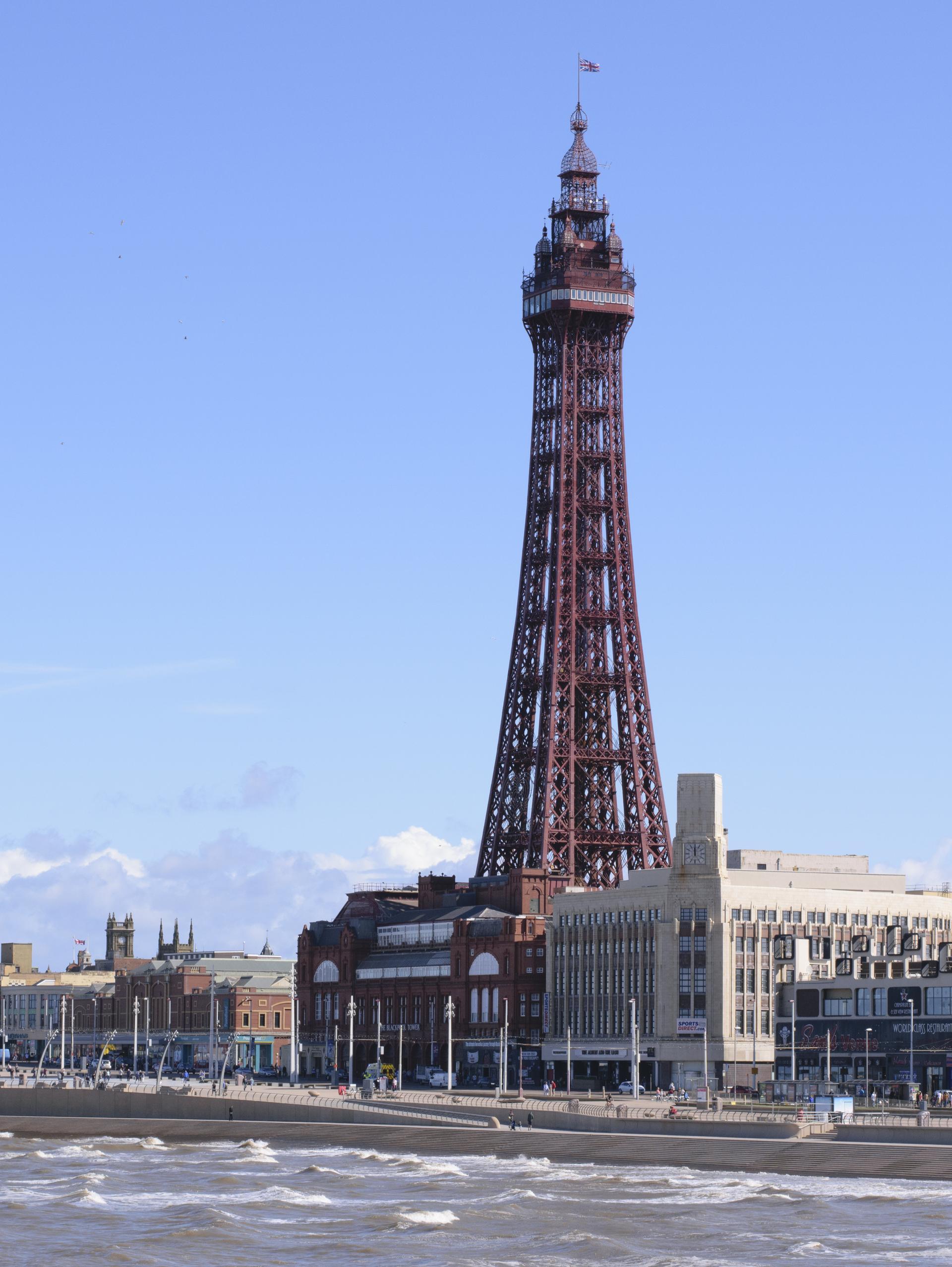
Looking beyond 12 Arnold Grove? Discover Lancashire for broader travel guides, local hot-spots, and regional highlights.
Explore Lancashire