
Folly Bridge, Cotswolds Travel Guide
Historic stone bridge over the Thames in Oxford, blending medieval heritage, literary lore, and scenic river views.
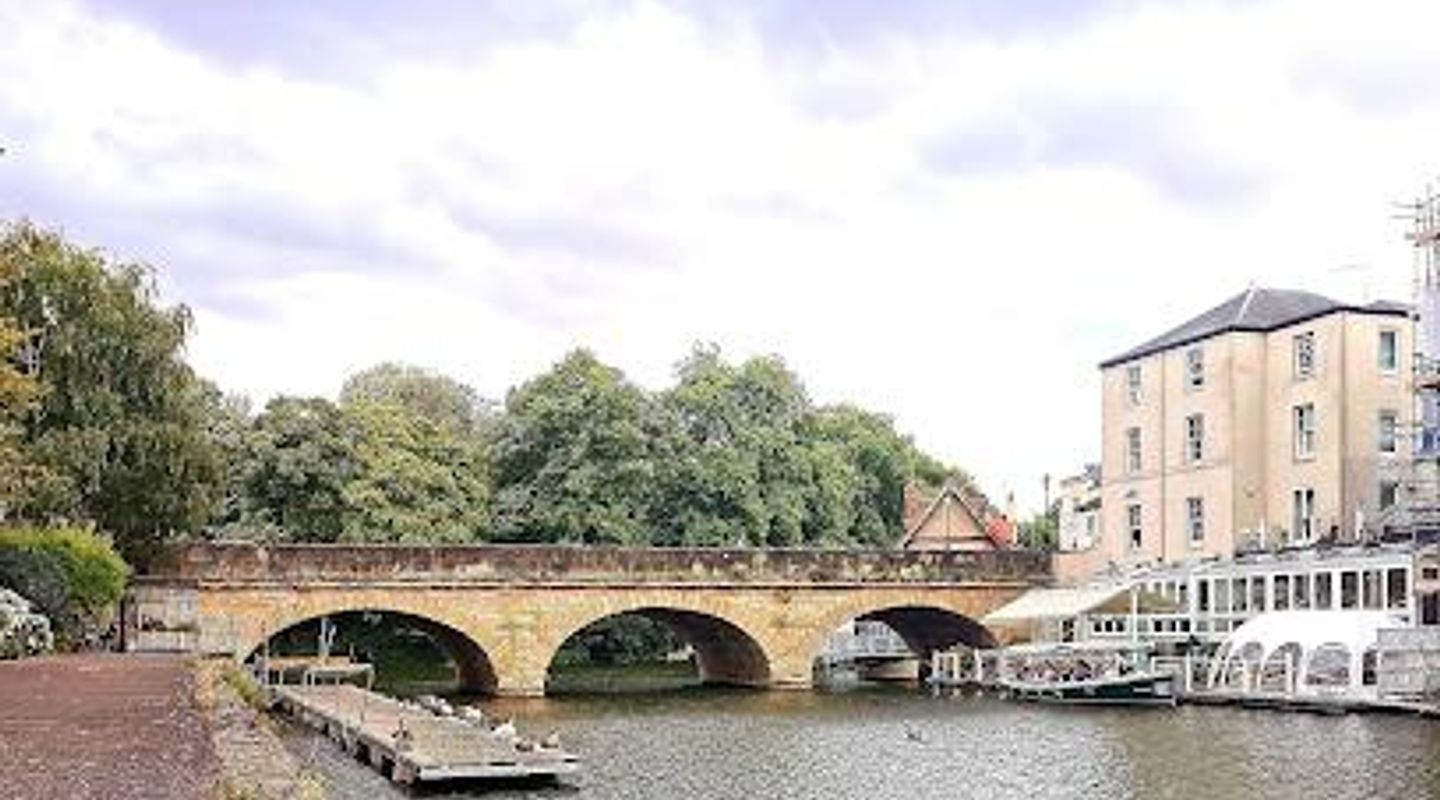
Folly Bridge is a historic stone bridge spanning the River Thames in Oxford, England, linking the city centre with the southern suburb of Grandpont. Dating back to medieval times, the current elegant structure was built in 1827 by architect Ebenezer Perry. The bridge is famed for its scenic river views, literary connections to Lewis Carroll, and its role in Oxford’s rowing tradition and city defense history.
A brief summary to Folly Bridge
- Abingdon Rd, Oxford, GB
- Duration: 0.5 to 2 hours
- Free
-
 Outdoor
- Mobile reception: 4 out of 5

Know before you go
Hi, I'm Eve. Here are a few practical things to know before exploring Folly Bridge.
- Visit during early morning or late afternoon for the best light and fewer crowds to enjoy peaceful river views.
- Explore the nearby Christ Church Meadow for extended scenic walks along the Thames.
- Look out for historical plaques and information boards that explain the bridge’s rich past.
- Bring a camera to capture the bridge’s elegant stone arches and the picturesque river setting.
- Combine your visit with a punting trip on the Thames, starting near Folly Bridge for a classic Oxford experience.
Do you manage this location?
Take control to get all the benefits, like improved information, better appearance, and stronger visibility across AI-powered discovery. Learn more about listing your business on Evendo
Activate your presenceOther nearby places you may find interesting
The closest places of the same kind, if this one is not quite what you had in mind.
Explore Folly Bridge on the Map
A handpicked selection of must-see spots near Folly Bridge, mapped for you.
Unlock the Best of Folly Bridge
Buy tickets
-
No tickets available
Book tours with entry


Getting There
-
Bus
Take any bus route serving St Aldate’s Street from Oxford city centre, with journeys typically lasting 10 to 15 minutes. Buses run frequently during the day, and a short walk from the stop brings you directly to Folly Bridge. Single fares cost around £2 to £3.
-
Walking
From Oxford city centre landmarks like Carfax Tower or the High Street, a 10 to 15-minute walk over mostly flat terrain leads you to Folly Bridge. The route is accessible for most visitors and offers pleasant views en route.
-
Taxi
Local taxis or rideshare services can reach Folly Bridge from central Oxford within 5 to 10 minutes, depending on traffic. Typical fares range from £5 to £10. This option offers convenience, especially for visitors with mobility needs.
For the on-the-go comforts that matter to you
-
 Seating Areas
-
 Information Boards
-
 Restrooms
-
 Drink Options
-
 Food Options
Discover more about Folly Bridge
Ancient Origins and Architectural Evolution
Folly Bridge stands on a site of great historical significance, believed to be the location of an ancient ford used by oxen to cross the River Thames safely, which gave Oxford its name. The first stone bridge was constructed in 1085 by Robert d'Oilly, a Norman lord and key figure in Oxford’s early development. Over centuries, the bridge evolved from a medieval defensive structure with a gatehouse and tower—famously known as Friar Bacon’s Study, where the philosopher Roger Bacon conducted astronomical observations—into the elegant stone arch bridge completed in 1827 by Ebenezer Perry. This design replaced the decayed and narrow earlier bridges and remains a fine example of early 19th-century bridge architecture.Strategic and Cultural Significance
Historically, Folly Bridge was a critical defensive point during the English Civil War, controlling access to Oxford. The bridge also marked the start of the Grandpont causeway, an extensive elevated roadway crossing marshy meadows prone to flooding, facilitating travel and trade south of the city. In the 19th century, the area around Folly Bridge became a hub for Oxford’s rowing culture, with many university boathouses nearby. The bridge’s proximity to Christ Church Meadow and the river’s scenic flow has inspired poets and writers alike.Literary and Artistic Connections
Folly Bridge is closely linked to Lewis Carroll, the pen name of Charles Lutwidge Dodgson, who was a mathematics lecturer at Christ Church. On July 4, 1862, Dodgson took a boat trip from the bridge with the Liddell sisters, during which he narrated the story that became "Alice’s Adventures in Wonderland." The bridge also attracted artists such as J.M.W. Turner, who painted the bridge and its surroundings. The literary and artistic heritage adds a layer of cultural richness to the site.Folly Island and Victorian Curiosities
The bridge spans two sections separated by Folly Island, once larger but reduced in size by 19th-century engineering works that straightened the river’s course. The island was home to "Caudwell’s Castle," a whimsical Victorian house adorned with sculptures and battlements. This eccentric building was the scene of a notable incident in 1851 involving students and a cannon, reflecting Oxford’s tradition of pranks and local character. Though the castle no longer stands, its legacy contributes to the bridge’s unique charm.Modern Day Experience and Surroundings
Today, Folly Bridge remains a vibrant part of Oxford’s urban fabric. It offers picturesque views upstream towards Christ Church Meadow and downstream towards rural stretches of the Thames. The bridge supports both vehicular and pedestrian traffic along Abingdon Road and is surrounded by a mix of historic buildings, green spaces, and modern establishments. Its enduring presence continues to connect Oxford’s rich past with its lively present.Preservation and Visitor Engagement
As a protected historic structure, Folly Bridge is maintained to preserve its architectural integrity and cultural significance. Visitors can appreciate its stone arches, the remnants of its defensive past, and its role in Oxford’s identity. Informational plaques and nearby amenities enhance the visitor experience, making it a must-see landmark for those exploring Oxford’s heritage and scenic river landscapes.












Your all‑in‑one travel companion app
Explore expert travel guides, compare and book tours, experiences, hotels, and more—all from the palm of your hand. Download now for seamless trip planning wherever your wanderlust takes you.


Explore More of Cotswolds
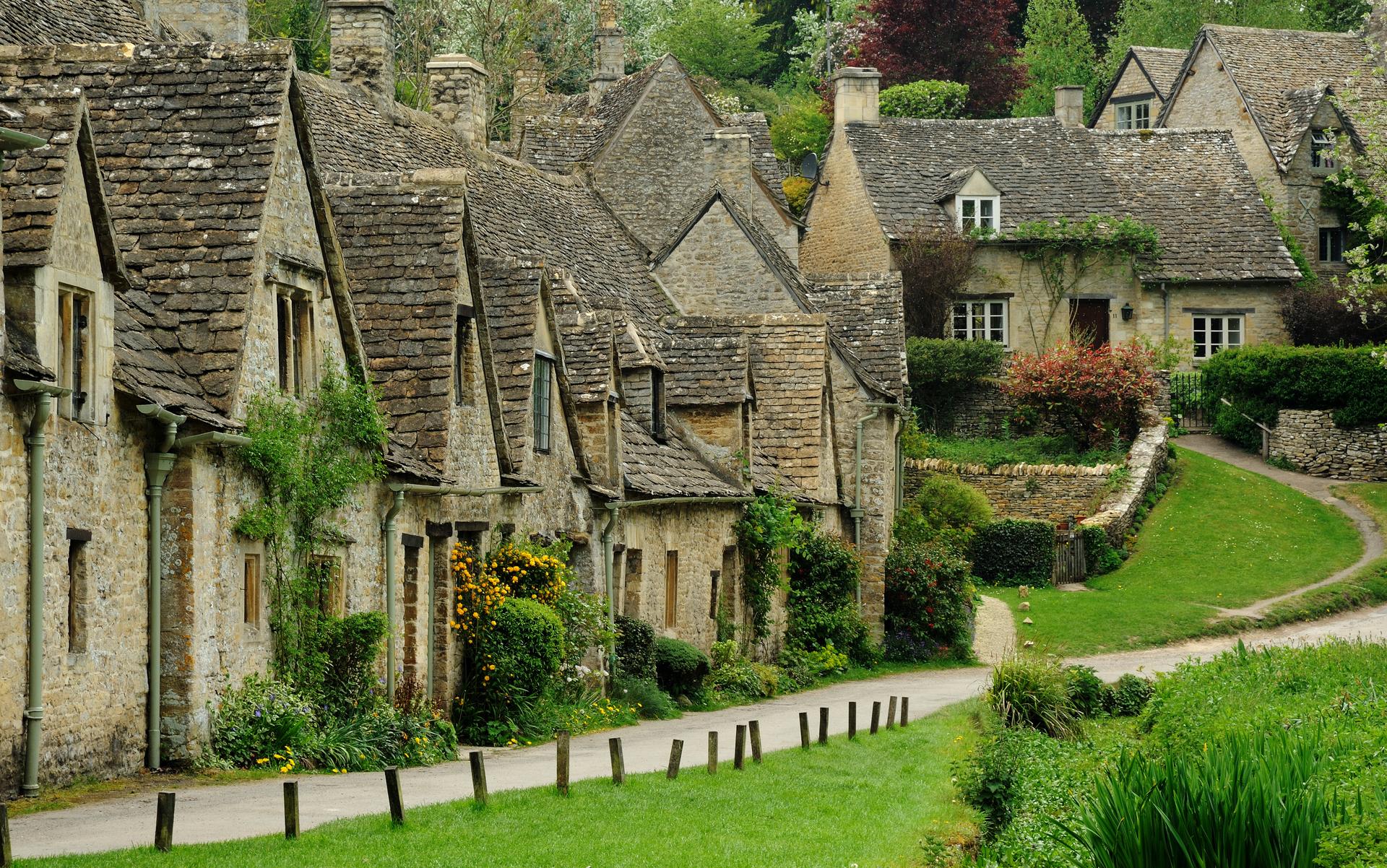
Looking beyond Folly Bridge? Discover Cotswolds for broader travel guides, local hot-spots, and regional highlights.
Explore Cotswolds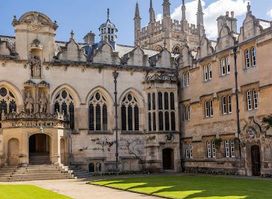
Explore Oriel College, one of Oxford’s oldest royal foundations, where centuries of history and stunning architecture meet vibrant academic life.
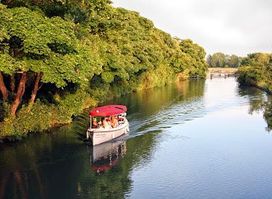
Discover Oxford’s iconic landmarks and vibrant river life on a scenic 45-minute Thames cruise aboard elegant electric boats.
