
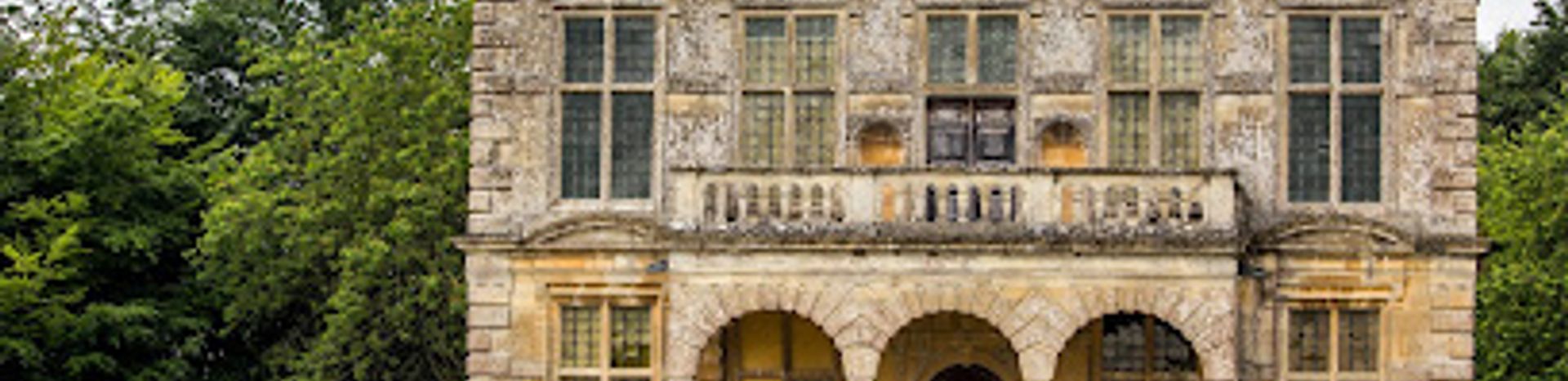
Lodge Park and Sherborne Estate
England's sole surviving 17th-century deer coursing grandstand, restored to splendour within a wildlife-rich Cotswold estate.
England's only surviving 17th-century deer coursing grandstand, meticulously restored by the National Trust and set within a working Cotswold estate. Lodge Park stands as a remarkable architectural relic of leisure and entertainment from the era of John 'Crump' Dutton, surrounded by 18th-century landscaped grounds and abundant wildlife. The estate encompasses walking trails, water meadows, and a sculpture trail, offering visitors both historical insight and natural immersion in the Gloucestershire countryside.
A brief summary to National Trust - Lodge Park and Sherborne Park Estate
- Lodge Park, Cheltenham, Aldsworth, GL54 3PP, GB
- +441451844130
- Visit website
- Duration: 1 to 4 hours
- Budget
-
 Mixed
Mixed
- Mobile reception: 3 out of 5
- Friday 10 am-4 pm
Local tips
- Lodge Park building itself is open only on selected days (March to October, Fridays to Mondays, and daily in August). Book ahead online for guided tours. The estate grounds and walking trails are accessible year-round, dawn to dusk, at no charge.
- Start your estate exploration at Ewe Pen Barn, where three main walking routes depart. Choose based on time and fitness level—the Short Woodland Stroll takes 45 minutes, while the Historic Farmland Hike allows 2–3 hours.
- Visit the water meadows from Northfield Barn car park to spot otters, water voles, and dragonflies. These 18th-century engineered wetlands are particularly rewarding in spring and early summer.
- The estate is dog-friendly, making it ideal for visitors with pets. Keep dogs under control on walking trails, particularly in areas where livestock graze.
- Bring binoculars for wildlife spotting. Fallow and roe deer are most active during dawn and dusk; badgers and foxes are nocturnal but signs of their presence are visible throughout the estate.

For the on-the-go comforts that matter to you
- Restrooms
- Drink Options
- Food Options
- Seating Areas
- Picnic Areas
- Trash Bins
- Information Boards
- Visitor Center
Getting There
-
Car from Cheltenham
Drive west from Cheltenham town centre via the A40 towards Oxford. After approximately 12 kilometres, take the exit towards Northleach and follow signs for Aldsworth. Lodge Park is located near Aldsworth village, approximately 20 minutes from Cheltenham town centre. Parking is available at Ewe Pen Barn (the main visitor car park for estate walks) and Northfield Barn (for water meadows access). Parking is free.
-
Car from Bourton-on-the-Water
From Bourton-on-the-Water, drive north-west for approximately 8 kilometres via the A429 towards Northleach, then follow local signs towards Aldsworth and Lodge Park. Journey time is approximately 15 minutes. Free parking available at Ewe Pen Barn and Northfield Barn.
-
Bus from Cheltenham
Local bus services operate from Cheltenham town centre to villages in the Cotswolds, including routes towards Northleach and Aldsworth. Journey times vary between 45 minutes and 1.5 hours depending on service and stops. Services are less frequent on Sundays and Bank Holidays. Check local transport operators for current timetables and fares.
-
Walking from Aldsworth village
Aldsworth village is approximately 2.5 kilometres from Lodge Park. A walking route of approximately 45 minutes connects the village to the estate, passing through farmland and woodland. The terrain is mixed with some uneven ground and field paths; sturdy footwear is recommended. This option is weather-dependent and less suitable during wet conditions.
National Trust - Lodge Park and Sherborne Park Estate location weather suitability
-
 Any Weather
-
 Clear Skies
-
 Mild Temperatures
Discover more about National Trust - Lodge Park and Sherborne Park Estate
A Grandstand Built for Spectacle and Sport
Lodge Park was constructed in the 17th century as an extraordinary grandstand for deer coursing, a fashionable aristocratic pastime. Built for John 'Crump' Dutton, a man of considerable means and appetite for entertainment, the building embodied the height of leisure culture during this period. The original structure consisted of two storeys with a basement, designed specifically to allow guests to observe the coursing events from a flat roof and a balcony overlooking the grounds. The ground floor served as an entrance hall for welcoming visitors, while the first floor contained the Great Room where guests were entertained between sporting events. The basement housed kitchens, ensuring that banqueting and hospitality could accompany the spectacle. This unique purpose makes Lodge Park England's only surviving 17th-century deer course and grandstand—a building type that has otherwise vanished from the British landscape.Centuries of Transformation and Decline
Following its original purpose, Lodge Park underwent significant changes across subsequent centuries. During the 19th century, the grandstand was converted into a private residence, then subdivided into a row of cottages, and later reconverted into a house once more. These alterations obscured the building's original form, and by the time it came into National Trust ownership in 1982, Lodge Park had fallen into considerable disrepair. The external walls were moving, chimney stacks were collapsing, and the interior had been fragmented into what the Trust described as "a jumble of small-scale modern rooms and corridors." The building's true historical significance had been buried beneath layers of domestic modification.Archaeological Restoration to Original Glory
When the National Trust acquired Lodge Park in 1982 following the bequest of Charles Dutton, 7th Baron Sherborne, the organisation embarked on its first major restoration project. This undertaking proved complex and meticulous. Researchers discovered a 1634 description of the building in historical archives and consulted the Sherborne Archive held in the Gloucester Record Office. Archaeological investigations revealed crucial evidence about the building's original configuration and subsequent alterations. Rather than simply stabilising the structure, the Trust made the ambitious decision to restore Lodge Park to a condition close to its original 17th-century form. This restoration was completed in 1998, returning the grandstand to its former architectural glory and allowing visitors to experience the building much as Dutton's guests would have done centuries earlier.The Sherborne Estate: A Living Landscape
Lodge Park sits within the broader Sherborne Estate, a working agricultural landscape that has been carefully managed to support both farming and wildlife conservation. The estate encompasses approximately 2,000 acres of Cotswold countryside, featuring mixed woodlands, open fields, and 18th-century water meadows. The landscape design at Lodge Park was created by Charles Bridgeman, an influential 18th-century gardener whose designs were considered revolutionary for their time. Though much of Bridgeman's original vision was never fully realised, the National Trust has undertaken restoration work to recover elements of this historic landscape design. The estate remains actively farmed while simultaneously serving as a habitat for diverse wildlife, including fallow and roe deer, badgers, foxes, otters, water voles, and dragonflies. This balance between agricultural use and nature conservation represents the Trust's broader commitment to sustainable land management.Walking Routes and Natural Discovery
Visitors to the Sherborne Estate can explore the landscape via three main walking routes that begin at Ewe Pen Barn. The Short Woodland Stroll offers a gentle introduction to the estate's wooded areas, while the Family Fun Walk provides a more accessible route suitable for visitors of varying abilities. The Historic Farmland Hike takes a longer path through the working agricultural landscape, revealing the relationship between farming and the natural environment. A sculpture trail winds through the pleasure grounds, adding an artistic dimension to the walking experience. The water meadows, accessible from Northfield Barn car park, provide opportunities to observe wetland wildlife and understand the historical engineering of drainage channels and sluices that have shaped this landscape for centuries. The estate remains open year-round from dawn to dusk, allowing visitors to experience the changing seasons and the rhythms of both wildlife and agricultural activity.Media Recognition and Contemporary Significance
The Sherborne Estate gained wider recognition when it served as the filming location for the BBC Two wildlife television programmes Springwatch and Autumnwatch in 2017, followed by Winterwatch in January 2018. This exposure highlighted the estate's ecological importance and the successful integration of wildlife conservation with working land management. Today, Lodge Park and the Sherborne Estate continue to demonstrate how historic sites can be preserved while simultaneously serving contemporary conservation goals and providing meaningful public access to both cultural heritage and natural spaces.For the vibe & atmosphere seeker
- Scenic
- Tranquil
- Adventurous
- Unique
For the design and aesthetic lover
- Historic
- Rustic Designs
For the architecture buff
- Historic
- Landmarks
- Parks & Gardens
- Heritage Neighborhoods
For the view chaser and sunset hunter
- Panoramas
- Iconic Views
For the social media creator & influencer
- Photo Spots
- Architectural Shots
For the eco-conscious traveler
- Eco-Friendly
- Protected Area
- Locally Managed
- Wildlife Habitat
- Public-Transport Accessible
For the kind of experience you’re after
- Cultural Heritage
- Nature Escape
- Photowalk
- Day Trip
- Myth & Legends
For how adventurous you want the journey to be
- Easy Access
- Requires Hike
Location Audience
- Family Friendly
- Senior Friendly
- Child Friendly
- Pet Friendly
- Solo Friendly
- Couple Friendly
- Wheelchair Access


