
Stanway House, Cotswolds Travel Guide
A lived-in Jacobean manor with the world’s tallest gravity-fed fountain, set in a beautiful Cotswold water garden.
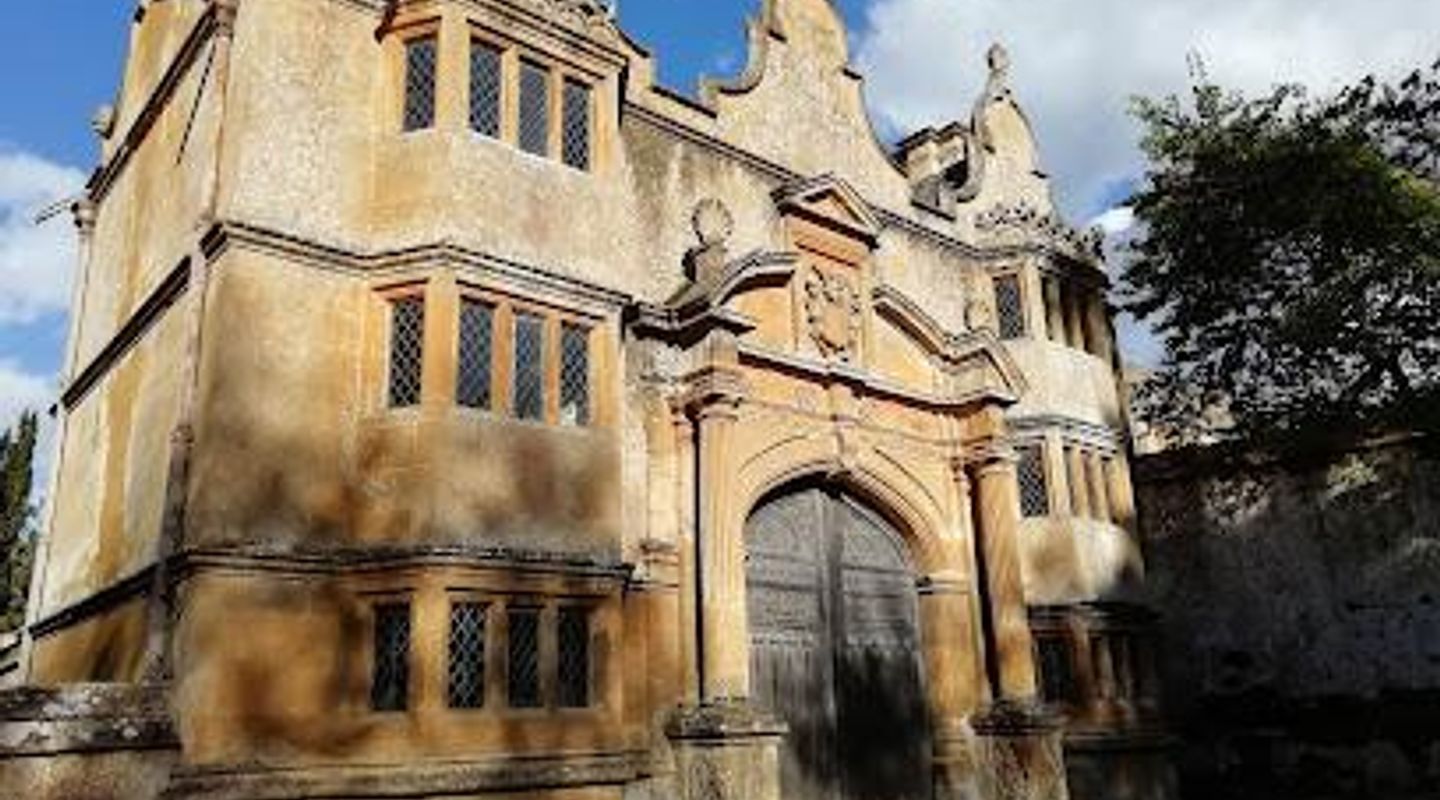
Stanway House is a stunning Jacobean manor in the Cotswolds, still lived in by the Earls of Wemyss. The house is surrounded by beautiful parkland and a remarkable 18th-century water garden, crowned by the world’s tallest gravity-fed fountain, which shoots 300 feet into the air. Visitors can explore the elegant interiors, wander through terraced lawns and formal canals, see a working watermill, and enjoy cream teas in a relaxed, family-friendly setting. The site combines centuries of history with a very English sense of charm and informality.
A brief summary to Stanway House
- Stanway House, Cheltenham, Stanway, GL54 5PQ, GB
- Click to display
- Click to display
- Duration: 1.5 to 3 hours
- Mid ranged
-
 Mixed
Mixed
- Mobile reception: 4 out of 5

Know before you go
Hi, I'm Eve. Here are a few practical things to know before exploring Stanway House.
- Check the fountain times in advance; it runs for half an hour at 2:45pm and 4:00pm, so plan your visit to catch it in action.
- Visit on a weekday afternoon in summer when the house and gardens are open; avoid peak weekends if you prefer a quieter experience.
- Bring a camera: the fountain, water garden, tithe barn and house interiors all offer excellent photo opportunities, especially in good light.
- Allow time for cream tea in the tea room by the pond; it’s a lovely way to relax after exploring the house and gardens.
- Keep dogs on short leads; they are welcome in the gardens and house but should be well behaved around other visitors and resident animals.
Do you manage this location?
Take control to get all the benefits, like improved information, better appearance, and stronger visibility across AI-powered discovery. Learn more about listing your business on Evendo
Activate your presenceOther nearby places you may find interesting
The closest places of the same kind, if this one is not quite what you had in mind.
Explore Stanway House on the Map
A handpicked selection of must-see spots near Stanway House, mapped for you.
Getting There
-
By car from Cheltenham
From central Cheltenham, follow the A435 towards Broadway. After about 10 km, turn off for Stanway and follow signs to Stanway House. There is ample parking for cars and coaches on site, with a short walk from the car park to the house and gardens.
-
By car from Broadway
From Broadway, take the B4077 towards Cheltenham and turn off for Stanway. The drive takes around 15 minutes. The estate has well-signposted access and plenty of parking, suitable for both private cars and coaches.
-
By public transport
Take a train to Cheltenham Spa station, then a local bus or taxi to Stanway. The journey by taxi takes about 20 minutes. There is no direct public transport to the house, so a short taxi ride or pre-arranged transfer is recommended.
-
Walking from nearby villages
From Toddington or Stanway village, a pleasant walk of 20–30 minutes leads to the house through quiet country lanes and footpaths. The route is mostly flat but can be muddy after rain; sturdy footwear is advisable.
For the on-the-go comforts that matter to you
-
 Restrooms
-
 Drink Options
-
 Drinking Water
-
 Food Options
-
 Seating Areas
-
 Sheltered Areas
-
 Picnic Areas
-
 Trash Bins
-
 Information Boards
-
 Visitor Center
Discover more about Stanway House
A Jacobean Jewel in the Cotswolds
Stanway House stands as one of the most beautiful examples of a Jacobean manor in England, its honey-coloured Guiting stone glowing warmly in the Cotswold light. Built and expanded over centuries, the house has been home to the Tracy family and their descendants, the Earls of Wemyss, for more than 500 years, and it remains a lived-in family home rather than a museum. This gives the interiors a relaxed, authentic feel, with fine antique furniture, William Morris wallpaper, and historic rooms such as the great hall, drawing room, and old library. The house’s architecture reflects its long history, from its medieval roots to its Stuart-era south front and later additions, all arranged in an elegant L-plan around a central courtyard.The World’s Tallest Gravity Fountain
The gardens at Stanway are dominated by one of the most impressive water features in the country: a single-jet fountain that rises 300 feet (about 91 metres) into the air, making it the tallest gravity-fed fountain in the world. Set in a formal canal on a terrace above the house, the fountain is the centrepiece of an 18th-century water garden that was likely designed by Charles Bridgeman, one of Britain’s greatest landscape gardeners. The garden unfolds in a series of terraced lawns, a rare grasswork, and a pyramid that once marked the head of a long cascade. The fountain operates at set times each afternoon, creating a dramatic spectacle that draws visitors from across the region.Water Garden, Mill and Ancient Barn
Beyond the fountain, the water garden includes a restored canal, several ponds, and sections of the original cascade, with plans to fully restore the upper cascade and its pools. A short walk leads to the fully restored watermill, which still works as a flour mill and offers a fascinating glimpse into traditional rural industry. Nearby stands the 14th-century tithe barn, built for Tewkesbury Abbey and later restored by Sir Philip Stott. Its massive rafters and undulating stone-slate roof give it a sense of grandeur and age, and it now serves as a striking backdrop to the lower garden and pond. Together, these elements create a landscape that feels both historic and harmonious.A Lived-In Estate with English Charm
What sets Stanway apart is its atmosphere of quiet, lived-in elegance. The house is not polished to perfection; instead, it shows the marks of generations of family life, from slightly worn carpets to personal touches in the rooms. Guides and stewards are present but unobtrusive, allowing visitors to explore at their own pace. The estate also includes parkland, specimen trees, and avenues that frame views across the Severn Vale, enhancing the sense of a carefully managed, almost magical English landscape. Dogs are welcome on leads, and the grounds are particularly pleasant on warm days, with plenty of shade and open space for children to enjoy.Visiting the House and Grounds
Stanway is open to the public on selected afternoons in summer, with separate admission for the house and fountain & gardens. Afternoon cream teas, homemade cakes, and locally produced ice cream are available in the tea room, often enjoyed by the pond near the tithe barn. The site is popular with couples, families, and garden enthusiasts, and it is especially rewarding for those interested in historic houses, landscape design, and traditional craftsmanship. Whether you come for the fountain’s spectacle, the house’s interiors, or the peaceful Cotswold setting, Stanway offers a memorable and distinctly English experience.












Your all‑in‑one travel companion app
Explore expert travel guides, compare and book tours, experiences, hotels, and more—all from the palm of your hand. Download now for seamless trip planning wherever your wanderlust takes you.


Explore More of Cotswolds
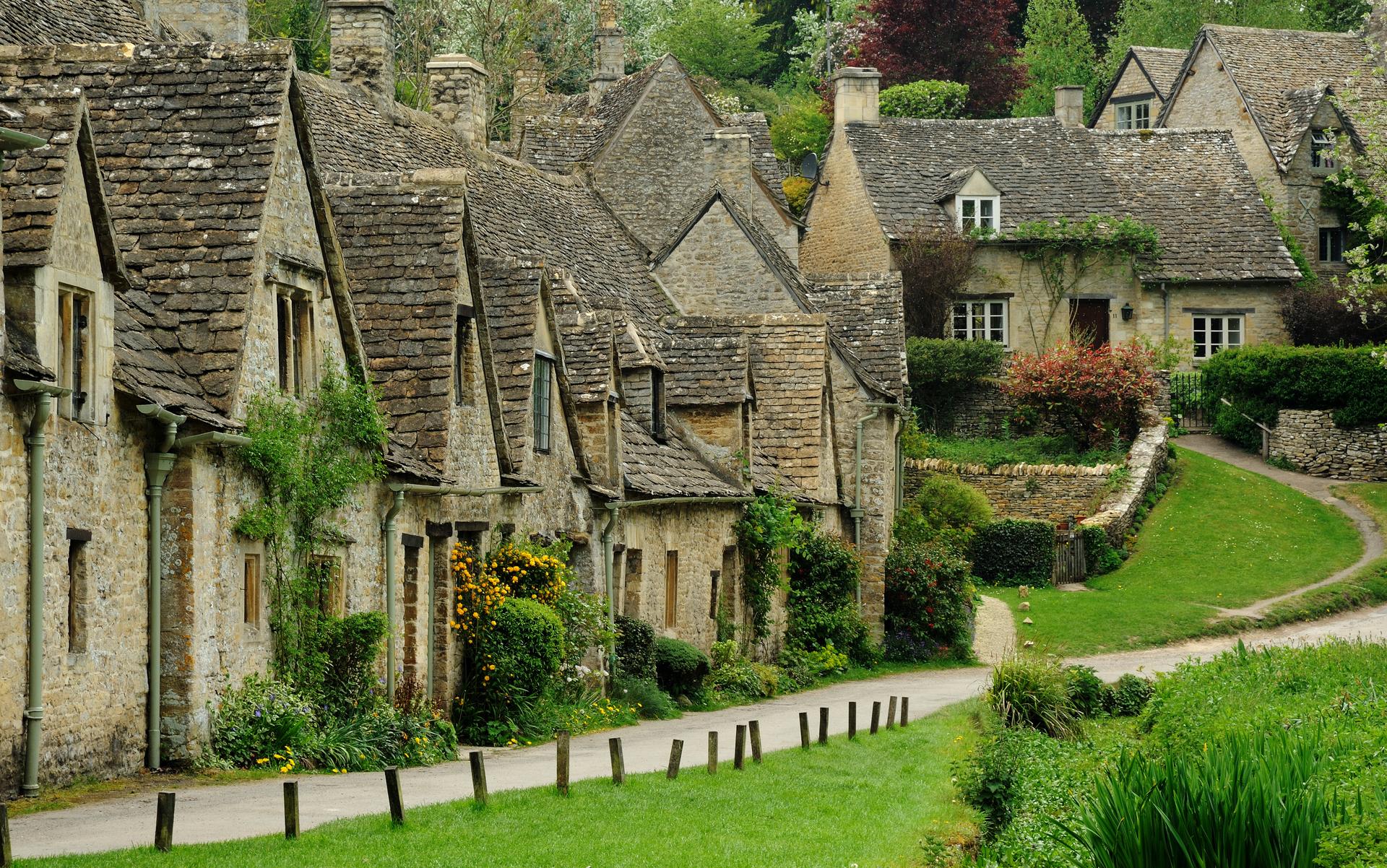
Looking beyond Stanway House? Discover Cotswolds for broader travel guides, local hot-spots, and regional highlights.
Explore Cotswolds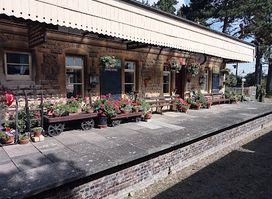
Step aboard vintage steam trains and journey through the scenic Cotswolds on a beautifully restored heritage railway rich in history and charm.
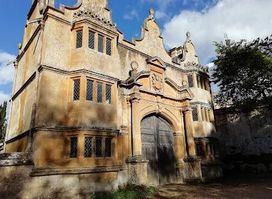
Explore Stanway House, a Jacobean manor with England’s tallest gravity fountain and enchanting historic gardens in the heart of the Cotswolds.
