The Cockpit Stone Circle, Cumbria Travel Guide
Explore the ancient mysteries of The Cockpit Stone Circle, a captivating Bronze Age monument nestled in Cumbria’s scenic countryside.
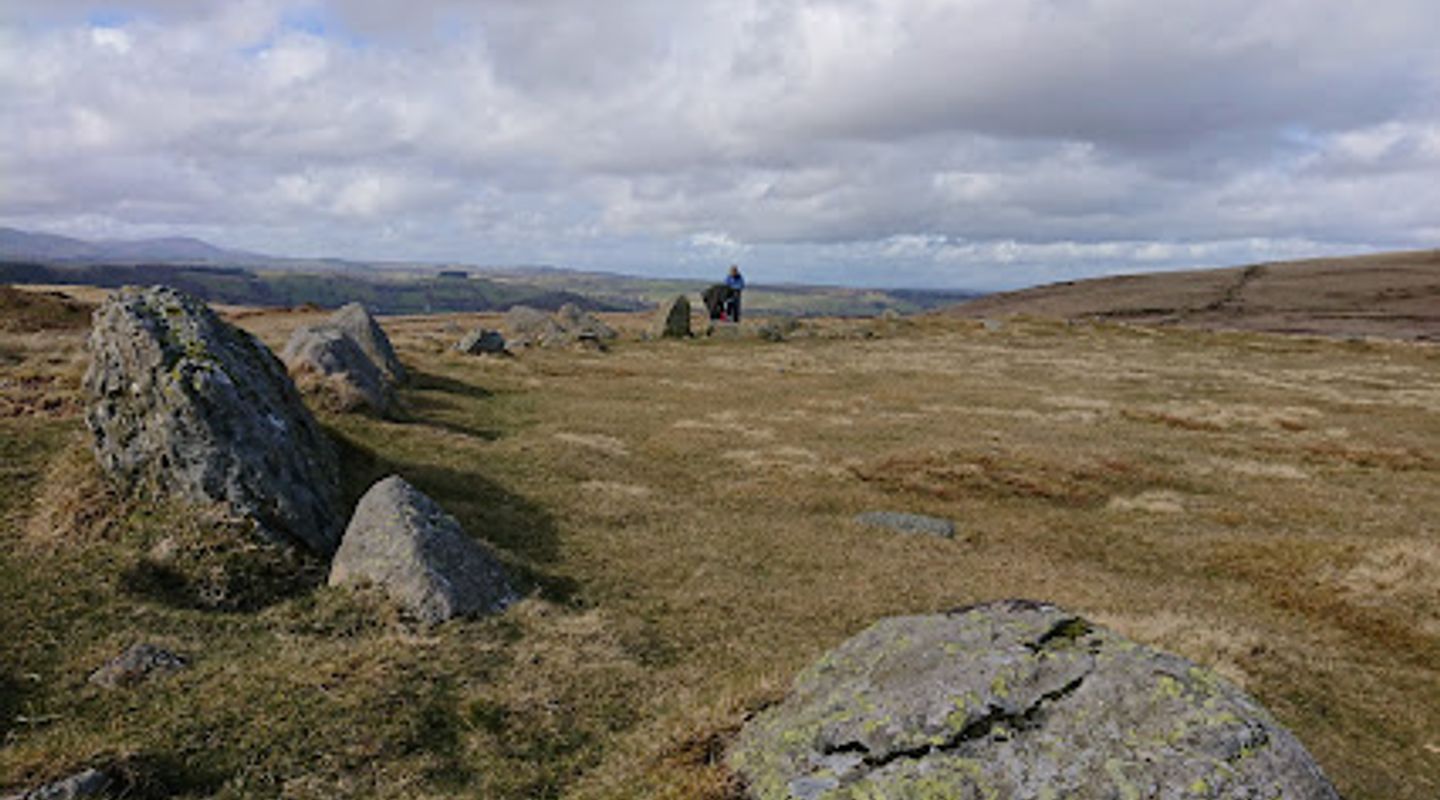
The Cockpit Stone Circle near Penrith, Cumbria, is a significant Bronze Age monument dating back over 4,000 years. This large stone circle, nestled in the scenic English countryside, offers visitors a glimpse into prehistoric ritual life and ancient community gatherings. Surrounded by lush landscapes, it is one of the most well-preserved and evocative stone circles in the region, inviting exploration of its mysterious origins and stunning natural setting.
A brief summary to The Cockpit Stone Circle
- Penrith, CA10 2LT, GB
- Duration: 0.5 to 2 hours
- Free
-
 Outdoor
- Mobile reception: 3 out of 5

Know before you go
Hi, I'm Eve. Here are a few practical things to know before exploring The Cockpit Stone Circle.
- Visit early morning or late afternoon for the best natural light and fewer crowds.
- Wear sturdy shoes as the terrain is uneven and grassy.
- Bring a picnic to enjoy the tranquil surroundings after exploring the site.
- Learn about local folklore and legends related to the stone circle to enrich your visit.
- Respect the site by not climbing on the stones or disturbing the natural environment.
Do you manage this location?
Take control to get all the benefits, like improved information, better appearance, and stronger visibility across AI-powered discovery. Learn more about listing your business on Evendo
Activate your presenceOther nearby places you may find interesting
The closest places of the same kind, if this one is not quite what you had in mind.

Explore The Cockpit Stone Circle on the Map
A handpicked selection of must-see spots near The Cockpit Stone Circle, mapped for you.
Getting There
-
Train and Bus Combination
Take a train to Penrith Railway Station, then board a local bus towards Shap or Kirkby Stephen. Disembark near the A6 and walk approximately 1 mile along a footpath to reach The Cockpit Stone Circle. The total travel time ranges from 1.5 to 2 hours depending on connections. Bus services may be infrequent, so check timetables in advance. The walking path includes uneven terrain requiring suitable footwear.
-
Car Travel
Drive from Penrith towards the A6 road near Shap. Parking is limited near the site, so plan to park safely along the roadside or designated areas and walk about 1 mile on uneven footpaths to the stone circle. Travel time from Penrith is approximately 20-30 minutes by car. Note that access roads are rural and may be narrow.
-
Walking from Nearby Villages
For those enjoying hiking, walking routes from nearby villages such as Shap offer scenic approaches to the stone circle. Expect a 2-3 hour walk over uneven countryside terrain. This option is suitable for experienced walkers with appropriate footwear and weather preparation.
For the on-the-go comforts that matter to you
-
 Seating Areas
-
 Information Boards
-
 Trash Bins
Discover more about The Cockpit Stone Circle
Ancient Origins and Historical Significance
The Cockpit Stone Circle is a prehistoric monument believed to have been constructed during the late Neolithic to early Bronze Age, approximately between 2000 and 900 BC. As one of the largest stone circles in England, it stands as a testament to the ceremonial and ritualistic practices of ancient communities inhabiting the region. The circle’s arrangement of standing and recumbent stones suggests a complex social or spiritual function, possibly linked to burial rites or seasonal gatherings. Its enduring presence offers valuable insight into the lives and beliefs of prehistoric peoples in Cumbria.Landscape and Setting
Nestled on the gently rolling fells near Penrith, The Cockpit Stone Circle is surrounded by lush green countryside that changes dramatically with the seasons. The site’s elevated position provides sweeping views of the surrounding landscape, enhancing its enigmatic atmosphere. The natural environment, with its grassy mounds and scattered stones partially concealed by vegetation, creates a tranquil yet mysterious ambience that connects visitors to the ancient past.Archaeological Features and Folklore
The circle comprises around 27 standing and fallen stones, some set into an earth bank, which may have originally formed a boundary or amphitheatre-like enclosure. Archaeological evidence suggests the presence of a burial cairn within the circle, indicating its use as a funerary site. Local folklore adds layers of intrigue, with tales of witches, ancient rituals, and the stones’ mysterious powers. Like many stone circles, The Cockpit has inspired legends that speak to its cultural importance and the human need to explain the unknown.Visitor Experience and Atmosphere
Visiting The Cockpit Stone Circle offers a peaceful escape into history and nature. The uneven terrain and grassy surroundings encourage slow exploration and reflection. Early morning or late afternoon visits provide optimal lighting for photography, capturing the stones’ textures and the shifting shadows cast across the site. The sense of standing where ancient peoples once gathered imbues the experience with a profound connection to time and place.Conservation and Accessibility
The site is well-preserved thanks to local conservation efforts, though visitors are encouraged to respect the fragile environment and avoid disturbing the stones or surrounding vegetation. Access involves a moderate walk from nearby roads, with terrain that requires sturdy footwear. The Cockpit Stone Circle remains a protected cultural heritage site, valued for its archaeological importance and natural beauty.Context within Cumbria’s Prehistoric Landscape
The Cockpit forms part of a rich prehistoric landscape in Cumbria, which includes other notable stone circles, henges, and ancient monuments. Its proximity to sites like Mayburgh Henge and King Arthur’s Round Table Henge underscores the region’s significance as a center of prehistoric ritual activity. Exploring The Cockpit within this wider context reveals the interconnectedness of ancient communities and their shared cultural traditions across the Lake District and beyond.More to explore near The Cockpit Stone Circle













Your all‑in‑one travel companion app
Explore expert travel guides, compare and book tours, experiences, hotels, and more—all from the palm of your hand. Download now for seamless trip planning wherever your wanderlust takes you.


Explore More of Cumbria

Looking beyond The Cockpit Stone Circle? Discover Cumbria for broader travel guides, local hot-spots, and regional highlights.
Explore Cumbria