Mavisbank House, Down Travel Guide
Discover Scotland’s first Palladian villa, a historic estate blending Enlightenment ideals, architectural innovation, and pioneering mental health care.
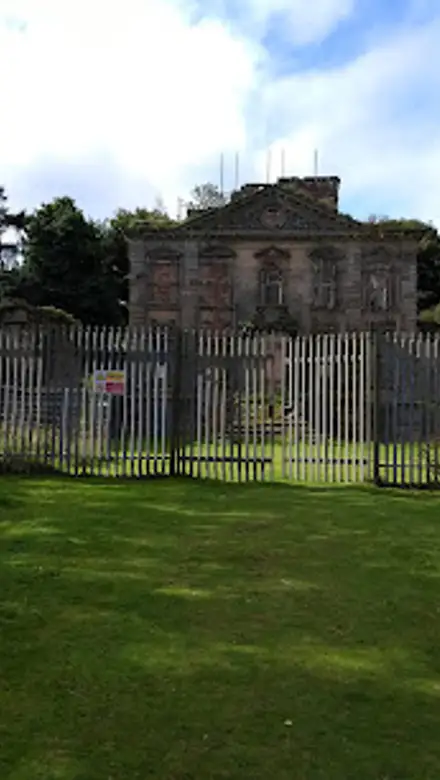
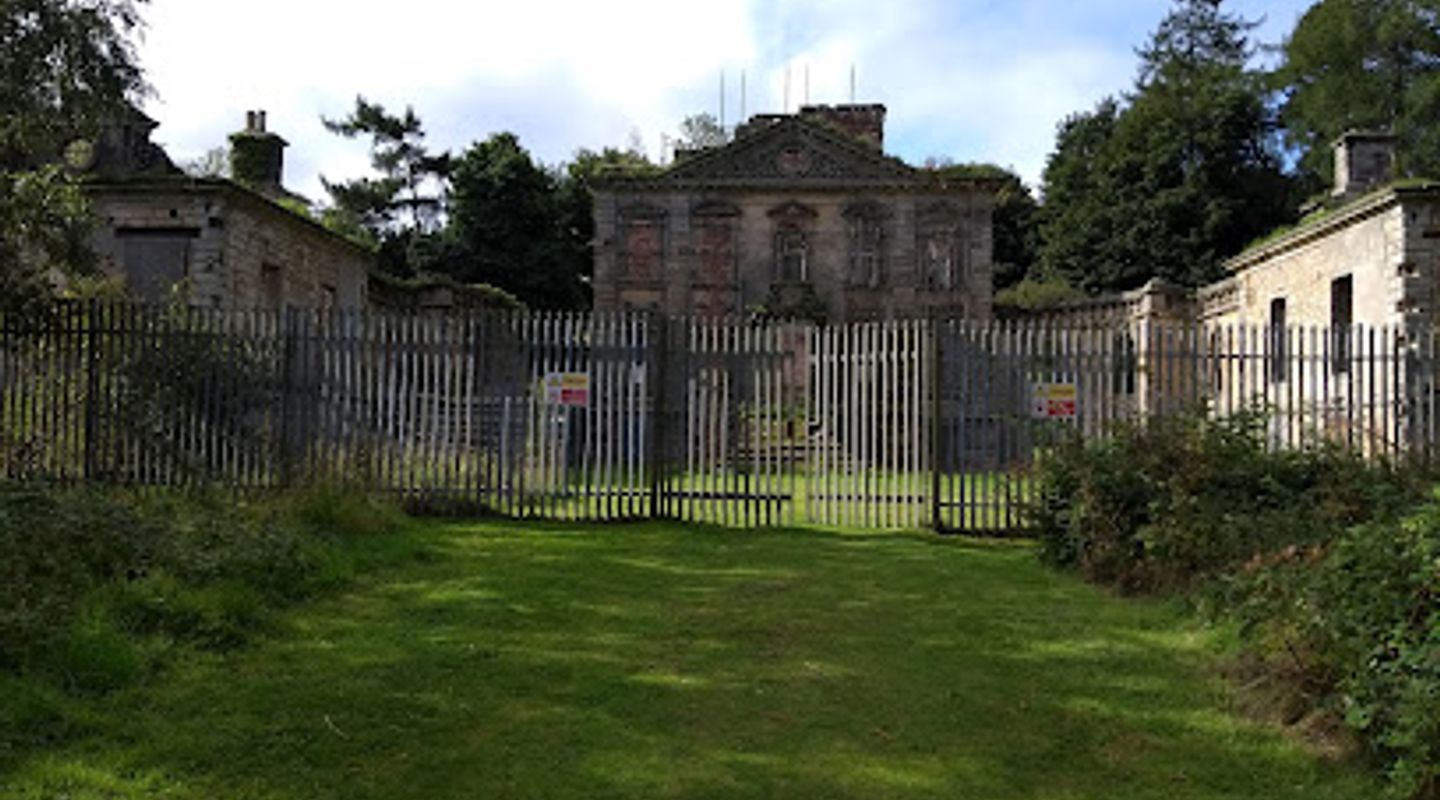
Mavisbank House, built in the 1720s near Lasswade, is Scotland’s first Palladian villa and a landmark of architectural and cultural history. Designed by William Adam and Sir John Clerk of Penicuik, it introduced Neo-Classical style to Scotland, symbolizing Enlightenment ideals and refined country living. Though now a ruin, it holds deep historical significance, having served as a pioneering mental health asylum and a private family retreat.
A brief summary to Mavisbank House
- Polton Rd, Lasswade, EH18 1HY, GB
- Click to display
- Click to display
- Duration: 1 to 2.5 hours
- Free
-
 Outdoor
- Mobile reception: 4 out of 5

Know before you go
Hi, I'm Eve. Here are a few practical things to know before exploring Mavisbank House.
- Wear sturdy footwear as the site is a ruin and uneven underfoot; exercise caution when exploring the grounds.
- Visit during daylight hours to fully appreciate the architectural details and surrounding landscape.
- Bring a camera for capturing the evocative ruins and scenic estate views.
- Check local access conditions as the house is not fully restored and may have restricted areas.
Do you manage this location?
Take control to get all the benefits, like improved information, better appearance, and stronger visibility across AI-powered discovery. Learn more about listing your business on Evendo
Activate your presenceOther nearby places you may find interesting
The closest places of the same kind, if this one is not quite what you had in mind.

Explore Mavisbank House on the Map
A handpicked selection of must-see spots near Mavisbank House, mapped for you.
Getting There
-
Train and Bus
Take a train from Edinburgh Waverley to Loanhead station (approx. 20 minutes), then a local bus or taxi to Mavisbank House, about 4 km away. Bus services run hourly with fares around £3-£5.
-
Car
Driving from Edinburgh city center takes about 25-30 minutes via A720 and B7008. Limited parking is available near the site; check local restrictions. No parking fees apply.
-
Walking
For the adventurous, a 90-minute walk from Loanhead town center is possible via rural paths with some uneven terrain. Suitable for those with moderate fitness and sturdy footwear.
For the on-the-go comforts that matter to you
-
 Information Boards
-
 Seating Areas
-
 Trash Bins
Discover more about Mavisbank House
Architectural Innovation and Enlightenment Vision
Mavisbank House stands as Scotland’s pioneering Palladian villa, constructed between 1723 and 1727. It was designed collaboratively by William Adam, Scotland’s foremost architect of the early 18th century, and his client Sir John Clerk of Penicuik, a leading figure of the Scottish Enlightenment. This villa marked a cultural shift from the Baroque to the Neo-Classical style, introducing symmetrical plans, classical ornamentation, and curving wings that influenced Scottish architecture profoundly. Clerk, inspired by his European travels and education, envisioned Mavisbank as a refined country retreat embodying classical ideals and intellectual sophistication.A Residence Reflecting Scottish Enlightenment Ideals
Beyond its architectural significance, Mavisbank was a cultural hub and a private sanctuary for the Clerk family. It served as a cabinet of art and sculpture, reflecting the tastes of Scotland’s intellectual elite. Sir John Clerk’s role in negotiating the 1707 Act of Union and his contributions to Scottish trade and industry imbue the house with historical gravitas. His poetic work, ‘The Country Seat,’ elaborated the villa’s concept as a civilized escape from urban life, blending nature and culture harmoniously.Transformation into a Groundbreaking Mental Health Facility
In the late 19th century, Mavisbank transitioned from a family home to a private asylum known as New Saughton Hall. It became notable for pioneering mental health treatments, particularly therapeutic gardening led by Mary E. Burton, Scotland’s first female professional gardener. The asylum cared for patients including WWI soldiers with shell shock, marking nearly 80 years of innovative care. This chapter adds a poignant layer to the estate’s history, linking it to advances in medical and social practices.Decline, Ruin, and Preservation Efforts
After the asylum closed in 1953, Mavisbank suffered neglect and was gutted by fire in 1973, leaving it a precarious shell. Ownership disputes and dereliction have hindered restoration, though Historic Environment Scotland maintains the surrounding parkland. The house remains Category A listed and on the Buildings at Risk Register. Recent grants aim to stabilize the structure and enable detailed surveys, reflecting ongoing efforts to preserve this architectural treasure.The Estate and Landscape Legacy
The wider Mavisbank estate, acquired by John Clerk’s family in the late 17th century, was developed with extensive tree planting, ornamental gardens, and landscape features reflecting Enlightenment aesthetics. The estate’s design included avenues, orchards, and ornamental structures like the folly Knights Law, blending utility with beauty. These grounds illustrate the integration of architecture and landscape as a unified cultural statement.Enduring Symbolism and Cultural Resonance
Mavisbank House embodies Scotland’s transition into a new cultural and political era post-Union, symbolizing intellectual progress and refined country living. Its layered history—from architectural milestone to mental health pioneer and ruin—offers a rich narrative of Scottish heritage. Though in ruins, it continues to inspire efforts to safeguard and celebrate Scotland’s architectural and social history.












Your all‑in‑one travel companion app
Explore expert travel guides, compare and book tours, experiences, hotels, and more—all from the palm of your hand. Download now for seamless trip planning wherever your wanderlust takes you.


Explore More of Down
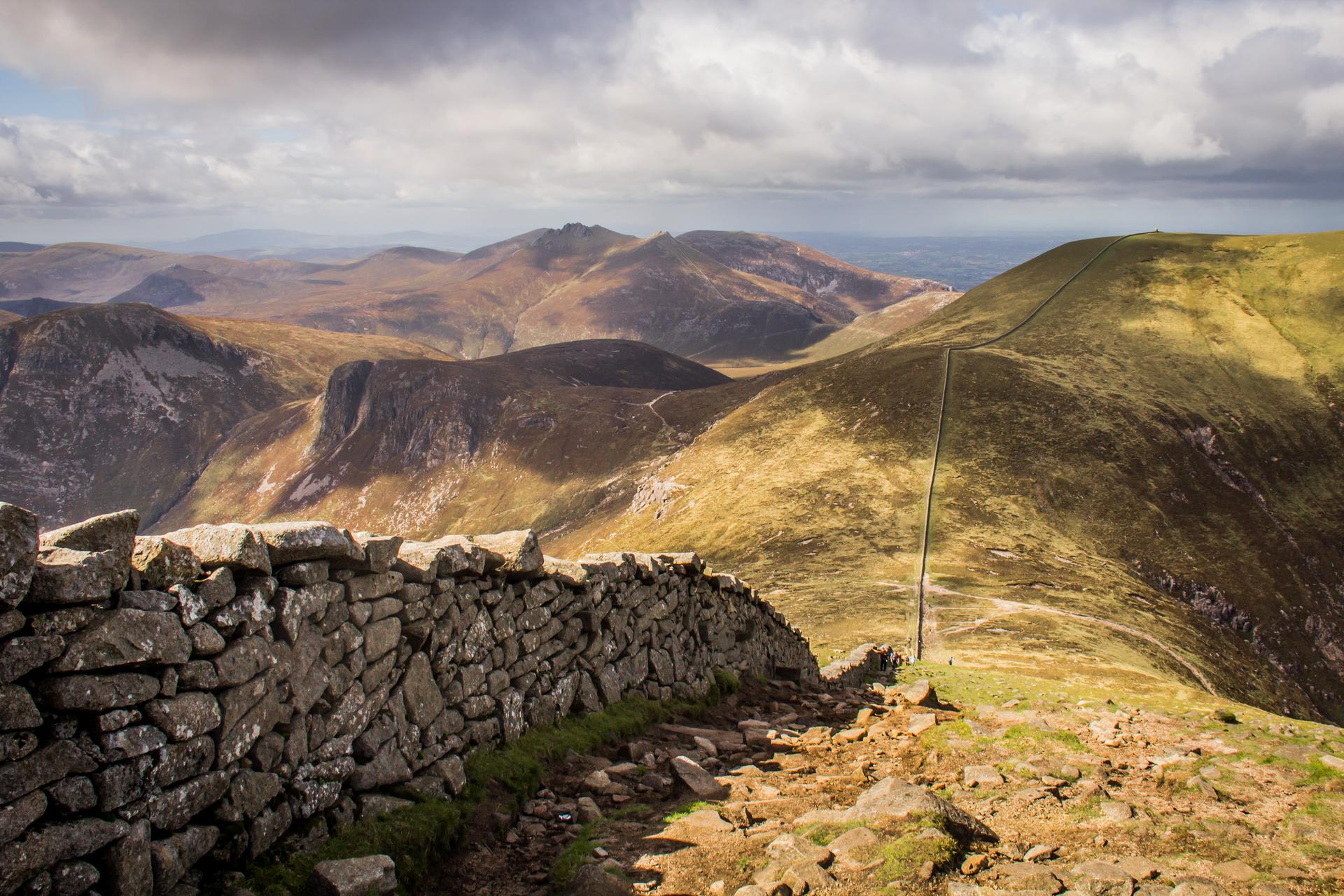
Looking beyond Mavisbank House? Discover Down for broader travel guides, local hot-spots, and regional highlights.
Explore Down