Background

St Salvator's Chapel, St Andrews

4.7 (312)

Historic Late Gothic chapel at the heart of St Andrews University, rich in religious heritage and architectural beauty.

St Salvator's Chapel, founded in 1450 by Bishop James Kennedy, is a historic collegiate chapel of the University of St Andrews. Built in Late Gothic style, it serves as the university’s official chapel and a key religious and cultural landmark. The chapel is renowned for its medieval architecture, stained glass windows, historic pulpit, and its role in Scotland’s Reformation history, including the martyrdom of Patrick Hamilton.

A brief summary to St Salvator's Chapel

Local tips

  • Visit during term-time Sundays to experience the traditional choral evensong and the famous academic pier walk.
  • Look for the initials ‘PH’ in the cobbles outside marking where Protestant martyr Patrick Hamilton was burned.
  • Explore the stained glass windows and the medieval sacrament house for insights into the chapel’s artistic heritage.
  • Check opening times in advance as access can be subject to university events and term schedules.
widget icon

Getting There

  • Bus

    Frequent local bus services run along North Street, connecting St Salvator's Chapel with central St Andrews and surrounding areas. Travel times typically range from 10 to 20 minutes from the town center. Buses are accessible and affordable, with fares around £1.50 to £3.00.

  • Car

    Visitors can drive to nearby on-street parking bays on North Street or use public car parks at St Andrews Castle and Murry Place, approximately a 5 to 10-minute walk from the chapel. Parking fees vary but generally range from £1 to £3 per hour.

  • Walking

    The chapel is within a 15 to 25-minute walk from St Andrews town center, along mostly flat and paved streets. The route is accessible for most visitors, including those with mobility aids.

For the on-the-go comforts that matter to you

  • Restrooms
  • Seating Areas
  • Information Boards

St Salvator's Chapel location weather suitability

  • Weather icon Any Weather
  • Weather icon Rain / Wet Weather
  • Weather icon Clear Skies
  • Weather icon Mild Temperatures

Discover more about St Salvator's Chapel

A Medieval Foundation with Enduring Legacy

St Salvator's Chapel was established in 1450 by Bishop James Kennedy as part of the College of St Salvator, one of the foundational colleges of the University of St Andrews. Constructed in the Late Gothic architectural style, the chapel was designed to serve both as a place of worship for the college community and as a collegiate church for the wider town. Its founding reflected Kennedy’s vision to create a university college comparable to those at Oxford and Cambridge, with a complex that originally included a dining hall and cloister, though these no longer survive.

Architectural and Artistic Highlights

The chapel’s architecture is a blend of medieval and later restorations, with significant refurbishments carried out in the 17th, 19th, and 20th centuries. Notable features include the medieval sacrament house, the intricately carved ‘John Knox’ pulpit, and a Communion table of historical significance. The stained glass windows add vibrant color and light, while the chapel’s tower houses a unique full ring of six bells, expanded in 2010 to mark university anniversaries. The Hradetzky organ enriches the chapel’s musical heritage, supporting its renowned choir.

Historical Significance and Religious Heritage

St Salvator's Chapel is deeply linked to Scotland’s religious history. It was a Catholic stronghold during the Scottish Reformation and the site near which Patrick Hamilton, Scotland’s first Protestant martyr, was burned at the stake in 1528. His initials are marked in the cobbles outside the chapel, and local lore suggests his visage is carved high on the chapel tower. The chapel also contains the tomb of its founder, Bishop Kennedy, and a World War I memorial with mosaics, reflecting its ongoing role as a site of remembrance and worship.

The Chapel’s Role in University Life

Today, St Salvator's Chapel remains the official chapel of the University of St Andrews, hosting regular services including term-time Sunday worship and choral evensong. It is a focal point for university ceremonies such as graduations and weddings, and its choir is integral to its vibrant worship life. The chapel also serves as a cultural hub, welcoming visitors and pilgrims on the St Andrew Pilgrim Journey, connecting the university’s spiritual heritage with the wider community.

Preservation and Visitor Experience

The chapel’s fabric tells a story of resilience, having endured religious strife and architectural changes over centuries. Its stone-vaulted roof was removed in the 18th century for safety but was so robust it required explosives for demolition. Visitors today can explore the chapel’s historic interiors, appreciate its art and architecture, and reflect on its layered history. The site is well supported with informative trails for children and adults, enhancing the educational experience.

Setting and Surroundings

Located on North Street in St Andrews, the chapel stands prominently at the southern end of the university precinct. Its main entrance faces the street rather than the college courtyard, emphasizing its dual role serving both academic and local communities. Nearby amenities include parking and bus services, making it accessible for visitors exploring the historic town and university.

Busiest months of the year

Busiest hours of the day

Mobile App

Your all‑in‑one travel companion app

Explore expert travel guides, compare and book tours, experiences, hotels, and more—all from the palm of your hand. Download now for seamless trip planning wherever your wanderlust takes you.
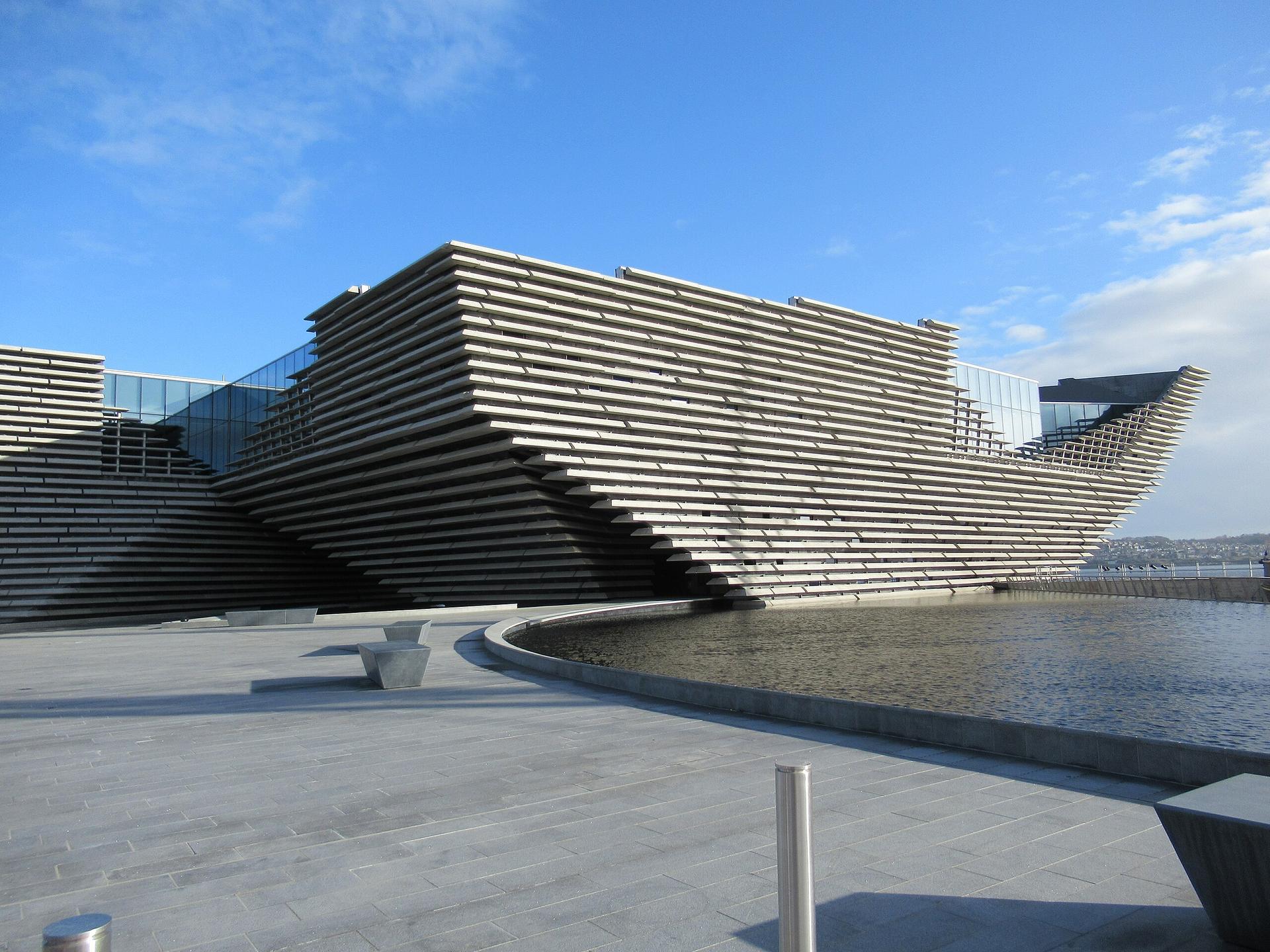


More about Dundee

File:V&A Dundee Near Completion Feb 2018 (Alex Liivet).jpg - Wikimedia  Commons

Discover Dundee – Scotland's sunniest city, where history meets modern design on the banks of the River Tay. Enjoy the V&A Dundee, RRS Discovery, and stunning waterfront views.

Tell me more about Dundee
Want to improve this location?

Activate this location now and let Evendo enhance its appearance, information, and visibility for millions of travellers.

Select Currency