

Wishart's Arch, Dundee Travel Guide
Free Guide: The last standing gateway of Dundee’s 16th-century city walls, echoing tales of plague, faith, and resilience.


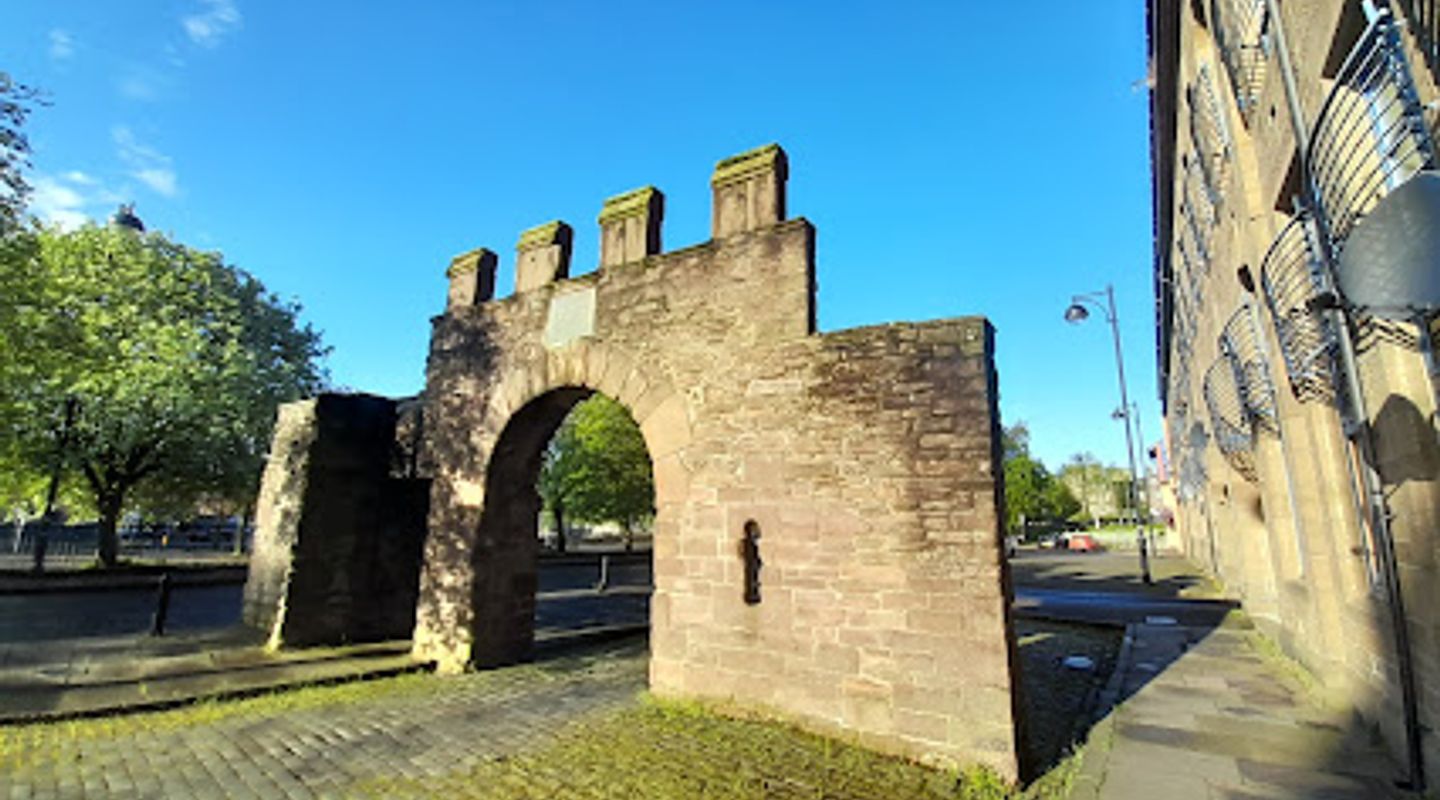
A brief summary of Wishart's Arch
The last standing gateway of Dundee’s 16th-century city walls, echoing tales of plague, faith, and resilience.
Wishart's Arch, located at 27-29 Wishart Archway in Dundee, is the only remaining fragment of the city's 16th-century defensive walls. Named after Protestant reformer George Wishart, who preached here during the 1544 plague quarantine, the arch stands as a poignant historical landmark reflecting Dundee’s turbulent past and religious heritage. Its simple yet evocative stone structure offers a tangible connection to the city's medieval fortifications and the era's religious conflicts.
On-site amenities
 Information boards
 Seating areas
 Trash bins
Opening hours
- Every dayOpen 24 hours
Opening hours as listed on the venue’s Google Business Profile. Hours can change for services and special events, so check with the venue before you go.
- Address
- 27-29 Wishart Archway, Dundee DD1 2JA
Getting there
Bus
Train
Car
Discover more about Wishart's Arch
A Fragment of Dundee’s Medieval Defenses
Wishart's Arch is the sole surviving remnant of the once extensive stone walls that fortified Dundee in the mid-16th century. Constructed during a period of heightened English hostilities known as the Rough Wooing, these walls were built in 1545 to protect the city. The arch originally formed part of the eastern gateway, historically called the Eastgate or Cowgate, marking a critical defensive and access point into Dundee. Today, the arch stands quietly amidst the modern cityscape, a rare physical link to Dundee’s fortified past.
George Wishart and the Arch’s Spiritual Legacy
The arch is named after George Wishart, a Protestant reformer who preached from this very spot in 1544 to those quarantined during a plague outbreak. His sermons offered spiritual solace to the afflicted, embedding the arch with deep religious significance. Wishart’s legacy is further marked by his tragic martyrdom; he was burned at the stake in St Andrews for his beliefs. This connection imbues the arch with a poignant narrative of faith, persecution, and resilience during a turbulent era in Scottish history.
The Arch’s Role in Dundee’s Historical Landscape
Dundee’s city walls, including Wishart’s Arch, symbolized the city’s strategic importance and the constant threat of conflict, especially during the 16th and 17th centuries. Over time, much of the fortification was dismantled or fell into ruin, with the arch surviving as a solitary sentinel. The arch’s endurance through centuries of urban development highlights its importance as a historical artifact and a testament to Dundee’s medieval urban fabric.
Architectural Simplicity and Historical Atmosphere
Unlike grand castles or ornate monuments, Wishart's Arch is characterized by its austere, functional stone construction. Its modest scale and weathered surfaces evoke the atmosphere of a bygone defensive era. The arch’s unadorned form invites reflection on the harsh realities of 16th-century urban life, plague, and religious strife, offering visitors a tangible connection to the lived experiences of Dundee’s ancestors.
Commemoration and Modern Recognition
A commemorative plaque on the arch honors George Wishart’s preaching during the plague, ensuring that the arch’s historical and spiritual significance is not forgotten. Today, it is recognized as a historical landmark and is part of Dundee’s cultural heritage, attracting those interested in Scotland’s religious history and medieval urban defenses. The arch’s presence enriches Dundee’s historic narrative and serves as a quiet monument to endurance and faith.
Context Within Dundee’s Evolving Cityscape
Set within the modern urban environment of Dundee, Wishart's Arch contrasts with the city’s contemporary architecture and bustling streets. It stands as a reminder of the city’s layered history, from medieval fortifications to industrial growth and modern regeneration. The arch’s survival amidst change underscores the importance of preserving historical landmarks that connect present-day visitors with the city’s complex past.
Evendo Review Centre
 Google
Guest reviews
Best time to go
Quietest: Jan, Feb & Dec · before 3am
Busy times are Evendo estimates for a typical year, to help you plan. Actual crowds vary with events, school holidays and the weather.
Explore Wishart's Arch on the map
A handpicked selection of must-see spots near Wishart's Arch, mapped for you.
Get your free copy of our complete guide to Wishart's Arch, delivered straight to you.
Everything on this page, from opening hours and how to get there to Eve’s tips and the best time to go, in one PDF you can read offline, print or share.
Already have an account? Sign in
Your Wishart's Arch guide is ready.
We'll send it to · Not you? Sign out

Getting your guide ready…
We are putting together a fresh copy of the Wishart's Arch guide. This can take up to a minute.
This can take a few moments. If your browser asks, choose Allow so the download can start. You'll find the guide in your Downloads folder.
Nothing happened? Download it again
Sorry, the guide is taking longer than usual. Please try again in a minute, or get it by email instead.
Other nearby places you may find interesting
The closest places of the same kind, if this one is not quite what you had in mind.
-
-
-
-
-


Swipe for more places
More to explore near Wishart's Arch

 Best experiences near Wishart's Arch
 Best hotels near Wishart's Arch
 Best landmarks near Wishart's Arch
 Best attractions near Wishart's Arch
 Best shops near Wishart's Arch
 Best restaurants near Wishart's Arch
 Best bars near Wishart's Arch
Do you manage this location?
Take control to get all the benefits, like improved information, better appearance, and stronger visibility across AI-powered discovery.
Explore more

Explore more of Dundee
Discover Dundee: From historic ships to modern design, experience a dynamic city blending rich heritage with vibrant culture on Scotland's stunning east coast.
Explore Dundee
Explore more of United Kingdom
Discover the United Kingdom: A blend of rich history, stunning landscapes, and vibrant cities, offering a unique travel experience for every visitor.
Explore United Kingdom
