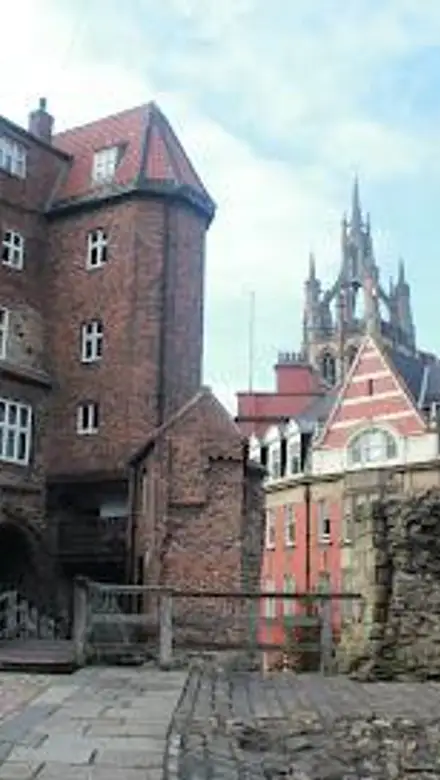
Castle Garth & The Black Gate, North East England Travel Guide
Explore Newcastle’s medieval gateway, The Black Gate, a historic fortress entrance turned vibrant urban hub steeped in centuries of history.
Castle Garth & The Black Gate form the historic northern gateway to Newcastle Castle, a medieval fortress dating back to the 12th century. The Black Gate, built between 1247 and 1250 by King Henry III, served as a formidable barbican and principal entrance, later evolving into a hub of local trade and community life. Today, it stands as a preserved monument reflecting centuries of Newcastle’s military, social, and architectural history.
A brief summary to Castle Garth & The Black Gate
- Newcastle upon Tyne, NE1 1RQ, GB
- Duration: 0.5 to 2 hours
- Mid ranged
-
 Outdoor
- Mobile reception: 4 out of 5

Know before you go
Hi, I'm Eve. Here are a few practical things to know before exploring Castle Garth & The Black Gate.
- Visit during weekdays to avoid larger weekend crowds and enjoy a quieter exploration of the historic site.
- Combine your visit with Newcastle Castle Keep nearby for a comprehensive medieval heritage experience.
- Check for any special exhibitions or events hosted by the Old Newcastle Project to enrich your visit.
- Wear comfortable shoes as the site includes uneven medieval stone surfaces and some stairs.
Do you manage this location?
Take control to get all the benefits, like improved information, better appearance, and stronger visibility across AI-powered discovery. Learn more about listing your business on Evendo
Activate your presenceOther nearby places you may find interesting
The closest places of the same kind, if this one is not quite what you had in mind.

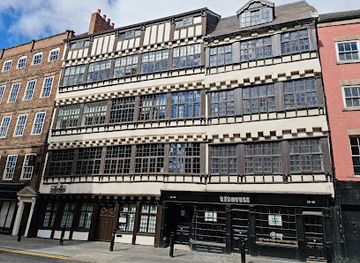
Explore Castle Garth & The Black Gate on the Map
A handpicked selection of must-see spots near Castle Garth & The Black Gate, mapped for you.
Unlock the Best of Castle Garth & The Black Gate
Buy tickets
-
No tickets available
Book tours with entry
-
No tours available
Book tours without entry

Getting There
-
Metro and Walking
Take the Tyne and Wear Metro to Central Station, approximately a 10-minute walk to Castle Garth & The Black Gate. The route is mostly flat and accessible, with clear pedestrian paths. Metro tickets cost around £2-£3 for a single journey.
-
Bus
Several local buses stop within 500 meters of the site, including routes 1, 12, and 22 from various parts of Newcastle. Travel time ranges from 10 to 20 minutes depending on starting point. Single fares typically cost £2-£3.50. Note that bus frequency may reduce on weekends.
-
Car
Driving is possible but parking near Castle Garth is limited and often metered. Nearby public car parks include Eldon Square and Haymarket, about a 5-10 minute walk away. Expect parking fees around £3-£5 per hour. Traffic can be busy during peak hours.
For the on-the-go comforts that matter to you
-
 Restrooms
-
 Information Boards
-
 Seating Areas
Discover more about Castle Garth & The Black Gate
Origins and Medieval Fortifications
Castle Garth and The Black Gate are integral parts of Newcastle’s medieval defensive complex. The original stone keep of Newcastle Castle was constructed between 1172 and 1177 by Henry II, replacing earlier timber fortifications. The Black Gate was added later, between 1247 and 1250, under King Henry III’s reign to serve as an outer barbican protecting the castle’s main northern entrance. This imposing gateway featured twin towers, vaulted guardrooms, and defensive mechanisms such as drawbridges and a portcullis, designed to repel attackers and control access to the fortress.The Black Gate’s Role in Urban Life
Beyond its military function, The Black Gate and the surrounding Castle Garth became a bustling urban area. By the early 17th century, the gatehouse was leased to Alexander Stephenson, who altered the upper floors and allowed shops and homes to develop around the site. This transformed the area into a vibrant commercial district inhabited mainly by tailors, shoemakers, and merchants. The gate’s name derives from Patrick Black, a merchant and tenant who acquired the lease in the early 1600s. Over time, the area evolved from a strategic stronghold into a mixed-use neighborhood.Decline and Victorian Intervention
By the 18th and 19th centuries, the Black Gate and Castle Garth had fallen into disrepair and were considered slum tenements housing many residents in poor conditions. The Industrial Revolution brought significant change, including the construction of a railway viaduct that now spans the site, limiting the surviving structures to the keep and Black Gate. Despite plans to demolish the castle to make way for railway development, preservation efforts by local antiquarians saved the Black Gate, which became one of Newcastle’s earliest archaeological museums.Architectural Features and Preservation
The Black Gate is a rare example of medieval military architecture with its massive stone walls, defensive towers, and gate passage. The upper floors, rebuilt in the 17th century, display characteristic square mullioned windows. The site’s preservation allows visitors to appreciate the layered history of Newcastle’s defenses and urban development. The juxtaposition of the medieval gate with the Victorian railway viaduct highlights the city’s evolving landscape over centuries.Legacy and Cultural Significance
Today, Castle Garth and The Black Gate stand as a symbol of Newcastle’s rich heritage, illustrating the transition from medieval fortress to modern city. Managed as part of Newcastle Castle, the site offers insights into the city’s strategic importance on the Anglo-Scottish border, its commercial growth, and the challenges of urban preservation. The Black Gate’s story reflects broader themes of adaptation, decay, and renewal common to historic urban centers.Visitor Experience and Surroundings
Visitors to the site can explore the atmospheric remains of the gatehouse and castle grounds, imagining the medieval life once centered here. The proximity to Newcastle’s vibrant city center and transport links makes it accessible while providing a tranquil historical enclave amid urban bustle. Interpretive displays and guided tours deepen understanding of the site’s layered past, from royal fortification to community hub and museum.More to explore near Castle Garth & The Black Gate













Your all‑in‑one travel companion app
Explore expert travel guides, compare and book tours, experiences, hotels, and more—all from the palm of your hand. Download now for seamless trip planning wherever your wanderlust takes you.


Explore More of North East England
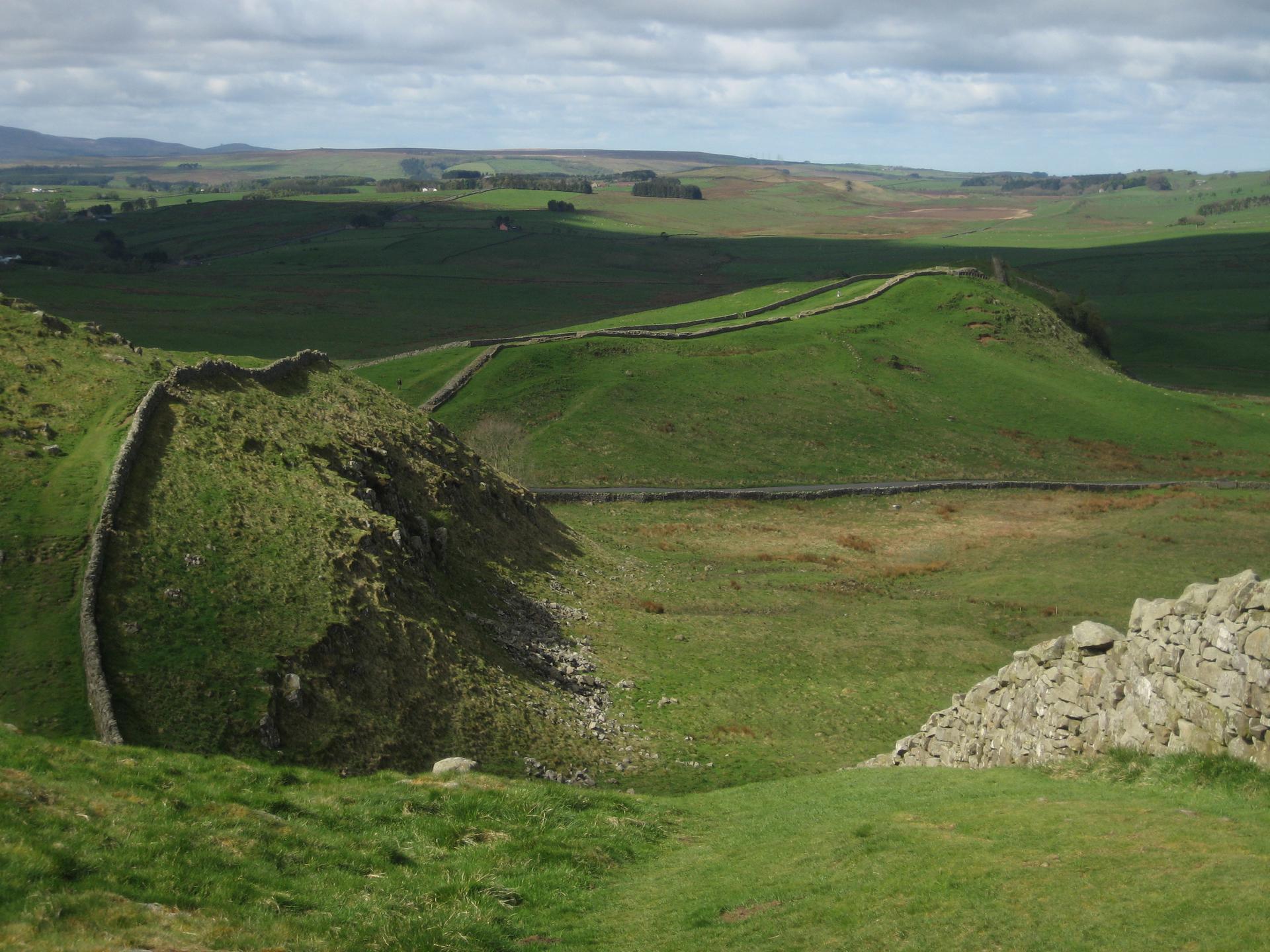
Looking beyond Castle Garth & The Black Gate? Discover North East England for broader travel guides, local hot-spots, and regional highlights.
Explore North East England
Historic medieval stairway linking Newcastle’s Quayside and city centre, rich with heritage and ghostly legends.

Explore Newcastle’s haunted streets and historic landmarks on immersive ghost tours filled with chilling tales and authentic paranormal encounters.