St Abbs, East Lothian Travel Guide
Discover St Abbs, a rugged fishing village with dramatic cliffs, vibrant marine life, and Britain’s first Voluntary Marine Reserve.
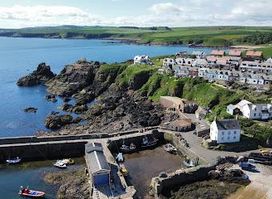
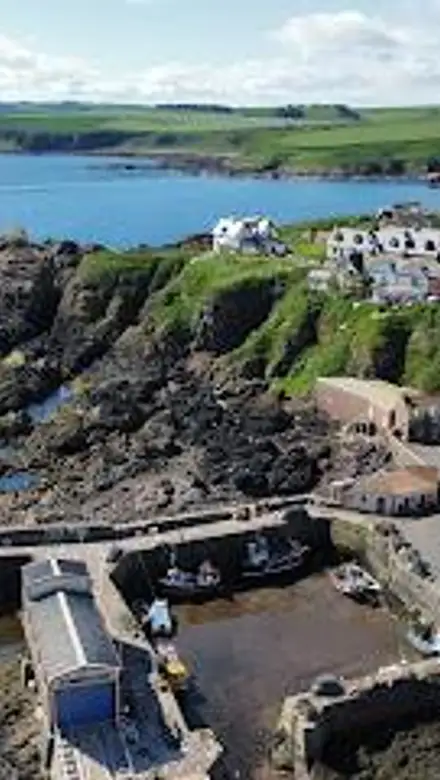
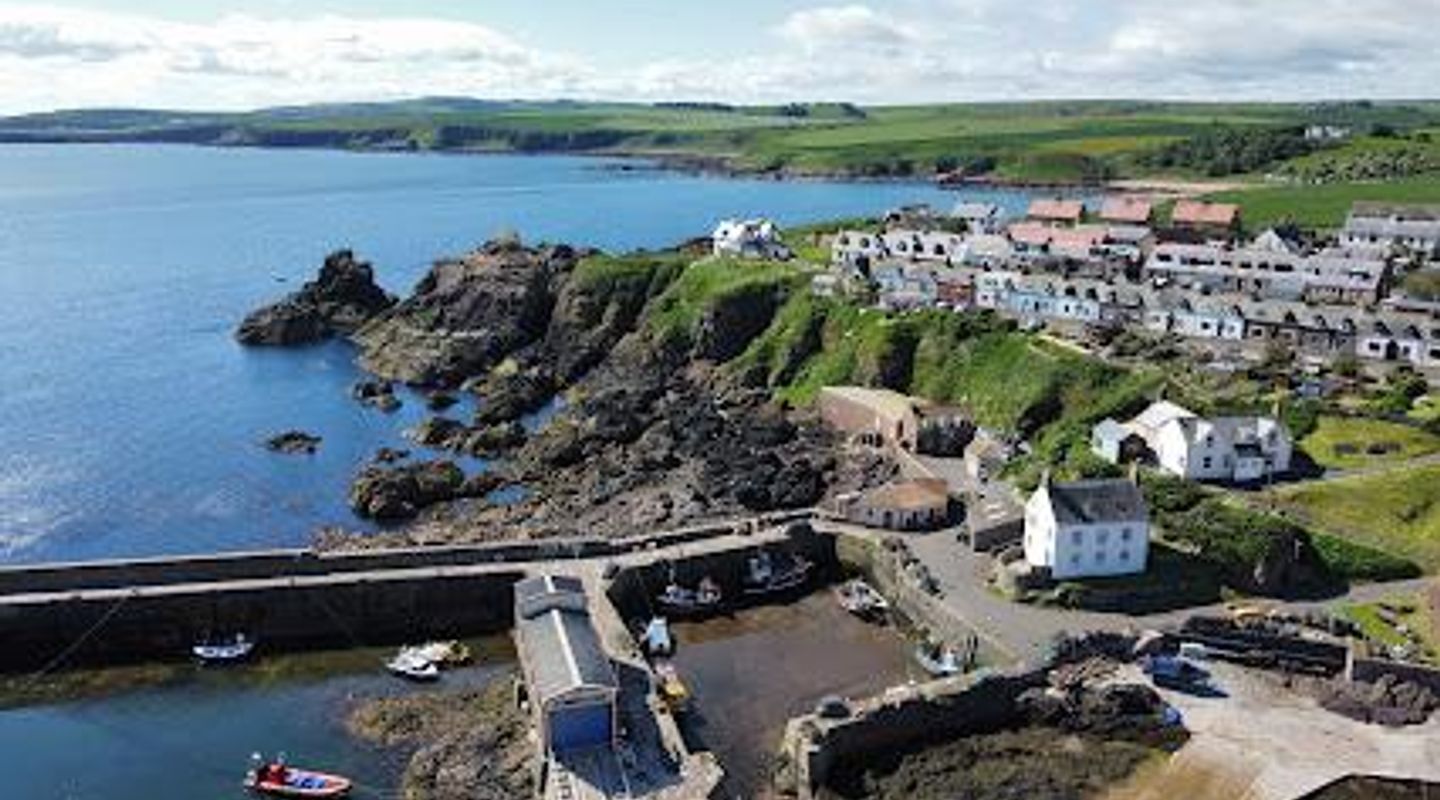
St Abbs is a remote fishing village on Scotland’s southeastern coast near Eyemouth, famed for its dramatic cliffs, clear waters, and rich marine life. Named after the 7th-century saint Æbbe, it offers stunning coastal scenery, a thriving seabird colony, and Britain’s first Voluntary Marine Reserve. Visitors can explore the historic harbour, enjoy cliff-top walks, and discover the vibrant underwater world that attracts divers from across the UK.
A brief summary to St Abbs
- Eyemouth, Saint Abbs, GB
- Duration: 1 to 4 hours
- Budget
-
 Outdoor
- Mobile reception: 4 out of 5

Know before you go
Hi, I'm Eve. Here are a few practical things to know before exploring St Abbs.
- Bring sturdy footwear for walking the cliff paths and exploring the rocky coastline safely.
- Visit the St Abbs Visitor Centre to learn about local wildlife, geology, and maritime history.
- If diving, check local conditions and regulations to protect the marine reserve’s delicate ecosystem.
- Plan visits during summer months for optimal seabird watching and wildflower displays.
- Support local businesses by trying fresh seafood at village cafes and restaurants.
Do you manage this location?
Take control to get all the benefits, like improved information, better appearance, and stronger visibility across AI-powered discovery. Learn more about listing your business on Evendo
Activate your presenceOther nearby places you may find interesting
The closest places of the same kind, if this one is not quite what you had in mind.
Explore St Abbs on the Map
A handpicked selection of must-see spots near St Abbs, mapped for you.
Unlock the Best of St Abbs
Buy tickets
-
No tickets available
Book tours with entry


Book tours without entry

Getting There
-
Train and Bus
Travelers can take a train to Berwick-upon-Tweed from Edinburgh or Newcastle, with journey times around 1.5 to 2 hours. From Berwick, local bus services connect to Eyemouth in approximately 30 minutes. From Eyemouth, taxis or local buses provide onward travel to St Abbs, about 10 minutes away. Bus services may be limited on weekends and holidays, so check schedules in advance.
-
Car
Driving from Edinburgh or Newcastle takes about 1.5 hours via the A1. Ample parking is available near St Abbs harbour and at The Old Smithy on the village outskirts. Note that some parking areas may charge a small fee. The roads are rural but well maintained, suitable for standard vehicles.
-
Walking
For those staying in nearby Eyemouth, a scenic 5 km coastal walk to St Abbs takes roughly 1.5 hours. The terrain is uneven with some steep sections along cliff paths, so sturdy footwear and moderate fitness are recommended. This route offers spectacular views but is not suitable for wheelchair users.
For the on-the-go comforts that matter to you
-
 Restrooms
-
 Drink Options
-
 Food Options
-
 Seating Areas
-
 Information Boards
-
 Visitor Center
-
 Trash Bins
Discover more about St Abbs
Origins and Historical Roots of St Abbs
St Abbs, originally known as Coldingham Shore, is a small fishing village steeped in history on Scotland’s southeastern coast. The village takes its name from St Abb's Head, a rocky promontory named after Æbbe of Coldingham, a 7th-century Northumbrian princess who founded a nunnery after being shipwrecked nearby. The village’s identity evolved in the 1890s when the laird Andrew Usher renamed it and invested in improving the harbour and local infrastructure, fostering the community’s fishing heritage.Natural Splendor and Coastal Landscape
Set amidst jagged cliffs that plunge dramatically into the North Sea, St Abbs is renowned for its rugged coastal beauty. The village is surrounded by sheer cliffs rising up to 300 feet, particularly at St Abb’s Head National Nature Reserve, which encompasses 200 acres of wild coastline. This reserve is a sanctuary for thousands of seabirds nesting on the cliffs, including puffins, guillemots, and razorbills. Inland areas like Mire Loch add diversity with swans, butterflies, and wildflowers such as sea pinks and wild thyme, creating a vibrant natural tapestry.Marine Life and Diving Heritage
St Abbs is a premier destination for scuba divers, thanks to its crystal-clear waters and spectacular underwater scenery. These conditions led to the establishment of Britain’s first Voluntary Marine Reserve in 1984, aimed at protecting the rich marine biodiversity. Divers can explore rocky islands close to the harbour, such as Big Green Carr and Broad Craig, and enjoy shore dives near Cathedral Rock’s iconic double archway. The village’s marine environment supports a thriving ecosystem, making it a hotspot for underwater exploration and sea angling.Community Spirit and Lifeboat Legacy
The village’s strong maritime tradition is reflected in its independent volunteer lifeboat station, originally founded in 1911 after a tragic shipwreck. Though the RNLI withdrew support in 2015, local fundraising and corporate sponsorship revived the station, which now operates the lifeboat Thomas Tunnock. This community resilience highlights St Abbs’ enduring connection to the sea and commitment to safety and heritage.Visitor Experience and Attractions
Visitors to St Abbs can enjoy a blend of natural beauty and cultural heritage. The village’s harbour area is lined with historic fishermen’s cottages and offers access to coastal walks with panoramic views. The St Abbs Visitor Centre, housed in the former village hall built in 1897, provides informative exhibitions about local wildlife, geology, and history. The area’s tranquility, combined with opportunities for birdwatching, diving, and photography, makes it a captivating destination for nature lovers and explorers alike.Conservation and Environmental Importance
St Abbs and its surrounding nature reserve are managed with a strong emphasis on conservation. The National Trust for Scotland oversees the protection of seabird colonies and coastal habitats, encouraging visitors to respect wildlife and the environment. The reserve’s wildflowers and diverse fauna contribute to its status as a vital ecological site, offering a rare glimpse into Scotland’s natural heritage and the delicate balance of coastal ecosystems.












Your all‑in‑one travel companion app
Explore expert travel guides, compare and book tours, experiences, hotels, and more—all from the palm of your hand. Download now for seamless trip planning wherever your wanderlust takes you.


Explore More of East Lothian
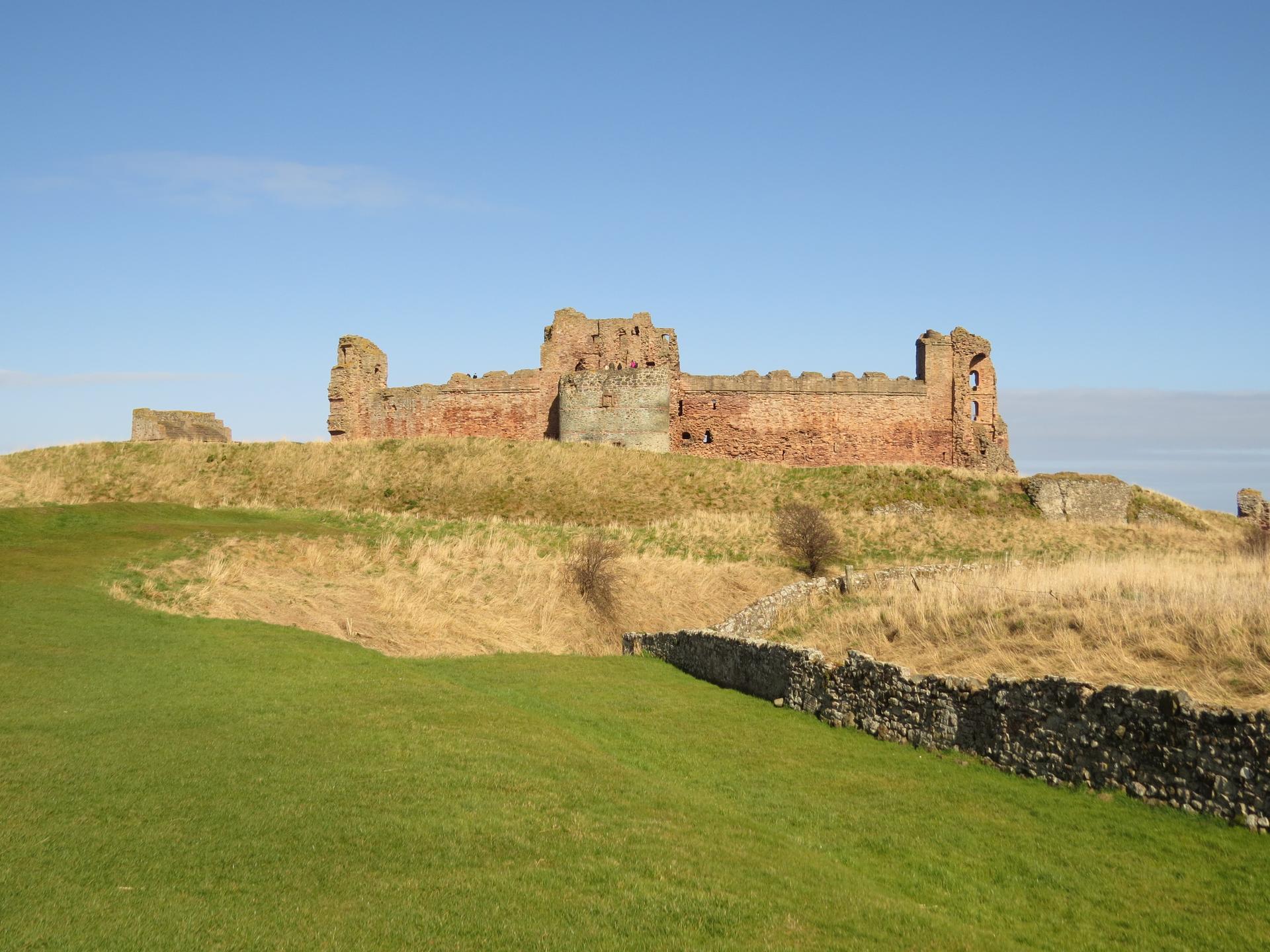
Looking beyond St Abbs? Discover East Lothian for broader travel guides, local hot-spots, and regional highlights.
Explore East Lothian