RSPB Langford Lowfields Travel Guide
Free Guide: Discover the East Midlands’ largest reedbed and a vibrant wetland sanctuary teeming with rare birds and tranquil walking trails.


A brief summary of RSPB Langford Lowfields
Discover the East Midlands’ largest reedbed and a vibrant wetland sanctuary teeming with rare birds and tranquil walking trails.
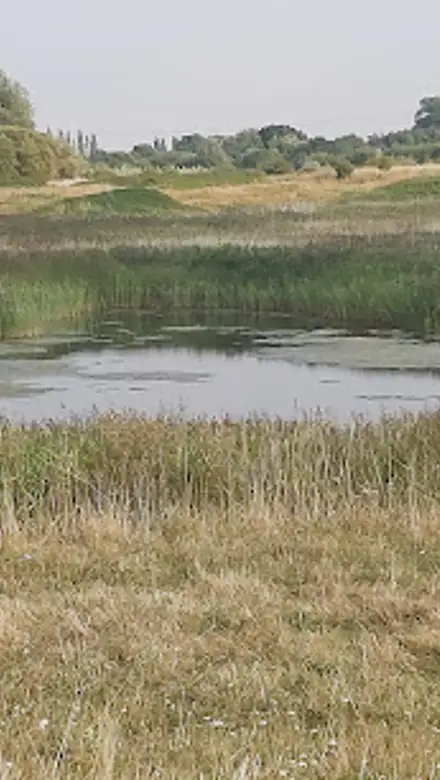
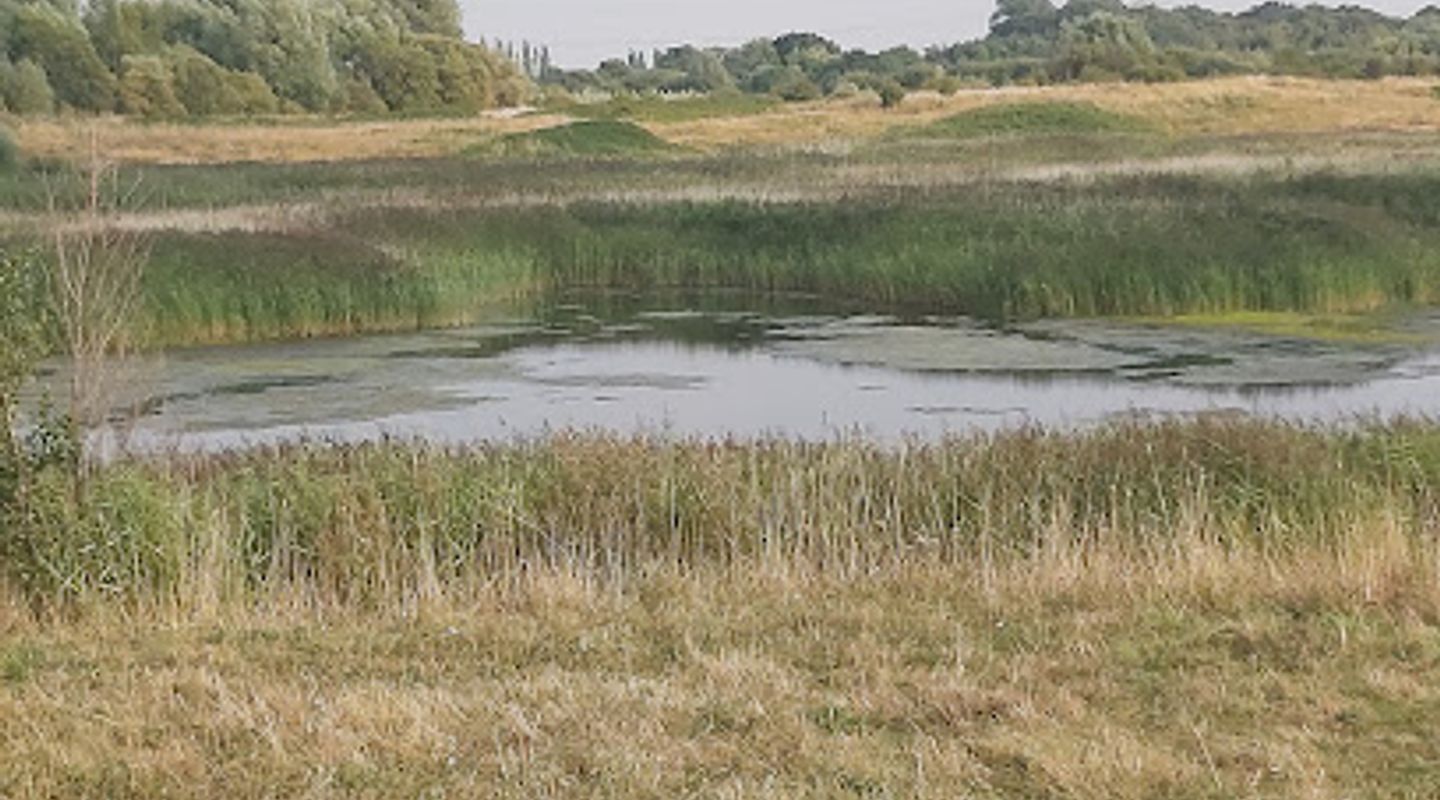
RSPB Langford Lowfields is a thriving nature reserve in Nottinghamshire, transformed from a former sand and gravel quarry into the largest reedbed in the East Midlands. This tranquil wetland habitat supports diverse wildlife including bitterns, marsh harriers, and brown hares. Visitors explore scenic trails through reedbeds, woodlands, and meadows, enjoying peaceful birdwatching and nature immersion in a carefully managed conservation area.
On-site amenities
 Parking
 Information boards
 Seating areas
 Picnic areas
Opening hours
- Every day8 am–6 pm
Opening hours as listed on the venue’s Google Business Profile. Hours can change for services and special events, so check with the venue before you go.
- Address
- Cottage Ln, Collingham, Newark NG23 7QL
- Phone
- Website
Getting there
Car
Bus
Walking
Discover more about RSPB Langford Lowfields
From Quarry to Wildlife Haven
Once a sand and gravel quarry, Langford Lowfields has been reborn through a partnership between the RSPB and Tarmac. The site now hosts the largest reedbed in the East Midlands, a vital habitat for threatened wetland species. Restoration efforts have included planting reed seedlings and managing reed cutting to maintain habitat diversity. This transformation exemplifies how industrial landscapes can be rewilded to support rich biodiversity.
Rich Habitats and Wildlife Spectacles
The reserve’s mosaic of reedbeds, wildflower meadows, mature woodland, and wetland areas creates an ideal environment for a variety of birds and mammals. Bitterns boom during spring breeding season, while marsh harriers and bearded tits are regular sights. Brown hares leap through the grasslands, and summer brings colorful wildflowers and dragonflies pursued by hobby falcons. The reedbed’s range from muddy islands to mature reed stands supports a complex ecosystem.
Visitor Experience and Trails
Visitors can explore several walking trails that wind through different habitats, including boardwalks and a floating bridge that allow close views of the reedbeds. The eastern boundary features a surfaced footpath suitable for pushchairs and wheelchairs in dry conditions, though gravelly tracks and kissing gates may challenge some mobility scooters and cyclists. Picnic spots and benches are scattered along the trails, inviting visitors to pause and absorb the serene surroundings.
Facilities and Accessibility
The reserve offers a small visitor welcome hut, originally a beach hut from Bempton Cliffs, open most days to provide information. There are no toilets or baby changing facilities on-site; the nearest public amenities are in Newark-on-Trent, approximately 5 miles away. Parking is available with charges for non-members (£1 for up to 2 hours, £2 all day), while RSPB members and Blue Badge holders park free. A height restriction barrier and limited parking spaces require some planning.
Conservation and Community
Langford Lowfields is a living example of collaborative conservation, balancing habitat creation with public engagement. On-site volunteers offer wildlife insights and walking route suggestions, enhancing visitor connection to the reserve’s natural rhythms. Ongoing management focuses on increasing habitat diversity and supporting insect and bird populations, ensuring the reserve’s ecological health for future generations.
Seasonal Highlights and Wildlife Watching Tips
Spring is the best time to hear the booming bitterns and see warblers in full song. Summer’s wildflowers and active dragonflies attract hobbies and other predators. Autumn and winter bring migratory birds and quieter moments for reflection. Binoculars and bird ID apps enhance the experience, while visitors are encouraged to respect the delicate environment and enjoy the peaceful atmosphere.
Evendo Review Centre
 Google
Guest reviews
Best time to go
Quietest: Jan, Nov & Dec · before 6am or at 9pm
Busy times are Evendo estimates for a typical year, to help you plan. Actual crowds vary with events, school holidays and the weather.
Explore RSPB Langford Lowfields on the map
A handpicked selection of must-see spots near RSPB Langford Lowfields, mapped for you.
Get your free copy of our complete guide to RSPB Langford Lowfields, delivered straight to you.
Everything on this page, from opening hours and how to get there to Eve’s tips and the best time to go, in one PDF you can read offline, print or share.
Already have an account? Sign in
Your RSPB Langford Lowfields guide is ready.
We'll send it to · Not you? Sign out

Getting your guide ready…
We are putting together a fresh copy of the RSPB Langford Lowfields guide. This can take up to a minute.
This can take a few moments. If your browser asks, choose Allow so the download can start. You'll find the guide in your Downloads folder.
Nothing happened? Download it again
Sorry, the guide is taking longer than usual. Please try again in a minute, or get it by email instead.
Other nearby places you may find interesting
The closest places of the same kind, if this one is not quite what you had in mind.
-

-
-
-
-


Swipe for more places
More to explore near RSPB Langford Lowfields
-
 Best experiences near RSPB Langford Lowfields
-
 Best hotels near RSPB Langford Lowfields
-
 Best landmarks near RSPB Langford Lowfields
-
 Best attractions near RSPB Langford Lowfields
-
 Best shops near RSPB Langford Lowfields
-
 Best restaurants near RSPB Langford Lowfields
-
 Best bars near RSPB Langford Lowfields


Do you manage this location?
Take control to get all the benefits, like improved information, better appearance, and stronger visibility across AI-powered discovery.
Explore more

Explore more of East Midlands
Discover the East Midlands: A blend of historic landmarks, vibrant cities, and stunning natural beauty in the heart of England.
Explore East Midlands
Explore more of United Kingdom
Discover the United Kingdom: A blend of rich history, stunning landscapes, and vibrant cities, offering a unique travel experience for every visitor.
Explore United Kingdom