

Preston Mill, East Lothian Travel Guide
Step back in time at Preston Mill, East Lothian’s picturesque historic watermill with riverside wildlife and Outlander connections.
Preston Mill, located in East Linton, East Lothian, is a picturesque 18th-century watermill famous for its distinctive Dutch-style conical roof and historic milling machinery. Once the last working commercial watermill in the region until 1959, it now offers guided tours that reveal the demanding life of millers. The nearby Phantassie Doocot, a 16th-century dovecote housing 500 pigeons, complements the serene riverside walks along the River Tyne, where wildlife such as kingfishers and herons can be spotted.
A brief summary to Preston Mill
- Preston Road, East Linton, EH40 3DS, GB
- Click to display
- Click to display
- Duration: 1 to 2 hours
- Mid ranged
-
 Outdoor
- Mobile reception: 4 out of 5
- Monday 10:30 am-3:30 pm
- Thursday 10:15 am-3:30 pm
- Friday 10:15 am-3:30 pm
- Saturday 10:15 am-3:30 pm
- Sunday 10:15 am-3:30 pm

Know before you go
Hi, I'm Eve. Here are a few practical things to know before exploring Preston Mill.
- Pre-book guided tours online to guarantee entry, as access to the mill interior is by guided tour only with limited spaces.
- Explore the peaceful riverside walk to Phantassie Doocot and watch for local wildlife such as kingfishers and herons.
- Bring a camera to capture the mill’s unique Dutch-style roof and picturesque waterside setting.
- Members of the National Trust for Scotland enjoy free parking and entry.
- Visit the gift shop for Outlander-inspired souvenirs and enjoy light refreshments during your visit.
Do you manage this location?
Take control to get all the benefits, like improved information, better appearance, and stronger visibility across AI-powered discovery. Learn more about listing your business on Evendo
Activate your presenceOther nearby places you may find interesting
The closest places of the same kind, if this one is not quite what you had in mind.

Explore Preston Mill on the Map
A handpicked selection of must-see spots near Preston Mill, mapped for you.
Unlock the Best of Preston Mill
Buy tickets
-
No tickets available
Book tours with entry
-
No tours available
Book tours without entry

Getting There
-
Car
Driving from Edinburgh, take the A1 east for approximately 23 miles to East Linton. Follow brown tourist signs for Preston Mill. Parking is available near the mill, free for National Trust for Scotland members. Travel time is around 40–50 minutes depending on traffic.
-
Bus
Take East Coast buses #106 or X7, or Borders Buses #253 to East Linton. Bus frequency varies, so check current timetables. From East Linton bus stop, it is about a 15-minute walk to Preston Mill along local roads and footpaths.
-
Train
The nearest train station is East Linton, served by ScotRail services from Edinburgh and Berwick-upon-Tweed. From the station, it is a 15-minute walk to Preston Mill along safe pedestrian routes. Train journey times from Edinburgh are approximately 30–40 minutes.
-
Walking
If staying locally in East Linton, walking to Preston Mill is straightforward on well-maintained paths and quiet roads. The terrain is mostly flat and accessible, suitable for most fitness levels, taking around 15 minutes from the village centre.
For the on-the-go comforts that matter to you
-
 Restrooms
-
 Drink Options
-
 Food Options
-
 Seating Areas
-
 Picnic Areas
-
 Trash Bins
-
 Information Boards
Discover more about Preston Mill
A Unique Architectural Landmark in East Lothian
Preston Mill stands as an architectural curiosity with its distinctive Dutch-style conical roof, setting it apart from typical Scottish mills. Nestled on the banks of the River Tyne, its charming millpond and waterwheel create a timeless scene that has attracted painters, photographers, and historians alike. The mill’s design and setting evoke a sense of stepping back in time, offering visitors a rare glimpse into Scotland’s rural industrial heritage.Living History Through Guided Tours
The mill operated commercially until 1959, marking the end of an era as East Lothian’s last working watermill. Today, access to the mill’s interior and machinery is by guided tour only, allowing visitors to hear and see the mechanisms in action. These tours illuminate the physically demanding work of millers, including heavy lifting, managing floods, and coping with the challenges of dust and rodents. The exhibition room inside the mill has also featured as a filming location for the TV series Outlander, adding a layer of cultural significance.Phantassie Doocot and Riverside Wildlife Walks
Just across the River Tyne lies the Phantassie Doocot, a 16th-century dovecote designed to house up to 500 pigeons. This unusual structure complements the mill’s historic atmosphere. Visitors can enjoy tranquil riverside walks between the mill and doocot, where the natural environment supports sightings of kingfishers, mergansers, herons, and occasionally otters, enriching the visitor experience with local wildlife encounters.Visitor Amenities and Experience
The site includes a small exhibition and a shop offering refreshments, including cold drinks, ice cream, and snacks, as well as Outlander-inspired gifts. Picnic tables and seating are available in the grounds, encouraging visitors to linger in the peaceful surroundings. Dogs are welcome on leads in the grounds. Parking is free for National Trust for Scotland members and is located close to the mill.Access and Practical Information
Preston Mill is situated 23 miles east of Edinburgh, accessible by car via the A1 with brown tourist signage. Public transport options include East Coast buses #106 or X7 and Borders Buses #253, with the nearest train station at East Linton, approximately a 15-minute walk away. Guided tours require pre-booking to ensure entry, as numbers are limited and tours run approximately every 45 minutes during opening hours from April to October.Cultural and Natural Significance
Beyond its historical and architectural appeal, Preston Mill offers a cultural connection through its association with Outlander and a natural escape along the River Tyne. The combination of heritage, wildlife, and scenic beauty makes it a distinctive destination in East Lothian, appealing to history enthusiasts, nature lovers, and fans of Scottish television drama alike.












Your all‑in‑one travel companion app
Explore expert travel guides, compare and book tours, experiences, hotels, and more—all from the palm of your hand. Download now for seamless trip planning wherever your wanderlust takes you.


Explore More of East Lothian
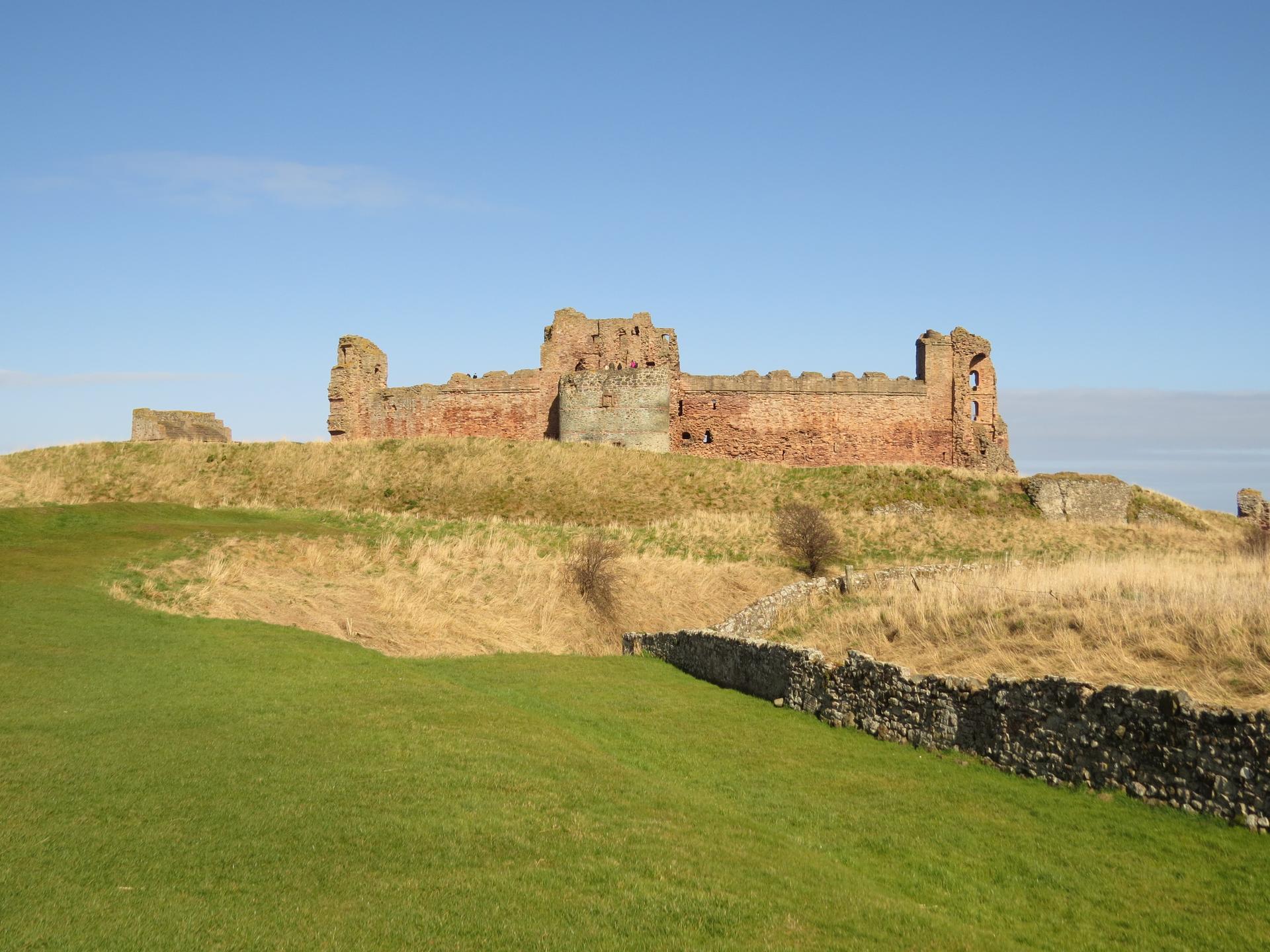
Looking beyond Preston Mill? Discover East Lothian for broader travel guides, local hot-spots, and regional highlights.
Explore East Lothian
Historic Scottish links golf with iconic coastal views, legendary holes, and a warm welcome for visitors as 'Members for the Day'.

Explore the evocative ruins of Hailes Castle, a medieval fortress with deep royal ties and a serene riverside setting in East Lothian.
