Flodden Wall, Edinburgh Travel Guide
Explore Edinburgh’s historic Flodden Wall, a 16th-century fortress that shaped the city’s medieval heart and stands as a testament to resilience and history.
The Flodden Wall, completed in 1560, is a historic defensive structure built around Edinburgh’s Old Town following Scotland’s devastating defeat at the Battle of Flodden in 1513. Encircling the medieval city, it once protected 10,000 residents and controlled trade and smuggling through its guarded gates. Though largely demolished by the 18th century, surviving fragments remain near Greyfriars Kirkyard and other locations, offering a tangible link to Edinburgh’s turbulent past.
A brief summary to Flodden Wall
- 1 Vennel, Edinburgh, EH1 2HU, GB
- Duration: 0.5 to 2 hours
- Free
-
 Outdoor
- Mobile reception: 4 out of 5

Know before you go
Hi, I'm Eve. Here are a few practical things to know before exploring Flodden Wall.
- Visit the Greyfriars Kirkyard section for the most accessible and well-preserved fragment of the Flodden Wall.
- Look for the inscription of Walter Scott’s poem near the Grassmarket, marking where part of the wall once stood.
- Explore nearby narrow lanes like the Vennel and Drummond Street to find less obvious remnants of the wall.
- Combine your visit with a walk through Edinburgh’s Old Town to appreciate how the wall influenced the city’s vertical growth.
Do you manage this location?
Take control to get all the benefits, like improved information, better appearance, and stronger visibility across AI-powered discovery. Learn more about listing your business on Evendo
Activate your presenceOther nearby places you may find interesting
The closest places of the same kind, if this one is not quite what you had in mind.
Explore Flodden Wall on the Map
A handpicked selection of must-see spots near Flodden Wall, mapped for you.
Unlock the Best of Flodden Wall
Buy tickets
-
No tickets available
Book tours with entry

Book tours without entry

Getting There
-
Bus
Take Lothian Buses routes 35 or 36 from Edinburgh city center to the Grassmarket area; from there, it is a 5-10 minute walk to the Flodden Wall fragments near Greyfriars Kirkyard. Bus travel takes approximately 15-20 minutes and costs around £1.80 per single ticket.
-
Walking
From Edinburgh’s Royal Mile, enjoy a 15-20 minute walk through historic Old Town streets to reach the Flodden Wall near Greyfriars Kirkyard. The route is mostly flat but involves cobblestones and narrow lanes, suitable for most walkers but with limited wheelchair access.
-
Taxi
A taxi ride from Edinburgh Waverley Station to the Flodden Wall area takes about 5-10 minutes depending on traffic, with fares typically ranging from £6 to £10. This option is convenient for travelers with mobility needs or limited time.
For the on-the-go comforts that matter to you
-
 Restrooms
-
 Drink Options
-
 Food Options
-
 Seating Areas
-
 Information Boards
Discover more about Flodden Wall
Origins Born from Defeat and Fear
The Flodden Wall was constructed in the aftermath of the catastrophic Battle of Flodden in 1513, where Scotland suffered its worst military defeat, including the death of King James IV. With the city vulnerable and the threat of English invasion looming, Edinburgh’s leaders commissioned the wall as a protective barrier. Its construction, completed in 1560, was a massive civic effort, reportedly involving women, children, and the elderly due to the loss of many working-age men at Flodden. This fortification embodied the city’s resilience and determination to safeguard its people amid political instability and external threats.Structure and Strategic Role
Stretching roughly 140 acres, the Flodden Wall enclosed Edinburgh’s medieval heart with towering sandstone walls about 24 feet high. It featured six guarded gates, or ports, which regulated entry and exit, serving not only defensive purposes but also controlling trade, taxation, and smuggling. While not impregnable against full-scale invasion, the wall was a formidable deterrent and played a crucial role during 16th-century sieges and unrest. Its presence shaped the city’s development, forcing vertical growth within its confines and influencing Edinburgh’s distinctive skyline.Decline and Legacy
By the 18th century, the Flodden Wall’s defensive and commercial functions had diminished as Edinburgh expanded beyond its medieval limits. The wall became an obstacle to urban growth, leading to its gradual demolition and incorporation into newer buildings, such as the University of Edinburgh’s Old College. Some sections were lost to natural causes, including a lightning strike near Greyfriars Kirkyard. Today, only fragments survive, protected as scheduled monuments, with notable remnants visible along the Vennel, near Greyfriars Kirkyard, Drummond Street, and the Pleasance.Historical and Cultural Significance
The Flodden Wall stands as a silent witness to Edinburgh’s turbulent 16th century, reflecting the city’s response to military defeat and political uncertainty. It is intertwined with stories of resilience, community effort, and urban evolution. The wall’s history is commemorated in literature, including an inscription of Walter Scott’s poem "Marmion" near the Grassmarket, marking the site of a former section. Its stones carry echoes of past conflicts, sieges, and the everyday lives of those who once lived within its protective embrace.Exploring the Wall Today
Visitors can explore surviving fragments of the Flodden Wall, which blend into Edinburgh’s Old Town fabric. The section around Greyfriars Kirkyard is the most accessible and well-known, offering a tangible connection to the city’s medieval defenses. Nearby narrow lanes like the Vennel and streets such as Drummond Street reveal further remnants, inviting discovery and reflection on Edinburgh’s layered history. These stones are not just ruins but storytellers of a city shaped by conflict, survival, and growth.Architectural Features and Urban Impact
Built primarily from local sandstone in a random rubble style, the Flodden Wall incorporated defensive towers and watchpoints, allowing a smaller garrison to monitor and defend the city effectively. Its presence constrained Edinburgh’s expansion for centuries, resulting in the characteristic tall tenements and narrow closes of the Old Town. The wall’s design and materials influenced later urban architecture, embedding a sense of historic continuity within the evolving cityscape.












Your all‑in‑one travel companion app
Explore expert travel guides, compare and book tours, experiences, hotels, and more—all from the palm of your hand. Download now for seamless trip planning wherever your wanderlust takes you.


Explore More of Edinburgh
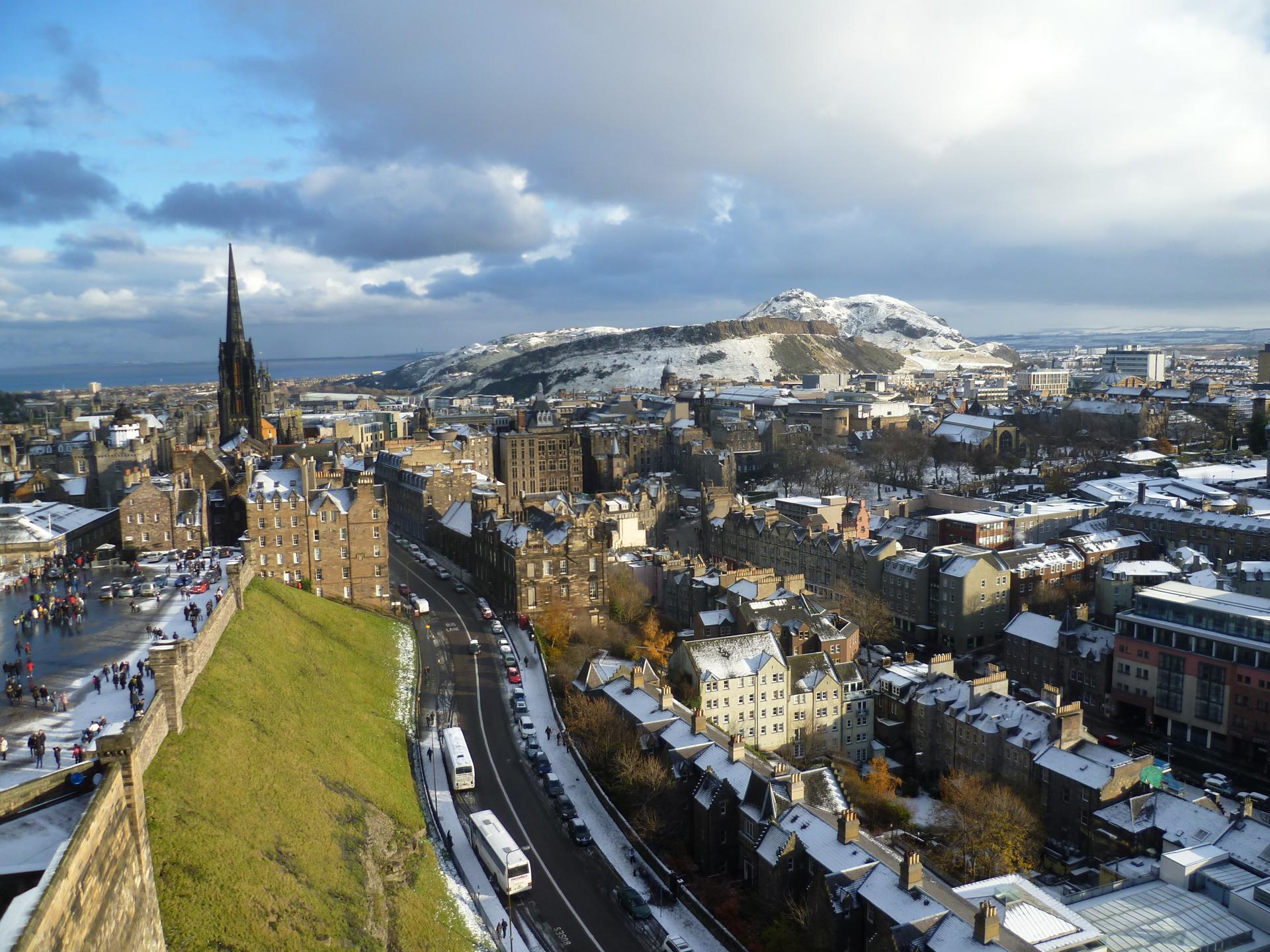
Looking beyond Flodden Wall? Discover Edinburgh for broader travel guides, local hot-spots, and regional highlights.
Explore Edinburgh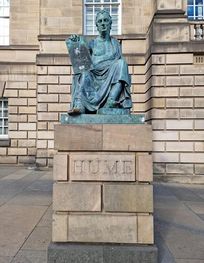
A striking bronze tribute to philosopher David Hume, blending classical imagery with Edinburgh’s Enlightenment heritage and a toe-rubbing tradition for luck.
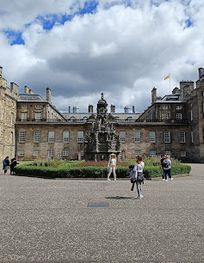
Explore Scotland’s royal heritage at the Palace of Holyroodhouse, a living palace rich with history, stunning gardens, and royal grandeur.