

St Fillan's Cave, Fife Travel Guide
Discover the sacred sandstone cave of St Fillan in Pittenweem, where history, spirituality, and coastal beauty intertwine in a timeless Scottish sanctuary.
St Fillan's Cave, nestled in Cove Wynd, Pittenweem, is a historic sandstone cavern linked to the 7th-century Irish missionary St Fillan. This sacred site, with a holy spring and altar, has served as a place of worship, refuge, and even prison over centuries. Rediscovered in the 20th century, it remains a spiritual and cultural landmark open to visitors, reflecting deep-rooted Scottish religious heritage and coastal charm.
A brief summary to St Fillan's Cave
- Cove Wynd, Anstruther, Pittenweem, KY10 2LE, GB
- Click to display
- Duration: 0.5 to 1.5 hours
- Free
-
 Outdoor
- Mobile reception: 4 out of 5

Know before you go
Hi, I'm Eve. Here are a few practical things to know before exploring St Fillan's Cave.
- The cave is accessed via a steep path and iron gate; wear sturdy shoes for comfortable walking.
- The key to enter the cave is available locally—check with St John’s Scottish Episcopal Church or nearby establishments.
- Visit during Holy Saturday to experience the ecumenical Easter service held inside the cave.
- Respect the cave’s spiritual significance by maintaining silence and reverence during your visit.
Do you manage this location?
Take control to get all the benefits, like improved information, better appearance, and stronger visibility across AI-powered discovery. Learn more about listing your business on Evendo
Activate your presenceOther nearby places you may find interesting
The closest places of the same kind, if this one is not quite what you had in mind.

Explore St Fillan's Cave on the Map
A handpicked selection of must-see spots near St Fillan's Cave, mapped for you.
Unlock the Best of St Fillan's Cave
Buy tickets
-
No tickets available
Book tours with entry

Book tours without entry
-
No tours available
Getting There
-
Bus
Take the Stagecoach bus service from Kirkcaldy to Anstruther, which runs approximately every hour and takes about 45-60 minutes. From Anstruther, Pittenweem is a short 15-minute taxi ride. Bus fares range from £5 to £8 one way.
-
Train and Taxi
Travel by train to Leuchars Station from major Scottish cities, then take a taxi to Pittenweem, which takes around 25 minutes. Train fares vary between £10 and £25 depending on origin, and taxis cost approximately £20-£25.
-
Car
Driving to Pittenweem from Edinburgh or Dundee takes about 1 to 1.5 hours via A92. Parking is limited in the village, so arrive early. No parking fees typically apply but check local signage.
For the on-the-go comforts that matter to you
-
 Information Boards
-
 Seating Areas
-
 Restrooms
Discover more about St Fillan's Cave
Historical Roots of St Fillan's Cave
St Fillan's Cave is intimately tied to the legacy of Saint Fillan, a 7th-century Irish missionary who evangelized parts of Fife. The cave, a natural sandstone formation overlooking the sea, is said to have been his temporary hermitage during his work converting the local Picts. The site’s significance was recognized as early as 1100 when King Edgar of Scotland granted it to the Culdees, and later King David I transferred ownership to the monks of the Priory of St Mary the Virgin on the Isle of May. A priory was built over the cave, with a stairway leading down to a vaulted cellar connected to the cave itself, underscoring its religious importance.Spiritual and Cultural Significance
The cave houses a small spring believed to be holy water, and an altar was consecrated in 1935, reaffirming its role as a shrine. It has long been a place of pilgrimage, associated with healing miracles linked to St Fillan, whose relics—such as his bell and crozier—are preserved in Edinburgh’s Royal Museum. The cave’s spiritual resonance is celebrated annually with an ecumenical Easter service held by St John’s Scottish Episcopal Church, which currently cares for the site.Changing Roles Through the Centuries
Beyond its sacred function, the cave has had varied uses. It served as storage for food by monks, a prison during the 17th and 18th-century witch hunts, and a hideout for smugglers in the 18th century. Over time, it became a rubbish dump and was lost until rediscovered around 1900 when a horse ploughed into a concealed hole. Restoration efforts in the 1930s cleared debris and restored the shrine, preserving the cave’s historical fabric.Architectural and Natural Features
The cave's interior is Y-shaped, with one branch leading to the spring and the other to the altar area. Visitors enter through an ornate iron gate and ascend a steep path to reach the cave’s heart. Its sandstone walls and coastal location create a tranquil atmosphere, blending natural beauty with centuries of layered human history.Modern-Day Experience and Preservation
Owned by the Bishop Low Trust and entrusted to St John’s Scottish Episcopal Church, the cave has been open to the public since 2000. Visitors can explore this evocative site, reflecting on its spiritual heritage and the rugged coastal landscape of Pittenweem. The cave’s preservation allows for a tangible connection to Scotland’s early Christian history and the enduring legacy of St Fillan.Local Context and Community Connection
Pittenweem itself, meaning 'Place of the Cave' in Pictish, is a historic fishing village with strong ties to the sea and faith traditions. St Fillan’s Cave stands as a testament to the intertwining of natural landscape, religious devotion, and community identity that has shaped this part of Fife for over a millennium.












Your all‑in‑one travel companion app
Explore expert travel guides, compare and book tours, experiences, hotels, and more—all from the palm of your hand. Download now for seamless trip planning wherever your wanderlust takes you.


Explore More of Fife
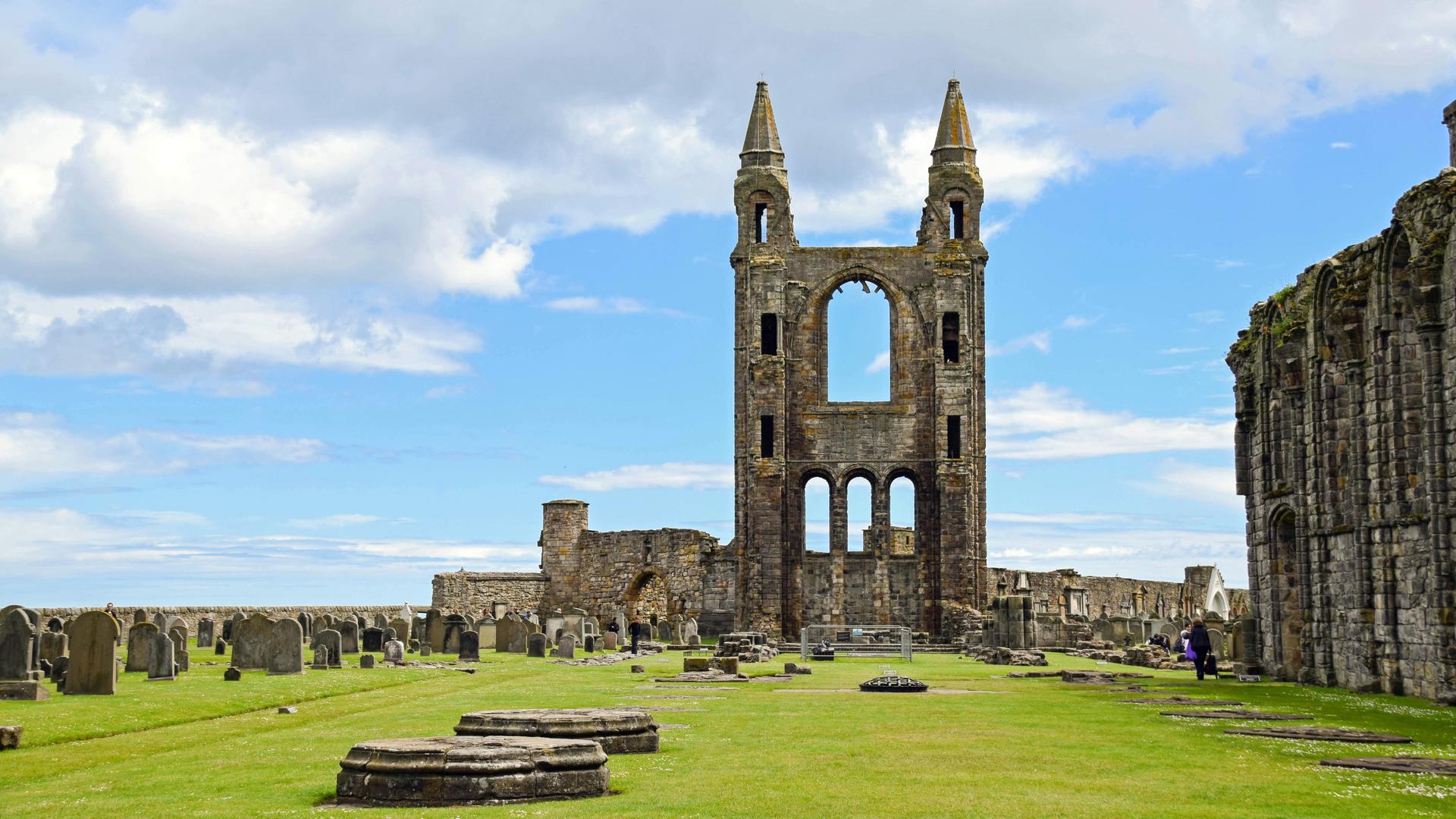
Looking beyond St Fillan's Cave? Discover Fife for broader travel guides, local hot-spots, and regional highlights.
Explore Fife
Discover Scotland’s oldest university, where centuries of history meet vibrant academic life and timeless architecture in the heart of St Andrews.
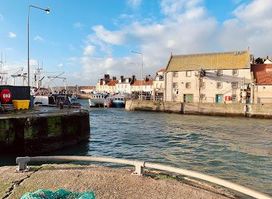
Historic and bustling fishing harbour in Fife’s East Neuk, blending maritime heritage with vibrant coastal charm.
