Glasgow Cathedral, Glasgow Travel Guide
Free Guide: Explore Glasgow Cathedral, Scotland’s medieval gem where history, spirituality, and Gothic architecture converge in the city’s oldest surviving landmark.


A brief summary of Glasgow Cathedral
Explore Glasgow Cathedral, Scotland’s medieval gem where history, spirituality, and Gothic architecture converge in the city’s oldest surviving landmark.
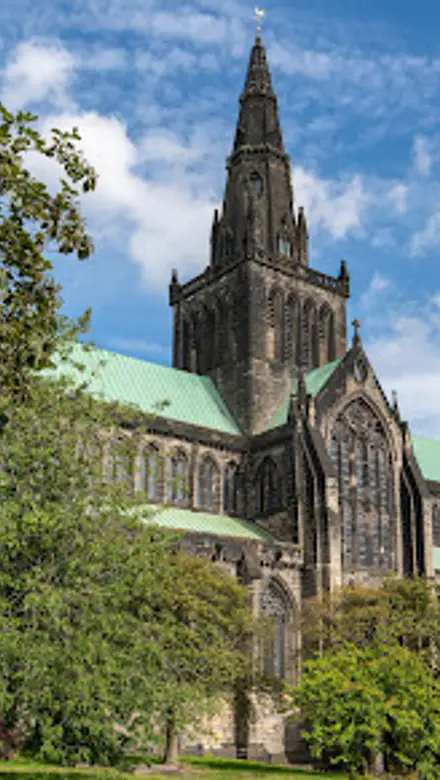
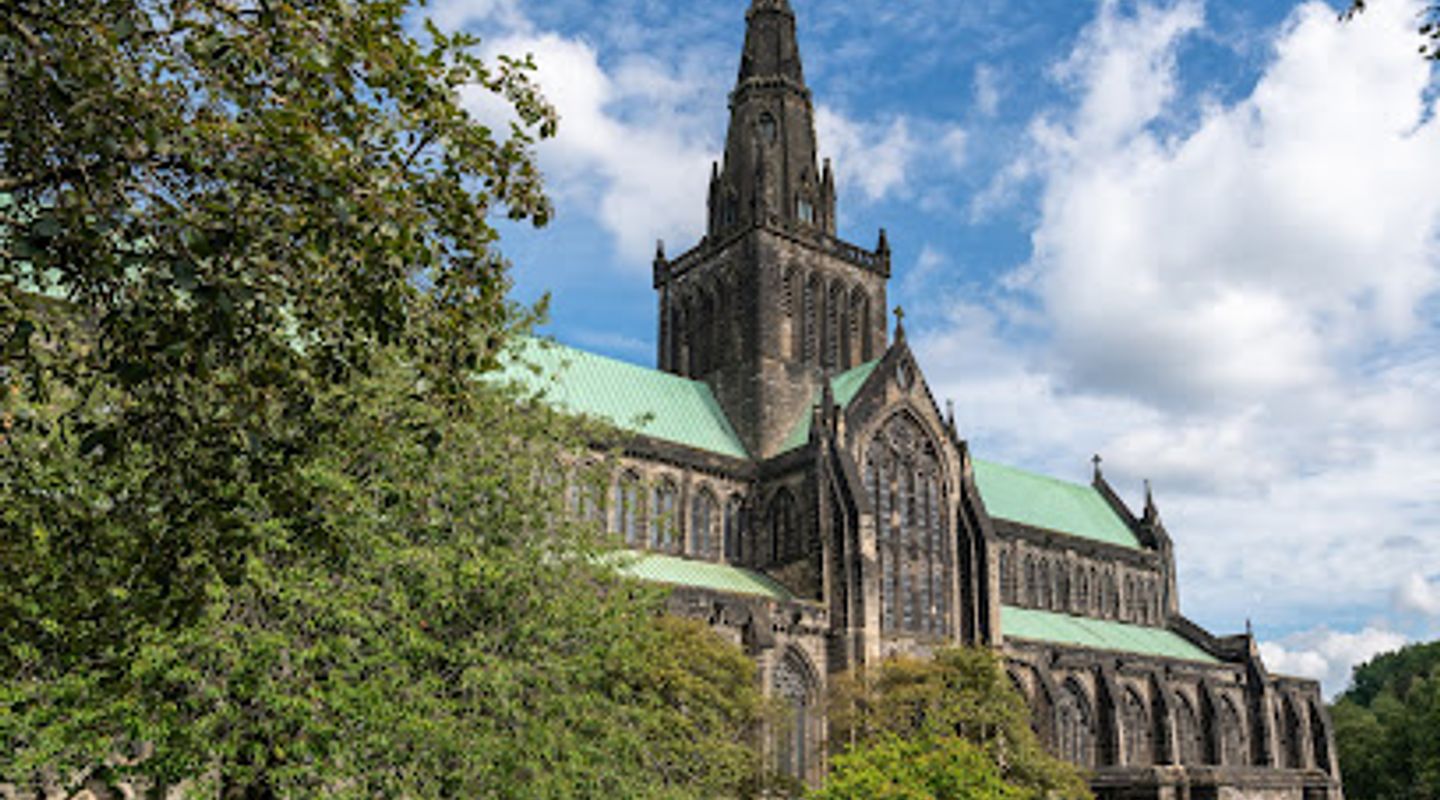
Glasgow Cathedral, located on Castle Street, is Scotland’s most complete medieval cathedral and a landmark of Glasgow’s origins. Built between the 13th and 15th centuries on the site of St Kentigern’s tomb, it survived the Reformation intact. Visitors can explore its stunning Gothic architecture, intricate stone carvings, historic chapels, and the atmospheric lower church housing St Mungo’s shrine. Open daily with free entry, it offers a rich blend of history, spirituality, and art.
On-site amenities
 Information boards
 Seating areas
 Visitor centre
Opening hours
- Mon–Sat9:30 am–5 pm
- Sun1 pm–5 pm
Opening hours as listed on the venue’s Google Business Profile. Hours can change for services and special events, so check with the venue before you go.
- Address
- Castle St, Glasgow G4 0QZ
- Phone
- Website
Getting there
Public Transport
Walking
Taxi or Rideshare
Discover more about Glasgow Cathedral
Foundations of Glasgow’s Spiritual Heart
Glasgow Cathedral stands on the revered burial site of St Kentigern, also known as St Mungo, the city’s patron saint. The cathedral’s origins trace back to a wooden church established around 1136, evolving over centuries into the grand stone structure completed by the 15th century. This sacred site marks the birthplace of Glasgow as a burgh, around which the medieval city flourished. Remarkably, the cathedral is the only medieval Scottish mainland cathedral to survive the Protestant Reformation of 1560 with little damage, preserving its authentic Gothic character.
Architectural Grandeur and Artistic Treasures
The cathedral’s soaring Gothic arches and intricately carved stonework invite close inspection. Notable features include the richly decorated pulpitum, a stone screen from the early 1400s separating choir and nave, and the Blackadder Aisle ceiling adorned with detailed bosses dating to around 1500. The cathedral also houses one of Britain’s finest post-war stained glass collections, including modernist windows by Francis Spear from the 1950s. The east window’s depiction of the Four Apostles is a highlight, bathing the quire in evocative colored light.
The Lower Church and Pilgrimage Legacy
Beneath the main cathedral lies the atmospheric lower church, home to the shrine of St Mungo. This crypt, built in the mid-13th century, draws pilgrims and visitors alike to reflect on the city’s spiritual roots. The lower church’s dim vaults and historic displays provide insight into medieval religious life, complemented by informative boards in multiple languages. Nearby tombs, including that of Bishop Wishart, link the cathedral to Scotland’s turbulent history and its heroes.
Living Heritage and Community Worship
Glasgow Cathedral remains a vibrant place of worship, hosting regular services including Sunday worship at 11 am. The building’s role as a living church means opening hours can vary due to services and events. Volunteer guides offer free tours six days a week, enriching visits with stories of faith, history, and architecture. The cathedral also supports cultural events such as concerts, enhancing its role as a community hub.
Visitor Experience and Practical Information
Visitors can enter the cathedral free of charge, with donations welcomed to support upkeep. Opening times vary seasonally: from April to September, it is open Monday to Saturday 9:30 am–5 pm and Sunday 1 pm–5 pm; from October to March, Monday to Saturday 10 am–4 pm and Sunday 1 pm–4 pm. There is a daily closure for lunch around midday. An audio guide is available for purchase, accessible via smartphone, providing an immersive exploration of the cathedral’s stories.
Setting and Surroundings
Situated in Glasgow’s city centre, the cathedral precinct offers a glimpse into medieval urban life. The nearby Necropolis cemetery complements the visit with atmospheric historic monuments and panoramic city views. The cathedral’s location on Castle Street makes it easily accessible while providing a tranquil contrast to the bustling city.
Evendo Review Centre
 Google
Guest reviews
Best time to go
Quietest: Jan, Feb & Dec · before 7am or at 8pm
Busy times are Evendo estimates for a typical year, to help you plan. Actual crowds vary with events, school holidays and the weather.
Explore Glasgow Cathedral on the map
A handpicked selection of must-see spots near Glasgow Cathedral, mapped for you.
Get your free copy of our complete guide to Glasgow Cathedral, delivered straight to you.
Everything on this page, from opening hours and how to get there to Eve’s tips and the best time to go, in one PDF you can read offline, print or share.
Already have an account? Sign in
Your Glasgow Cathedral guide is ready.
We'll send it to · Not you? Sign out

Getting your guide ready…
We are putting together a fresh copy of the Glasgow Cathedral guide. This can take up to a minute.
This can take a few moments. If your browser asks, choose Allow so the download can start. You'll find the guide in your Downloads folder.
Nothing happened? Download it again
Sorry, the guide is taking longer than usual. Please try again in a minute, or get it by email instead.
Unlock the best of Glasgow Cathedral
Skip-the-line tickets, guided tours with entry, and walking tours of the area, booked in a few clicks.


 Tour
TourSelf Guided Walking Tour of Glasgow with Audio Guide
from $5.31 Tour
TourGlasgow through the ages: An audio tour discovering the city's humble beginnings
from $5.69 Tour
TourDiscover the merchant city of Glasgow on a self-guided audio tour
from $6.28 Tour
TourGhouls and Gruesome Tales: A Self-Guided Glasgow Ghost Tour
from $8.54
Other nearby places you may find interesting
The closest places of the same kind, if this one is not quite what you had in mind.
-
Glasgow Science Centre Tower Experience Scotland’s tallest rotating tower with breathtaking panoramic views and cutting-edge engineering on the banks of the River Clyde.
-
Charing Cross Mansions Explore Glasgow’s grandest red sandstone tenement, a Victorian architectural jewel blending history with vibrant city life.
-
Kibble Palace Discover the breathtaking Victorian glasshouse and exotic plant collections of Kibble Palace in Glasgow’s serene Botanic Gardens.
-
The Lion and Unicorn Staircase A dramatic Gothic Revival staircase guarded by stone lions and unicorns in the heart of the University of Glasgow’s West Quadrangle.
-
The Tenement House Step into a perfectly preserved early 20th-century Glasgow flat and experience the life of Agnes Toward, an independent working woman.
Swipe for more places
More to explore near Glasgow Cathedral

 Best experiences near Glasgow Cathedral
 Best hotels near Glasgow Cathedral
 Best landmarks near Glasgow Cathedral
 Best attractions near Glasgow Cathedral
 Best shops near Glasgow Cathedral
 Best restaurants near Glasgow Cathedral
 Best bars near Glasgow Cathedral
Do you manage this location?
Take control to get all the benefits, like improved information, better appearance, and stronger visibility across AI-powered discovery.
Explore more

Explore more of Glasgow
Discover Glasgow, Scotland's cultural capital, where history, architecture, and vibrant arts scene meet, offering a unique and unforgettable travel experience.
Explore Glasgow
Explore more of United Kingdom
Discover the United Kingdom: A blend of rich history, stunning landscapes, and vibrant cities, offering a unique travel experience for every visitor.
Explore United Kingdom