Nelson Mandela Pl, Glasgow Travel Guide
A vibrant Glasgow square honoring Nelson Mandela’s legacy and the city’s historic stand against apartheid.
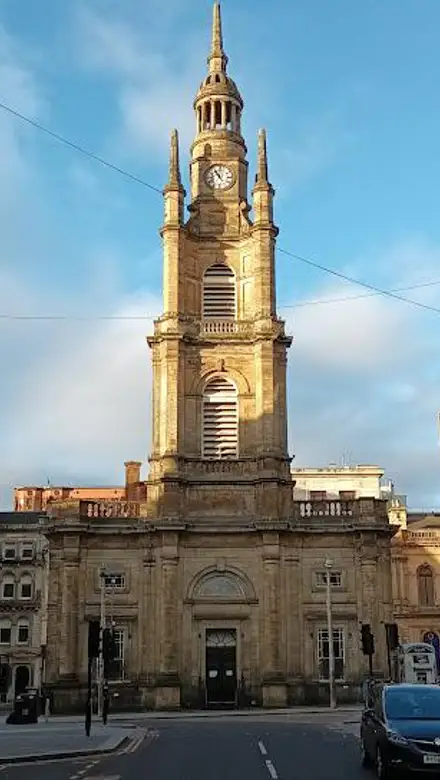
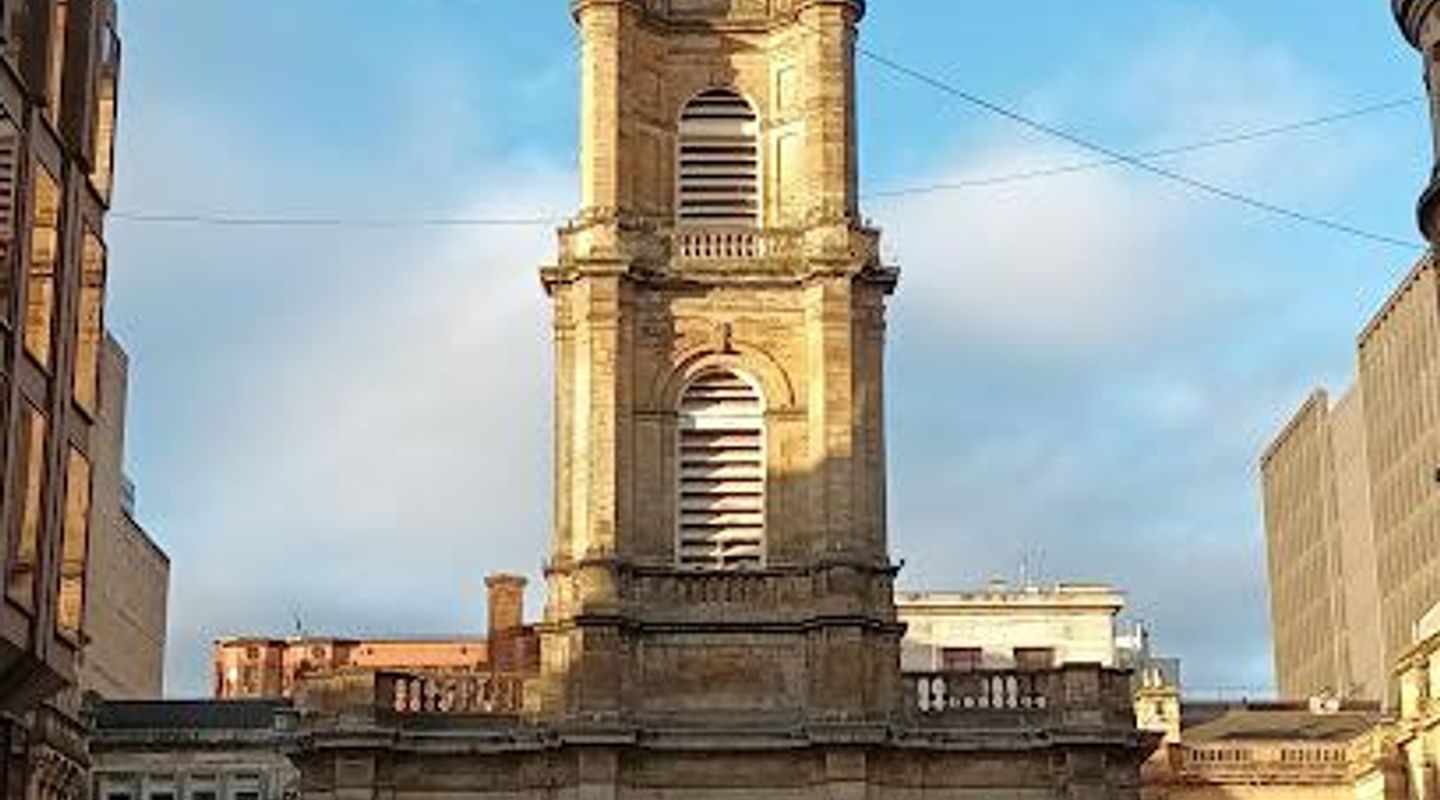
Nelson Mandela Place is a vibrant public square located in the heart of Glasgow, Scotland, adjacent to the bustling Buchanan Street shopping district. Originally named St George’s Place, it was renamed in 1986 to honor Nelson Mandela while he was still imprisoned for opposing apartheid. The square features historic landmarks including the 19th-century St George’s Tron Church and the former Glasgow Stock Exchange building, symbolizing Glasgow’s stand against apartheid and its enduring connection to Mandela’s legacy.
A brief summary to Nelson Mandela Pl
- Glasgow, GB
- Duration: 0.25 to 1 hours
- Free
-
 Outdoor
- Mobile reception: 5 out of 5

Know before you go
Hi, I'm Eve. Here are a few practical things to know before exploring Nelson Mandela Pl.
- Visit during daylight hours to fully appreciate the historic architecture and lively atmosphere.
- Combine your visit with a stroll along Buchanan Street for shopping and dining options.
- Look for the plaque and memorials commemorating Mandela’s visit and Glasgow’s anti-apartheid activism.
- Nearby cafes in St George’s Tron Church offer a pleasant spot to relax and soak in the surroundings.
Do you manage this location?
Take control to get all the benefits, like improved information, better appearance, and stronger visibility across AI-powered discovery. Learn more about listing your business on Evendo
Activate your presenceOther nearby places you may find interesting
The closest places of the same kind, if this one is not quite what you had in mind.
Explore Nelson Mandela Pl on the Map
A handpicked selection of must-see spots near Nelson Mandela Pl, mapped for you.
Unlock the Best of Nelson Mandela Pl
Buy tickets
-
No tickets available
Book tours with entry


Book tours without entry

Getting There
-
Train
From Glasgow Central or Queen Street stations, it is a 5 to 10-minute walk to Nelson Mandela Place. Both stations are major rail hubs with frequent services from across Scotland and the UK. Walking routes are flat and accessible.
-
Bus
Several First Bus routes serve Buchanan Street and nearby West George Street, with frequent services every 5 to 15 minutes depending on the time of day. The closest bus stops are within a 3-minute walk of Nelson Mandela Place. Tickets cost around £1.80 to £3.50.
-
Taxi
Taxis can be hailed near Queen Street station or booked via Glasgow Taxis phone service. Typical fares from central locations range from £5 to £10 depending on distance and traffic.
For the on-the-go comforts that matter to you
-
 Restrooms
-
 Drink Options
-
 Food Options
-
 Seating Areas
-
 Information Boards
Discover more about Nelson Mandela Pl
A Symbol of Solidarity and Defiance
Nelson Mandela Place stands as a powerful symbol of Glasgow’s opposition to apartheid during the 1980s. Originally called St George’s Place, the square was renamed in 1986 to honor Nelson Mandela, who was then imprisoned in South Africa for challenging the apartheid regime. This renaming was a bold political statement, as the South African consulate was located in the building facing the square, meaning all official correspondence bore Mandela’s name. This act reflected Glasgow’s solidarity with the anti-apartheid movement and its refusal to accept racial segregation and injustice.Historic Architecture and Urban Setting
The square is framed by notable historic buildings, including the elegant 19th-century St George’s Tron Church, which today houses a popular coffee shop, and the former Glasgow Stock Exchange building. The area is part of Glasgow’s lively city center, adjacent to Buchanan Street, one of the UK’s premier shopping streets, bustling with retail outlets, restaurants, and offices. Nelson Mandela Place is a busy urban hub that blends historical significance with contemporary city life.Mandela’s Connection to Glasgow
Nelson Mandela’s relationship with Glasgow deepened after his release from prison. In 1993, he visited the city to receive the Freedom of the City, addressing a crowd of 10,000 people and expressing gratitude for Glasgow’s support against apartheid. Mandela’s visit cemented the city’s place in the global struggle for freedom and equality. Glaswegians continue to honor his legacy, with floral tributes laid in the square upon his passing in 2013.A Living Memorial and Cultural Landmark
Today, Nelson Mandela Place remains a vibrant public space and a living memorial to Mandela’s ideals of justice and human rights. It is a focal point for cultural events and public gatherings, reflecting Glasgow’s ongoing commitment to equality and social justice. The square’s central location makes it a key landmark for visitors exploring the city’s rich history and dynamic urban culture.Atmosphere and Visitor Experience
Visitors to Nelson Mandela Place experience a lively atmosphere, surrounded by the energy of Glasgow’s city center. The square’s proximity to shops, cafes, and historic architecture offers a blend of cultural reflection and everyday urban life. It serves as a poignant reminder of the power of international solidarity and the enduring impact of Mandela’s legacy on cities far beyond South Africa.Significance in Contemporary Glasgow
Nelson Mandela Place continues to embody Glasgow’s identity as a city that champions human rights and social justice. It stands not only as a tribute to Mandela but also as a testament to the city’s historical role in global political movements. The square invites reflection on past struggles while inspiring ongoing efforts toward equality and freedom worldwide.












Your all‑in‑one travel companion app
Explore expert travel guides, compare and book tours, experiences, hotels, and more—all from the palm of your hand. Download now for seamless trip planning wherever your wanderlust takes you.


Explore More of Glasgow
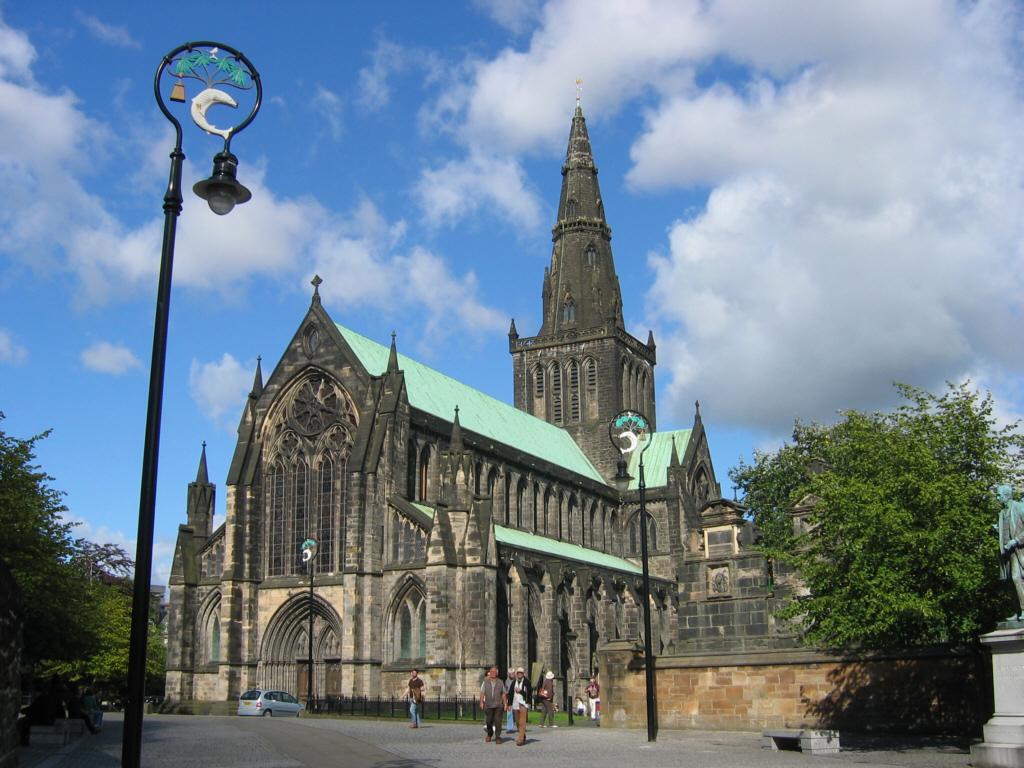
Looking beyond Nelson Mandela Pl? Discover Glasgow for broader travel guides, local hot-spots, and regional highlights.
Explore Glasgow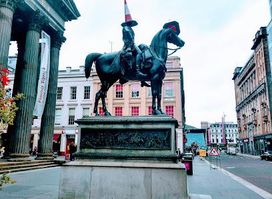
A majestic Victorian square in Glasgow featuring grand architecture, the Gallery of Modern Art, and the iconic Duke of Wellington statue.
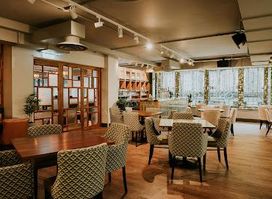
Explore the vibrant atmosphere of All Bar One Glasgow, where wine lovers unite for exceptional drinks and delicious tapas in the heart of the city.