
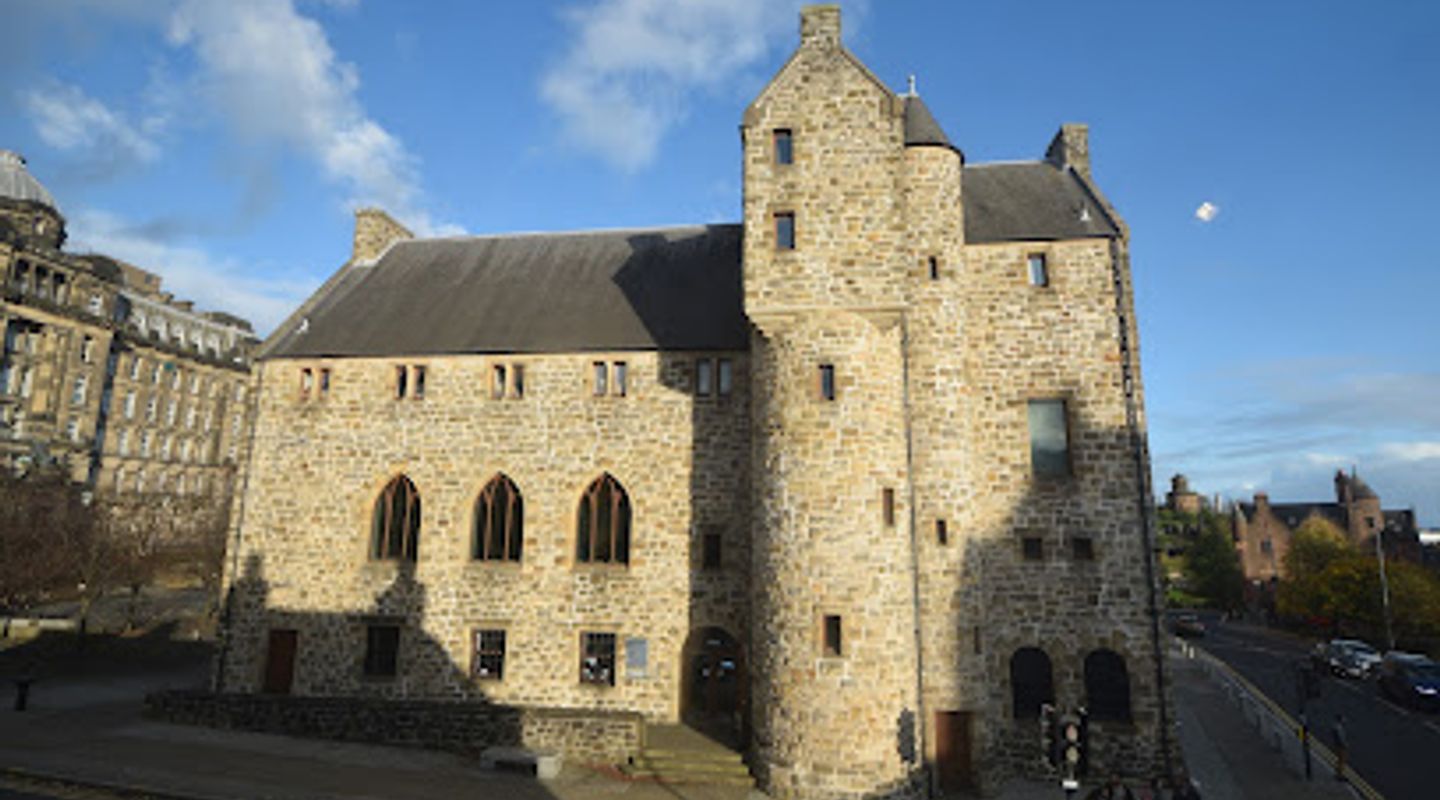
Provand's Lordship, Glasgow Travel Guide
Step into Glasgow’s oldest house, a medieval gem showcasing centuries of history, art, and heritage in the heart of the city.
Provand's Lordship, built in 1471, is the oldest surviving domestic building in Glasgow and one of only four medieval structures remaining in the city. Originally part of St Nicholas's Hospital, it later served as a residence for canons of Glasgow Cathedral. Today, it offers visitors a glimpse into 16th- and 17th-century life with period furnishings, royal portraits, and a recreated medieval herb garden, all set within Glasgow’s historic Cathedral Precinct.
A brief summary to Provand's Lordship
- 3 Castle St, Glasgow, G4 0RH, GB
- Click to display
- Click to display
- Duration: 1 to 2 hours
- Free
-
 Outdoor
- Mobile reception: 4 out of 5
- Monday 10 am-5 pm
- Tuesday 10 am-5 pm
- Wednesday 10 am-5 pm
- Thursday 10 am-5 pm
- Friday 11 am-5 pm
- Saturday 10 am-5 pm
- Sunday 11 am-5 pm

Know before you go
Hi, I'm Eve. Here are a few practical things to know before exploring Provand's Lordship.
- Visit the adjacent St Nicholas Garden to enjoy the medieval herb garden and the unique Tontine Heads sculptures.
- Explore Glasgow Cathedral and the St Mungo Museum nearby to complete your experience of the Cathedral Precinct.
- Check opening hours carefully; the house closes earlier on Fridays and Sundays and is closed on Mondays.
- Take time to appreciate the 17th-century furniture collection donated by Sir William Burrell, which enriches the interiors.
- Photography is allowed but follow the museum’s guidelines to respect the historic interiors.
Do you manage this location?
Take control to get all the benefits, like improved information, better appearance, and stronger visibility across AI-powered discovery. Learn more about listing your business on Evendo
Activate your presenceOther nearby places you may find interesting
The closest places of the same kind, if this one is not quite what you had in mind.
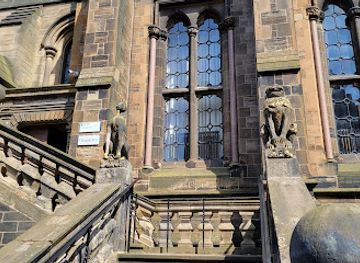
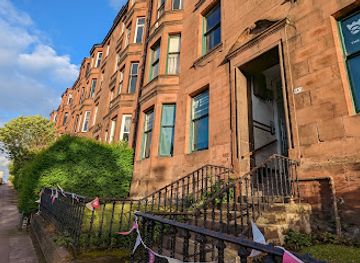
Explore Provand's Lordship on the Map
A handpicked selection of must-see spots near Provand's Lordship, mapped for you.
Unlock the Best of Provand's Lordship
Buy tickets
-
No tickets available
Book tours with entry


Getting There
-
Bus
Several First Bus services, including routes 19, 19A, 38, 57, and 57A, stop near Provand's Lordship. Travel times from Glasgow city center typically range from 10 to 20 minutes. Tickets cost approximately £1.80 to £3.00 depending on journey length. Service frequency varies but generally runs every 10 to 20 minutes during the day.
-
Train
The nearest train station is High Street, about a 10-15 minute walk from Provand's Lordship. Trains connect from Glasgow Central and Queen Street stations with travel times around 5 minutes. Tickets range from £2.50 to £4.00. The station is accessible but involves a short walk on urban streets.
-
Walking
From central Glasgow locations such as Buchanan Street, walking to Provand's Lordship takes approximately 15 to 20 minutes on mostly flat, paved urban terrain. The route passes through busy city streets and is fully accessible for wheelchairs and strollers.
-
Car
Driving to Provand's Lordship is possible with pay-and-display parking available on Castle Street, including free disabled parking bays. Traffic congestion is common in the city center, especially during peak hours. Parking fees typically range from £1.50 to £3.00 per hour.
For the on-the-go comforts that matter to you
-
 Restrooms
-
 Food Options
-
 Seating Areas
-
 Information Boards
Discover more about Provand's Lordship
A Living Link to Medieval Glasgow
Provand's Lordship stands as a rare survivor from Glasgow's medieval past, constructed in 1471 by Andrew Muirhead, Bishop of Glasgow. It was originally part of St Nicholas's Hospital complex, serving as the manse or residence for the Master of the Chapel and Hospital. Over time, the house became associated with the canons of Glasgow Cathedral, specifically linked to the Prebend of Barlanark, an ecclesiastical estate that supported clergy members. This connection, though debated by historians, helped preserve the building when many others in the area were demolished during urban redevelopment.Architectural Evolution and Interior Heritage
The house is a three-storey stone structure connected internally by a spiral staircase, with a western extension added in 1670. Its interiors showcase furnishings and household items dating from 1500 to 1700, including a notable collection of 17th-century Scottish furniture donated by Sir William Burrell in the 1920s. Visitors can explore rooms arranged to reflect different historical periods, from medieval origins on the ground floor to a more museum-like presentation on the upper levels. Royal portraits and artworks enrich the narrative of Glasgow's past throughout the house.Preservation and Public Access
In the early 20th century, Provand's Lordship was at risk of demolition but was saved by the Provand's Lordship Society, which purchased and restored the building. After further restoration by the City of Glasgow in the late 20th century, it reopened to the public in 1983 and underwent additional improvements completed in 2000 and again from 2022 to 2024. Today, the house is managed by Glasgow Museums and offers free admission, allowing visitors to step back in time and experience a tangible piece of the city's heritage.The Surrounding Historic Precinct
Situated at 3 Castle Street, Provand's Lordship lies within Glasgow's medieval Cathedral Precinct, close to Glasgow Cathedral and opposite the St Mungo Museum of Religious Life and Art. The adjacent St Nicholas Garden features a recreated medieval herb garden and the intriguing Tontine Heads sculptures, which date from the 18th and 19th centuries. This setting enriches the visitor experience by connecting the house to the broader religious and civic history of Glasgow.Cultural Significance and Visitor Experience
Provand's Lordship offers a unique window into Glasgow’s transformation from a medieval burgh to a modern city. The house’s preserved architectural features, period furnishings, and art collections provide a vivid sense of domestic life across centuries. The garden’s medicinal plants reflect historical herbal traditions, adding a sensory dimension to the visit. The site also holds cultural anecdotes, such as the reputed visit of Mary Queen of Scots in 1567, enhancing its historical allure.Engagement and Accessibility
The museum welcomes visitors with accessibility features such as ground-floor access and assistance dog acceptance. Informational materials are available in multiple languages, and the site includes amenities like restrooms and nearby food options at the St Mungo Museum. The house’s location in the city center makes it accessible via public transport and walking routes, inviting exploration of Glasgow’s rich medieval heritage in a compact area.












Your all‑in‑one travel companion app
Explore expert travel guides, compare and book tours, experiences, hotels, and more—all from the palm of your hand. Download now for seamless trip planning wherever your wanderlust takes you.


Explore More of Glasgow
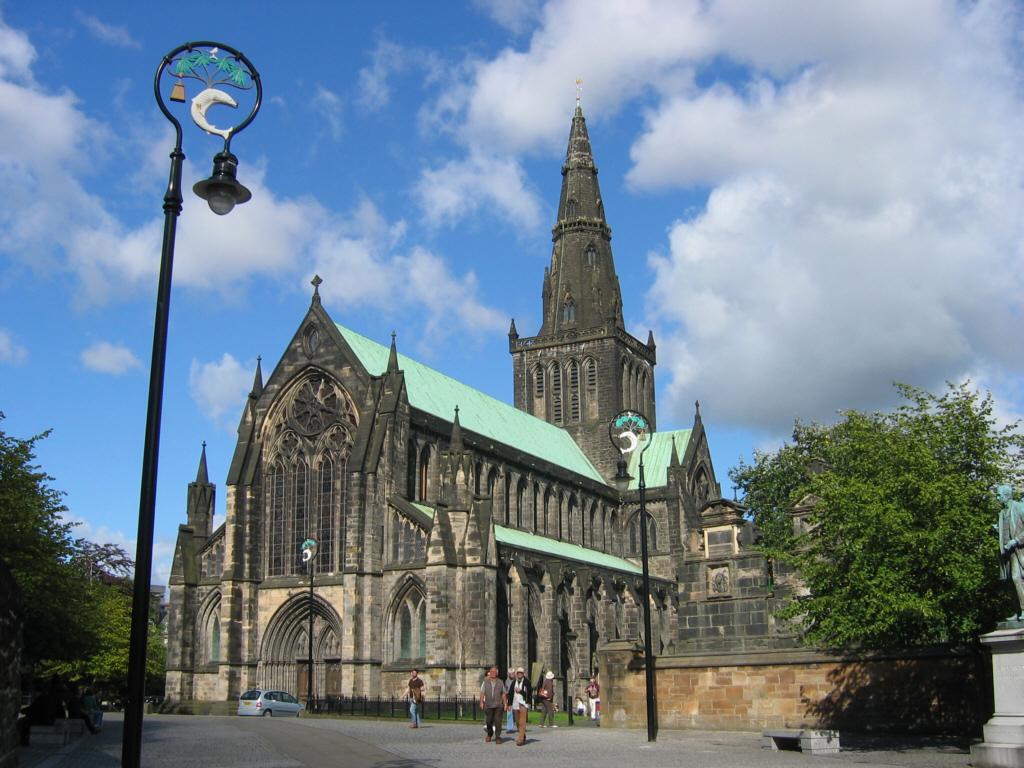
Looking beyond Provand's Lordship? Discover Glasgow for broader travel guides, local hot-spots, and regional highlights.
Explore Glasgow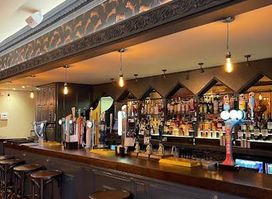
Discover Glasgow's Blackfriars: A lively gastropub offering hearty meals, craft drinks, and live music in a cozy, inviting atmosphere.

Step back 500 years in Glasgow's oldest house, a medieval gem with historic interiors and tranquil gardens in the city heart.
