

Rea Swing Bridge Travel Guide
Free Guide: Historic 19th-century iron swing bridge offering tranquil canal views and a glimpse into Gloucester’s maritime heritage.


A brief summary of Rea Swing Bridge
Historic 19th-century iron swing bridge offering tranquil canal views and a glimpse into Gloucester’s maritime heritage.
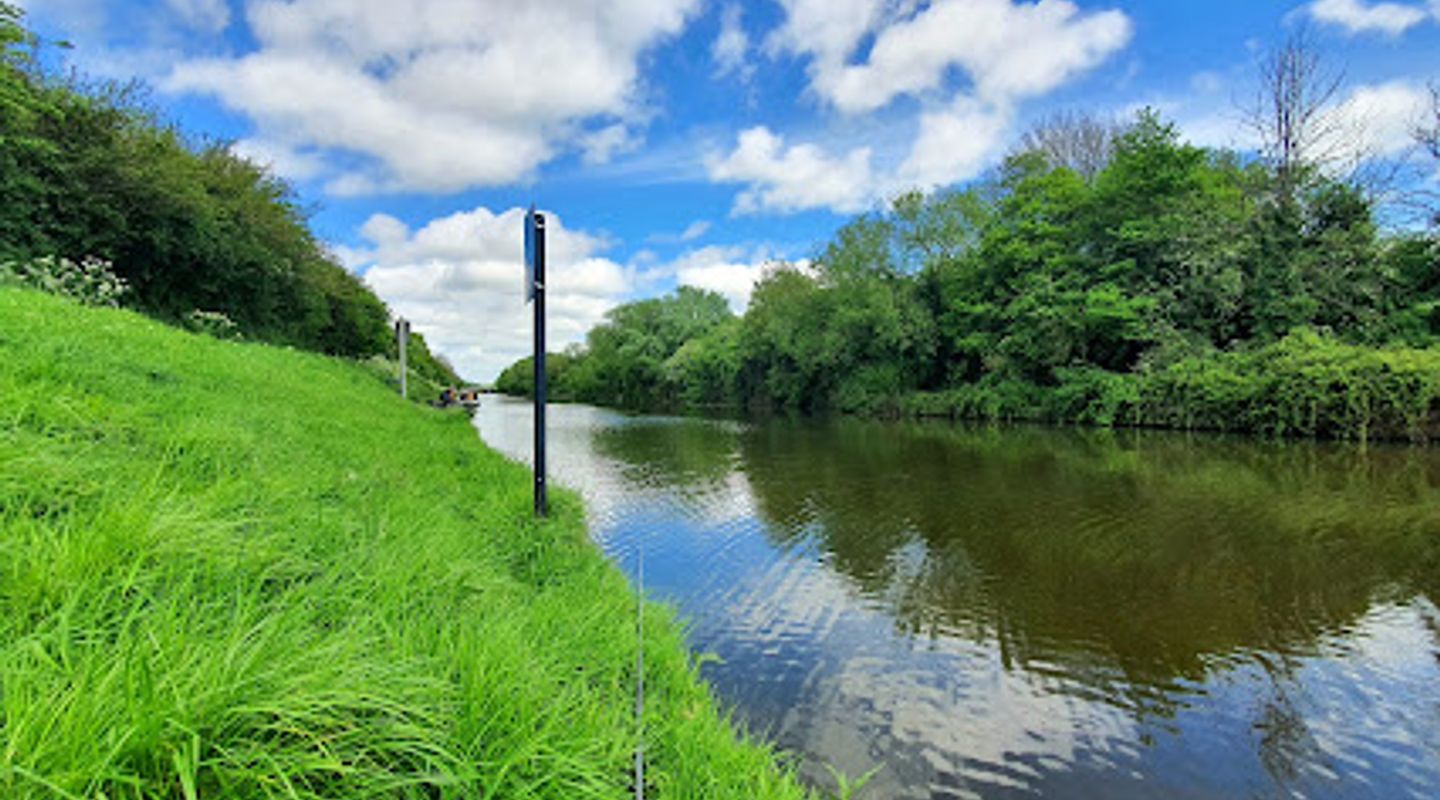
The Rea Swing Bridge is a historic iron swing bridge located on Elmore Lane West in Quedgeley, Gloucester. Dating back to the 19th century, this unique bridge is a notable feature of the Gloucester and Sharpness Canal, offering picturesque views and a tranquil spot by the water. It remains a beloved local landmark for relaxation and canal-side walks, reflecting the area's rich maritime and industrial heritage.
On-site amenities
 Seating areas
 Trash bins
 Information boards
Opening hours
- Every dayOpen 24 hours
Opening hours as listed on the venue’s Google Business Profile. Hours can change for services and special events, so check with the venue before you go.
- Address
- Elmore Ln W, Quedgeley, Gloucester GL2 3NW
- Phone
Getting there
Bus
Car
Walking
Discover more about Rea Swing Bridge
A Testament to 19th Century Engineering
The Rea Swing Bridge stands as a remarkable example of 19th-century iron bridge construction, originally built to serve the Gloucester and Sharpness Canal. This canal, completed in 1827, was designed to provide a navigable route for large sailing ships, necessitating movable bridges such as the Rea Swing Bridge to allow vessels to pass. The bridge’s distinctive swinging mechanism allowed it to pivot horizontally, facilitating the passage of canal traffic while maintaining road connectivity.
Role within Gloucester’s Maritime Network
Situated in Quedgeley, Gloucester, the Rea Swing Bridge was integral to the operation of the Gloucester and Sharpness Canal, a vital waterway that linked Gloucester to the Severn Estuary. The canal itself was a significant engineering feat, designed to bypass the treacherous bends of the River Severn and accommodate larger vessels. The bridge’s location near the canal’s basin and docks highlights its importance in supporting Gloucester’s status as the nation’s most inland port during the 19th century.
Architectural and Historical Significance
Constructed of iron, the Rea Swing Bridge exemplifies the industrial design aesthetics of its era, combining functionality with the robust materials of the Industrial Revolution. The bridge is a listed structure, recognized for its heritage value and as a physical reminder of Gloucester’s canal and maritime history. Its preservation allows visitors to appreciate the engineering challenges and solutions of the time.
A Peaceful Retreat by the Water
Today, the Rea Swing Bridge is cherished not only for its historical significance but also as a serene spot for locals and visitors. The surrounding canal environment offers tranquil waterside views, making it a favored place to relax, enjoy nature, and observe canal boats navigating the waterway. The bridge’s setting amidst quiet greenery and the gentle flow of the canal creates a peaceful atmosphere.
Connection to the Gloucester and Sharpness Canal Heritage
The bridge is part of a broader network of historic canal infrastructure, including listed mileposts and bridge-keeper’s cottages built by the Gloucester and Berkeley Canal Company. This network reflects the industrial heritage of the region and the evolution of canal transport, from horse-drawn barges to steam tugs. The Rea Swing Bridge remains a tangible link to this rich past.
Visitor Experience and Surroundings
Visitors to the Rea Swing Bridge can enjoy scenic walks along the canal towpaths, photography opportunities of the ironwork and water reflections, and a quiet respite from urban life. The bridge’s location on Elmore Lane West in Quedgeley situates it within a semi-rural environment that balances accessibility with natural charm. This combination makes it a rewarding destination for history enthusiasts and nature lovers alike.
Evendo Review Centre
 Google
Guest reviews
Best time to go
Quietest: Jan, Feb & Dec · before 6am or at 10pm
Busy times are Evendo estimates for a typical year, to help you plan. Actual crowds vary with events, school holidays and the weather.
Explore Rea Swing Bridge on the map
A handpicked selection of must-see spots near Rea Swing Bridge, mapped for you.
Get your free copy of our complete guide to Rea Swing Bridge, delivered straight to you.
Everything on this page, from opening hours and how to get there to Eve’s tips and the best time to go, in one PDF you can read offline, print or share.
Already have an account? Sign in
Your Rea Swing Bridge guide is ready.
We'll send it to · Not you? Sign out

Getting your guide ready…
We are putting together a fresh copy of the Rea Swing Bridge guide. This can take up to a minute.
This can take a few moments. If your browser asks, choose Allow so the download can start. You'll find the guide in your Downloads folder.
Nothing happened? Download it again
Sorry, the guide is taking longer than usual. Please try again in a minute, or get it by email instead.
Other nearby places you may find interesting
The closest places of the same kind, if this one is not quite what you had in mind.
-
-
-
-
-


Swipe for more places
More to explore near Rea Swing Bridge

 Best experiences near Rea Swing Bridge
 Best hotels near Rea Swing Bridge
 Best landmarks near Rea Swing Bridge
 Best attractions near Rea Swing Bridge
 Best shops near Rea Swing Bridge
 Best restaurants near Rea Swing Bridge
 Best bars near Rea Swing Bridge
Do you manage this location?
Take control to get all the benefits, like improved information, better appearance, and stronger visibility across AI-powered discovery.
Explore more

Explore more of Gloucestershire
Discover the charm of Gloucestershire, where rolling hills, historic towns, and vibrant festivals create an unforgettable English countryside experience.
Explore Gloucestershire
Explore more of United Kingdom
Discover the United Kingdom: A blend of rich history, stunning landscapes, and vibrant cities, offering a unique travel experience for every visitor.
Explore United Kingdom
