Greyfriars Travel Guide
Free Guide: Explore the evocative ruins of Gloucester’s 13th-century Franciscan friary, a tranquil medieval landmark steeped in history and architectural beauty.


A brief summary of Greyfriars
Explore the evocative ruins of Gloucester’s 13th-century Franciscan friary, a tranquil medieval landmark steeped in history and architectural beauty.
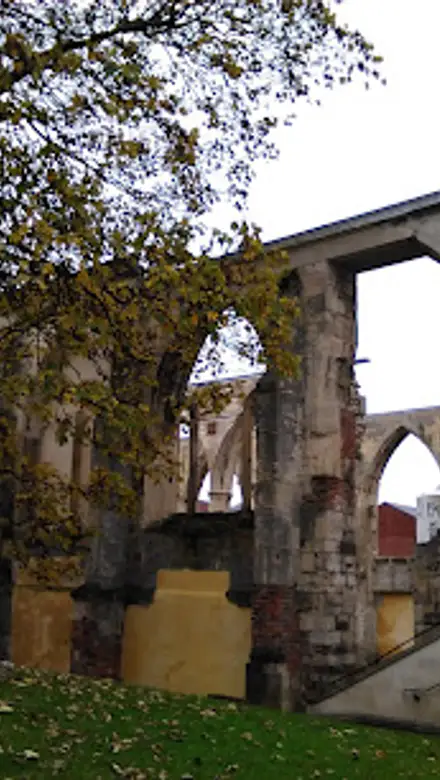
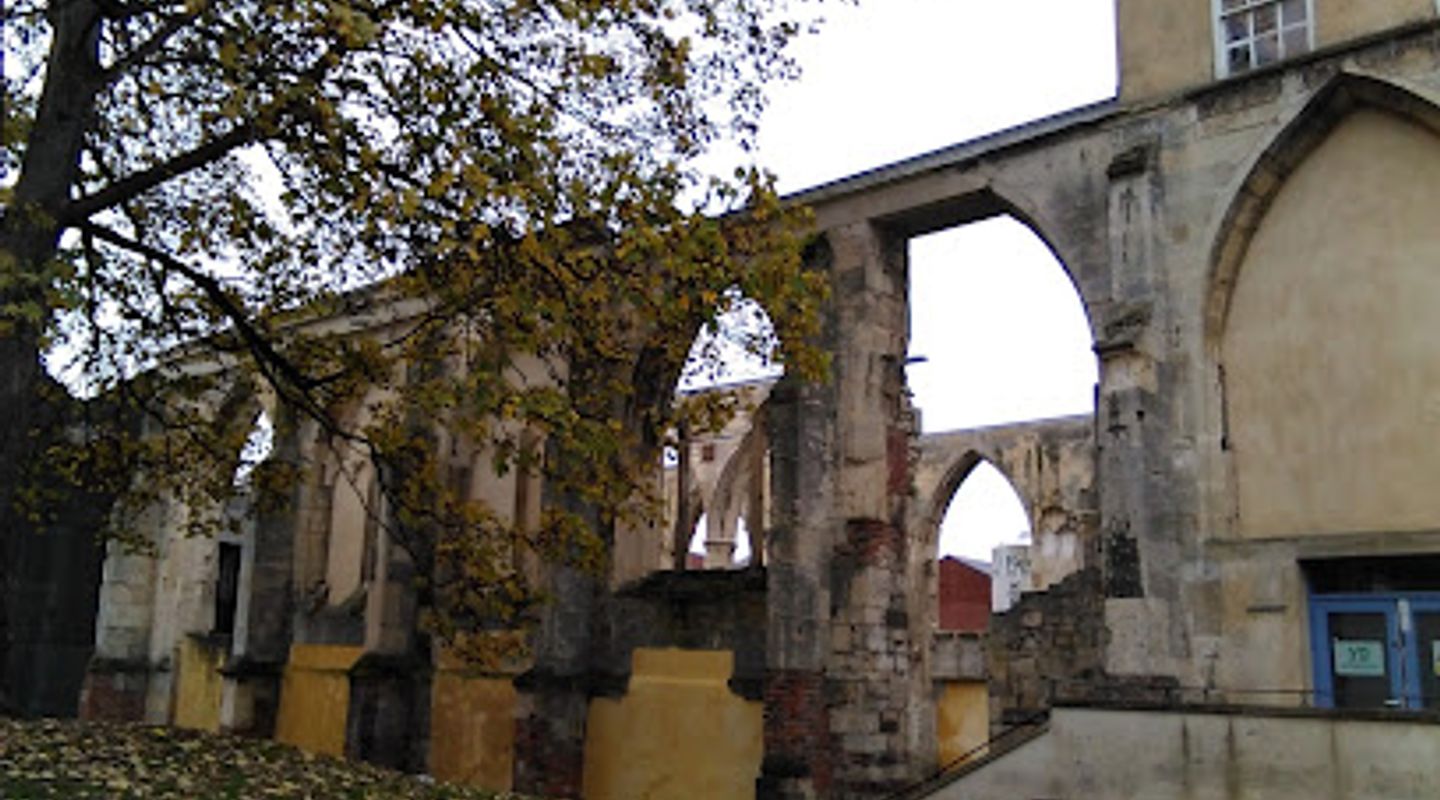
Greyfriars in Gloucester is the evocative ruin of a Franciscan friary founded around 1231. The site features the remains of its 16th-century church, a blend of medieval architecture and later adaptations. Once a thriving religious community, the friary was dissolved in the 16th century and later repurposed. Today, Greyfriars offers a tranquil historic atmosphere amid the city, with its elegant arches and stonework telling stories of centuries past.
On-site amenities
 Information boards
Opening hours
- Every day9 am–5 pm
Opening hours as listed on the venue’s Google Business Profile. Hours can change for services and special events, so check with the venue before you go.
- Address
- Greyfriars, Gloucester GL1 2TG
- Phone
- Website
Getting there
Bus
Train and Walk
Car
Discover more about Greyfriars
Origins and Medieval Foundations
Greyfriars was established circa 1231 as a Franciscan friary on land granted by Lord Berkeley within Gloucester's Roman city walls. The friars, known for their grey habits, built a substantial complex including a church, cloisters, and other buildings. The original church was rebuilt around 1519, reflecting the friary's growth and importance. Over the centuries, the friary expanded, with its estate reaching the edges of what are now Brunswick Road and Parliament Street. The north area served as a monastic cemetery, emphasizing its role as a spiritual center.
The Dissolution and Changing Uses
Following the Dissolution of the Monasteries in the late 1530s, Greyfriars was seized by the Crown. Most buildings were demolished except the church, which survived as a ruin. The church's nave and north aisle remain today, though damaged by fire around World War II and earlier conflicts. The site was repurposed over time, including use as a brewery and headquarters during the 1643 Siege of Gloucester. Later, Georgian and 19th-century developments incorporated parts of the friary land, blending old and new structures.
Architectural Character and Ruinous Beauty
Today, Greyfriars stands as a haunting shell of its former self. The surviving arches and stonework evoke the Gothic style of the late medieval period, with the nave and north aisle still discernible. The ruins convey a sense of tranquil melancholy amid the bustling city center. Nearby, features like Addison's Folly—a tower built from recycled friary stone—add layers to the site's architectural narrative. Informative boards on-site help visitors appreciate the historical context and architectural evolution.
Historical Significance and Local Context
Greyfriars played a significant role in Gloucester’s religious and social history. As a Franciscan friary, it was part of a network of mendicant orders active in medieval England. The site witnessed turbulent times, including damage during the English Civil War and transformations through urban development. Its survival as a ruin offers a tangible link to Gloucester’s medieval past and the city's evolving identity. The peaceful atmosphere around the ruins contrasts with the dense urban surroundings, fostering reflection and a sense of place.
Visitor Experience and Atmosphere
Visitors to Greyfriars can explore the evocative ruins free of charge during daylight hours. The site’s open-air setting invites quiet contemplation amid the remains of arches and walls. Although the ruins are not fully restored, their raw state adds to the authenticity of the experience. The proximity to Gloucester’s shopping center and other historic sites makes Greyfriars a compelling stop for those interested in medieval heritage and urban history. The site is noted for its tranquil ambience and its subtle integration into the modern city fabric.
Conservation and Legacy
Greyfriars is a Grade I listed heritage site, recognized for its architectural and historical importance. Conservation efforts focus on preserving the ruins as a monument to Gloucester’s medieval ecclesiastical heritage. The site’s layered history—from religious institution to ruin to urban landmark—reflects broader themes of change, resilience, and memory. Greyfriars continues to inspire local residents and visitors alike, offering a poignant reminder of the city’s rich past and the enduring presence of history in everyday life.
Evendo Review Centre
 Google
Guest reviews
Best time to go
Quietest: Jan, Feb & Dec · before 6am or at 9pm
Busy times are Evendo estimates for a typical year, to help you plan. Actual crowds vary with events, school holidays and the weather.
Explore Greyfriars on the map
A handpicked selection of must-see spots near Greyfriars, mapped for you.
Get your free copy of our complete guide to Greyfriars, delivered straight to you.
Everything on this page, from opening hours and how to get there to Eve’s tips and the best time to go, in one PDF you can read offline, print or share.
Already have an account? Sign in
Your Greyfriars guide is ready.
We'll send it to · Not you? Sign out

Getting your guide ready…
We are putting together a fresh copy of the Greyfriars guide. This can take up to a minute.
This can take a few moments. If your browser asks, choose Allow so the download can start. You'll find the guide in your Downloads folder.
Nothing happened? Download it again
Sorry, the guide is taking longer than usual. Please try again in a minute, or get it by email instead.
Unlock the best of Greyfriars
Skip-the-line tickets, guided tours with entry, and walking tours of the area, booked in a few clicks.


Other nearby places you may find interesting
The closest places of the same kind, if this one is not quite what you had in mind.
-
-
-
-
-


Swipe for more places
More to explore near Greyfriars

 Best experiences near Greyfriars
 Best hotels near Greyfriars
 Best landmarks near Greyfriars
 Best attractions near Greyfriars
 Best shops near Greyfriars
 Best restaurants near Greyfriars
 Best bars near Greyfriars
Do you manage this location?
Take control to get all the benefits, like improved information, better appearance, and stronger visibility across AI-powered discovery.
Explore more

Explore more of Gloucestershire
Discover the charm of Gloucestershire, where rolling hills, historic towns, and vibrant festivals create an unforgettable English countryside experience.
Explore Gloucestershire
Explore more of United Kingdom
Discover the United Kingdom: A blend of rich history, stunning landscapes, and vibrant cities, offering a unique travel experience for every visitor.
Explore United Kingdom