Ynyslas Sand Dunes, Gwynedd Travel Guide
Wales's largest sand dunes meet pristine beach and rare orchids at this protected coastal sanctuary.
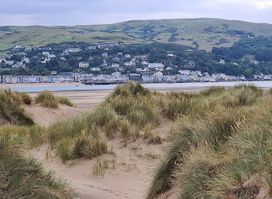
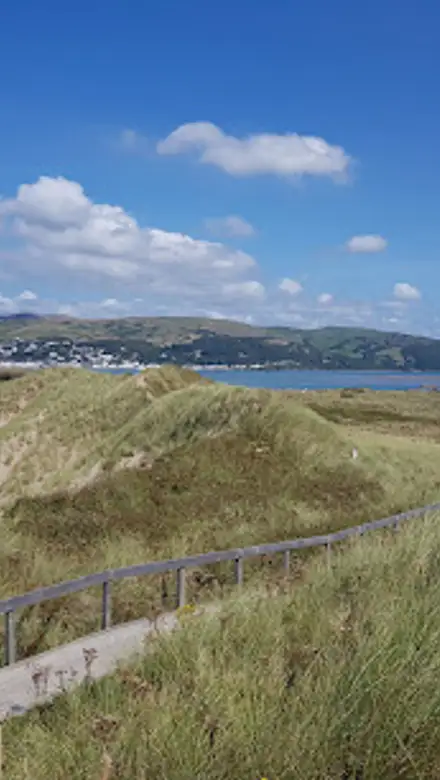
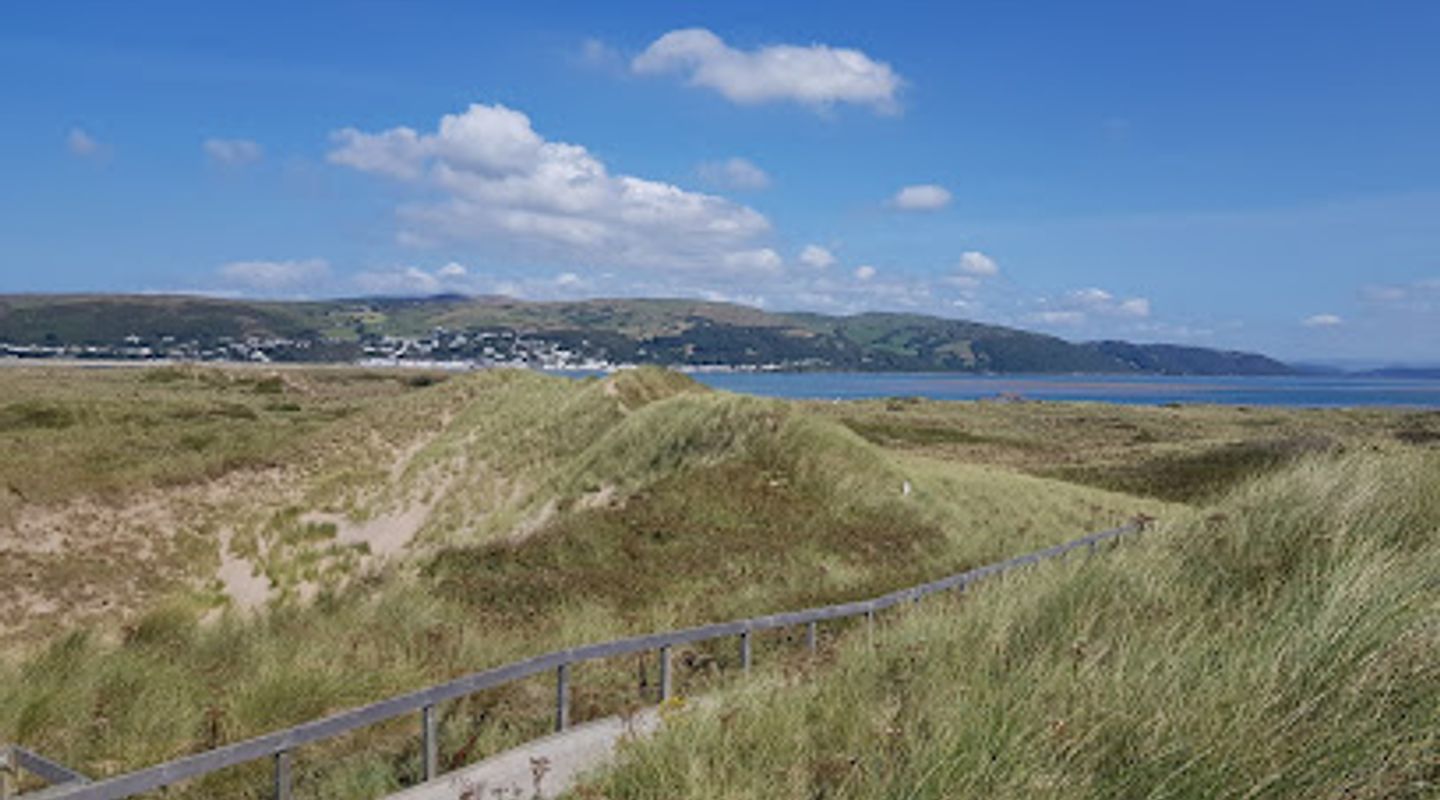
Ynyslas is a breathtaking coastal destination on the Ceredigion coast at the mouth of the River Dyfi, featuring one of Wales's largest sand dune systems protected as a National Nature Reserve. The expansive dunes, pristine sandy beach, and diverse wildlife habitat offer visitors a remarkable natural landscape with well-maintained boardwalks, scenic walking trails, and abundant opportunities for exploration. The reserve is home to rare orchids, wetland birds, and unique flora and fauna, making it a haven for nature enthusiasts, birdwatchers, and families seeking a peaceful coastal escape.
A brief summary to Ynyslas Sand Dunes
- Ynyslas Visitor Centre, Borth, Ynyslas, SY24 5JZ, GB
- Duration: 1.5 to 4 hours
- Budget
-
 Outdoor
- Mobile reception: 3 out of 5

Know before you go
Hi, I'm Eve. Here are a few practical things to know before exploring Ynyslas Sand Dunes.
- Check tide times before visiting, as the beach car park floods during high spring tides. Arrive near low tide to maximize your exploration time and avoid parking issues.
- Pack a picnic and plenty of water. The visitor centre's retail and catering services no longer operate, and the walk from parking to the main beach can be lengthy.
- Wear sturdy footwear and bring binoculars for birdwatching. The dunes have soft sand and uneven terrain, and the estuary offers excellent opportunities to spot wetland birds.
- Visit during spring and summer for the best wildflower displays, particularly the Marsh Helleborine orchids in late June and early July, or in autumn for fungi and bog colors.
- Note that swimming is not permitted due to strong currents marked by red flag warnings. Stay on designated paths to protect the delicate dune ecosystem and rare plants.
Do you manage this location?
Take control to get all the benefits, like improved information, better appearance, and stronger visibility across AI-powered discovery. Learn more about listing your business on Evendo
Activate your presenceOther nearby places you may find interesting
The closest places of the same kind, if this one is not quite what you had in mind.

Explore Ynyslas Sand Dunes on the Map
A handpicked selection of must-see spots near Ynyslas Sand Dunes, mapped for you.
Getting There
-
Car from Aberystwyth
Drive south from Aberystwyth on the A487 toward Machynlleth, passing through Bow Street village. Turn left onto the B4353 toward Borth, continue through the village, then bear left onto an unmarked road toward Ynyslas and the golf course. The car park is approximately 2 kilometers further on, where the road ends at the beach. Journey time is approximately 20–25 minutes. Parking costs £3–£4 per day; note that the beach car park is on tidal sands and floods during high spring tides, so check tide times before visiting.
-
Coastal Path from Borth
Walk the Ceredigion Coast Path from nearby Borth village, which diverges at Borth and continues to the estuary and sand dunes of Ynyslas. The walk is approximately 3–4 kilometers and takes 45 minutes to 1 hour depending on pace and tide conditions. This is a scenic walking route with no vehicle required, though the terrain is coastal path with some sand and uneven ground.
-
Coastal Path from Aberystwyth
For a longer coastal walk, follow the Ceredigion Coast Path from Aberystwyth toward Ynyslas, a full-day journey of approximately 14 kilometers taking 3–4 hours. This scenic route offers stunning views along the Cambrian Coast and can be walked in either direction. The path is well-established but involves coastal terrain with sand, shale, and uneven surfaces.
-
Accessible Parking and Visitor Centre Access
Disabled visitors should use the dedicated disabled car park located just before the main beach car park, accessible via a left turn on the approach road. A surfaced track and ramp lead directly to the Visitor Centre, with approximately 500 meters of boardwalk and shellpath providing accessible routes through the dunes to the beach. This option eliminates the long walk from the main car park and provides direct access to facilities.
For the on-the-go comforts that matter to you
-
 Restrooms
-
 Drinking Water
-
 Information Boards
-
 Visitor Center
-
 Seating Areas
-
 Sheltered Areas
-
 Trash Bins
Discover more about Ynyslas Sand Dunes
A Living Landscape of Sand and Estuary
Ynyslas sits at the mouth of the River Dyfi on the Cambrian Coast, where vast expanses of sand dunes meet the sea in a dramatic display of natural beauty. The dune system has been accreting since the 13th century, continuously shaped by strong onshore winds that blow sand from the exposed sandbanks of the estuary during low tides. This dynamic process creates an ever-evolving landscape where new dunes form and old ones shift, each stage of development supporting different plant communities. The reserve encompasses not only the iconic dunes but also internationally important mudflats, sandbanks, and saltmarsh habitats that form a rich mosaic of coastal ecosystems.A Botanical Treasure Trove
The dune slacks—the low basin-like areas between sand dunes—are particularly renowned for their wildflower displays, especially the vast populations of Marsh Helleborine orchids that bloom in late June and early July. Beyond orchids, the reserve supports an extraordinary diversity of plant life including mosses, liverworts, fungi, and specialized grasses that have adapted to the nutrient-poor sandy soils. Spring brings delicate flowers to the dunes and flowering cotton grass to the raised bog areas, while summer showcases bee orchids, pyramidal orchids, and vibrant saltmarsh flowers including sea pink and sea aster. Autumn transforms the raised bog into a tapestry of russet and red hues, complemented by an impressive array of fungi species such as waxcaps, earth stars, and puffballs.Wildlife and Seasonal Rhythms
The reserve is a haven for birdwatchers, particularly during migration seasons when species such as oystercatchers, curlews, and shelducks congregate in the estuary and salt marshes. Year-round residents include skylarks, linnets, chiffchaffs, and willow warblers, while evening visitors may hear the distinctive call of nightjars. The estuary provides crucial feeding and roosting areas for wetland birds, and keen observers may spot osprey and otter. Reptiles including common lizards, sand lizards, adders, and grass snakes inhabit the dunes, while butterflies, day-flying moths, and dragonflies fill the air during warmer months. The Welsh vernal mining bee, a rare species, is active during spring.Exploration and Access
Well-maintained boardwalks wind through the dunes, providing accessible pathways that protect the delicate ecosystem from erosion while allowing visitors to experience the landscape intimately. The main walking routes include the Dune Walk, a 1.25-mile circuit through sand dunes with boardwalk sections and steps, and the longer Ynyslas Walk, a 2.5-mile circular route offering varied perspectives of the reserve. The coastal path extends beyond the reserve, connecting to nearby Borth and continuing toward Aberystwyth, enabling ambitious walkers to explore miles of unspoiled coastline. The sandy beach itself stretches expansively, providing ample space for leisurely strolls, and at low tide, the beach becomes even more vast, revealing additional terrain for exploration.Visitor Facilities and Practical Considerations
The Dyfi National Nature Reserve Visitor Centre, located at the reserve entrance, operates seasonally from Easter through the end of September, offering educational displays about local ecology, flora, and fauna. Public toilets are available daily from 9 AM to 5 PM. Parking is available on the beach itself for a daily fee, though visitors must be mindful of high tide times, as the car park sits on tidal sands and can flood during spring tides. A separate disabled parking area with direct access to the visitor centre provides alternative facilities. Information boards throughout the reserve guide visitors along waymarked trails, and organized walks and educational programs operate during summer months.A Protected Sanctuary
Designated as a National Nature Reserve and managed by Natural Resources Wales, Ynyslas is a protected area where conservation takes priority. Visitors are asked to remain on designated paths to prevent dune erosion and protect rare plants and wildlife. The reserve's status as an internationally important wetland habitat underscores its ecological significance, making it not merely a recreational destination but a living classroom for understanding coastal ecology and the delicate balance required to sustain such diverse natural communities.












Your all‑in‑one travel companion app
Explore expert travel guides, compare and book tours, experiences, hotels, and more—all from the palm of your hand. Download now for seamless trip planning wherever your wanderlust takes you.


Explore More of Gwynedd
Looking beyond Ynyslas Sand Dunes? Discover Gwynedd for broader travel guides, local hot-spots, and regional highlights.
Explore Gwynedd