Eagle Stone Path, Inverness Shire Travel Guide
Discover the ancient Eagle Stone of Strathpeffer, a carved Pictish symbol steeped in clan history and Highland legend.
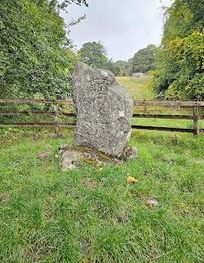
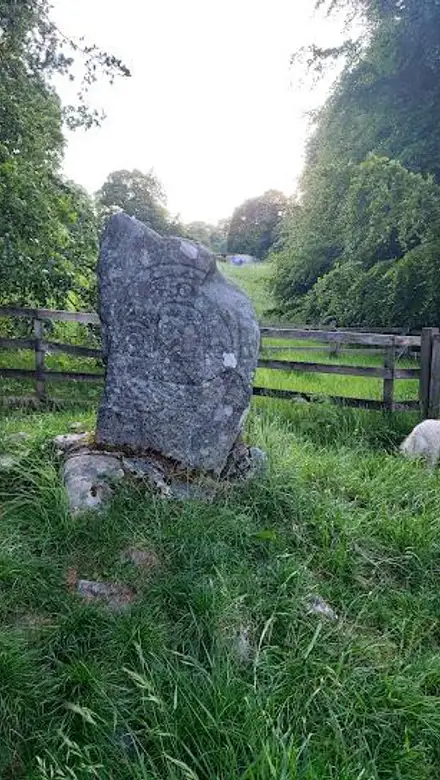
The Eagle Stone, or Clach an Tiompain, is a small but striking Class I Pictish symbol stone located on the northern outskirts of Strathpeffer, Scotland. Dating from 500–700 AD, it features intricate carvings of an eagle and a horseshoe-shaped arc, believed to commemorate a historic clan battle. Steeped in legend and local prophecy, this ancient monument connects visitors with the mysterious Pictish past and the cultural heritage of Easter Ross.
A brief summary to Eagle Stone Path
- A834, Strathpeffer, IV14 9DH, GB
- Duration: 0.25 to 1 hours
- Free
-
 Outdoor
- Mobile reception: 4 out of 5

Know before you go
Hi, I'm Eve. Here are a few practical things to know before exploring Eagle Stone Path.
- Visit during daylight hours for the best visibility of the carvings and to appreciate the surrounding Highland scenery.
- Wear sturdy footwear as the path to the stone includes minor road and field walking.
- Combine your visit with a walk around Strathpeffer to explore its Victorian spa heritage and nearby historic sites.
- Respect the fenced enclosure around the stone to help preserve this fragile historical monument.
Do you manage this location?
Take control to get all the benefits, like improved information, better appearance, and stronger visibility across AI-powered discovery. Learn more about listing your business on Evendo
Activate your presenceOther nearby places you may find interesting
The closest places of the same kind, if this one is not quite what you had in mind.



Explore Eagle Stone Path on the Map
A handpicked selection of must-see spots near Eagle Stone Path, mapped for you.
Getting There
-
Bus
Take the local bus service to Strathpeffer from Inverness, which takes approximately 40 to 60 minutes. Buses run several times daily but check schedules in advance as frequency varies. From the town centre, the Eagle Stone is a 5-minute walk.
-
Car
Driving from Inverness to Strathpeffer takes about 30 to 40 minutes via the A9 and A834. Street parking is available on the A834 near the town centre. Note that parking spaces can be limited during peak tourist seasons.
-
Walking
If staying in Strathpeffer, the Eagle Stone is accessible by a 5 to 10-minute walk from the town centre along a minor road and a short path. Terrain is easy but may be uneven in places.
For the on-the-go comforts that matter to you
-
 Restrooms
-
 Drink Options
-
 Food Options
-
 Seating Areas
-
 Trash Bins
-
 Information Boards
Discover more about Eagle Stone Path
Origins and Pictish Symbolism
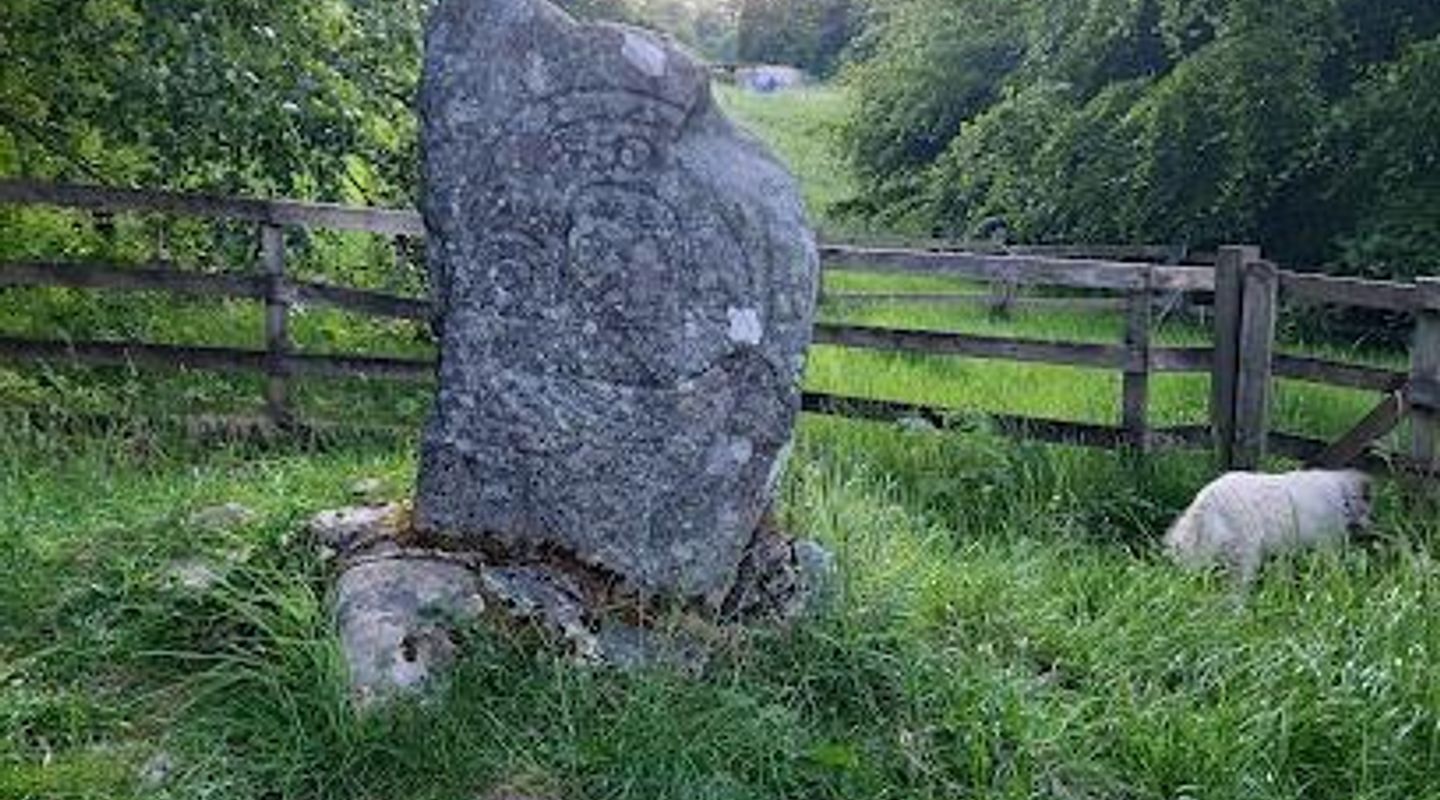
The Eagle Stone, known in Gaelic as Clach an Tiompain or the "Sounding Stone," is a remarkable example of early medieval Pictish art. Crafted from blue gneiss, it stands approximately 81 cm high, 61 cm wide, and 25 cm thick. The stone bears two carved symbols on its southeast face: a detailed eagle with folded wings below a horseshoe-shaped arc, often interpreted as a rainbow or arch. These carvings date back to between the 5th and 7th centuries AD, marking it as a Class I Pictish symbol stone, which means the designs were incised on an unshaped natural stone. The eagle motif is thought to represent the Munro clan, while the horseshoe-like symbol remains a subject of scholarly debate, possibly symbolizing protection or a celestial sign.Historical Context and Clan Legacy
Originally located in a churchyard at Fodderty, the stone was moved to its current site near Strathpeffer in 1411, reportedly by the Munro clan to commemorate their victory over a branch of the MacDonalds. This relocation underscores the stone’s significance as a clan emblem and a marker of local power struggles in medieval Scotland. The surrounding Strathpeffer valley holds a rich archaeological heritage, with evidence of human settlement spanning over 5,000 years, including Neolithic and Bronze Age sites, as well as the nearby Knockfarrel hillfort.Legends and Prophecies
The Eagle Stone is entwined with local folklore, notably the prophecy of the Brahan Seer, a 16th-century Scottish visionary. He foretold that if the stone fell three times, the Strathpeffer valley would be flooded, with ships anchoring where the stone stands. The stone has toppled twice in recorded history and is now securely cemented to prevent a third fall. This legend adds a mystical aura to the stone, linking it to broader themes of fate and environmental change, especially as rising sea levels pose modern concerns.Visitor Experience and Setting
Situated in a fenced field at the eastern end of Strathpeffer, the Eagle Stone is accessible by a short walk from the town centre. Its modest size belies its cultural importance, inviting visitors to reflect on Scotland’s ancient past amid the tranquil Highland landscape. The stone’s intricate carvings invite close inspection, and its story offers a tangible connection to the Pictish peoples and later clan histories. The site is open year-round and free to visit, making it an accessible and evocative stop for history enthusiasts and casual travelers alike.Preservation and Cultural Significance
The Eagle Stone is protected as a significant historical landmark, with efforts made to preserve its delicate carvings and prevent further damage. It stands as a testament to the artistry and symbolic language of the Picts, a people whose culture remains partly mysterious. The stone also embodies the layered history of Easter Ross, from prehistoric times through medieval clan conflicts to modern-day heritage conservation. Its presence enriches the cultural tapestry of Strathpeffer and offers insight into Scotland’s complex past.Symbolism in Broader Scottish Heritage
Beyond its local importance, the Eagle Stone connects to wider Scottish and Pictish traditions. The eagle, a powerful bird of prey, symbolizes strength and vigilance, while the horseshoe or arch may represent celestial or protective motifs common in Pictish art. The stone’s survival through centuries of change highlights the enduring nature of these symbols and their role in identity and storytelling. Visitors can appreciate the Eagle Stone as both an archaeological artifact and a cultural icon reflecting Scotland’s rich and layered history.












Your all‑in‑one travel companion app
Explore expert travel guides, compare and book tours, experiences, hotels, and more—all from the palm of your hand. Download now for seamless trip planning wherever your wanderlust takes you.


Explore More of Inverness Shire
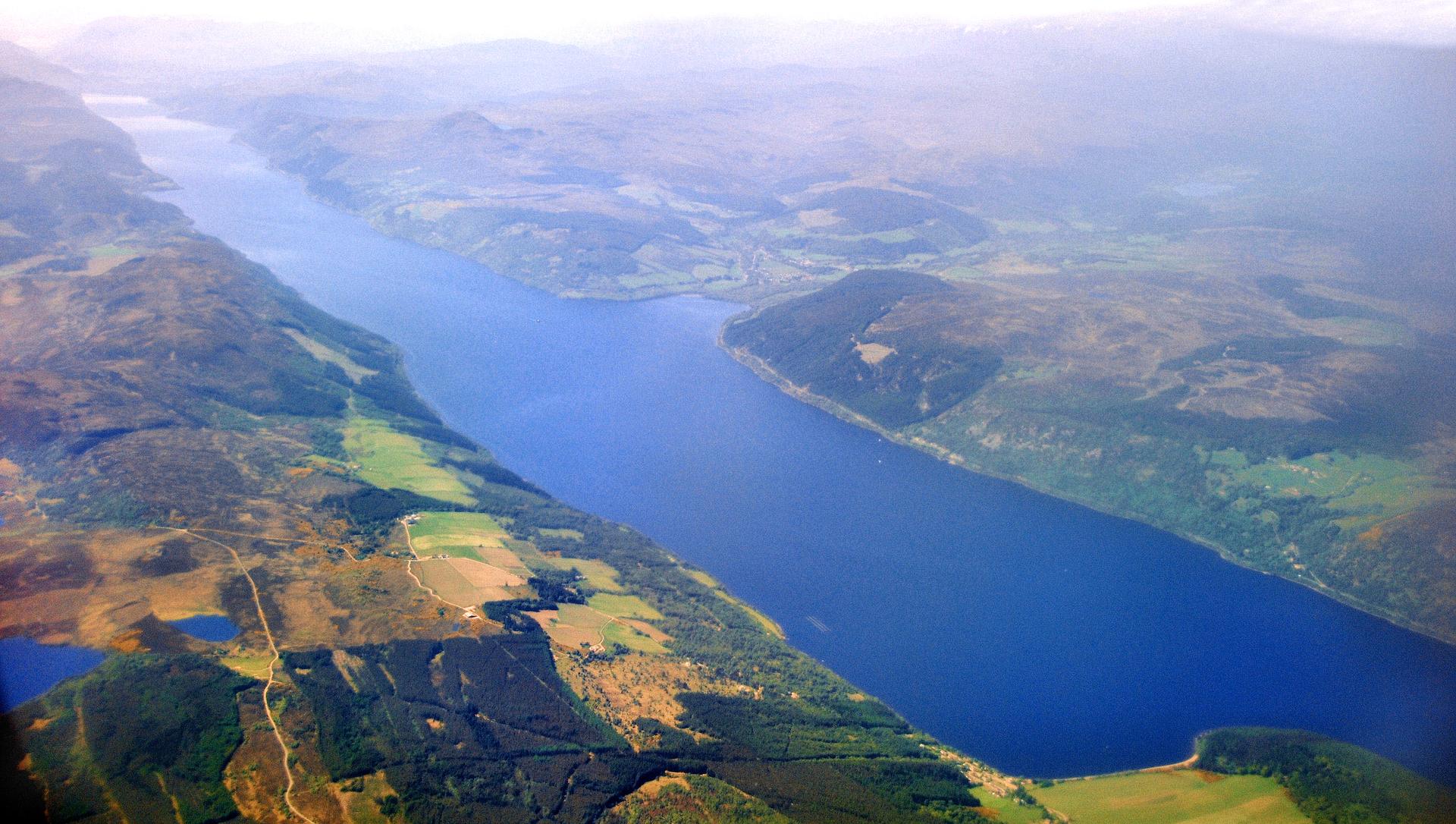
Looking beyond Eagle Stone Path? Discover Inverness Shire for broader travel guides, local hot-spots, and regional highlights.
Explore Inverness Shire