Caledonian Canal, Scotland Travel Guide
Explore the historic Caledonian Canal, a 60-mile engineering masterpiece weaving through Scotland’s Great Glen and iconic lochs.
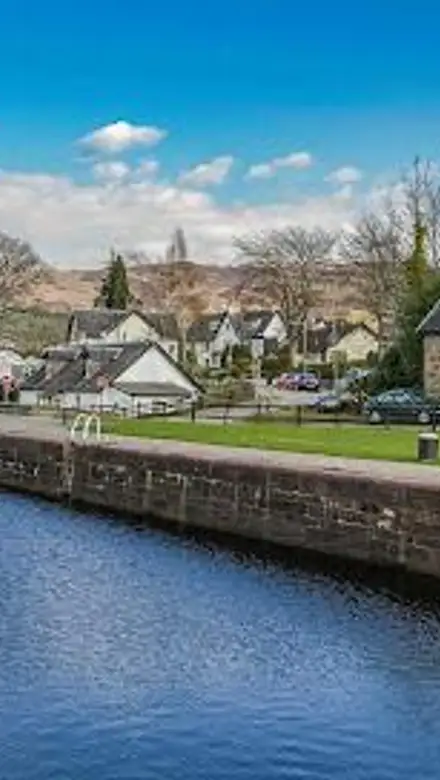
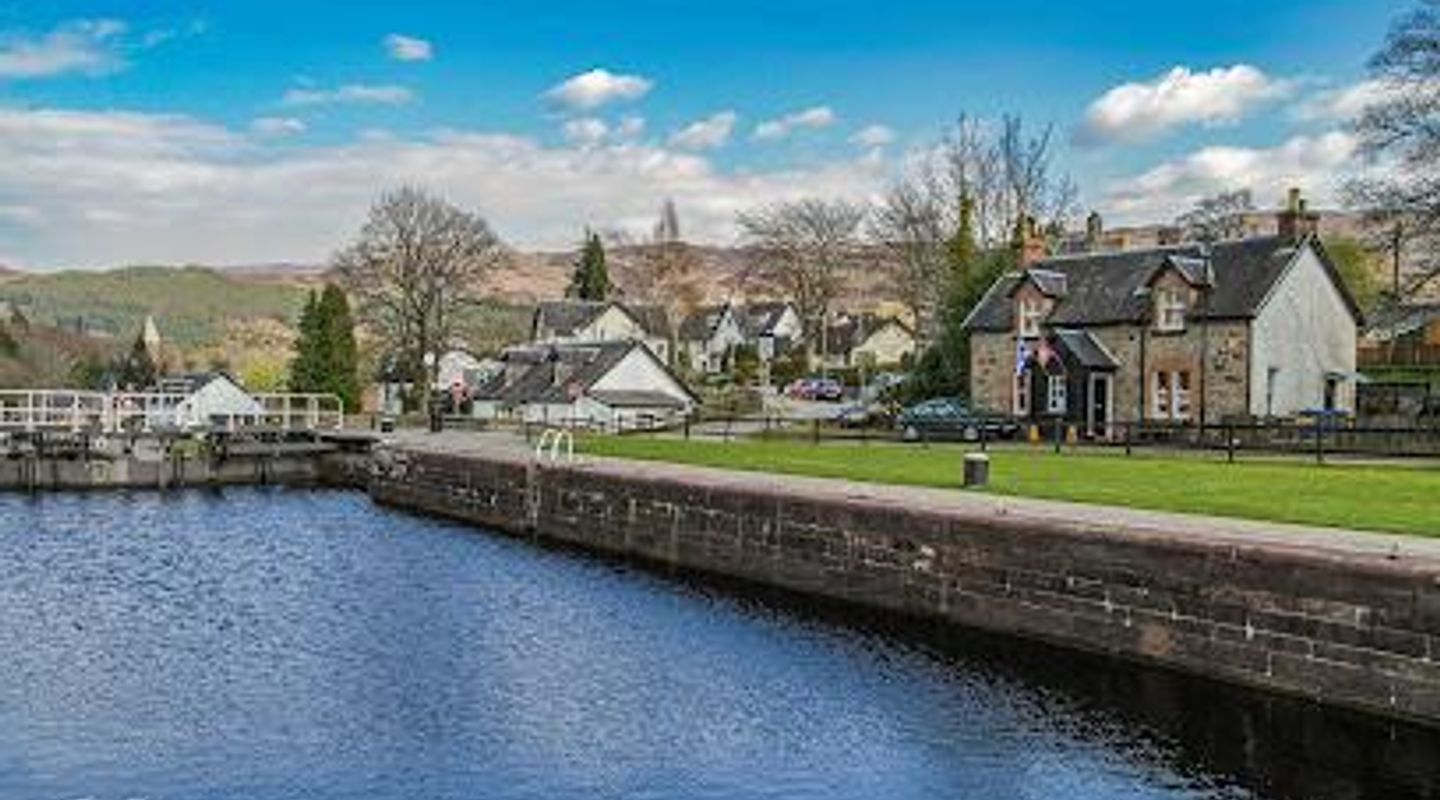
The Caledonian Canal is a 60-mile waterway cutting through Scotland’s Great Glen, connecting the North Sea at Inverness with the Irish Sea near Fort William. Constructed in the early 19th century under engineer Thomas Telford, it features 29 locks, four aqueducts, and ten bridges, weaving through both man-made sections and natural lochs including the famous Loch Ness. Once vital for military and commercial navigation, today it serves as a scenic route for leisure boating, walking, and cycling amid stunning Highland landscapes.
A brief summary to Caledonian Canal
- GB
- Duration: 1 to 6 hours
- Mid ranged
-
 Outdoor
- Mobile reception: 4 out of 5

Know before you go
Hi, I'm Eve. Here are a few practical things to know before exploring Caledonian Canal.
- Visit the Caledonian Canal Centre in Fort Augustus for free exhibits, local crafts, and a café with Scottish produce.
- Plan a walk or cycle along the towpaths to experience stunning Highland views and watch boats navigate the locks.
- Take a boat cruise on Loch Ness or through the canal for a unique perspective on the waterway and surrounding scenery.
- Best visited in warmer months for comfortable weather and lively canal activity.
Do you manage this location?
Take control to get all the benefits, like improved information, better appearance, and stronger visibility across AI-powered discovery. Learn more about listing your business on Evendo
Activate your presenceOther nearby places you may find interesting
The closest places of the same kind, if this one is not quite what you had in mind.




Explore Caledonian Canal on the Map
A handpicked selection of must-see spots near Caledonian Canal, mapped for you.
Unlock the Best of Caledonian Canal
Buy tickets
-
No tickets available
Book tours with entry


Getting There
-
Train and Bus
Travel to Inverness by train from major Scottish cities, then take a local bus to Fort Augustus near the canal. Train journeys from Glasgow or Edinburgh take approximately 3.5 to 4.5 hours, with bus connections around 1.5 hours. Bus services may be less frequent in winter, so check schedules in advance.
-
Car
Driving from Inverness to Fort Augustus via the A82 takes about 1.5 hours. Parking is available at key canal access points including Fort Augustus and Neptune’s Staircase. Roads are well maintained but can be narrow and winding; winter driving requires caution.
-
Boat Transit
Private boats and hire cruisers can transit the canal with a short-term licence available from Scottish Canals. Transit times vary from several hours to a few days depending on vessel size and stops. Licences cost approximately £50-£100 depending on duration.
For the on-the-go comforts that matter to you
-
 Restrooms
-
 Drink Options
-
 Food Options
-
 Seating Areas
-
 Information Boards
-
 Visitor Center
Discover more about Caledonian Canal
Origins and Vision Behind the Canal
The concept of the Caledonian Canal dates back to 1773 when James Watt first surveyed the route. Its purpose was to provide a safer, shorter passage for ships to avoid the hazardous journey around Scotland’s northern coast via the Pentland Firth. The canal also aimed to stimulate economic development and provide employment in the Highlands following the social upheaval of the Highland Clearances. After decades of planning, an Act of Parliament in 1803 authorized its construction, with Thomas Telford appointed as chief engineer to design and oversee the project.Construction and Engineering Feats
Construction began in 1803 and took nearly two decades to complete, opening in 1822 at a cost of £910,000. The canal stretches 60 miles, with roughly one-third man-made and the rest formed by four freshwater lochs: Loch Dochfour, Loch Ness, Loch Oich, and Loch Lochy. The engineering challenge was immense, requiring 29 locks to raise vessels to the summit level at Loch Oich, along with four aqueducts and ten bridges. The canal’s locks and infrastructure were pioneering for their time, advancing civil engineering knowledge significantly.Historical Significance and Use
Though it did not achieve the commercial success initially anticipated—partly due to the rise of steamships capable of navigating around Scotland more easily—the canal played a strategic role during World War I as a military supply route. It also provided a vital transportation link before the arrival of railways in the Highlands. Over the years, it underwent repairs and modernization, including mechanization of lock operations in the 1960s and extensive restoration from the 1990s, preserving its historic features.Visitor Experience and Natural Beauty
Today, the Caledonian Canal is a Scheduled Ancient Monument and a major tourist attraction. Visitors can enjoy walking or cycling along scenic towpaths, watching boats navigate the locks—especially at notable sites like Fort Augustus and Neptune’s Staircase—and exploring the surrounding Highland landscapes. The canal’s route through Loch Ness adds a layer of mystique and natural beauty, with opportunities for boat cruises and wildlife spotting.The Caledonian Canal Centre
Located in Fort Augustus, the Caledonian Canal Centre serves as a world-class visitor hub offering educational displays about the canal’s history and engineering. The centre features a gift shop with locally sourced Scottish products, a café serving homemade produce including artisan ice cream, and seven holiday rooms for overnight stays. It provides a rich interpretive experience that enhances understanding of the canal’s cultural and historical importance.Legacy and Cultural Impact
The Caledonian Canal remains a testament to early 19th-century engineering ambition and perseverance. It symbolizes the transformation of the Scottish Highlands through infrastructure and innovation, blending natural landscapes with human ingenuity. Its continued use for leisure and tourism sustains its relevance, inviting visitors to connect with Scotland’s heritage and stunning environment.












Your all‑in‑one travel companion app
Explore expert travel guides, compare and book tours, experiences, hotels, and more—all from the palm of your hand. Download now for seamless trip planning wherever your wanderlust takes you.


Explore More of Scotland

Looking beyond Caledonian Canal? Discover Scotland for broader travel guides, local hot-spots, and regional highlights.
Explore Scotland
Discover Scotland’s smallest craft distillery nestled by Loch Ness, where local botanicals and Highland water create award-winning gin.
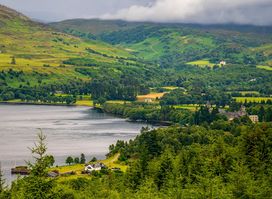
Discover tranquil woodland trails, cascading waterfalls, and breathtaking Loch Ness views at Allt na Criche near Fort Augustus.