

Clava Cairns, Inverness Shire Travel Guide
Explore Clava Cairns, a mystical 4,000-year-old Bronze Age burial site near Inverness, famed for its ancient stone circles and celestial alignments.
Clava Cairns is a remarkably well-preserved Bronze Age cemetery complex near Inverness, Scotland, dating back around 4,000 years. Comprising three main cairns—two passage graves and one ring cairn—each encircled by standing stones, the site reflects ancient burial rituals and astronomical alignments, notably with the midwinter sunset. Set in a tranquil woodland, it offers a powerful connection to prehistoric life and inspired the fictional Craigh na Dun in the Outlander series. Open year-round with free access and parking, it remains a serene and evocative historic landmark.
A brief summary to Clava Cairns
- Inverness, IV2 5EU, GB
- Click to display
- Click to display
- Duration: 0.5 to 2 hours
- Free
-
 Outdoor
- Mobile reception: 4 out of 5

Know before you go
Hi, I'm Eve. Here are a few practical things to know before exploring Clava Cairns.
- Wear sturdy footwear due to uneven terrain and natural stone surfaces.
- Bring water and snacks, as there are no food or drink facilities on-site.
- Visit during quieter times early or late in the day to enjoy a more tranquil experience.
- Combine your visit with nearby Culloden Battlefield for a comprehensive historical day trip.
- Respect the site by staying on paths and not climbing on the stones.
Do you manage this location?
Take control to get all the benefits, like improved information, better appearance, and stronger visibility across AI-powered discovery. Learn more about listing your business on Evendo
Activate your presenceOther nearby places you may find interesting
The closest places of the same kind, if this one is not quite what you had in mind.
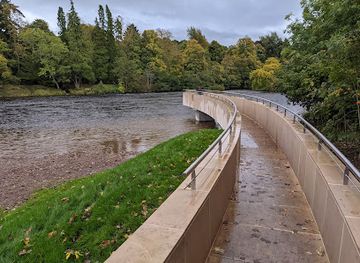
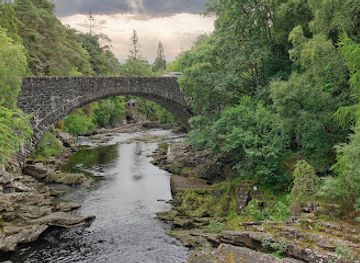
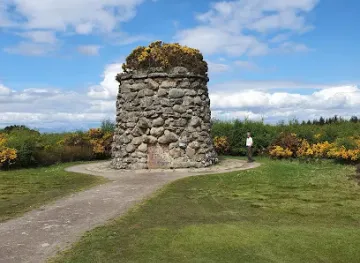
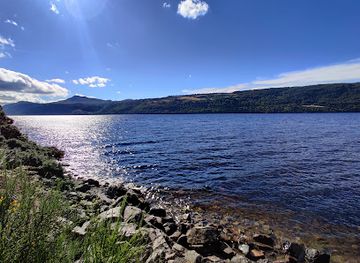
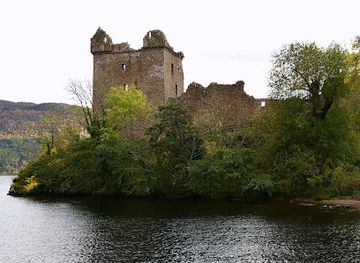
Explore Clava Cairns on the Map
A handpicked selection of must-see spots near Clava Cairns, mapped for you.
Unlock the Best of Clava Cairns
Buy tickets
-
No tickets available
Book tours with entry


Getting There
-
Car
Driving from Inverness, the journey to Clava Cairns takes approximately 15–20 minutes via the A96 and B851 roads. Free on-site parking is available but limited, especially during peak times. Coaches are not recommended due to parking constraints.
-
Bus and Walk
Take a regional bus from Inverness to Culloden Battlefield, which takes about 30 minutes. From there, a 20–30 minute walk along rural paths leads to Clava Cairns. The terrain is uneven and may be challenging for some visitors.
-
Guided Tour
Join a guided Highland or Outlander-themed tour departing from Inverness, typically lasting 4–6 hours and including Clava Cairns and nearby Culloden Battlefield. Prices range from £40 to £70 per person depending on the provider.
For the on-the-go comforts that matter to you
-
 Restrooms
-
 Parking
-
 Information Boards
-
 Seating Areas
-
 Picnic Areas
-
 Trash Bins
Discover more about Clava Cairns
Ancient Origins and Archaeological Significance
Clava Cairns, located near Inverness in the Scottish Highlands, is an exceptional prehistoric site dating back approximately 4,000 years to the Bronze Age, around 2000 BCE. The complex consists of three primary burial cairns arranged in a northeast to southwest alignment. Two of these cairns are passage graves featuring stone-lined passages leading to central chambers, while the third is a sealed ring cairn without an entrance. Each cairn is surrounded by its own stone circle, highlighting the sophisticated architectural and ceremonial practices of the era. The site is part of a broader prehistoric landscape with over 50 similar cairns identified in the region, underscoring its cultural importance.Celestial Alignments and Ritual Purpose
The layout of Clava Cairns reveals an advanced understanding of astronomy by its builders. The two passage graves are aligned toward the southwest, corresponding with the setting sun at the winter solstice, suggesting the site’s use in ancient ceremonial and calendrical functions. The standing stones encircling the cairns are graded in height, with the tallest stones facing the midwinter sunset, reinforcing the connection to celestial events. This alignment may have symbolized death and rebirth cycles, reflecting spiritual beliefs about the afterlife and seasonal change.Atmosphere and Landscape Setting
Nestled in a peaceful woodland setting near the River Nairn, Clava Cairns offers a mystical and tranquil atmosphere that draws visitors into a deep sense of connection with the past. The uneven terrain and natural surroundings enhance the feeling of stepping back in time, where the weathered stones stand as silent sentinels to ancient rituals. The site’s quiet ambiance is often described as soul-stirring, inviting reflection on the lives and beliefs of Scotland’s early inhabitants. Nearby, the smaller cemetery at Milton of Clava features additional cairns and the remains of a medieval chapel, extending the historical narrative of the area.Modern Cultural Resonance and Visitor Experience
In recent years, Clava Cairns has gained wider cultural significance as the inspiration for the fictional Craigh na Dun in the popular Outlander series. This connection has attracted fans worldwide, adding a layer of storytelling magic to the site’s ancient presence. Visitors typically spend one to two hours exploring the cairns and reading the interpretive information boards, absorbing the sense of mystery and history. The site is free to visit, open 24/7 year-round, and managed by Historic Environment Scotland, though it offers no visitor centre, toilets, or cafés, preserving its untouched and natural character.Practical Considerations for Visitors
Clava Cairns is accessible via a small car park with free parking, including spaces suitable for minibuses, though coaches are not recommended. The terrain is uneven and may present challenges for visitors with mobility issues. There are no onsite facilities such as restrooms or food services, so visitors should plan accordingly. The site’s open access allows for flexible visiting times, but peak periods can fill the limited parking quickly. Combining a visit to Clava Cairns with nearby attractions like Culloden Battlefield offers a rich historical journey through Scotland’s layered past.Enduring Legacy of Scotland’s Prehistoric Heritage
Clava Cairns stands as a testament to the ingenuity, spirituality, and craftsmanship of Bronze Age societies in Scotland. The carefully constructed cairns and their celestial alignments invite ongoing exploration and interpretation, connecting modern visitors with a lineage stretching back millennia. The site’s evocative power lies in its ability to transcend time, offering a tangible link to ancient human experience and the mysteries of life, death, and the cosmos.












Your all‑in‑one travel companion app
Explore expert travel guides, compare and book tours, experiences, hotels, and more—all from the palm of your hand. Download now for seamless trip planning wherever your wanderlust takes you.


Explore More of Inverness Shire
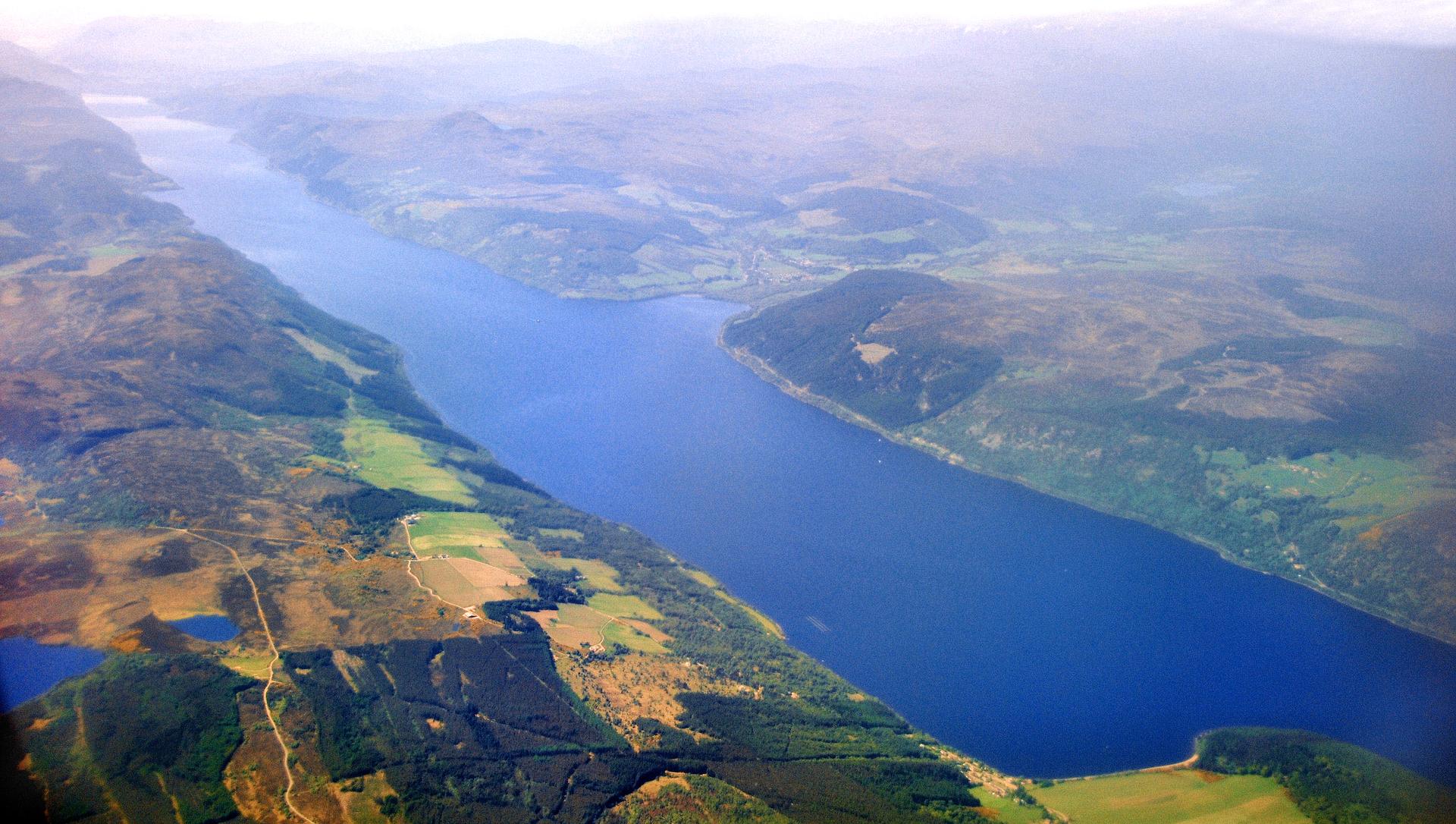
Looking beyond Clava Cairns? Discover Inverness Shire for broader travel guides, local hot-spots, and regional highlights.
Explore Inverness Shire
A vibrant soft play centre and bistro in Inverness offering safe family fun, homemade food, and a welcoming atmosphere for all ages.
Explore the haunting moor where the 1746 Battle of Culloden ended the Jacobite Rising, with immersive exhibits and historic memorials.
