Clach an Tiompain, Inverness Shire Travel Guide
A 7th-century Pictish eagle carved in stone, steeped in clan legend and ancient prophecy.
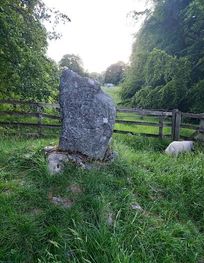
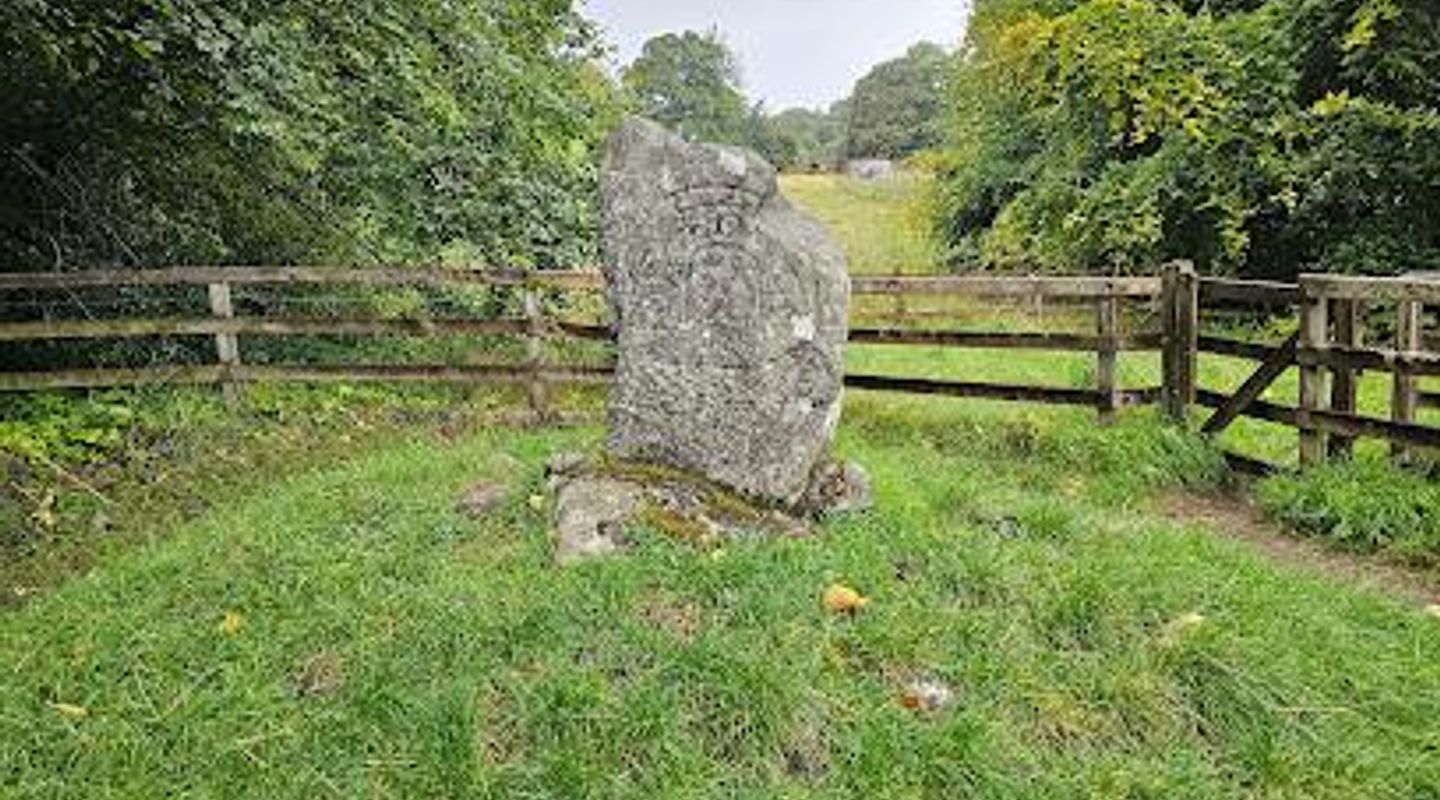
A striking 7th-century Pictish symbol stone standing in a fenced enclosure near Strathpeffer in the Scottish Highlands. Carved with an intricately detailed eagle and a horseshoe or arch symbol, this ancient monument is one of Scotland's best-preserved Class I Pictish stones. Free to visit, it offers spectacular valley views and connects to local folklore about clan battles and the prophecies of the Brahan Seer. Located near the Highland Museum of Childhood with accessible parking and facilities.
A brief summary to Clach an Tiompain
- Strathpeffer, IV14, UK, GB
- Click to display
- Duration: 0.5 to 1.5 hours
- Free
-
 Outdoor
- Mobile reception: 3 out of 5

Know before you go
Hi, I'm Eve. Here are a few practical things to know before exploring Clach an Tiompain.
- Park at the Old Station (Highland Museum of Childhood) where you'll find free parking, toilets, café, and a shop. The stone is less than 500 metres away via a signposted track.
- Wear sturdy footwear—the walk to the stone involves rough ground and is not suitable for wheelchairs or buggies.
- Visit on a clear day to fully appreciate the spectacular views down the valley towards Dingwall from the stone's elevated position.
- Allow time to explore the nearby Highland Museum of Childhood at the Old Station for context on local history and Pictish heritage.
- The stone is cemented in place as a precaution against the Brahan Seer's prophecy—look closely at the base to see the modern protective measures protecting this ancient monument.
Do you manage this location?
Take control to get all the benefits, like improved information, better appearance, and stronger visibility across AI-powered discovery. Learn more about listing your business on Evendo
Activate your presenceOther nearby places you may find interesting
The closest places of the same kind, if this one is not quite what you had in mind.



Explore Clach an Tiompain on the Map
A handpicked selection of must-see spots near Clach an Tiompain, mapped for you.
Getting There
-
Car with Parking
Drive to the Old Station car park in Strathpeffer (postcode IV14 9DQ), where free parking is available. The Eagle Stone is signposted from the car park and lies less than 500 metres away via a marked pedestrian track beside a hedge. Journey time from Inverness is approximately 40–50 minutes (40 kilometres). The route is straightforward via the A862 and A835.
-
Walking from Strathpeffer Centre
From the centre of Strathpeffer village, pedestrian signposting directs visitors uphill to the stone, a walk of a few hundred yards. The route can also be accessed by following the main road downhill to the edge of the village, where a signposted track leads up beside a hedge. The walk involves rough ground and takes approximately 10–15 minutes. This option is suitable only for those comfortable with uneven terrain.
-
Public Transport and Walk
Stagecoach buses serve Strathpeffer from Inverness (journey time approximately 1 hour). Alight in the village centre and follow pedestrian signposting to the stone (10–15 minutes on foot over rough ground). Bus services run several times daily but are less frequent on Sundays; check current timetables before travelling. A single fare from Inverness costs approximately £6–8.
-
Taxi from Inverness
Taxis from Inverness to Strathpeffer typically cost £35–50 and take 40–50 minutes depending on traffic. Drop-off at the Old Station allows access to parking and facilities. From there, follow the signposted pedestrian route to the stone (less than 500 metres, 10–15 minutes on rough ground).
For the on-the-go comforts that matter to you
-
 Restrooms
-
 Drink Options
-
 Food Options
-
 Seating Areas
-
 Information Boards
-
 Visitor Center
Discover more about Clach an Tiompain
An Ancient Pictish Masterpiece
The Eagle Stone, known in Gaelic as Clach an Tiompain (meaning 'Sounding Stone' or 'Stone on the Ground'), stands as one of Scotland's finest examples of Pictish symbol carving. Believed to date from the 7th century AD, this Class I Pictish stone represents an era when skilled artisans carved symbols directly into natural, unshaped rock—a technique that predates Christian influence in the region. The stone itself measures approximately 2 feet 8 inches high by 2 feet wide, modest in size yet monumental in historical significance.The carved symbols on the stone's smooth south-east face reveal remarkable craftsmanship. The lower symbol depicts an eagle with folded wings, intricately detailed feathers, talons, and beak—the carving that gave the stone its English name. Above it sits a horseshoe or arch shape adorned with decorative discs and arcs. The precise meaning of these Pictish symbols remains a mystery, though they likely held spiritual, territorial, or commemorative significance to the people who created them over 1,400 years ago.Legends of Battle and Prophecy
Local tradition weaves the Eagle Stone into the fabric of Highland clan history. According to legend, the stone was originally located in an old churchyard at Fodderty, further down the valley, and was moved to its current site to mark the graves of Munros killed during a 1411 battle with Clan Macdonald. This connection may have arisen because the eagle is the crest of Clan Munro, linking the ancient carving to later clan identity.The stone is equally famous for its association with the Brahan Seer, a 16th-century prophet known as Scotland's answer to Nostradamus. According to his prophecies, should the Eagle Stone fall three times, the surrounding valley would flood and ships would anchor on the spot. Local belief holds that the stone has already fallen twice, prompting authorities to cement it firmly into a concrete base—a practical precaution against the third fall and the catastrophic flooding it would supposedly bring.Setting and Visitor Experience
The Eagle Stone stands in a fenced enclosure in a field at the eastern end of Strathpeffer, positioned on a small mound near the main road. Its location offers spectacular views down the valley towards Dingwall, making the site as visually rewarding as it is historically significant. The stone's proximity to the 50-metre contour adds another layer to the Brahan Seer legend—a third fall could theoretically send water cascading toward Dingwall on the coast.Visiting the stone is straightforward and free. Pedestrian signposting guides visitors from the centre of Strathpeffer, with the simplest route following the main road downhill to a signposted track that leads up beside a hedge. The walk takes only a few hundred yards and involves rough ground, adding a modest element of countryside immersion to the experience. Free parking is available at the nearby Old Station, home to the Highland Museum of Childhood, which provides café, shop, and toilet facilities for visitors.












Your all‑in‑one travel companion app
Explore expert travel guides, compare and book tours, experiences, hotels, and more—all from the palm of your hand. Download now for seamless trip planning wherever your wanderlust takes you.


Explore More of Inverness Shire
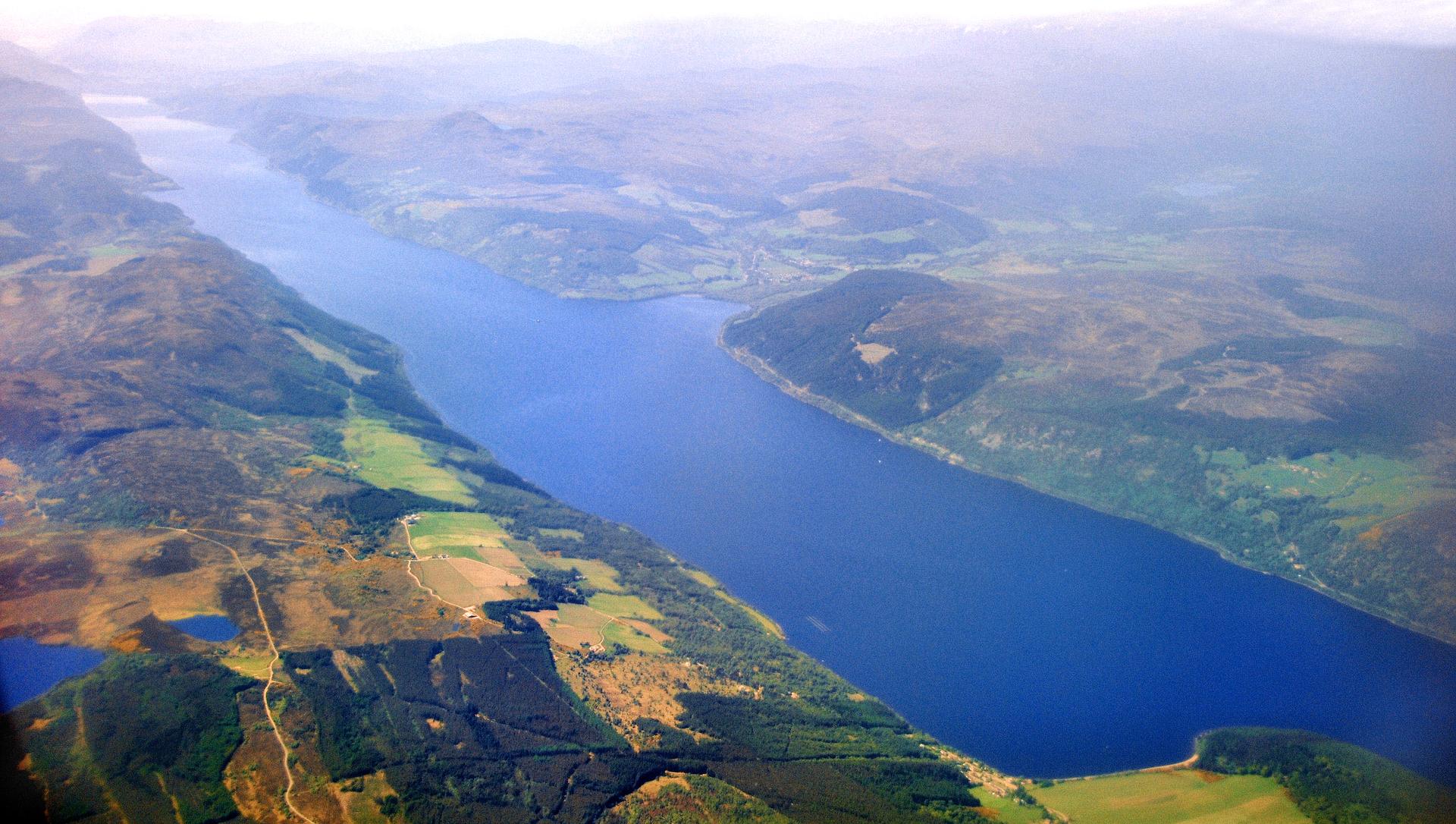
Looking beyond Clach an Tiompain? Discover Inverness Shire for broader travel guides, local hot-spots, and regional highlights.
Explore Inverness Shire