
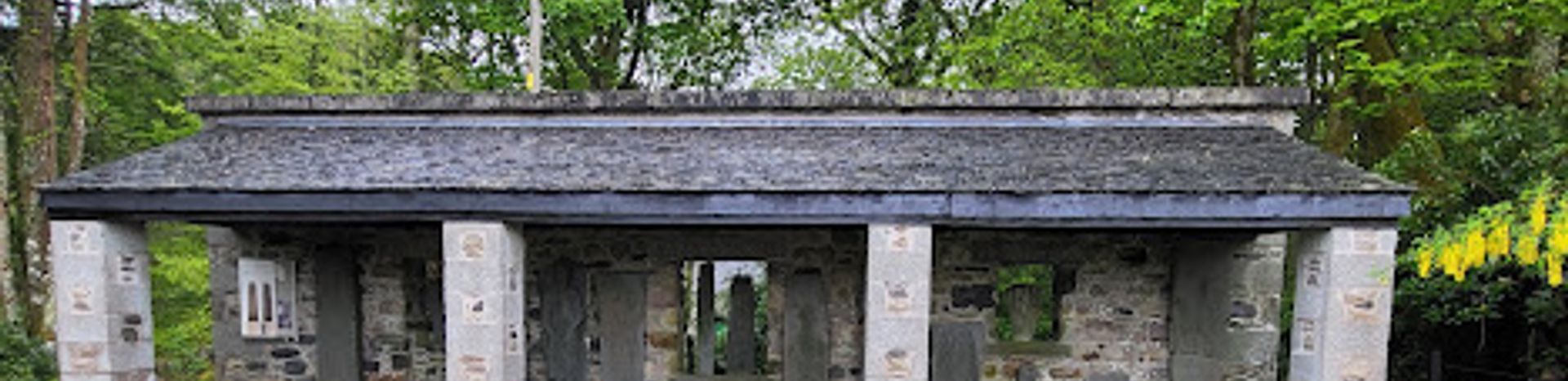
Kilberry Sculptured Stones: A Window into Scotland’s Ecclesiastical Heritage
Discover Kilberry Sculptured Stones, a captivating collection of early Christian and medieval grave markers nestled in the serene Scottish countryside.
The Kilberry Sculptured Stones are a remarkable collection of early Christian, medieval, and post-medieval grave markers and crosses originally from a medieval parish church near Kilberry Castle in Scotland. These stones, including the notable Kilberry Cross, showcase intricate carvings and effigies dating from the 6th to 17th centuries, reflecting the area's rich religious and cultural history.
A brief summary to Kilberry Sculptured Stones
- Tarbert, Kilberry, GB
- Visit website
- Duration: 0.5 to 2 hours
- Free
-
 Outdoor
- Mobile reception: 3 out of 5
- Monday 12 am-12 am
- Tuesday 12 am-12 am
- Wednesday 12 am-12 am
- Thursday 12 am-12 am
- Friday 12 am-12 am
- Saturday 12 am-12 am
- Sunday 12 am-12 am
Local tips
- Visit during daylight hours to fully appreciate the intricate carvings and details on the stones.
- Bring a camera to capture the unique medieval artwork and the peaceful rural surroundings.
- Combine your visit with a tour of nearby Kilberry Castle to enrich your understanding of the estate’s history.
- Wear comfortable shoes as the site is outdoors and may involve walking on uneven ground.

For the on-the-go comforts that matter to you
- Seating Areas
- Information Boards
Getting There
-
Car
Driving from Tarbert, the journey to Kilberry Sculptured Stones takes approximately 20 to 30 minutes via local rural roads. Parking is limited near the site, so arrive early during peak seasons. No parking fees apply.
-
Bus and Walk
Take a regional bus from Tarbert to the nearest village, then enjoy a 30-minute walk on country paths to Kilberry. The walk involves uneven terrain and is not suitable for wheelchairs. Bus services run several times daily with fares around £5–£8.
-
Taxi
A taxi from Tarbert offers a direct 20-minute ride to Kilberry Sculptured Stones. This option provides flexibility but costs approximately £20–£30 each way.
Kilberry Sculptured Stones location weather suitability
-
 Any Weather
-
 Rain / Wet Weather
-
 Clear Skies
-
 Mild Temperatures
Discover more about Kilberry Sculptured Stones
Origins and Historical Context of the Kilberry Stones
The Kilberry Sculptured Stones originate from the site of a medieval parish church on the Kilberry Castle estate, first documented around 1350. This church was destroyed in the 1640s during conflicts involving the Campbells of Kilberry and Royalist forces. Over time, the churchyard fell into disuse and is believed to now lie beneath a bowling green. In 1948, local historian Marion Campbell relocated the stones from the church site to the castle basement, later moving them to a purpose-built shelter in 1951, ensuring their preservation.A Diverse Collection Spanning Centuries
The collection comprises 26 sculptured stones arranged along a central wall, representing a timeline from early Christian to post-medieval periods. Among them are three early Christian gravemarkers marked with simple crosses dating back to the 6th or 7th century, eight medieval grave slabs decorated in the West Highland tradition from the 1300s to 1500s, and seven irregular post-medieval slabs. Notably, some medieval slabs depict armed warriors and inscriptions commemorating figures such as John, son of Mauritius, linking the stones to the MacMurachie family historically associated with Kilberry.The Iconic Kilberry Cross and Its Symbolism
A highlight of the collection is the Kilberry Cross, a one-meter-high cross-shaft fragment richly carved with symbolic imagery. One face portrays a mounted warrior, a cleric in robes and mitre offering benediction, and a second robed figure, while the reverse features a leaf scroll entwining prancing lions at the base of a cross. This cross is both an artistic masterpiece and a medieval snapshot, embodying religious and martial themes of the era.Ecclesiastical Significance and Local Traditions
The early Christian stones attest to Kilberry’s long-standing role as an ecclesiastical center, possibly linked to a church dedicated to St Berchan, an Irish missionary. Local tradition recalls a monastery and monastic buildings near the castle, though these were destroyed in the 19th century. The stones reflect not only religious devotion but also cultural practices such as marking warriors’ graves with sword impressions, providing a tangible connection to the community's medieval past.Preservation and Visitor Experience Today
Today, the stones are housed in a sheltered setting near Kilberry Castle, allowing visitors to appreciate their detailed carvings and historical context. The collection serves as a cultural landmark and habitat, bridging Scotland’s early Christian heritage with modern appreciation. The site’s tranquil rural setting enhances the contemplative experience, inviting reflection on centuries of faith, artistry, and local history.Artistic and Cultural Legacy of the Kilberry Stones
Beyond their historical importance, the Kilberry Sculptured Stones inspire fascination through their craftsmanship and the stories they embody. They connect visitors to the spiritual and social fabric of medieval Scotland, preserving the memory of families, warriors, and clergy. The stones’ enduring presence highlights the region’s rich archaeological and cultural heritage, making Kilberry a unique destination for history enthusiasts and cultural explorers.For the vibe & atmosphere seeker
- Tranquil
- Scenic
- Unique
- Relaxing
For the design and aesthetic lover
- Rustic Designs
- Vintage Styles
For the architecture buff
- Historic
- Sacred Sites
- Heritage Neighborhoods
For the view chaser and sunset hunter
- Iconic Views
- Panoramas
For the social media creator & influencer
- Instagrammable
- Photo Spots
- Aesthetic Corners
For the eco-conscious traveler
- Public-Transport Accessible
- Low Impact
- Locally Managed
For the kind of experience you’re after
- Cultural Heritage
- Photowalk
- Day Trip
- Weekend Getaway
- Myth & Legends
For how adventurous you want the journey to be
- Easy Access
Location Audience
- Family Friendly
- Senior Friendly
- Child Friendly
- Solo Friendly
- Couple Friendly


