
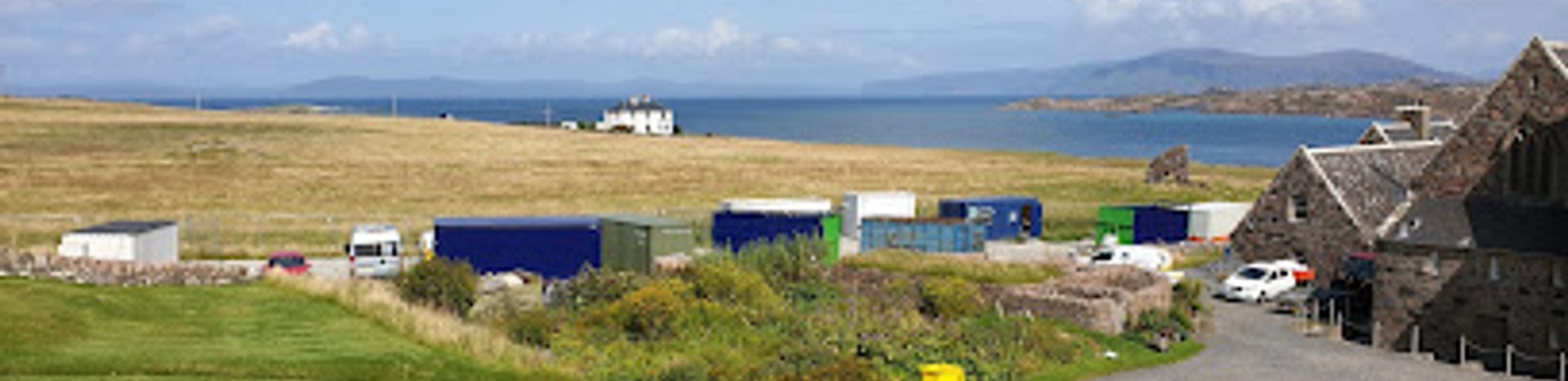
Iona Abbey and Nunnery: Scotland’s Sacred Christian Heritage on a Remote Isle
Discover centuries of sacred history, art, and worship at Iona Abbey and Nunnery on the serene Isle of Iona, Scotland’s spiritual heart.
Iona Abbey and Nunnery, located on the tranquil Isle of Iona off Scotland’s west coast, is one of Western Europe’s most historic and sacred Christian sites. Founded by St Columba in AD 563 and rebuilt as a Benedictine abbey around 1200, it remains a vibrant place of worship and pilgrimage. Visitors can explore the restored medieval abbey church, the ruins of the Augustinian nunnery, ancient carved stones, and the royal burial ground, all set within a peaceful island landscape rich in spiritual and cultural history.
A brief summary to Iona Abbey and Nunnery
- Isle of Iona, PA76 6SQ, GB
- +441681700512
- Visit website
- Duration: 1 to 3 hours
- Mid ranged
-
 Outdoor
- Mobile reception: 3 out of 5
- Monday 9:30 am-5:30 pm
- Tuesday 9:30 am-5:30 pm
- Wednesday 9:30 am-5:30 pm
- Thursday 9:30 am-5:30 pm
- Friday 9:30 am-5:30 pm
- Saturday 9:30 am-5:30 pm
- Sunday 12:30 pm-5:30 pm
Local tips
- Book your Iona Abbey ticket online in advance during the high season to guarantee entry and save on walk-up prices.
- Visit the Abbey Museum to see Scotland’s finest collection of early medieval carved stones and crosses.
- Attend one of the daily worship services to experience the abbey’s living spiritual tradition.
- Explore the nearby Augustinian nunnery ruins for insight into medieval monastic life for women.
- Walk the ‘Street of the Dead’ and visit Reilig Odhráin, the ancient royal burial ground on the island.

For the on-the-go comforts that matter to you
- Restrooms
- Information Boards
- Seating Areas
- Visitor Center
- Trash Bins
Getting There
-
Ferry and Local Bus
Take the CalMac ferry from Fionnphort on the Isle of Mull to Iona, a 10-minute crossing. From the Iona ferry terminal, local buses or a 10-minute walk lead to the abbey. Ferry prices range from £5 to £10 round trip, with several daily sailings during peak season and reduced frequency in winter.
-
Car and Ferry Combination
Drive to Fionnphort on Mull, where parking is available for a fee (approximately £5-£10 per day). Then take the short ferry crossing to Iona. Note that Iona is car-free, so vehicles are not permitted on the island.
-
Walking from Iona Village
If staying on Iona, the abbey is a 10-15 minute walk from the main village along mostly flat terrain. The walk is accessible for most visitors but may be challenging for those with mobility issues due to uneven surfaces near the abbey.
Iona Abbey and Nunnery location weather suitability
-
 Any Weather
-
 Rain / Wet Weather
-
 Clear Skies
-
 Mild Temperatures
-
 Windy Conditions
Discover more about Iona Abbey and Nunnery
A Beacon of Early Christian Worship in the British Isles
Iona Abbey stands on the site of the original monastery founded by St Columba in AD 563, marking the island as a cornerstone of Christian faith and learning for over 1,400 years. Despite enduring Viking raids, the monastery flourished until the late 12th century. Around 1200, the sons of Somerled, known as the ‘King of the Isles,’ established the Benedictine abbey that forms much of the present structure. This abbey became a major pilgrimage destination, centered on the shrine of St Columba, and a hub for religious art and scholarship, including the creation of the famed illuminated manuscript, the Book of Kells.Architectural and Archaeological Treasures
The abbey church showcases architecture spanning the 13th to 16th centuries, beautifully restored in the early 20th century. Visitors can admire the cloisters and the Michael Chapel, alongside one of Europe’s richest collections of early medieval carved stones and crosses housed in the Abbey Museum. Nearby, the Augustinian nunnery ruins offer a rare glimpse into monastic life for women in medieval Scotland, representing the most complete surviving nunnery complex in the country. The island also features St Oran’s Chapel and Reilig Odhráin, a royal burial ground believed to hold the remains of ancient Scottish kings.Spiritual Continuity and the Iona Community
The Iona Community, founded in 1938, revived the abbey’s tradition of worship, work, and teaching. This ecumenical Christian group continues to occupy the monastic buildings, fostering peace and social justice. Daily worship services maintain the abbey’s spiritual heartbeat, welcoming visitors to participate in morning and evening prayers. The abbey’s atmosphere remains deeply contemplative, inviting reflection and renewal amid its historic stones and serene island setting.Exploring the Sacred Landscape
Beyond the abbey itself, the island’s landscape is dotted with spiritual landmarks such as the ‘Street of the Dead,’ a medieval route flanked by ancient crosses, and Tòrr an Aba, a small hill where St Columba is said to have written. The vallum, an earthwork boundary from the original monastery, is the only surviving physical trace of the earliest Christian settlement. The island’s peaceful environment, combined with its rich history, makes it a unique destination for pilgrimage, cultural heritage exploration, and nature escape.Visiting Today: Practical and Cultural Insights
Iona Abbey is open daily with seasonal variations in opening hours, generally from 9:30am to 5:30pm in summer and shorter hours in winter. Admission fees apply, with discounts for concessions and families, and Historic Scotland members enjoy free entry. The abbey offers guided tours and audio guides included with admission, enhancing the visitor experience. Nearby amenities include a visitor center, information boards, and seating areas. The island’s small size and ferry access create a tranquil, car-free environment that preserves its historic and natural character.Legacy of Faith and Art on a Remote Island
Iona Abbey and Nunnery stand as enduring symbols of Scotland’s religious heritage and artistic achievement. From its early days as a Celtic Christian monastery to its role in medieval pilgrimage and its modern revival by the Iona Community, the site encapsulates centuries of faith, resilience, and cultural exchange. Its carved stones and crosses continue to inspire, while the abbey’s peaceful spaces offer a profound connection to history and spirituality in a stunning island setting.Iconic landmarks you can’t miss

Tobermory Clock Tower
37.7 km
Historic granite clock tower memorializing local heritage, standing proudly by Tobermory’s colourful harbour on the Isle of Mull.
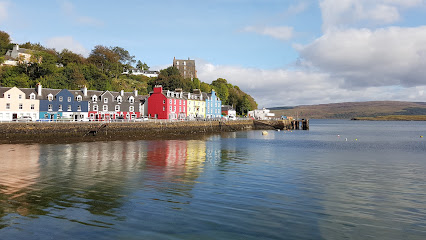
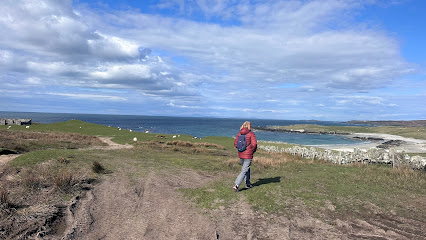
Monument to Irish immigrants aboard the Exmouth Castle
54.0 km
A solemn tribute on Islay’s rugged coast honoring 241 Irish emigrants lost in the 1847 Exmouth Castle shipwreck.
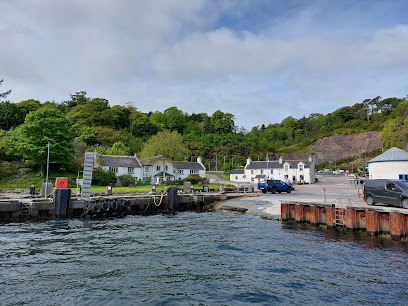
Islay Ferry Terminal
57.0 km
Scenic ferry gateway on Islay connecting to Jura and the Scottish mainland, blending maritime heritage with stunning coastal views.
Oban War & Peace Museum
57.2 km
Explore the Oban War & Peace Museum: A captivating journey through local history and heritage, set against the stunning backdrop of Oban's coastal beauty.
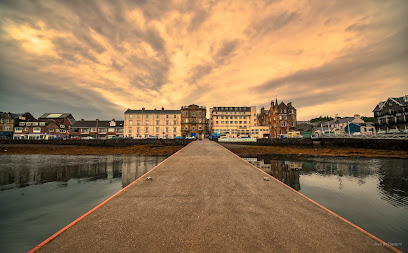
Old Oban Times Bldg
57.2 km
Discover the historic Old Oban Times Building, a landmark reflecting the rich heritage of Oban along the scenic Corran Esplanade.
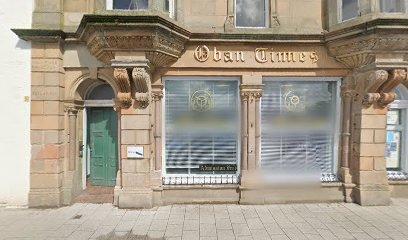
Argyll Square
57.2 km
Experience the vibrant atmosphere and local charm of Argyll Square in Oban, the perfect destination for shopping, dining, and stunning coastal views.
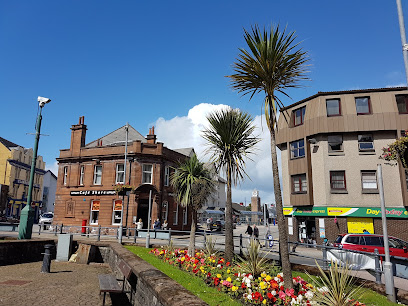
St John's Scottish Episcopal Cathedral : Oban
57.3 km
An unfinished masterpiece where Gothic ambition meets industrial-age engineering in Scotland's most unusual cathedral.
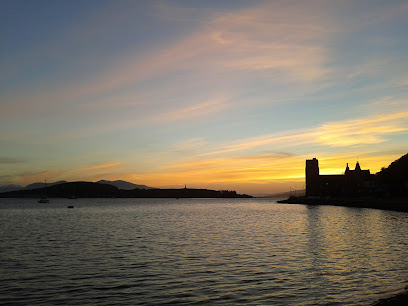
Ardconnel Terrace
57.4 km
Discover the scenic beauty and historic charm of Ardconnel Terrace in Oban, a perfect spot for relaxation and stunning coastal views.
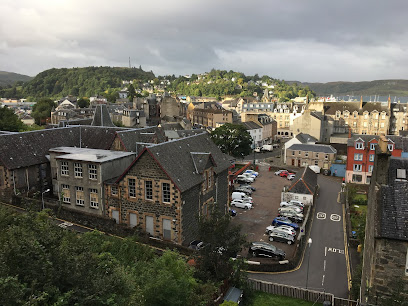
McCaig's Tower & Battery Hill
57.5 km
Explore Oban’s iconic McCaig's Tower, a Colosseum-inspired folly with stunning views and tranquil gardens atop Battery Hill.

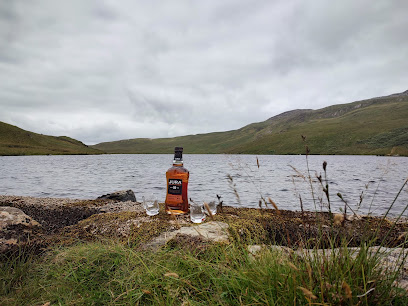
Jura Guided
57.8 km
Explore the breathtaking landscapes of Jura Guided, the ultimate destination for nature lovers and adventurers seeking the beauty of the Scottish Highlands.
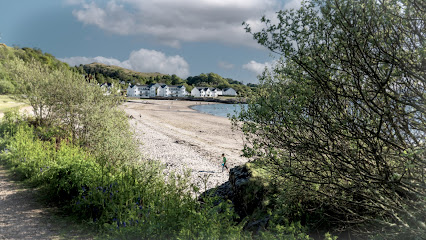
Ganavan Sands
57.9 km
Experience the natural splendor of Ganavan Sands, a picturesque beach in Oban, Scotland, perfect for relaxation and scenic coastal walks.
Kilmeny Church [Church Of Scotland] : Islay
59.6 km
Historic 1828 B-listed Parliamentary Church nestled in scenic northern Islay, embodying Scotland’s rich ecclesiastical heritage.
Nether Largie Mid Cairn
60.1 km
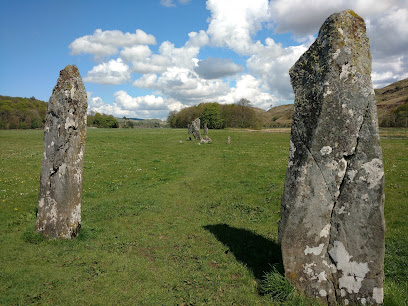
Bronze Age burial cairn at the heart of Scotland's most significant prehistoric landscape, carved with rare axehead symbols.
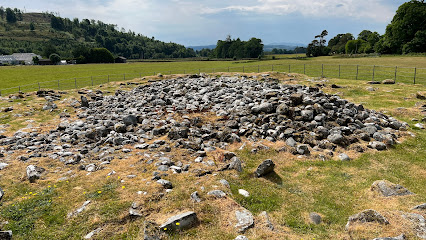
Nether Largie South Cairn
60.1 km
Explore the ancient mysteries of Nether Largie South Cairn, a captivating historical landmark in Lochgilphead, Scotland, surrounded by breathtaking landscapes.
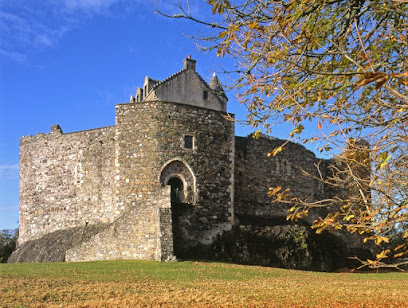
Dunstaffnage Castle and Chapel
60.2 km
Uncover the medieval magic of Dunstaffnage Castle and Chapel, a historic landmark offering stunning views and rich Scottish heritage.
Unmissable attractions to see

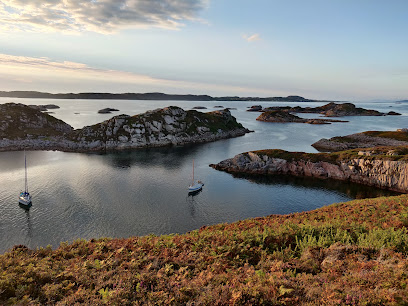
Tinkers Hole
4.8 km
Discover the serene and sheltered anchorage of Tinkers Hole, a hidden coastal gem on Scotland’s Isle of Mull.
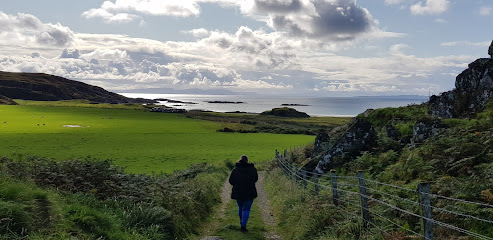
Ardalanish bay
10.0 km
Discover Ardalanish Bay’s pristine sands, rare habitats, and ancient geology on the scenic Isle of Mull’s tranquil southern coast.
Ross Of Mull Historical Centre
10.1 km
Discover the rich heritage of Ross of Mull at this charming cottage museum nestled beside the Old Corn Mill ruins in Bunessan.
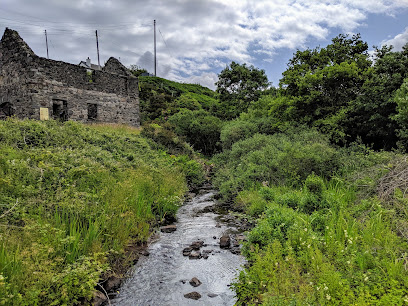
Ardalanish Beach
10.5 km
Discover the tranquil white sands and rich wildlife of Ardalanish Beach, a serene coastal gem on the Isle of Mull’s Ross of Mull.
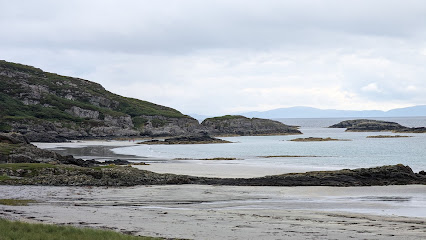
Rubh’ Ardalanish
11.0 km
A pristine white sand beach on Mull’s southern coast, rich in wildlife, wildflowers, and cultural heritage.
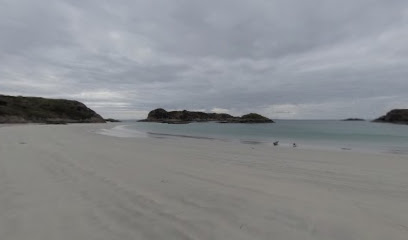
Fingal's Cave
11.1 km
Discover the mesmerizing basalt columns and echoing acoustics of Fingal’s Cave on Staffa, a volcanic island steeped in myth and natural beauty.
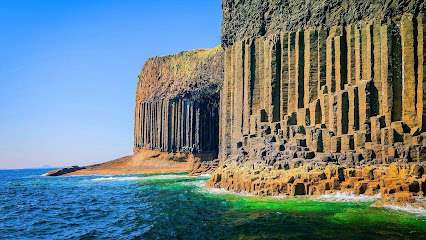
Fossil Tree
12.0 km
Discover a 12-meter fossilized tree embedded in volcanic cliffs on a dramatic coastal hike in the Isle of Mull’s wild Ardmeanach Peninsula.
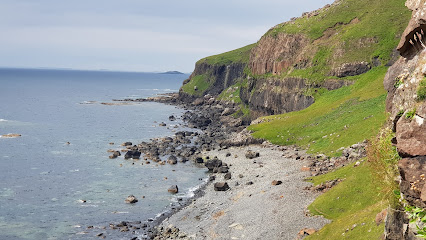
Kilvickeon Beach
13.5 km
Discover Kilvickeon Beach, a tranquil white sand escape framed by rugged rocks and rolling hills on Scotland’s Isle of Mull.
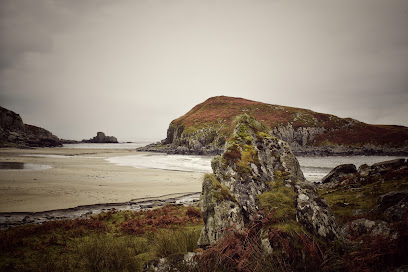
Burg
13.8 km
Experience the wild Atlantic power and serene beauty of Burg, a rugged nature reserve on Mull’s remote southwestern peninsula.
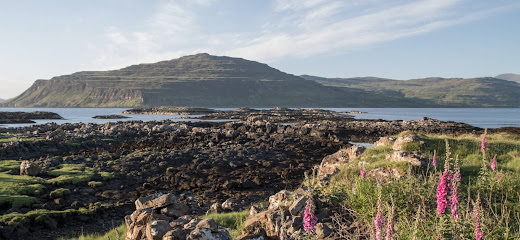
Mackinnon’s Cave
17.2 km
Explore the Isle of Mull’s deepest sea cave, steeped in legend and volcanic geology, where history and myth intertwine along rugged coastal cliffs.
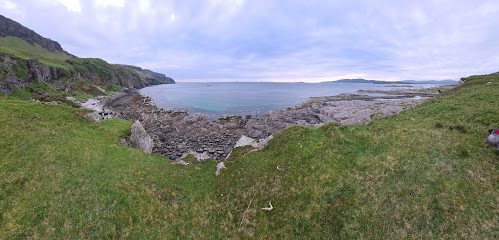
Lunga, Treshnish Isles
17.8 km
Discover Lunga, the largest Treshnish Isle, a remote sanctuary famed for puffins, rugged cliffs, and pristine Hebridean wilderness.
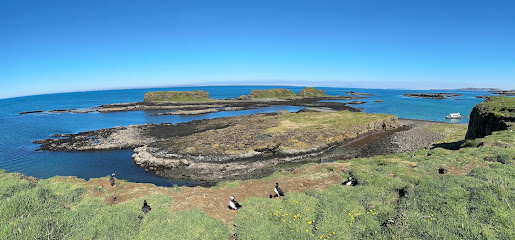
Allt Chreaga Dubha Waterfall
19.5 km
A serene and scenic waterfall nestled in the wild landscapes of the Isle of Mull, perfect for nature lovers and hikers.
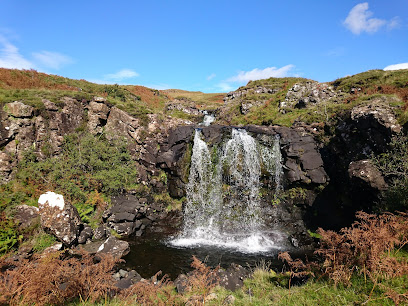
Viewpoint
23.5 km
Discover breathtaking vistas over three serene lochs and rugged Mull mountains at this tranquil viewpoint on the Isle of Mull.
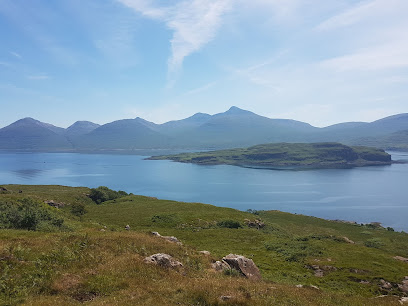
CazzieMarc Viewpoint
23.6 km
Discover serene panoramic views and untouched natural beauty at CazzieMarc Viewpoint on the Isle of Mull.
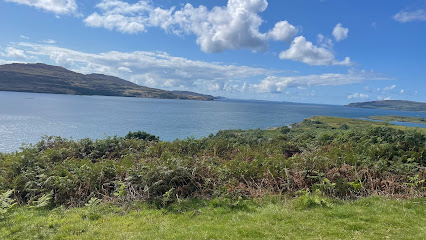
Eas Fors Waterfall
23.8 km
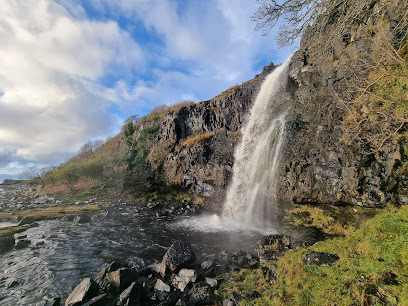
Discover the wild beauty of Eas Fors Waterfall, a dramatic triple cascade plunging into the sea on Mull’s rugged west coast.
Essential places to dine

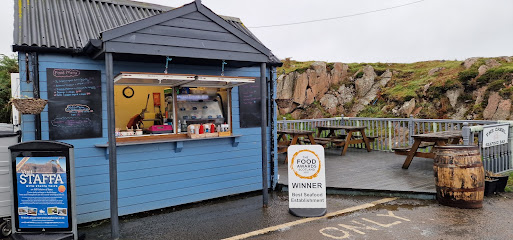
The Creel Seafood Bar
1.7 km
Fresh, locally caught seafood served with friendly charm near the ferry to Iona on the scenic Isle of Mull.
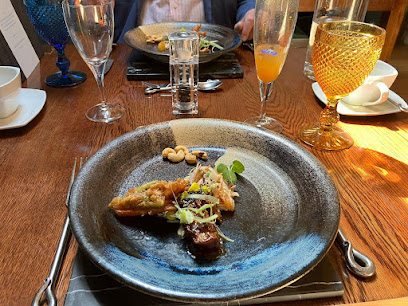
Ninth Wave Restaurant
2.1 km
Intimate seafood dining in a historic croft on the Isle of Mull, blending local flavors with refined culinary artistry.
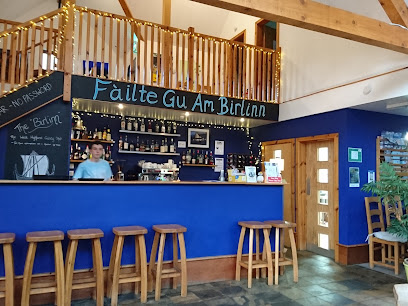
Am Birlinn
30.3 km
Rustic charm meets fresh seafood in a cozy, contemporary setting on the scenic Isle of Mull.
Hebridean Lodge
36.8 km
A charming coastal restaurant near Tobermory serving fresh local seafood with stunning island views and warm hospitality.
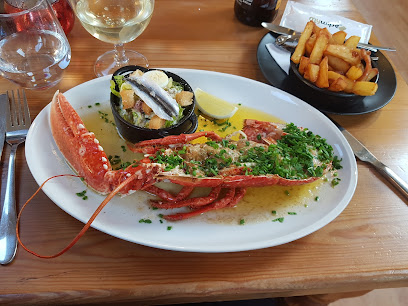
Macgochans
37.4 km
Waterfront gastropub with stunning bay views, fresh Scottish seafood, and warm Hebridean hospitality.
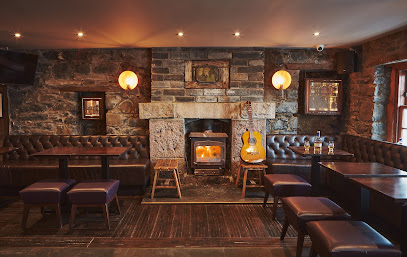
The Galleon Bistro Tobermory
37.6 km
Family-run harbour-side bistro in Tobermory offering fresh local seafood, Scottish classics, and a warm, accessible dining experience on the Isle of Mull.
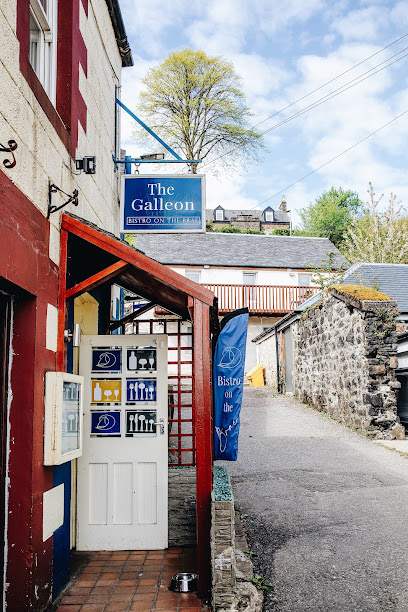
Spice of Mull
37.7 km
Experience authentic Indian, Bangladeshi, Thai, and Chinese flavors in a cozy Tobermory setting with stunning harbor views.
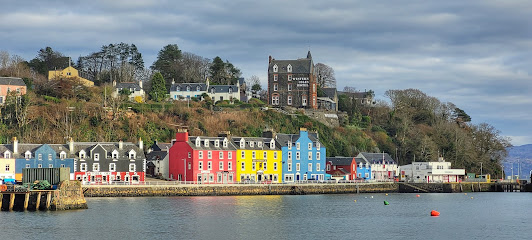
An Cala Ciuin
37.8 km
Traditional Scottish hospitality with harbour views and hearty fare in the heart of Tobermory’s historic Mishnish Hotel.
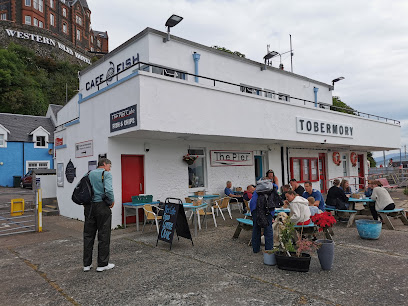
Cafe Fish, Upper Floor, The Pier, Tobermory
37.8 km
Experience Tobermory’s freshest seafood with stunning harbour views at the acclaimed Cafe Fish on the Isle of Mull.
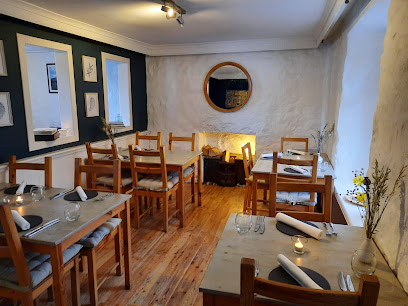
The Whitehouse Restaurant
43.9 km
An intimate fine dining haven in Lochaline serving innovative Scottish cuisine with fresh, local, and foraged ingredients in a historic coastal setting.
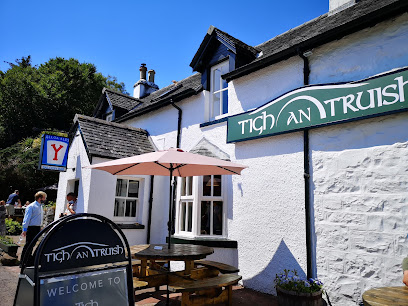
Tigh An Truish
49.8 km
Charming inn and acclaimed restaurant with stunning views of the iconic Clachan Bridge, offering exquisite local cuisine and cozy accommodations.
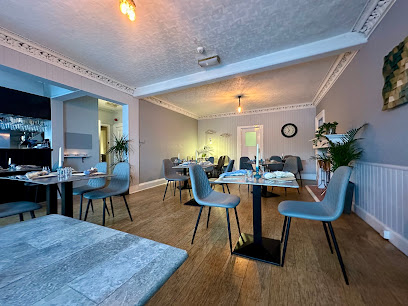
Restaurant at Loch Melfort Hotel
52.8 km
Savor inventive Scottish cuisine with stunning sea loch views at the acclaimed Restaurant at Loch Melfort Hotel in Arduaine.
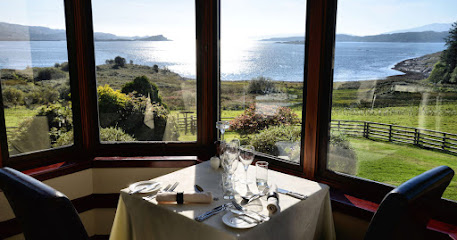
The Barn Bar
56.5 km
A rustic country pub at Cologin offering seasonal Scottish fare, cozy log fires, and lively local music near Oban.
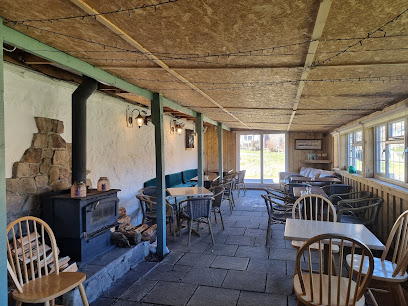
Food From Argyll at the Pier
57.0 km
A vibrant café at Oban’s ferry terminal serving fresh, locally sourced Argyll produce with stunning waterfront views.
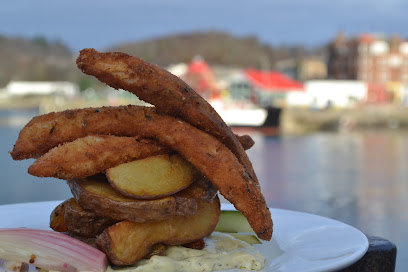
EE-USK
57.1 km
Fresh, locally sourced seafood served with panoramic harbor views on Oban’s historic North Pier.
Markets, malls and hidden boutiques

Fingal Arts & Crafts
1.9 km
A charming craft shop in Fionnphort, showcasing handmade jewellery, textiles, ceramics and art inspired by the wild beauty of the Hebrides and Iona.
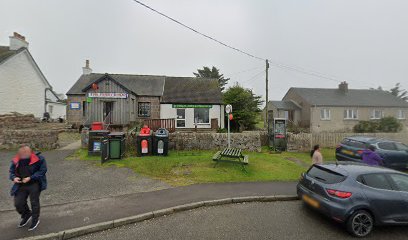
The Ferry Shop
1.9 km
Your essential stop for groceries, island produce, and local services in Fingal on the Isle of Mull.
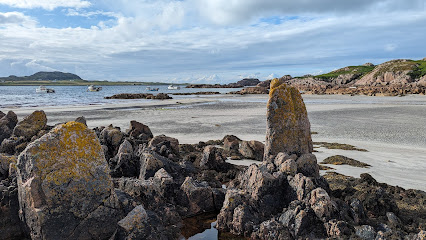
Island Castaways
9.9 km
Discover unique thrift treasures and support local causes at Island Castaways, Mull’s spotless and community-driven charity shop in Craignure.
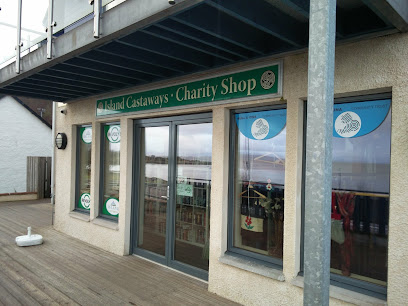
Fingal's Cave Gift Shop
9.9 km
Discover unique Hebridean crafts and souvenirs inspired by the legendary Fingal's Cave at this charming Isle of Mull gift shop.
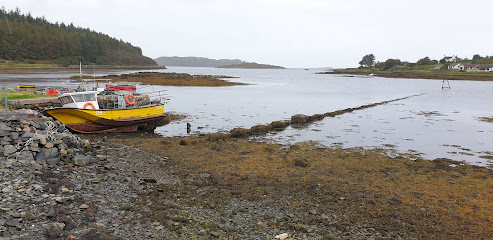
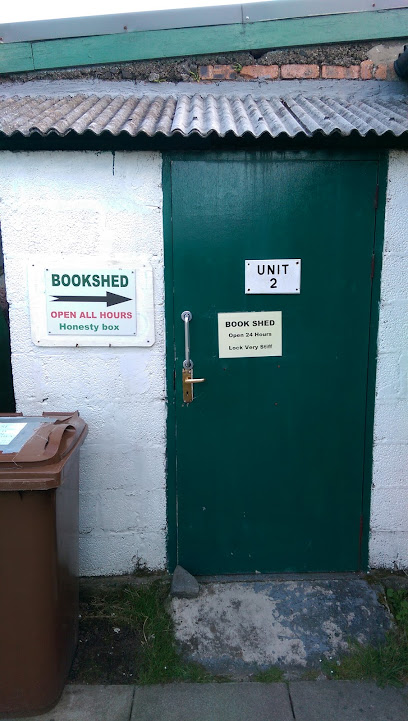
Bookshed
9.9 km
Discover a charming charity bookshop in Bunessan, Isle of Mull, offering diverse second-hand books and supporting local community causes.
Spar Bunessan
9.9 km
Your friendly local convenience store and post office in Bunessan, Isle of Mull, offering essentials and community connection in a scenic village setting.
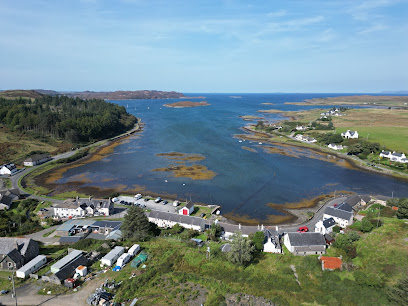
Premier
31.0 km
Your friendly local Premier store on Mull’s Main Street, offering groceries, postal services, and community warmth in Dervaig village.

Christine's Den
31.9 km
Explore the charm of the Isle of Colonsay at Christine's Den, your go-to gift shop for local treasures and unique souvenirs.
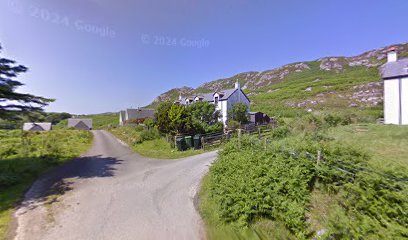
The Island Shop - Isle of Colonsay
32.0 km
The Island Shop in Scalasaig: Your essential local store for fresh produce, island specialties, and warm community spirit on Colonsay.
Glengorm Gardens and Florist
35.9 km
Discover the serene Victorian walled gardens and artisan florist of Glengorm Estate, a floral and horticultural gem on the Isle of Mull’s rugged northern coast.
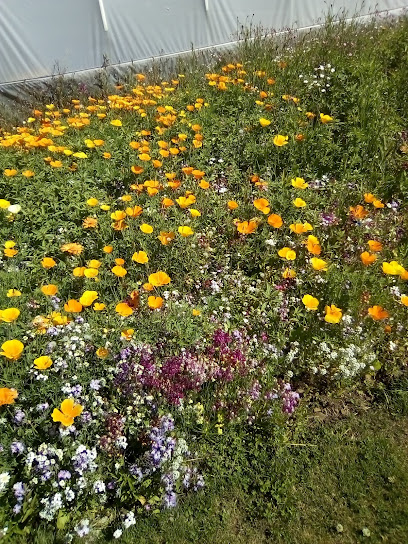
Hasn Candle Company
36.9 km
Discover handcrafted candles inspired by the natural beauty and seasonal scents of the Isle of Mull in Tobermory’s welcoming artisan shop.
Seafare
37.4 km
Tobermory’s trusted chandlery since 1977, offering essential marine safety gear and supplies in the heart of the Isle of Mull’s harbor town.
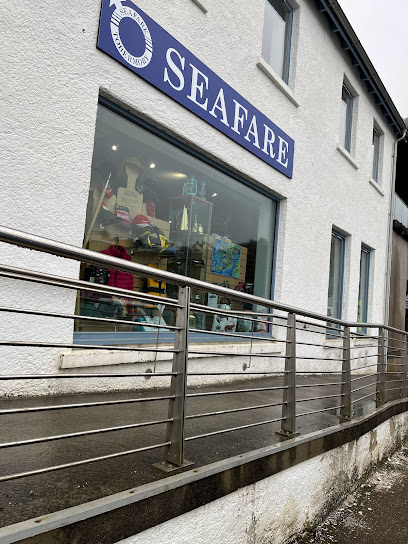
Trekomory Breeze
37.4 km
Trekomory Breeze offers practical outdoor clothing and accessories in Tobermory, blending local charm with quality gear for every adventurer.
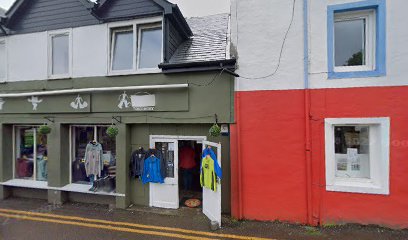
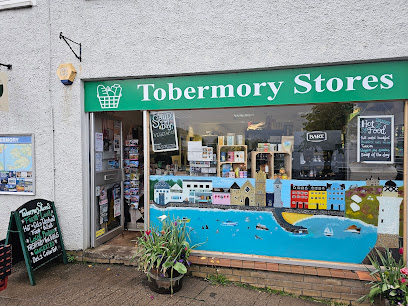
Tobermory Stores
37.5 km
Tobermory Stores offers essential shopping with local charm in the heart of Isle of Mull’s colorful main street.
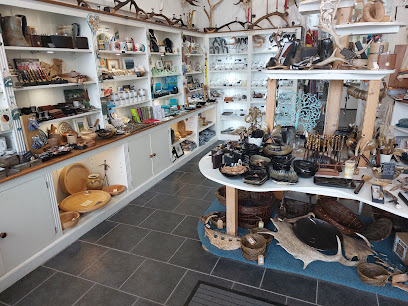
Island Crafts
37.5 km
Discover authentic Isle of Mull artistry and handcrafted treasures in the heart of Tobermory’s vibrant craft scene.
Essential bars & hidden hideouts

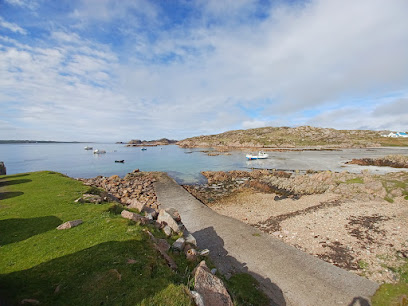
Snack Bar
1.7 km
Experience the charm of the Isle of Mull at the Snack Bar, where delightful bites and stunning views create unforgettable memories.
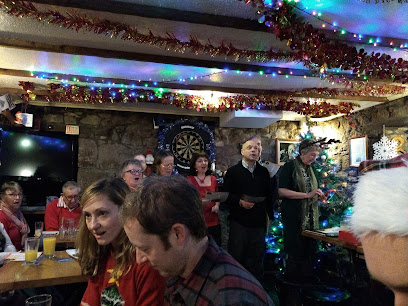
The Keel Row
2.0 km
Cozy pub and restaurant in Fionnphort offering hearty Scottish dishes, scenic bay views, and a warm, welcoming atmosphere on the Isle of Mull.
Bunessan Inn
9.9 km
Historic Isle of Mull pub and inn offering hearty food, local whiskies, cozy rooms, and stunning loch views in a warm community setting.
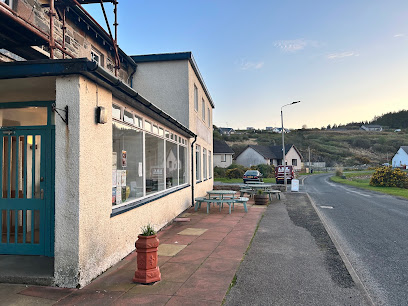
Colonsay Pub
32.0 km
Experience authentic island hospitality and local brews at Colonsay Pub, the vibrant social hub of the Isle of Colonsay.
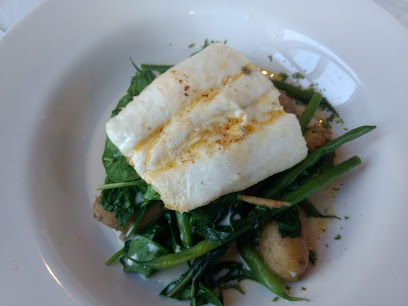
The Tobermory Hotel
37.5 km
Historic boutique hotel with stunning Tobermory Bay views, local cuisine, and warm Highland hospitality on the Isle of Mull’s vibrant waterfront.
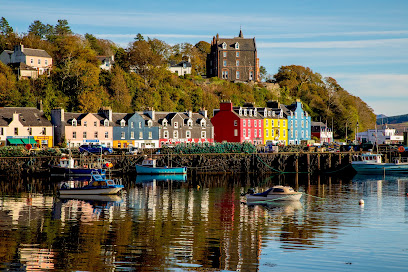
Mishnish
37.8 km
A traditional Scottish hotel and bar in Tobermory, famed for cosy harbour views, live folk music, and warm island hospitality.
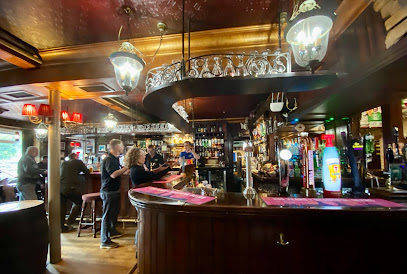
Western Isles Hotel
37.9 km
Historic hotel with breathtaking Tobermory Bay views, classic charm, and warm hospitality on the scenic Isle of Mull.
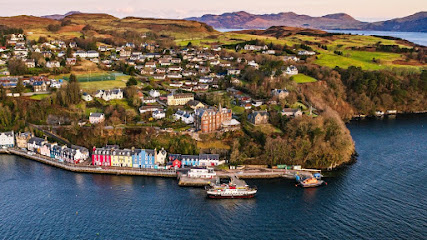
Auld Mull Bar
37.9 km
Experience warm island hospitality and local flavors at Auld Mull Bar, a cozy family-run retreat in Tobermory’s charming harbor village.
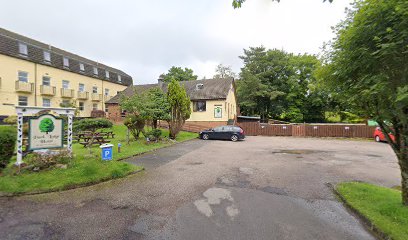
Isle of Mull Hotel & Spa
44.5 km
A welcoming coastal retreat on the Isle of Mull, blending scenic views, spa relaxation, and warm Scottish hospitality.
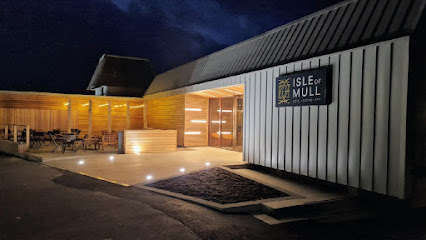
Craignure Inn
45.0 km
A cozy, dog-friendly pub and inn in Craignure offering hearty fare, comfortable rooms, and a warm welcome on the Isle of Mull.
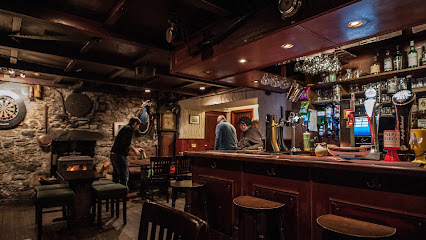
The Oyster Bar
46.0 km
A charming seafood haven in historic Ellenabeich, offering fresh oysters, scenic coastal views, and warm Scottish hospitality.
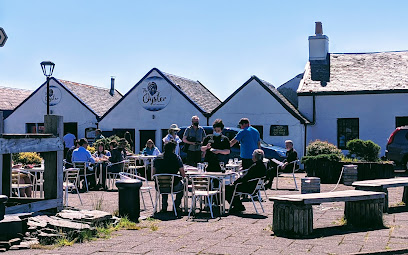
Markie Dans
57.2 km
Family-run pub in Oban offering vast single malts, hearty food, live music, and stunning bay views in a welcoming, lively atmosphere.
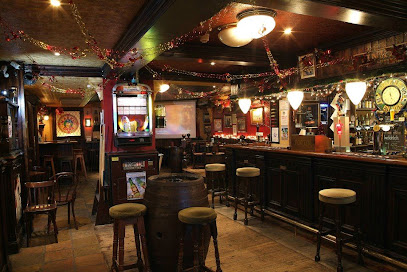
Cellar Bar
57.2 km
Cozy and traditional Scottish pub on Oban’s waterfront, famed for local whiskies, live music, and warm hospitality.
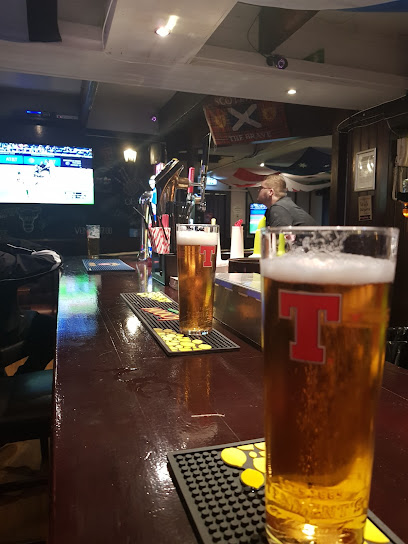
The Tartan Tavern
57.3 km
Experience authentic Scottish hospitality and traditional charm at The Tartan Tavern, a cozy and lively pub in the heart of Oban.
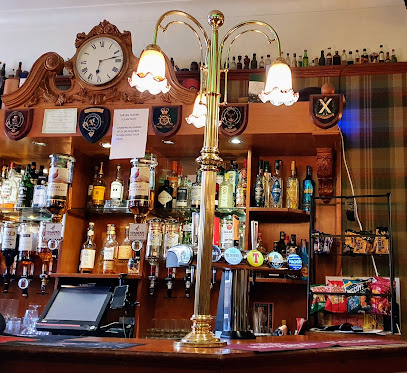
Lorne Bar
57.4 km
Experience authentic Scottish hospitality, fresh local seafood, and a warm, welcoming atmosphere in the heart of Oban at The Lorne Bar.
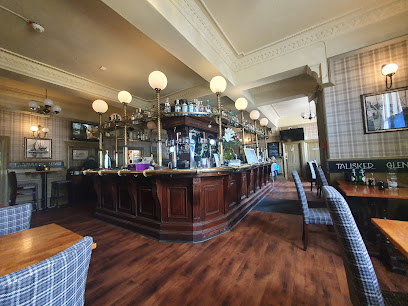
Nightclubs & after hour spots

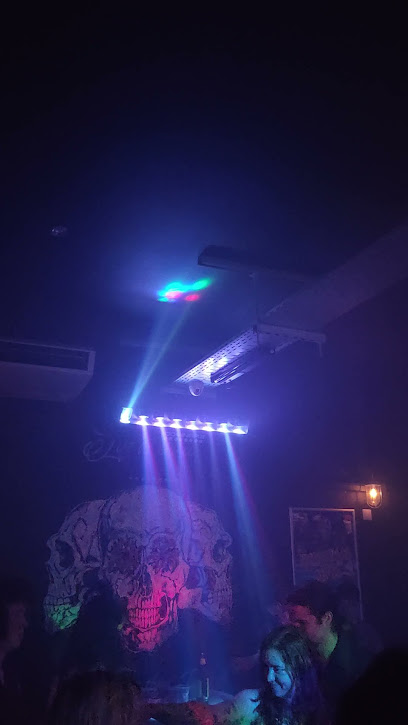
For the vibe & atmosphere seeker
- Tranquil
- Scenic
- Spiritual / Energy Spot
- Cultural Heritage
For the design and aesthetic lover
- Rustic Designs
- Vintage Styles
For the architecture buff
- Historic
- Sacred Sites
- Heritage Neighborhoods
For the view chaser and sunset hunter
- Iconic Views
- Panoramas
For the social media creator & influencer
- Instagrammable
- Photo Spots
- Architectural Shots
For the eco-conscious traveler
- Eco-Friendly
- Car-Free Access
- Public-Transport Accessible
- Protected Area
- Locally Managed
For the kind of experience you’re after
- Cultural Heritage
- Spiritual / Energy Spot
- Day Trip
- Weekend Getaway
- Photowalk
- Nature Escape
For how adventurous you want the journey to be
- Easy Access
Location Audience
- Family Friendly
- Senior Friendly
- Child Friendly
- Teen Friendly
- Wheelchair Access
- Solo Friendly
- Couple Friendly
- Vegetarian Friendly
- Vegan Friendly


