

Dunnottar Cliffs Travel Guide
Free Guide: Dramatic cliff-top ruins steeped in history, guarding Scotland’s crown jewels and offering breathtaking coastal views.


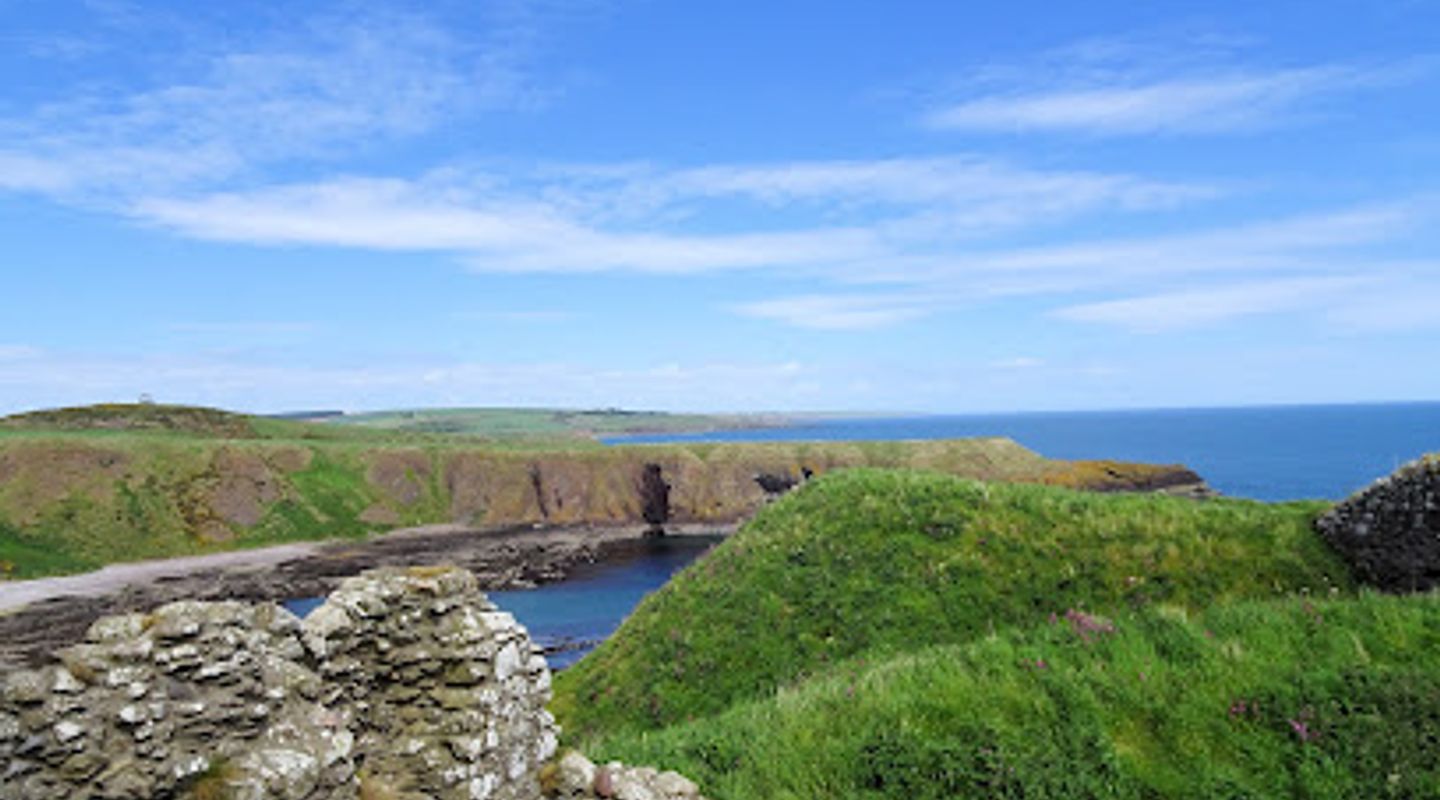
A brief summary of Dunnottar Cliffs
Dramatic cliff-top ruins steeped in history, guarding Scotland’s crown jewels and offering breathtaking coastal views.
Dunnottar Cliffs, crowned by the evocative ruins of Dunnottar Castle, rise dramatically above the North Sea on Scotland’s Aberdeenshire coast. This historic fortress, perched on a 160-foot rocky headland, has witnessed over a millennium of Scottish history—from Pictish stronghold origins and Viking raids to royal sieges and the safeguarding of the Scottish crown jewels. Today, the site offers breathtaking coastal panoramas, rich heritage, and a haunting atmosphere that captivates visitors year-round.
On-site amenities
 Restrooms
 Drink options
 Food options
 Seating areas
 Picnic areas
 Trash bins
 Information boards
Opening hours
- Every dayOpen 24 hours
Opening hours as listed on the venue’s Google Business Profile. Hours can change for services and special events, so check with the venue before you go.
- Address
- Aberdeenshire AB39 2TL
Getting there
Car
Bus
Walking
Discover more about Dunnottar Cliffs
Ancient Origins and Pictish Heritage
The site of Dunnottar Cliffs has been significant since prehistoric times, with archaeological evidence revealing Pictish occupation dating back as far as 5000 BC to 700 AD. The name 'Dun' itself is Pictish for 'fort,' reflecting the area's early strategic importance. The nearby sea stack of Dunnicaer, just north of the cliffs, holds the oldest known Pictish fort discovered to date. Historical records from the 7th century mention military assaults on the stronghold, underscoring its role as a defensive bastion against early invaders including Vikings, who raided the region and killed King Donald II near the site.
The Medieval Fortress and Royal Connections
The castle ruins visible today primarily date from the late 13th to the 17th centuries. The tower house, constructed in 1392, features a vaulted stone basement and once housed a great hall, private rooms, and bedrooms. Over the centuries, Dunnottar Castle was expanded with additional buildings including a palace complex with kitchens, dining rooms, and storerooms. It was a favored stronghold of the powerful Earls Marischal and hosted notable figures such as Mary Queen of Scots and King James VI. The castle’s dramatic cliff-top position made it nearly impregnable, surrounded on three sides by the North Sea and accessible only by a narrow land approach.
Historic Sieges and the Crown Jewels
Dunnottar Castle played a pivotal role in Scottish history, particularly during the 17th century. It famously safeguarded the Honours of Scotland—the Scottish crown jewels—during Oliver Cromwell’s invasion. The jewels were hidden within the castle and later spirited away by the local minister’s wife to protect them from English forces. The castle endured sieges, including a prolonged one in 1651 when a small garrison held out against thousands of Parliamentarian soldiers. The site also witnessed brutal episodes such as the imprisonment of Covenanters in the Whigs Vault and the violent retaking by William Wallace in 1297, who reportedly burned English soldiers alive in the chapel.
Modern Preservation and Visitor Experience
Today, Dunnottar Castle is a protected scheduled monument managed by Historic Environment Scotland and privately owned by the Dunecht Estates. Extensive conservation efforts have preserved the ruins, allowing visitors to explore the evocative remains safely. The castle is open year-round, with seasonal hours and occasional weather-related closures due to its exposed cliff-top location. Facilities include a café, picnic areas, free parking, and accessibility information, though the steep terrain limits wheelchair access. The site offers spectacular views of the rugged coastline and the North Sea, making it a favorite for photographers, history enthusiasts, and nature lovers alike.
Natural Beauty and Coastal Ambience
The cliffs themselves provide a stunning natural setting, with sheer drops and panoramic vistas that showcase Scotland’s wild east coast. Visitors can enjoy scenic walks along coastal paths, spotting seabirds and experiencing the dramatic interplay of sea, sky, and stone. The atmosphere is both tranquil and powerful, with the sound of waves crashing below and the wind sweeping across the headland. This combination of natural grandeur and historic intrigue creates a uniquely memorable destination.
Legends and Stories Embedded in Stone
Dunnottar Cliffs and Castle are steeped in legend, from tales of Viking invasions and heroic Scottish defenders to stories of secret passages and hidden treasures. The castle’s ruins evoke centuries of conflict, resilience, and romance, inviting visitors to imagine the lives of those who once lived, fought, and died here. The site’s rich narrative continues to inspire cultural heritage and folklore, making it a living monument to Scotland’s past.
Evendo Review Centre
 Google
Guest reviews
Best time to go
Quietest: Jan, Feb & Dec · before 6am or at 9pm
Busy times are Evendo estimates for a typical year, to help you plan. Actual crowds vary with events, school holidays and the weather.
Explore Dunnottar Cliffs on the map
A handpicked selection of must-see spots near Dunnottar Cliffs, mapped for you.
Get your free copy of our complete guide to Dunnottar Cliffs, delivered straight to you.
Everything on this page, from opening hours and how to get there to Eve’s tips and the best time to go, in one PDF you can read offline, print or share.
Already have an account? Sign in
Your Dunnottar Cliffs guide is ready.
We'll send it to · Not you? Sign out

Getting your guide ready…
We are putting together a fresh copy of the Dunnottar Cliffs guide. This can take up to a minute.
This can take a few moments. If your browser asks, choose Allow so the download can start. You'll find the guide in your Downloads folder.
Nothing happened? Download it again
Sorry, the guide is taking longer than usual. Please try again in a minute, or get it by email instead.
Other nearby places you may find interesting
The closest places of the same kind, if this one is not quite what you had in mind.
-
-
-
-
-


Swipe for more places
More to explore near Dunnottar Cliffs

 Best experiences near Dunnottar Cliffs
 Best hotels near Dunnottar Cliffs
 Best landmarks near Dunnottar Cliffs
 Best attractions near Dunnottar Cliffs
 Best shops near Dunnottar Cliffs
 Best restaurants near Dunnottar Cliffs
 Best bars near Dunnottar Cliffs
Do you manage this location?
Take control to get all the benefits, like improved information, better appearance, and stronger visibility across AI-powered discovery.
Explore more
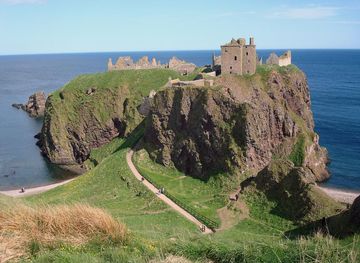
Explore more of Kincardineshire
Discover Kincardineshire: A Blend of Scenic Coastlines, Historic Castles, and Quaint Villages in Scotland’s Northeast
Explore Kincardineshire
Explore more of United Kingdom
Discover the United Kingdom: A blend of rich history, stunning landscapes, and vibrant cities, offering a unique travel experience for every visitor.
Explore United Kingdom
